


1. Sextant
Herbie Hancock’s foray into electrified, cosmic jazz-fusion is a masterclass in analog synthesis and studio manipulation. In '73, this wasn't just progressive; it was alien. The ARP 2600 and Mellotron create dense, pulsating soundscapes, underpinned by complex, polyrhythmic grooves. It's less about conventional melody and more about texture and atmosphere, a truly psychedelic journey through a meticulously crafted pre-digital sonic universe. It remains an unparalleled blueprint for electronic experimentation.
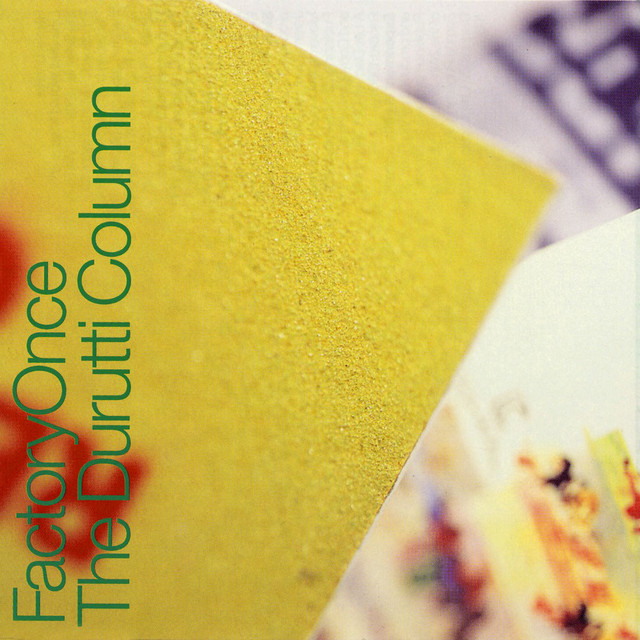
2. The Return of The Durutti Column
Vini Reilly’s understated genius shines through this 1980 release. The raw, yet ethereal production, with its sparse arrangements and delicate guitar work, creates an intimate, almost melancholic atmosphere. It eschewed post-punk's aggression for introspection, often layering shimmering guitar lines over subtle drum machine rhythms. The album's improvisational feel, captured through meticulous analog recording, offers a unique blend of art-rock sensitivity and ambient sonic exploration, proving profound depth without bombast.
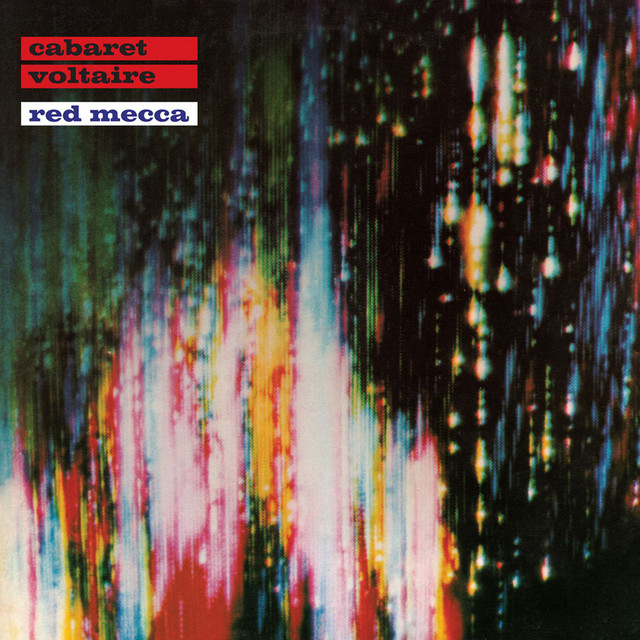
3. Red Mecca
Cabaret Voltaire’s 1981 offering is a visceral assault, a quintessential document of early industrial music. Its bleak, oppressive soundscapes, built from tape loops, found sounds, and distorted electronics, create a palpable sense of urban decay and unease. The raw, unpolished production amplifies its confrontational rhythmic structures and abrasive textures. It’s a chilling, yet utterly compelling, example of how pre-digital studio techniques could forge a sound both technologically primitive and frighteningly futuristic.
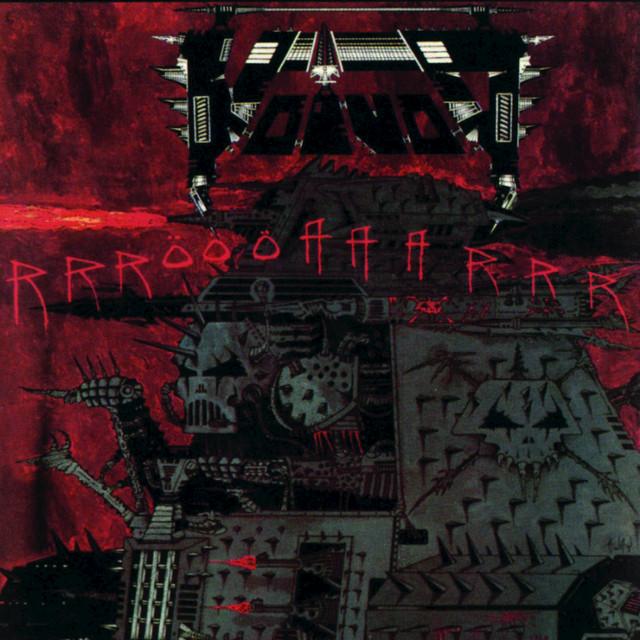
4. Rrröööaaarrr
Voivod’s 1986 output is a chaotic, yet strangely structured, beast. This is thrash metal filtered through a sci-fi lens, featuring angular, dissonant riffs and Piggy’s distinctive guitar tone. The drumming is a relentless, almost industrial, rhythmic assault. It’s raw, certainly, but within the frenetic energy lies a burgeoning complexity and a unique sonic identity that hints at their future progressive leanings. A relentless, unyielding slab of pre-digital metallic innovation.
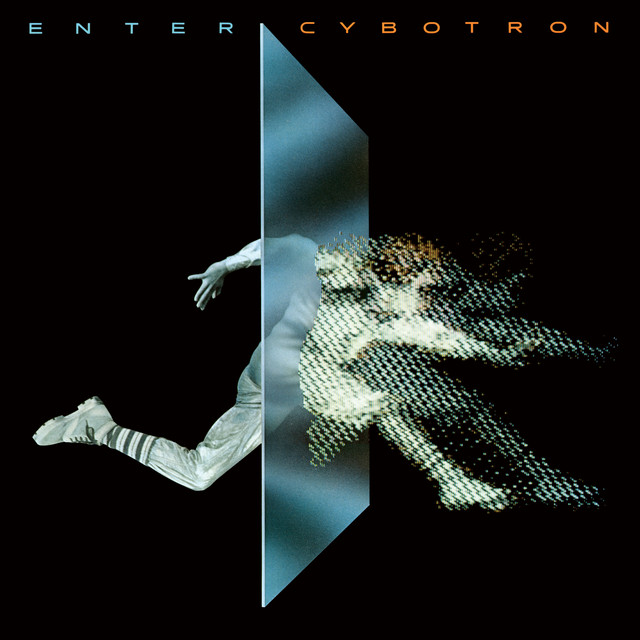
5. Enter (Deluxe Edition)
Cynic's 1988 demo, the core of this "Deluxe Edition," presented a jarringly advanced blueprint for technical death metal. Despite its raw, pre-digital demo fidelity, the intricate, jazz-inflected guitar work and complex rhythmic shifts were undeniable. It was a fusion of extreme aggression with intellectual musicianship, showcasing a sophistication rarely heard in the nascent death metal scene. This recording, though unpolished, laid crucial groundwork for a subgenre defined by its ambitious sonic architecture.
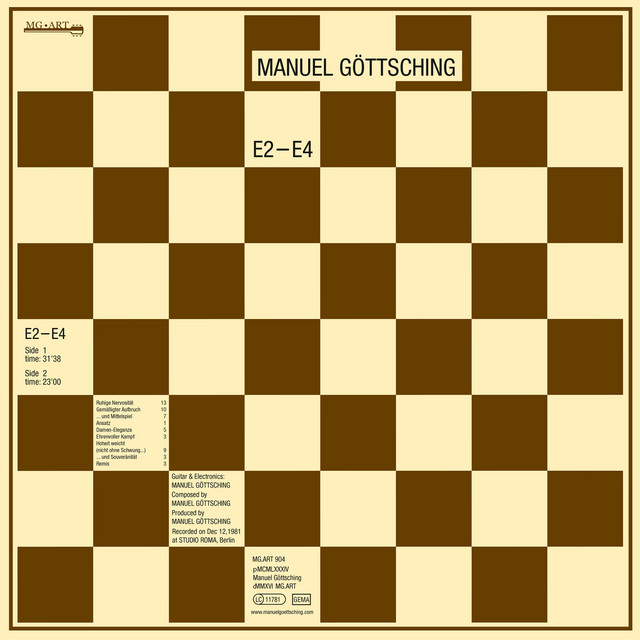
6. E2-E4 (Mixed)
Manuel Göttsching’s 1984 masterpiece is a singular, hour-long journey of minimalist electronic propulsion. Recorded in one take, its hypnotic, evolving synth patterns and understated guitar motifs built an entire sonic world from repetition and subtle variation. This analog recording, predating widespread digital sequencing, became an unwitting cornerstone for early house and techno. It’s an exercise in patience and precision, demonstrating the profound impact of a single, sustained musical idea.