1. Thriller
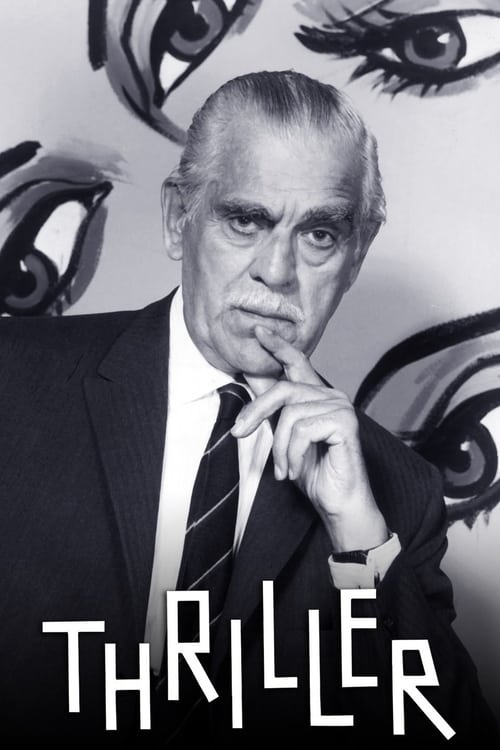
Ah, the eerie delight of a Friday night with Boris Karloff! This anthology delivered genuine chills, often in glorious black and white, proving that suspense thrives on mood, not just gore. Each week brought a fresh, unsettling tale, sometimes supernatural, sometimes psychological. You’d gather 'round the console, the shadows dancing, wondering what macabre twist awaited. It truly set the standard for network frights, a masterclass in building dread with thoughtful scripts and atmospheric direction.

2. Naked City
"There are eight million stories in the Naked City. This has been one of them." What an opening! This wasn't polished studio fare; it was raw, on-location drama that felt vital. Focusing on the police and the people of New York, it brought a gritty realism to the small screen, a stark contrast to the saccharine comedies. It offered a window into urban life, often exploring the seedier side with a compelling, unvarnished honesty. A true innovator in episodic storytelling.
3. The Invaders
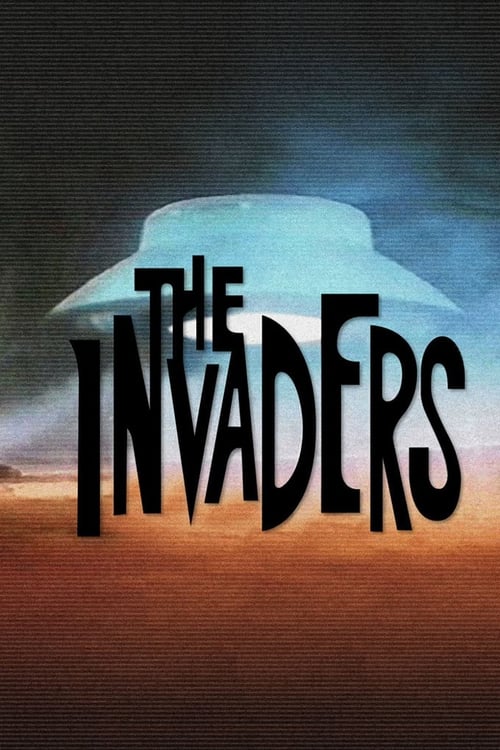
David Vincent, alone against the alien menace! This series tapped into a deep vein of paranoia, making you question every neighbor and every stranger. The aliens were among us, indistinguishable except for that stiff little finger. It was a thrilling chase, week after week, with Vincent trying to convince a skeptical world of the creeping invasion. A prime example of early serialized sci-fi drama, holding viewers captive with its relentless, hopeless quest.
4. Route 66
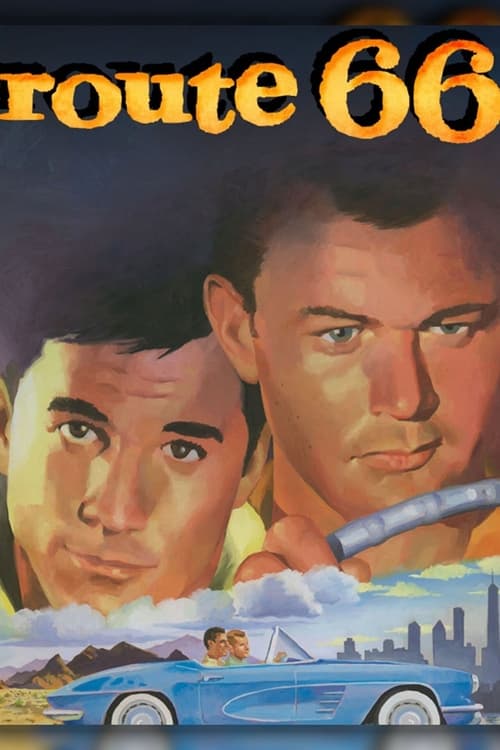
Buz and Tod, two young men, a convertible Corvette, and the open road. Each episode dropped them into a new town, a new crisis, and new characters, exploring the vast American landscape and its diverse inhabitants. It was an episodic travelogue wrapped in drama, often tackling social issues with a thoughtful hand. The series captured a yearning for freedom and discovery, a stark contrast to the enclosed family sitcoms. Pure, unadulterated Americana.
5. The Saint
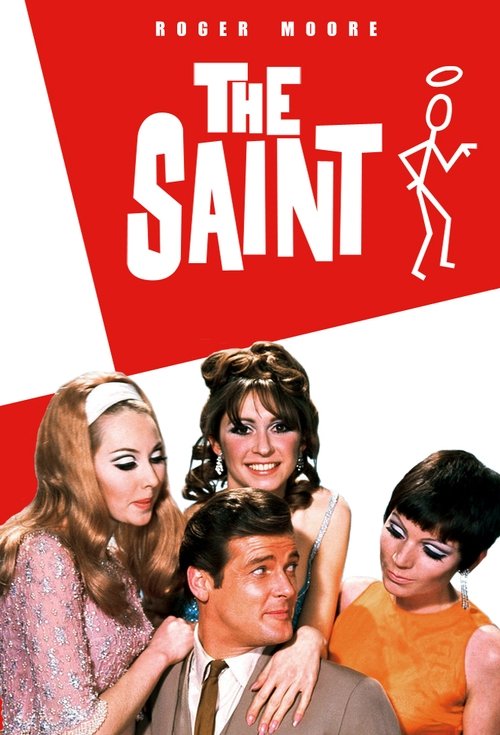
Roger Moore as Simon Templar – the very picture of sophisticated adventure. This British import brought a dash of continental glamour and suave derring-do to American screens. Each week, Templar, with his charming wit and impeccable style, would outsmart villains and right wrongs, usually with a beautiful woman by his side. It was escapism at its finest, a glimpse into a world of espionage and intrigue, perfectly suited for a black-and-white evening.
6. East Side/West Side
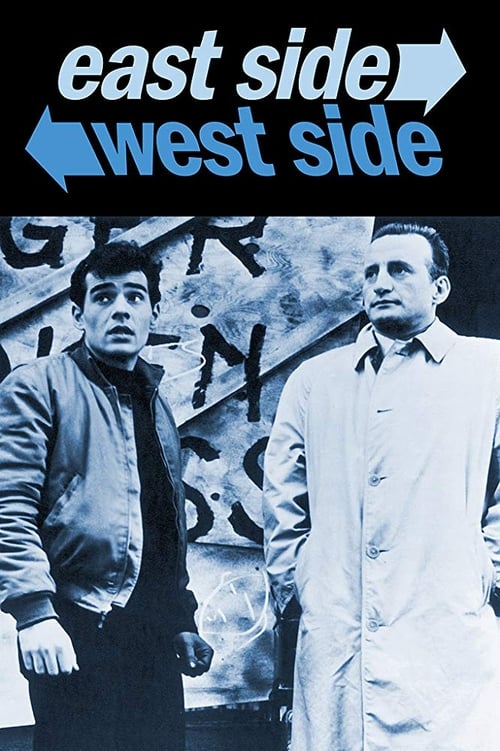
George C. Scott as a social worker in New York City. This was not light viewing; it was groundbreaking, tackling serious urban problems head-on. Poverty, racial tension, bureaucratic struggles – it presented them with an unflinching gaze, often making viewers uncomfortable. Though short-lived, its impact was profound, pushing the boundaries of what network television dared to portray. A stark, dramatic portrayal of societal complexities, far ahead of its time.
7. My Favorite Martian
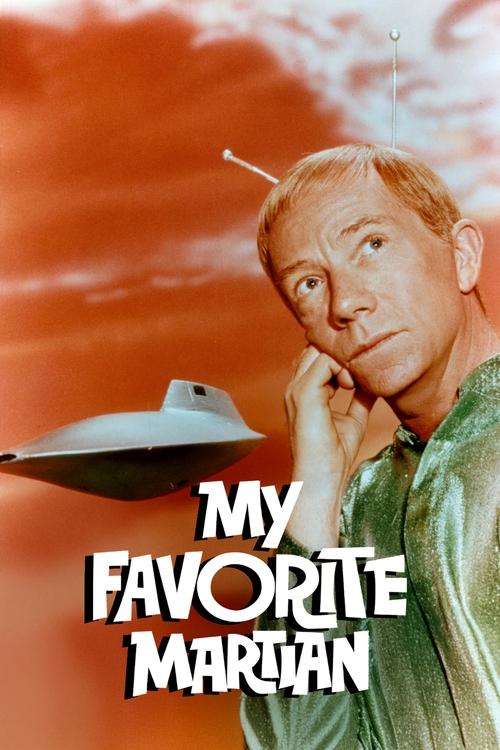
Uncle Martin, a Martian astronaut crash-landed on Earth, trying to blend in with his antennae retracted. This sitcom was pure, innocent fun, relying on clever visual gags and the delightful chemistry between Ray Walston and Bill Bixby. His disappearing finger, his levitation – these were early special effects marvels for a weekly half-hour. It delivered wholesome laughs and gentle sci-fi fantasy, a perfect family watch before color sets became commonplace.
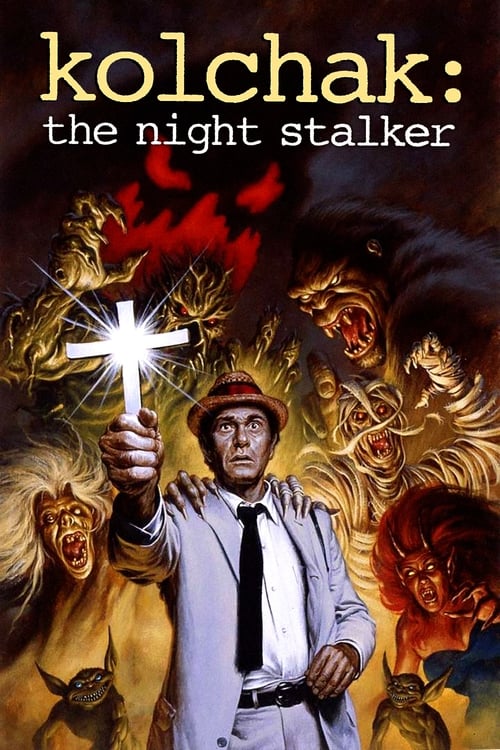
8. Kolchak: The Night Stalker
Darren McGavin as Carl Kolchak, the intrepid reporter chasing vampires, werewolves, and all manner of creatures of the night. This wasn't polished horror; it was gritty, unsettling, and often darkly humorous. Kolchak, forever battling skeptical authorities and supernatural foes, felt like a lone voice in the wilderness. It pioneered the "monster-of-the-week" format, giving us chills and a hero who just wouldn't quit. A cult classic, indeed.