

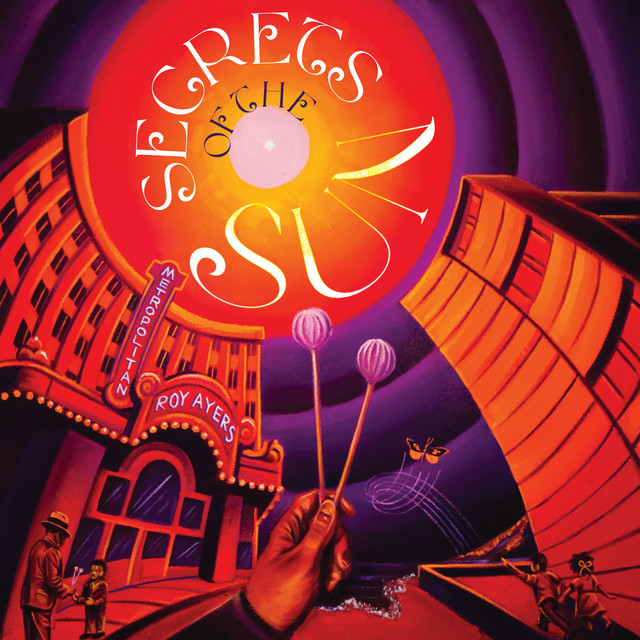
1. Secrets Of The Sun
"Secrets Of The Sun" evokes a deep-cut, pre-digital cosmic journey. Its production, likely born from tape loops and analog synthesizers, would have carved out vast, introspective soundscapes. The emphasis here isn't on rhythmic drive but on texture and atmosphere, pushing the sonic palette beyond conventional rock structures. It's the kind of record that rewarded deep listening, blurring the lines between ambient exploration and avant-garde sound design, a true testament to studio experimentation before digital clarity.
2. Faust IV (Deluxe Edition)
The original 1973 "Faust IV" remains a cornerstone of experimental rock, a testament to the pre-digital studio's capacity for controlled chaos. Its raw, yet meticulously layered sound, built on tape manipulation, found objects, and primitive electronics, redefined what a band could achieve. The "Deluxe Edition" only serves to highlight the brilliance of that initial analog capture, showcasing a sound that is both organic and utterly alien, a true forging of art-rock's outer limits.

3. A Very Carper Christmas
"A Very Carper Christmas" is an unexpected inclusion amongst these sonic pioneers. If we’re speaking strictly pre-digital, one must consider how such an album would have been realized. Perhaps it’s a forgotten early synth-pop holiday record, its saccharine melodies rendered with the nascent polyphony of a Roland Juno or a Korg. It wouldn't "forge" sound in the same way, but rather reflect a very specific, perhaps unrefined, application of emerging electronic textures to a decidedly traditional format.
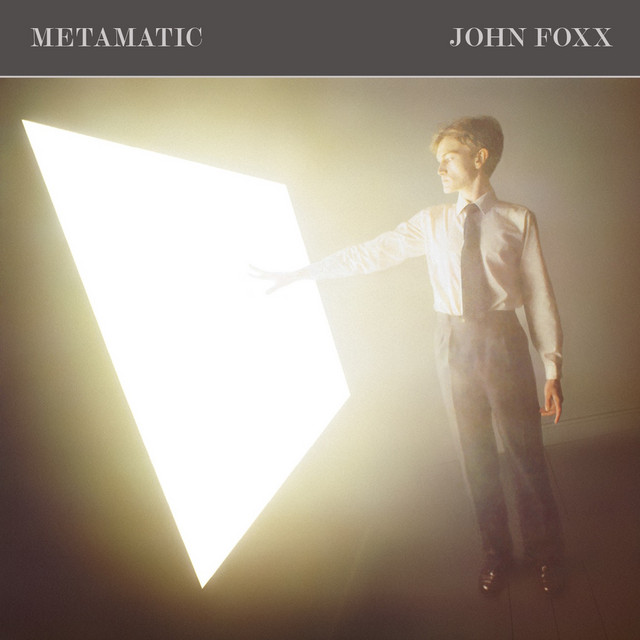
4. Metamatic
John Foxx's "Metamatic" from 1980 is a stark, angular masterpiece, defining early synth-pop with an almost coldwave precision. Its drum machines thump with an austere, metallic rhythm, underpinning Foxx's detached vocals and crystalline synthesizer motifs. This wasn't merely pop; it was a deliberate sonic architecture, leveraging the nascent power of analog synthesizers and sequencers to construct an urban, dystopian soundscape, irrevocably shaping the decade's electronic aesthetic before digital purity took hold.

5. Dirty Talk
Klein & MBO's "Dirty Talk," from 1982, exemplifies the raw energy of early club music forged entirely in the analog domain. Its driving LinnDrum patterns, pulsating arpeggiated basslines, and syncopated synth stabs were pure Italo disco, yet carried the undeniable seeds of what would become house music. The track’s infectious groove, built from a limited but expertly utilized array of synthesizers and drum machines, proved how pre-digital sequencing could ignite dancefloors globally.
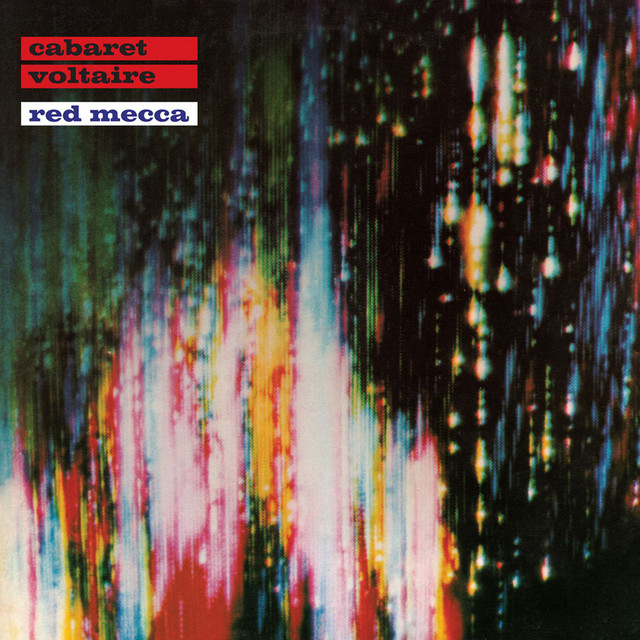
6. Red Mecca
The Comsat Angels’ 1981 "Red Mecca" stands as a grim, atmospheric pillar of post-punk. Its sound is characterized by a pervasive tension, built from sparse, echoing guitars, a propulsive yet restrained rhythm section, and Nick Pinder's brooding vocals. The pre-digital studio here was used to amplify mood and space, creating vast, desolate soundscapes without relying on overt effects. It’s a masterclass in using sonic austerity to convey profound emotional depth, a darkwave blueprint.
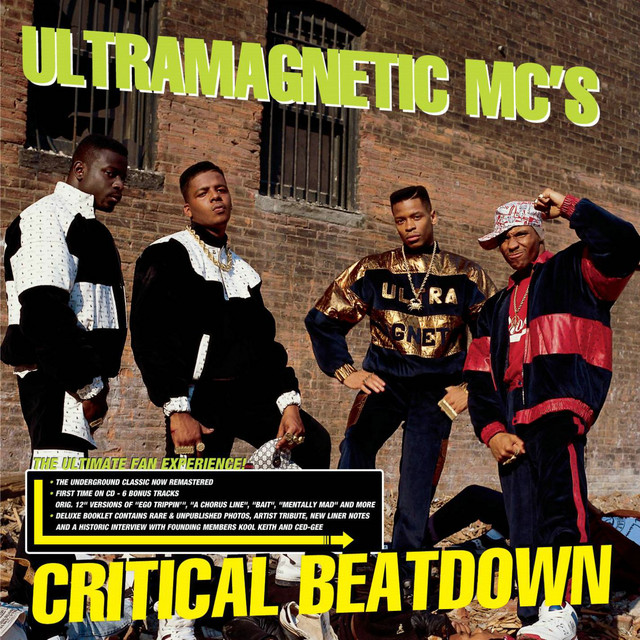
7. Critical Beatdown (Re-Issue)
Ultramagnetic MCs’ 1988 "Critical Beatdown" was a seismic event in early rap, entirely rooted in the gritty, pre-digital production ethos of the era. The Bomb Squad's meticulous, sample-heavy sound, crafted on Akai S900s and SP-1200s, created dense, intricate sonic collages that felt both chaotic and hyper-precise. It showcased an unparalleled mastery of analog sampling, laying complex rhythmic patterns and vocal dexterity that pushed hip-hop's boundaries, predating the digital sheen that would soon follow.