1. Homicide: Life on the Street
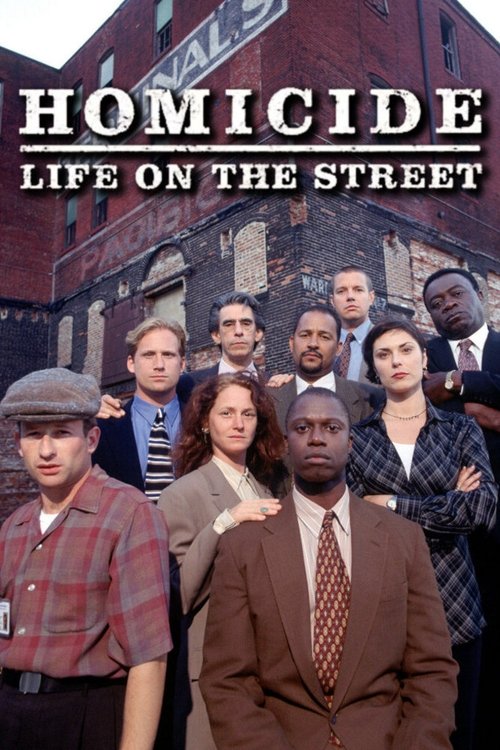
This one came out swinging, showing network TV could be more than just episodic procedural. Barry Levinson's cinematic eye and a killer ensemble cast brought a raw, street-level authenticity to the police drama. It wasn't always easy to watch, but its willingness to let cases linger and characters evolve laid groundwork for deeper, serialized storytelling. Before "prestige" was even a buzzword, *Homicide* was doing it.
2. The Larry Sanders Show
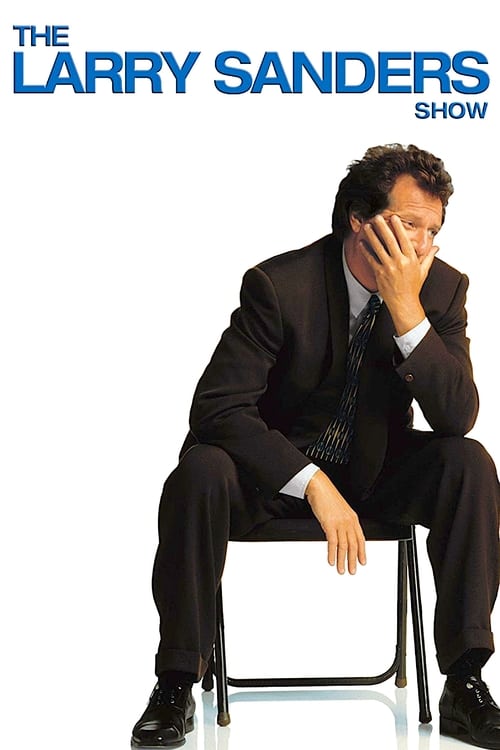
HBO really started pushing boundaries with *Larry Sanders*. It wasn't just a sitcom; it was a painfully real, often uncomfortable, mockumentary look behind the curtain of late-night television. The style felt fresh, letting the ensemble shine in ways network shows couldn't. It proved that deeply flawed, insecure characters could carry a show, and that cable was the place for sharper, less compromised comedy.
3. Oz
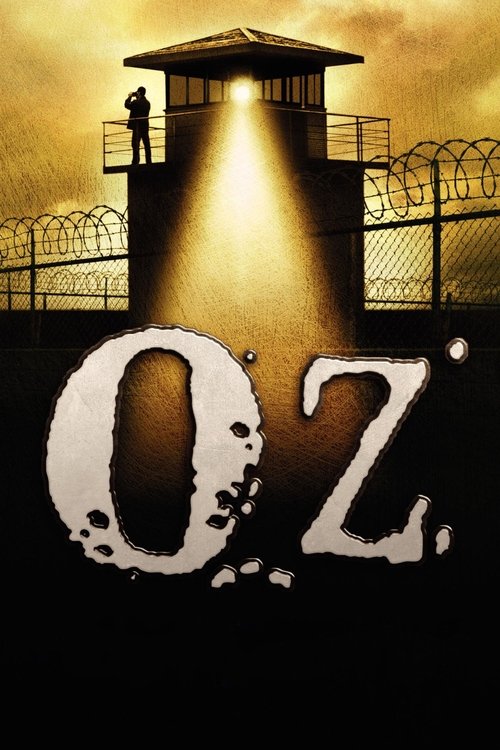
*Oz* wasn't just a show; it was an experience, and frankly, a shock to the system. HBO went full throttle here, proving cable could deliver raw, serialized drama that network TV wouldn't touch with a ten-foot pole. The brutal ensemble storytelling, set within the experimental unit of a prison, pushed boundaries on violence, sexuality, and moral ambiguity, laying a foundation for truly adult television. It was intense, to say the least.
4. The Shield
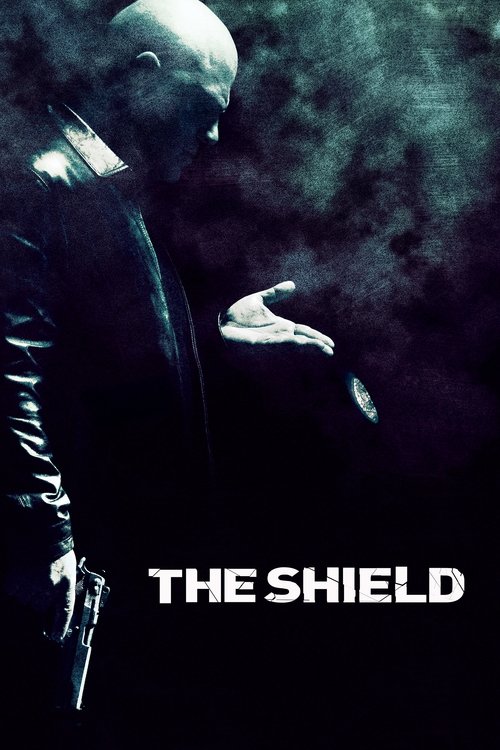
FX stepped up with *The Shield*, delivering an anti-hero cop drama that felt genuinely revolutionary. Vic Mackey wasn't just flawed; he was often the villain. This show embraced serialized storytelling, forcing viewers to confront complex moral questions over seasons, not just episodes. Its hand-held, gritty aesthetic and no-compromise approach solidified cable's role in delivering prestige, unflinching drama long before everyone else caught on.
5. Carnivàle
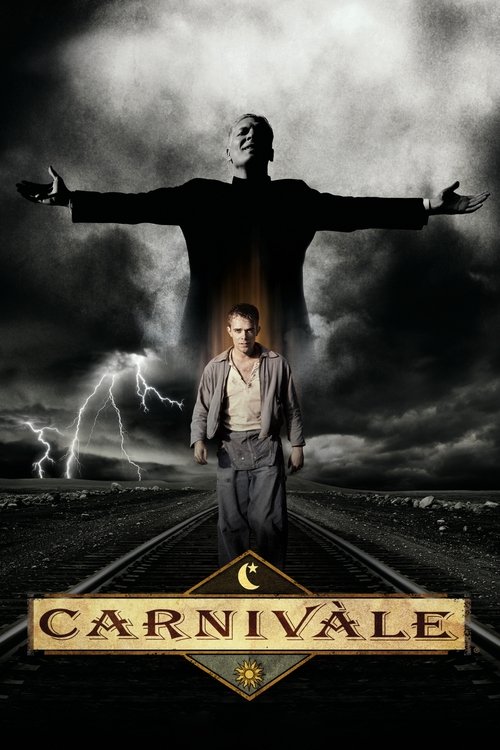
*Carnivàle* was HBO throwing everything at the wall visually. It was ambitious, slow-burn, and absolutely stunning to look at, like a feature film stretched across multiple seasons. The dense mythology and atmospheric depression-era setting proved that audiences were ready for serialized storytelling that demanded patience and rewarded attention to detail. It truly felt like a big-screen experience migrating to the small screen.

6. Dead Like Me
Showtime found its own niche with *Dead Like Me*, a quirky dark comedy about grim reapers. It had this distinct voice, a blend of morbid humor and genuine heart, and its serialized exploration of death and existentialism was a departure from typical network fare. The ensemble cast was great, bringing a unique, off-kilter charm to a show that proved cable could take big swings with unusual concepts.
7. Party Down
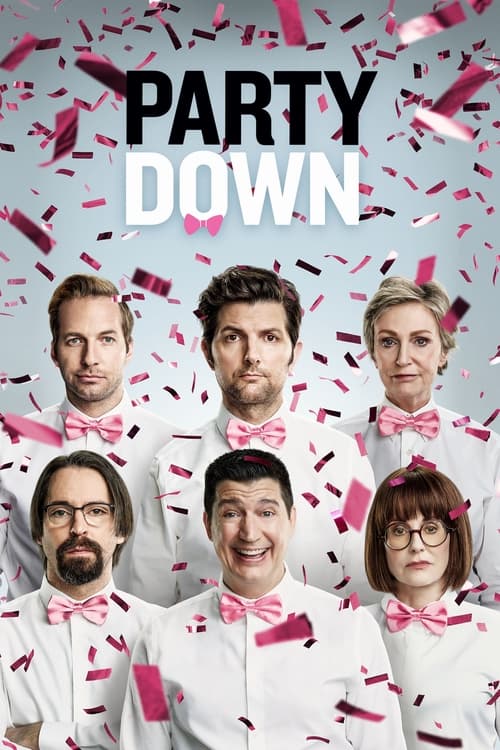
*Party Down* was a gem that probably deserved more attention. Starz gave us this sharply written, often cringingly funny look at aspiring Hollywood types stuck catering parties. While not strictly a mockumentary, its single-camera, character-driven style and ensemble dynamics felt like a spiritual successor to that smart, grounded cable comedy. It's a masterclass in making failure both hilarious and deeply relatable.
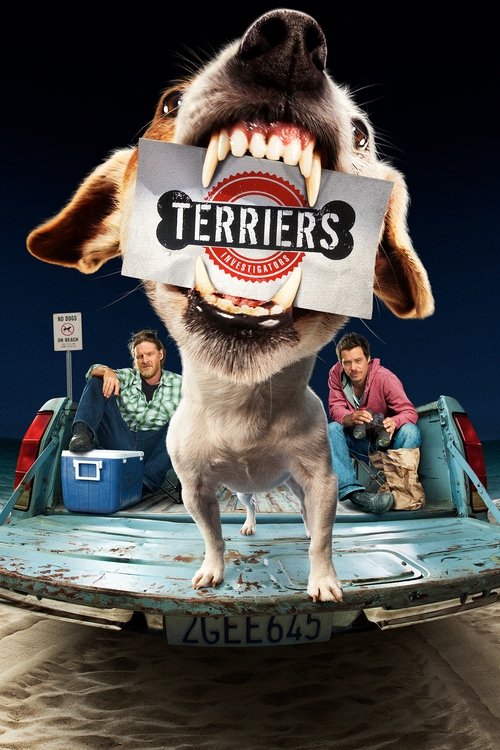
8. Terriers
*Terriers* is the definition of a show ahead of its time, a genuine tragedy it only got one season on FX. It was this perfect blend of buddy-detective procedural and serialized character drama, shot with a cinematic warmth that made you feel the Southern California sun and the characters' weary desperation. It proved that deeply flawed, human stories could be both compelling and utterly heartbreaking.
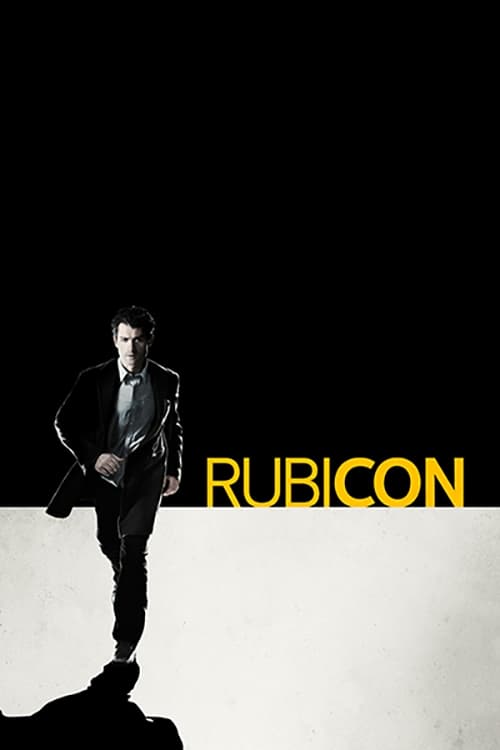
9. Rubicon
AMC, riding high on its early successes, tried something different with *Rubicon*. This was pure, unadulterated slow-burn television, a meticulously crafted conspiracy thriller that demanded your full attention. It wasn't about explosions; it was about paranoia, quiet intelligence, and the creeping dread of hidden forces. It showed that prestige TV could be cerebral, patient, and deeply atmospheric, even if it didn't always grab big ratings.