

1 / 11
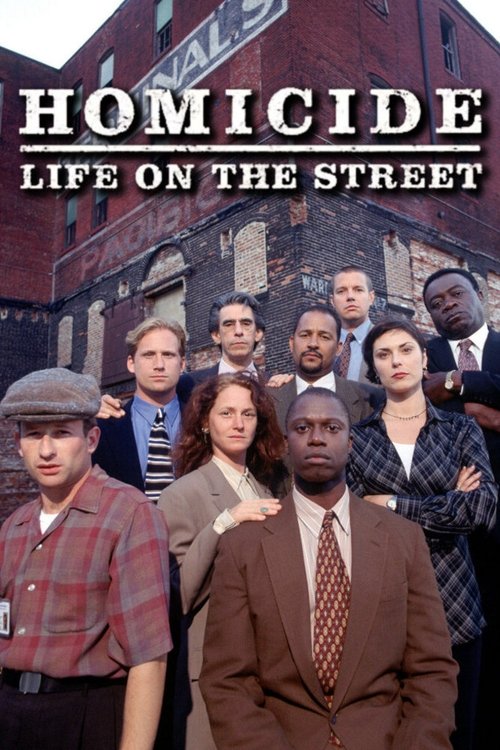
1. Homicide: Life on the Street
Before everyone was talking about 'prestige TV,' there was *Homicide*. This show didn't just tell crime stories; it immersed you in the grimy, frantic world of Baltimore detectives. Its shaky cam, overlapping dialogue, and raw performances felt revolutionary, like a feature film had crash-landed on network television. It proved that audiences were ready for complex characters and unresolved tensions, laying groundwork for the serialized dramas that followed.
2 / 11
2. The State
MTV wasn't just music videos anymore; it was also *The State*. This sketch comedy troupe brought a fresh, often bizarre energy that felt perfectly tailored for a generation tired of predictable sitcoms. Their absurd characters and non-sequitur humor, often delivered with a knowing wink, showcased a different kind of comedic intelligence. It was a chaotic, creative burst that proved comedy could be smart, weird, and utterly unforgettable, far removed from the mainstream.
3 / 11
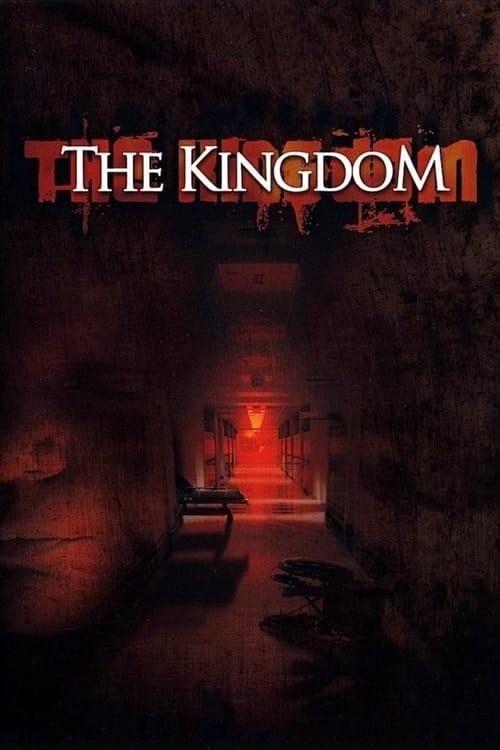
3. The Kingdom
Lars von Trier brought us *The Kingdom*, and it was unlike anything on television. This Danish miniseries, set in a haunted hospital, was a masterclass in unsettling atmosphere and black humor. Its raw, almost documentary-like aesthetic, coupled with a truly bizarre narrative, proved that TV could be as artistically daring and intellectually challenging as arthouse cinema. It was a potent, early example of how international productions could push boundaries for a global audience.
4 / 11

4. NewsRadio
*NewsRadio* showed how a traditional multi-camera sitcom could still feel incredibly fresh and smart. The genius was in its ensemble cast and rapid-fire, witty dialogue. This wasn't just jokes; it was character-driven humor that elevated the workplace comedy. It proved that network sitcoms didn't have to talk down to their audience, crafting intricate comedic scenarios with a cast that had undeniable chemistry. It felt ahead of its time.
5 / 11
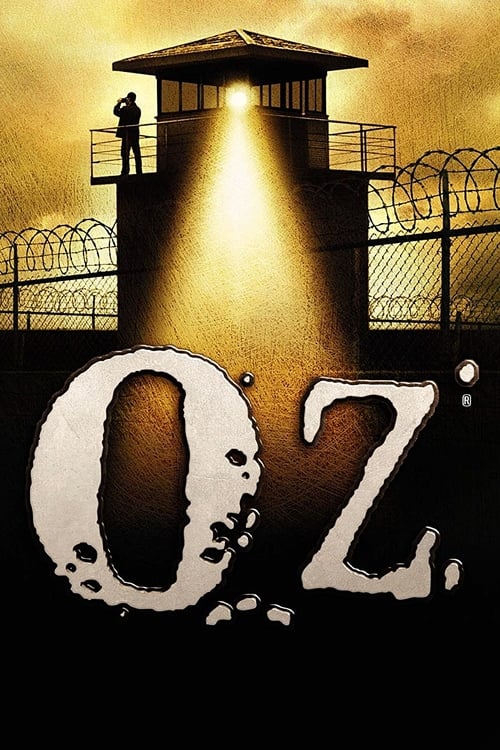
5. Oz
HBO truly arrived with *Oz*. This was television unleashed, a brutal, uncompromising look inside a maximum-security prison. It redefined what cable could do, pushing boundaries with its graphic violence, nudity, and morally ambiguous characters. *Oz* wasn't afraid to make you deeply uncomfortable, forcing you to confront the ugliness of human nature. It was serialized storytelling at its most visceral, proving that premium cable meant no holds barred.
6 / 11
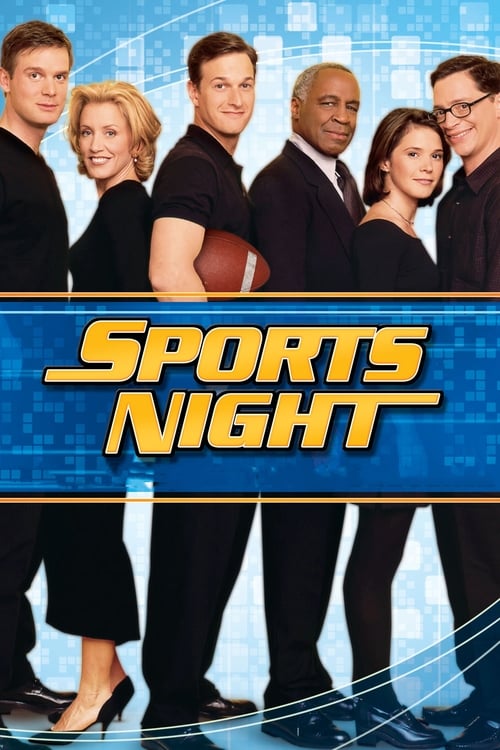
6. Sports Night
Before *The West Wing*, Aaron Sorkin's distinct voice echoed through *Sports Night*. This show perfected the 'walk and talk' and rapid-fire, intelligent dialogue that became his signature. It wasn't just about sports; it was about the ethical quandaries and personal lives behind the broadcast. It blended comedy and drama seamlessly, showing that smart writing and principled characters could still make for compelling, emotionally resonant television, even when discussing game highlights.
7 / 11
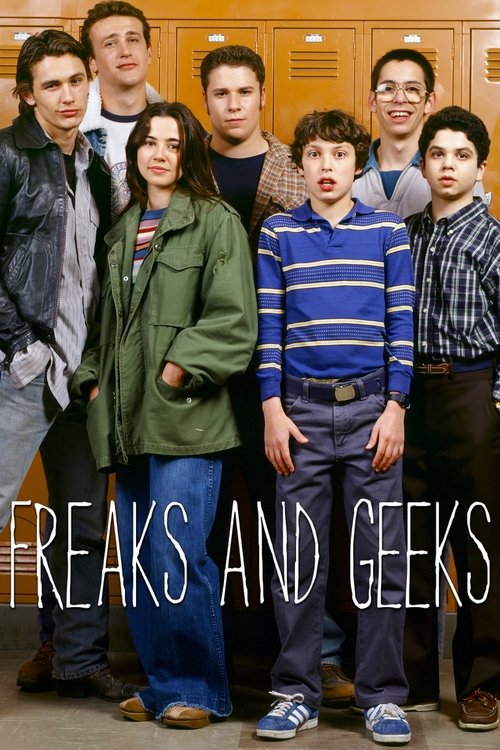
7. Freaks and Geeks
*Freaks and Geeks* was a revelation, a single-camera comedy-drama that captured the excruciating awkwardness of high school with brutal honesty. It avoided typical sitcom tropes, instead presenting messy, relatable characters navigating adolescence. Though short-lived, its impact was immense, proving that authenticity and understated humor could resonate deeply. It cultivated a cult following and launched careers, setting a new standard for coming-of-age stories on television.
8 / 11
8. Six Feet Under
Alan Ball's *Six Feet Under* confronted mortality head-on, starting each episode with a death and exploring its ripple effects on the Fisher family. It was a profound, often darkly humorous, and deeply emotional exploration of life, loss, and legacy. HBO again allowed for incredible character depth and thematic complexity, blending surrealism with grounded family drama. It cemented the idea that television could handle existential questions with grace and unflinching honesty.
9 / 11
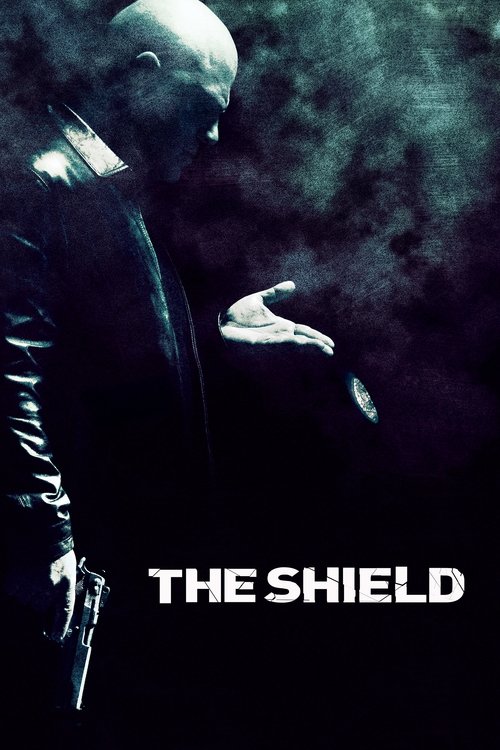
9. The Shield
FX threw down the gauntlet with *The Shield*, a crime drama that introduced television to Vic Mackey, an anti-hero who made Tony Soprano look like a choir boy. It explored the blurred lines of justice and corruption within an elite police unit, delivering visceral action and complex moral dilemmas. This show proved that basic cable could produce deeply serialized, character-driven dramas just as compelling and gritty as premium networks. It was intense, provocative, and utterly captivating.
10 / 11
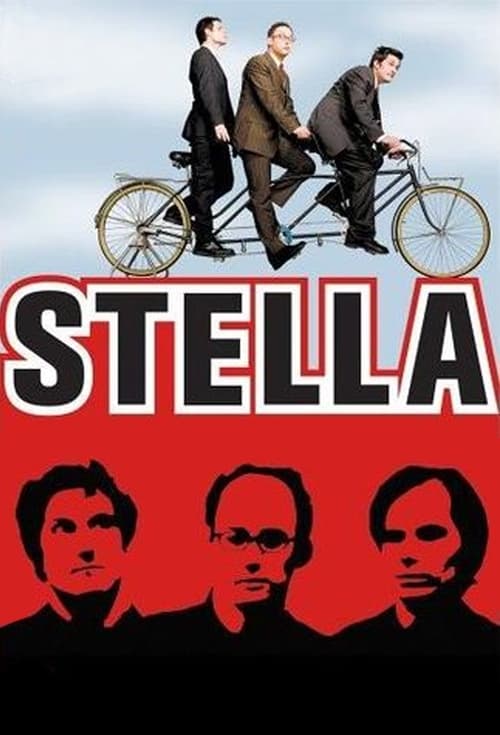
10. Stella
From the minds behind The State, *Stella* brought their signature absurdism to Comedy Central. This was smart, often surreal, sketch-adjacent comedy wrapped in a loose narrative about three childlike adults in New York. It built on their popular short films, showing how creators could leverage early web content into a TV series. It was niche, quirky, and brilliant for those who appreciated its unique brand of sophisticated, silly humor.
11 / 11
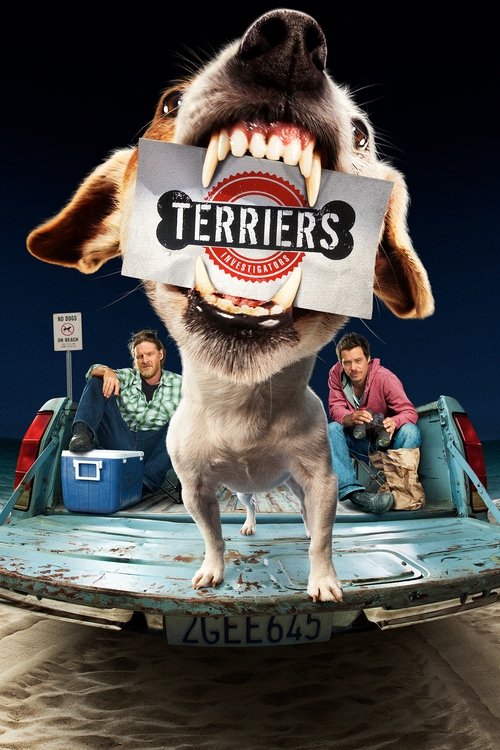
11. Terriers
*Terriers* was a gem, a neo-noir detective series about two unlicensed private investigators in San Diego. It had phenomenal writing and incredible chemistry between its leads, crafting a character-driven story that felt both grounded and cinematic. Though tragically short-lived, it quickly became a critical darling, often discovered later through on-demand services. It was a testament to how quality storytelling, even if overlooked initially, could find its audience eventually.