
1 / 7

1. Black God, White Devil
Glauber Rocha's foundational Cinema Novo film is a scorching, allegorical journey through Brazil's arid sertão. It confronts the brutal realities of poverty, religious fanaticism, and land ownership, framing them within a stark, almost mythical landscape. The film's raw, visceral energy and its political urgency remain potent, a testament to its radical aesthetic and unwavering critique of societal structures. It's a challenging, vital piece of world cinema.
2 / 7
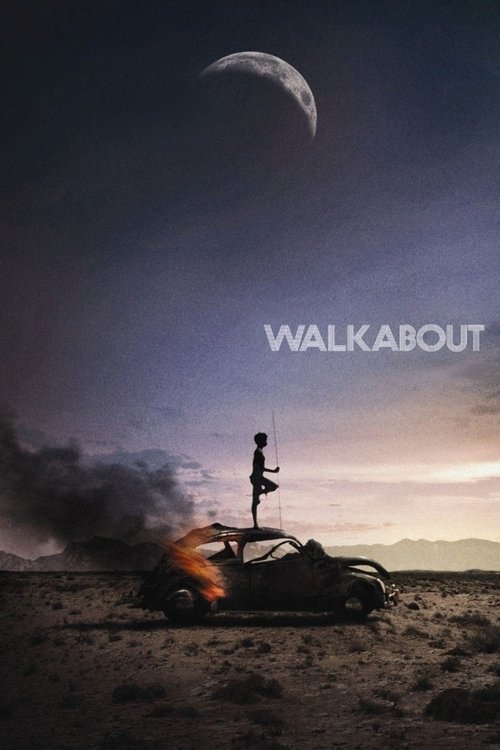
2. Walkabout
Nicolas Roeg’s mesmerizing exploration of cultural collision unfolds in the vast, indifferent Australian outback. Two lost British siblings are saved by an Aboriginal boy on his walkabout, creating a silent, profound dialogue between civilization and nature. The film is visually stunning, almost hypnotic, as it contrasts innocence with experience, and the artificiality of Western life with the primal rhythms of the land. Its themes of alienation and connection resonate deeply.
3 / 7
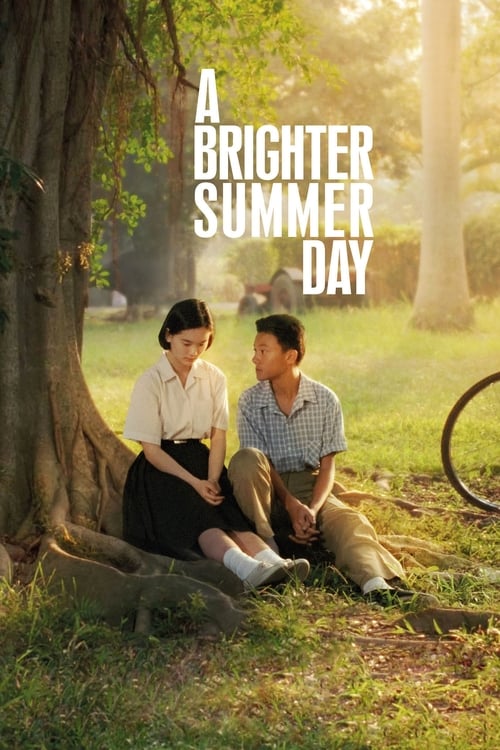
3. A Brighter Summer Day
Edward Yang's epic, four-hour masterpiece transports us to 1960s Taipei, chronicling the lives of a disaffected teenager and his gang amidst political uncertainty and cultural flux. It's a sprawling, intimate portrait of youth, identity, and the lingering shadows of history. Yang masterfully weaves together countless characters and subplots, creating a rich tapestry that feels both deeply personal and universally resonant, a true benchmark in Taiwanese cinema.
4 / 7

4. Valerie and Her Week of Wonders
Jaromil Jireš crafts a surreal, dreamlike fable from Czechoslovakia, following a young girl's unsettling journey through the threshold of puberty. This avant-garde horror-fantasy is less about narrative and more about atmosphere, a collection of beautiful, disturbing vignettes steeped in Freudian symbolism and gothic imagery. It's an intoxicating, often opaque experience, a visual poem that explores innocence lost and the burgeoning sensuality of adolescence.
5 / 7
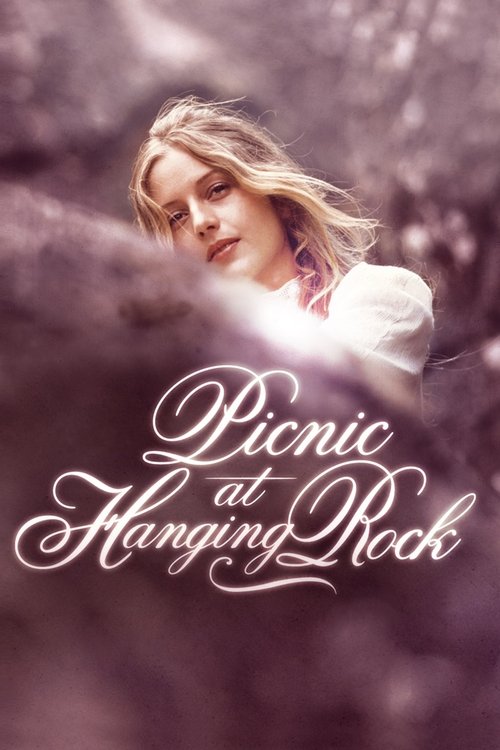
5. Picnic at Hanging Rock
Peter Weir's atmospheric mystery is an enduring classic of Australian cinema, depicting the inexplicable disappearance of schoolgirls during an outing in 1900. The film eschews conventional explanations, instead immersing viewers in a palpable sense of unease and the unsettling power of the untouched landscape. Its beauty is intertwined with a profound, almost cosmic dread, questioning the veneer of civilization against the ancient, indifferent wild.
6 / 7
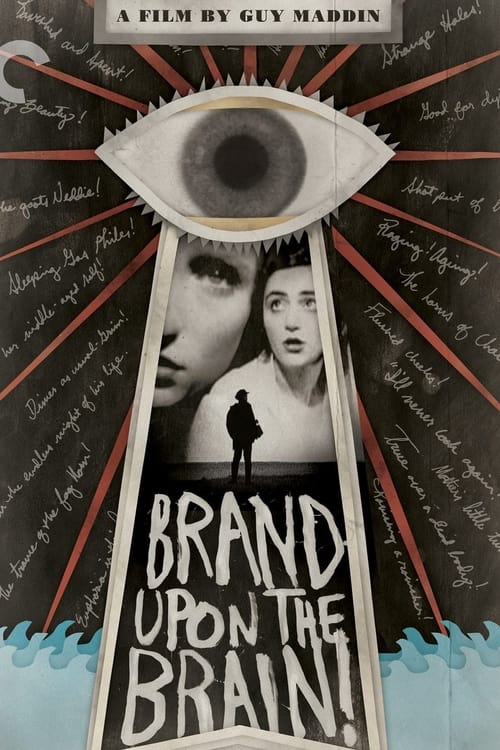
6. Brand Upon the Brain!
Guy Maddin's unique, silent-film-inspired melodrama is a fever dream of Freudian psychology and gothic camp. Narrated with a live score and voice performance in its original presentation, it follows Guy, who returns to his childhood island lighthouse home, run by his eccentric, scientist parents. The film is a visually audacious, darkly comic, and deeply personal exploration of memory, trauma, and the bizarre nature of family.
7 / 7
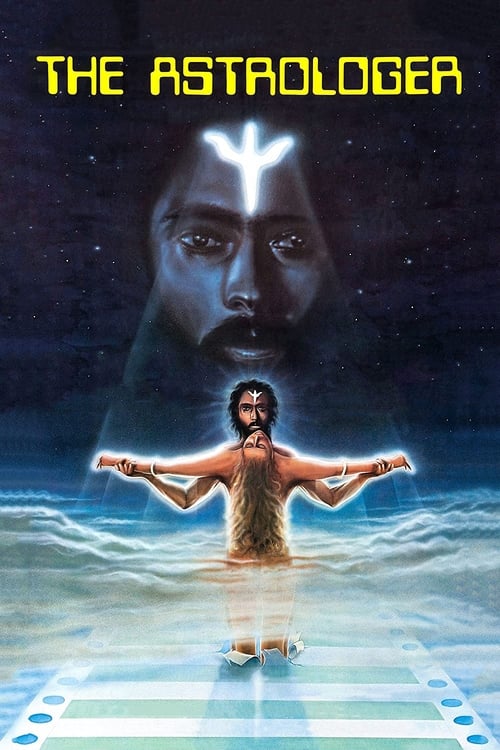
7. The Astrologer
This obscure, self-funded curiosity from director James Glickenhaus is a fascinating, if flawed, relic of 1970s independent filmmaking. It follows a young, cynical astrologer whose predictions surprisingly come true, leading him into a strange world of fame, fortune, and dark consequences. More a cultural artifact than a polished narrative, it offers a peculiar window into the era's fascination with the occult and New Age mysticism, often with a raw, unvarnished charm.