


#1
Cheers
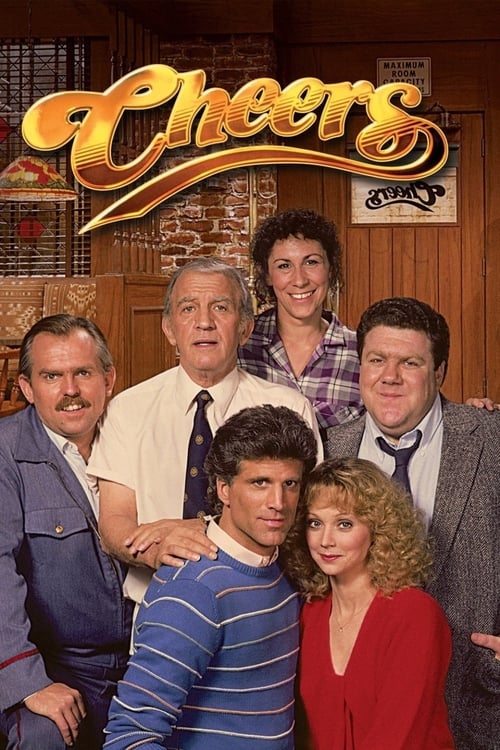
Eleven seasons and not a single structural misfire. The pilot established the gold standard for dynamic ensemble balance, but the real marvel is how the writing room handled cast departures. Losing Diane Chambers after season five would crater an ordinary comedy. Instead, the creative team engineered a pivot to Rebecca Howe that reset the bar's dynamic without breaking stride. By the time Sam turns off the lights in the finale, every multi-year narrative investment feels earned.
2 critics · 5 lists →
#2

Frasier
Spinning off a beloved character usually dilutes narrative stakes, yet Frasier built an even tighter serialized engine. The multi-season Niles and Daphne slow burn remains a benchmark in patient writing. Every May finale functioned like an inflection point, reconfiguring romantic tension and shifting family dynamics across the Crane household. And when the dam finally broke in the season seven closer, the payoff was bulletproof. The writers understood setup and payoff better than almost anyone running television.
#3

Wings
Produced by the Cheers brain trust, this Nantucket terminal sitcom treated its romantic leads with textbook narrative patience. Joe and Helen took years of near-misses and disastrous dates before their mid-series breakthrough, and the scripts let the consequences breathe across whole seasons. Supporting players like Lowell and Antonio grounded the B-plots, keeping the weekly airport rhythm reliable. Each season finale recalibrated the romantic geography of the terminal without sacrificing the relaxed, blue-collar tone that anchored the run.
#4

Black Books
Three series, eighteen episodes, zero narrative dead weight. British sitcoms benefit from tight season orders, but Dylan Moran and Graham Linehan turned brevity into an art form. The shifting power dynamic between misanthropic shopkeeper Bernard, long-suffering assistant Manny, and wine-soaked Fran escalated with surgical precision each run. Finales never relied on cheap resets; they locked the trio into their self-inflicted purgatory with escalating absurdity. You can track character degradation across each six-episode block like a tragicomedy.
#5

Spaced
Before Edgar Wright directed features, he mapped out two immaculate seven-episode seasons with Simon Pegg and Jessica Stevenson. The central conceit of two slackers pretending to be a couple for cheap London rent created constant serialization pressure. Every pop culture riff served character growth rather than empty nostalgia. Both series finales stuck the landing because the emotional stakes mattered as much as the cinematic homages. Tim and Daisy’s unspoken tension resolved with complete narrative honesty.
#6
The Golden Girls
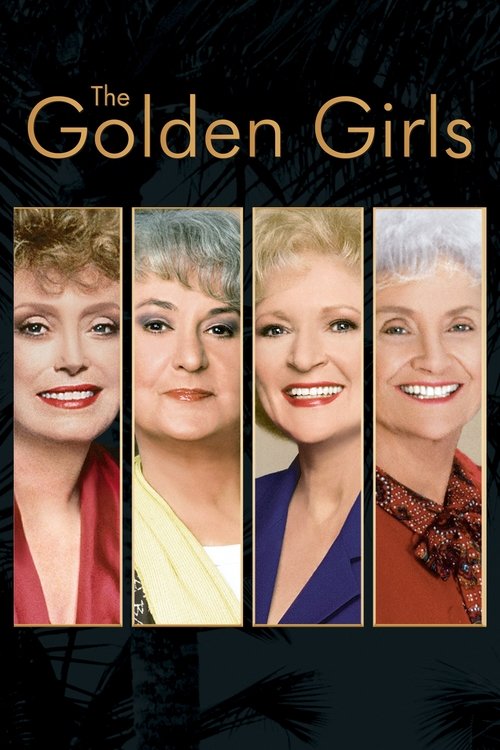
Susan Harris structured this Miami house share around four distinct comedic gears, and the writing team guarded those character boundaries fiercely. While built around episodic kitchen-table talks, the show quietly excelled at seasonal continuity. Romances developed over multi-episode runs, family estrangements carried real baggage, and late-life financial anxiety provided genuine narrative friction. The series finale honored Dorothy’s eventual departure by letting the central female bond fracture emotionally without dissolving, closing seven seasons of remarkably earned character growth.
#7
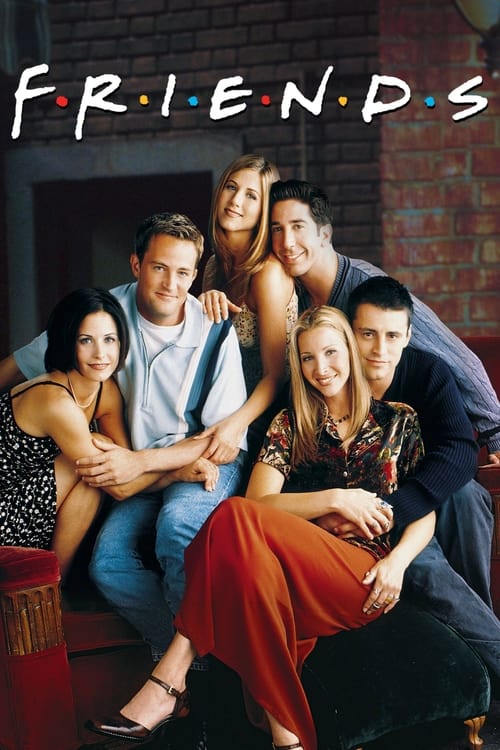
Friends
Say what you want about syndicated overexposure, but few sitcoms managed the May cliffhanger like Friends. From Rachel at the airport to Ross saying the wrong name in London, the writers engineered seasonal climaxes that permanently altered ensemble geometry. The pivot from will-they-won't-they melodrama to Monica and Chandler's clandestine romance in season five stabilized the entire second half of the run. All ten seasons delivered a massive, carefully structured arc about outgrowing your twenties together.
2 critics · 3 lists →
0 / 7