

#1
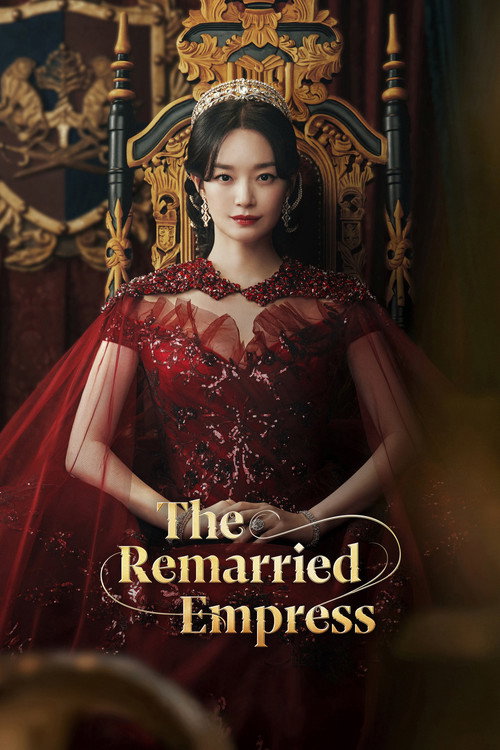
The Remarried Empress
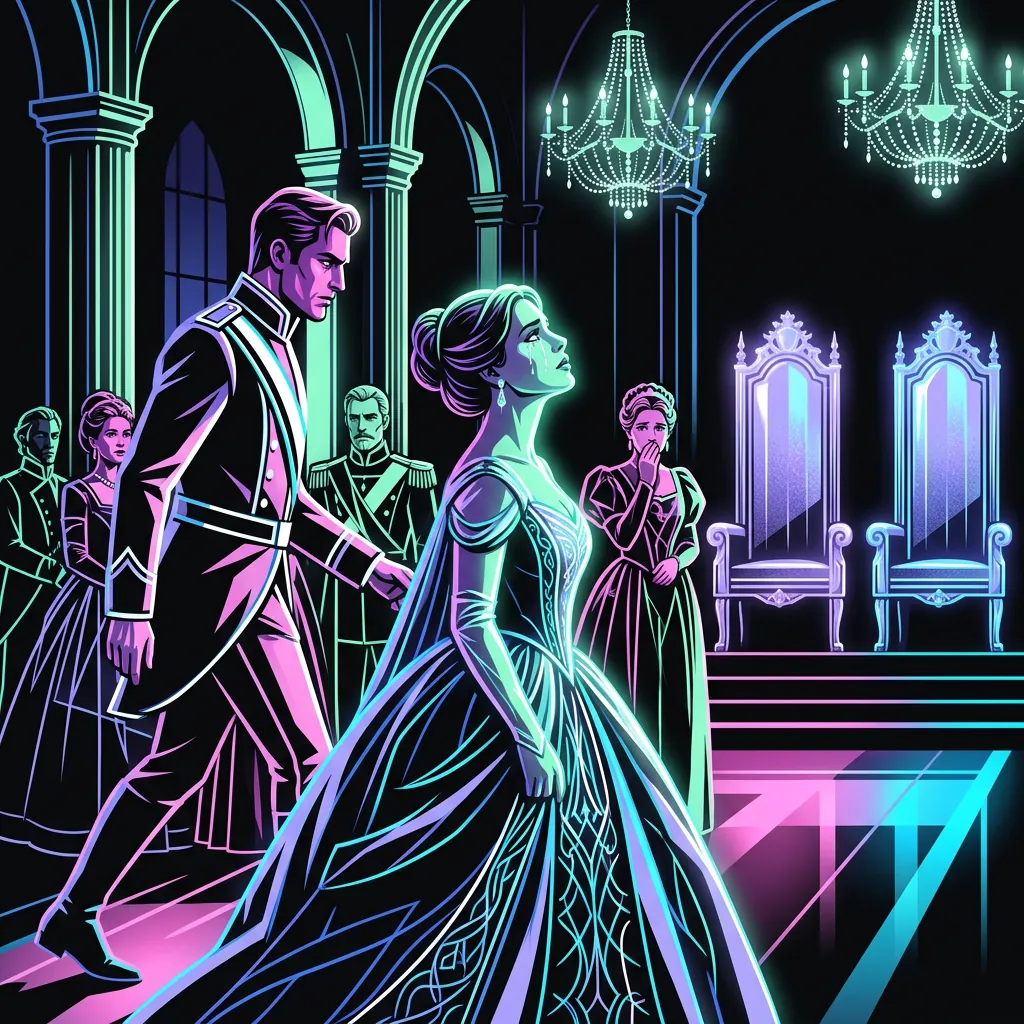
This dropped earlier this November, and it carries the glorious, shameless skeleton of old daytime television. Navier trading an imperial divorce decree for wedding vows with a rival prince feels straight out of William J. Bell’s playbook on The Young and the Restless. The Eastern Empire court protocol is staged with the calculated venom of a 1970s afternoon sweeps week cliffhanger. You get royal decorum weaponized into divorce negotiations, completely unbothered by subtlety. Pure, unapologetic serialized melodrama.
#2
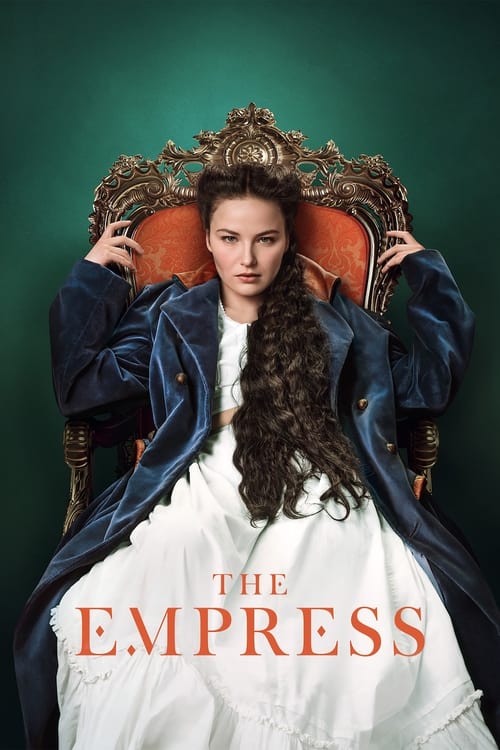
The Empress
Habsburg court misery always reminds me of the golden age of BBC costume serials, back when actors projected to the balcony under incandescent lamps. This German production brings that heavy institutional chill to Elisabeth’s arrival in Vienna. The rigid etiquette feels suffocating, staged with the deliberate slowness of an old Sunday night broadcast. Courtiers whisper behind velvet curtains while institutional pressure crushes private affection. It understands that royal power is basically a soundstage cage with very expensive wallpaper.
#3

The Serpent Queen
Samantha Morton breaks the fourth wall with the dry authority of an old-school variety host steering a runaway broadcast. Catherine de' Medici maneuvers the French Valois court by treating statecraft like backstage union negotiations. She looks right down the lens barrel, stripping away romanticized monarchy with cold pragmatism. The staging recalls the theatrical bite of 1970s British historical drama, where survival meant outtalking the room before the credits rolled. Sharp, acerbic, and completely allergic to royal sentimentalism.
2 critics · 2 lists →
#4

Empresses in the Palace
Seventy-six episodes of sheer, calculated palace warfare. Watching Zhen Huan navigate the Forbidden City brings back the vanished thrill of marathon network syndication, where long-form sagas had time to breathe and simmer. Every tea ceremony and concubine ranking carries fatal stakes. The court intrigue works because it builds its grudges across months of airtime, much like the prime-time soap sagas of the 1980s. Nobody rushes the poisonings; they let the dread develop under cold, unblinking palace lighting.
#5
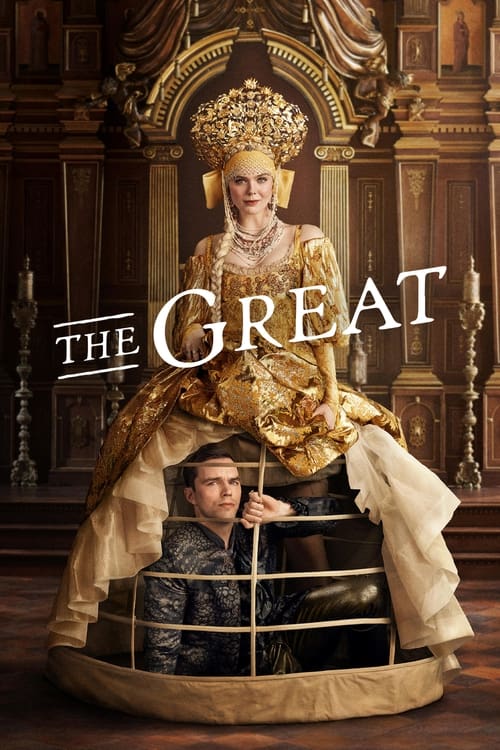
The Great
There is a manic, live-broadcast energy running through this Russian court farce. Elle Fanning and Nicholas Hoult play the imperial marriage like an unruly live sketch from the early satire boom, breaking plates and protocol with equal glee. Palace coups become slapstick routines played under high-key lighting. The historical facts take a back seat to sheer backstage bedlam. It treats monarchy as an absurd variety show where the performers might execute the producer during the commercial break.
2 critics · 6 lists →
#6
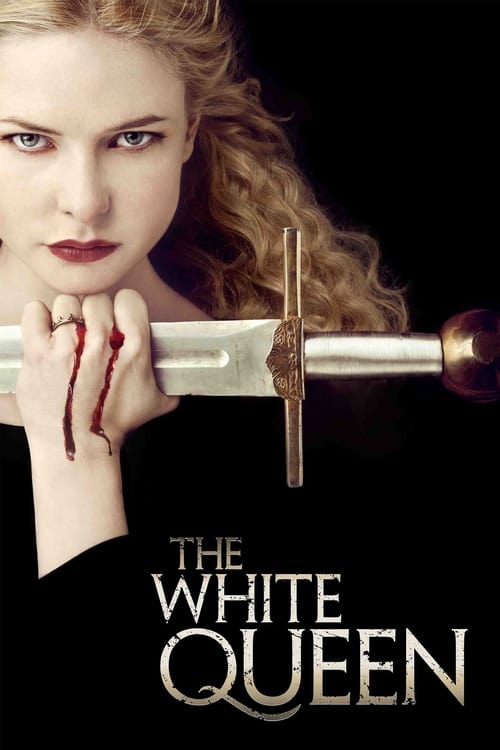
The White Queen
The Plantagenet infighting here captures that classic BBC historical anthology flavor from the early 1970s. Elizabeth Woodville maneuvers through the Wars of the Roses with whispered curses and hard-eyed resolve, framed in stone chambers that smell of theatrical damp. The drama leans into generational curses and quick coronations without losing its stage-bound focus on family ambition. It relies on intense, close-mic dialogue rather than battle scenes, proving royal betrayal works best when actors simply corner each other in drafty hallways.
#7
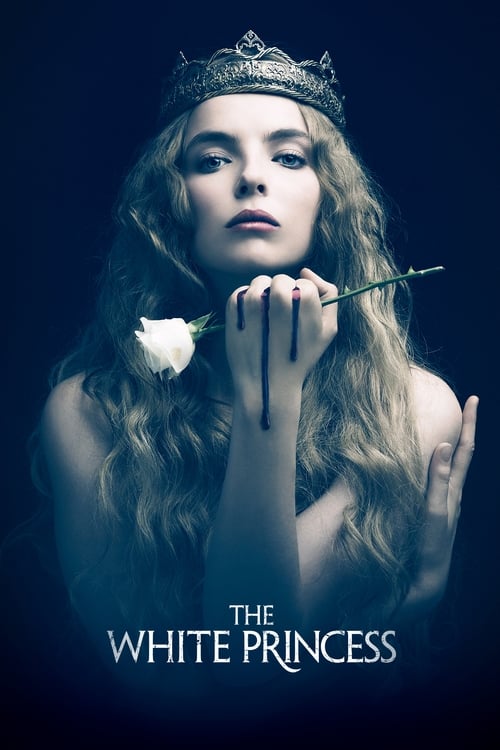
The White Princess
Picking up the York and Tudor wreckage, this chapter plays out like a grim two-hander from an old teleplay anthology. Elizabeth of York and Henry VII treat their arranged marriage as an armed truce, pacing bedchambers like rival boxers waiting for the bell. The suspicion between mothers and daughters-in-law recalls the acid-tongued matriarchs of classic daytime drama. Everything happens in hushed, candlelit rooms where survival requires smiling while your spouse monitors your every breath. Gripping, claustrophobic television.
#8

The Last Empress
South Korean makjang at its most delightfully unhinged. Setting a royal court in modern Seoul allows for car chases, secret cameras, and mother-in-law poison plots straight out of prime-time 1980s excess. The pacing refuses to breathe; every act break feels designed to make viewers drop their TV dinners. It possesses the fearless, over-the-top conviction that made classic night-time serials essential viewing. Characters cheat death, scream in imperial gardens, and weaponize palace security monitors with spectacular, operatic melodrama.
#9
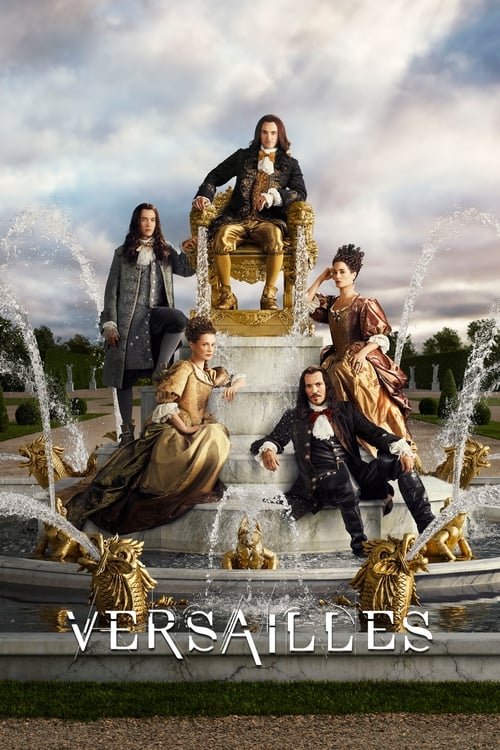
Versailles
Louis XIV understood television production centuries before cathode-ray tubes existed: keep your enemies trapped on your soundstage where you control the spotlights. This French-produced epic treats the construction of Versailles as the ultimate vanity broadcast. Nobility squirm under royal surveillance, trading powdered wigs and lethal concoctions to catch the king’s eye. The gilded halls feel suffocatingly artificial, reminiscent of lavish mid-century studio epics where extravagant art direction served to disguise brutal, small-room political executions. Opulent, cynical, and wonderfully theatrical.
0 / 9