
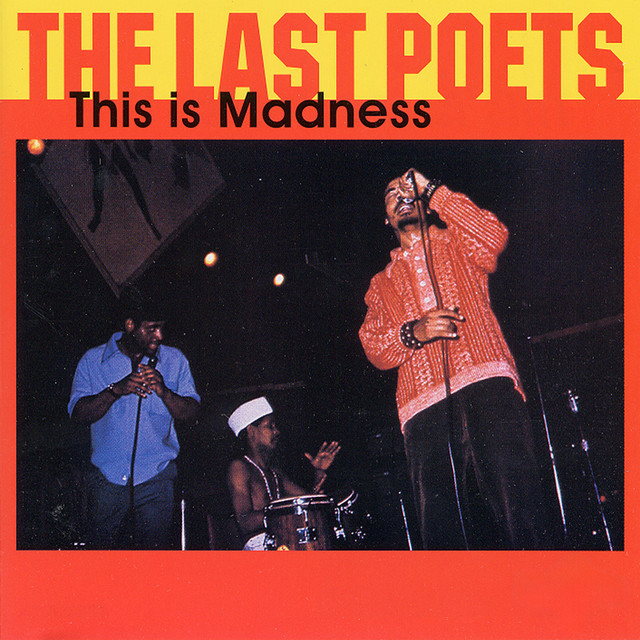
1. This Is Madness
This isn't just music; it's a primal scream, a rhythmic declaration from the streets. Recorded in '71, it showcases raw, uncompromising spoken word layered over sparse, percussive backdrops. The pre-digital studio environment amplifies its urgency, every mic placement, every tape hiss, a testament to its authenticity. It's a foundational text for what would become rap, an identity forged in protest and rhythmic truth, not synthesized beats.

2. Looking Thru
Ah, The System. By '83, they had truly mastered the LinnDrum and the burgeoning polyphonic synth. "Looking Thru" epitomizes that smooth, sophisticated boogie-funk sound, a bridge between disco's extravagance and house music's stripped-down grooves. The production is pristine, yet warm, a testament to pre-digital mixing boards coaxing maximum impact from those newfangled machines. It’s identity built on rhythmic precision and melodic hooks.

3. Hérésie
This record from '89 is a stark, almost brutalist sonic architecture. It's deeply rooted in the cold, industrial textures emerging from the European scene, melding post-punk's angularity with the burgeoning darkwave aesthetic. The analog synthesis and raw drum machines create an oppressive, yet oddly compelling, atmosphere. It's an identity carved from dissonance and desolation, utterly uncompromising in its grim vision, a testament to the power of deliberate sonic bleakness.

4. AURA (feat. pH-1)
Miles Davis, even late in his career, refused to stand still. *Aura*, from '89, is a grand, orchestral jazz-fusion statement, a complex tapestry woven with European classical influences and his inimitable trumpet voice. Recorded with a full orchestra, the analog warmth and depth of the production are palpable, allowing every nuanced arrangement to breathe. It’s an audacious display of an artist constantly reinventing, pushing boundaries, and asserting a singular, unyielding musical identity.
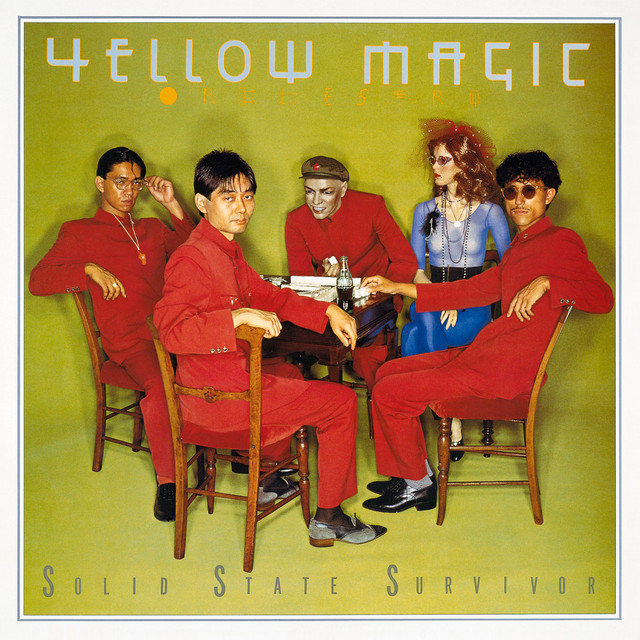
5. Solid State Survivor
Yellow Magic Orchestra's '79 masterpiece is a sonic blueprint for the future. This album, brimming with catchy synth-pop melodies and groundbreaking electronic rhythms, showcased the potential of synthesizers and sequencers as primary instruments. The meticulous pre-digital production gave it a clean, almost antiseptic sheen, yet it pulsed with undeniable human groove. They weren't just playing machines; they were building a new musical vernacular, entirely their own.

6. Fireside Favourites
The Pop Group's '79 debut is a visceral, confrontational blast. It took the angularity of punk, infused it with avant-garde jazz and funk rhythms, and then distorted it through a lens of social unrest. The raw, almost chaotic production captures their live energy, every screeching guitar and agitated bassline screaming authenticity. This wasn't borrowing; it was a deliberate, noisy rejection of convention, forging an identity through sheer, unbridled sonic aggression.

7. Seeing Through Sound (Pentimento Volume Two)
This obscure, yet vital, release from the late '80s delves deep into textural soundscapes. It’s an exercise in sonic layering, where subtle ambient washes meet fragments of art-rock instrumentation, all captured with the rich fidelity of analog tape. The "pentimento" in the title suggests a reveal of underlying structures, a deep listening experience demanding engagement. This isn't background noise; it’s an identity built on meticulous sonic construction and conceptual depth.

8. Melissa
Mercyful Fate's '83 debut, *Melissa*, was a revelation. King Diamond's unparalleled falsetto and the band's intricate, often theatrical, arrangements carved out a unique niche in the burgeoning metal scene. The production, while raw, perfectly conveyed the album's dark, occult atmosphere. This wasn't just heavy metal; it was a distinct, almost operatic, form of early black metal, a menacing identity forged through technical prowess and uncompromising vision.
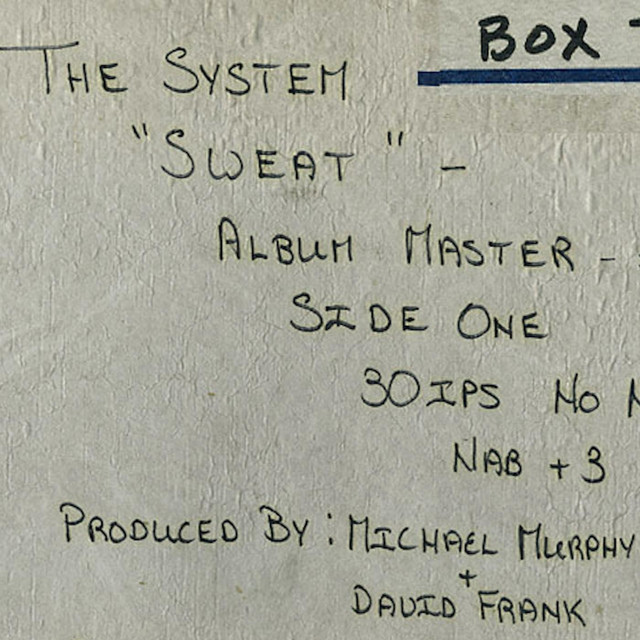
9. Sweat
If "Looking Thru" was the sophisticated cousin, "Sweat" was the undeniable dancefloor anthem, released the same year. The System truly hit their stride here, crafting infectious grooves with their signature blend of synth-basslines, sharp drum programming, and soulful vocals. The pre-digital studio magic ensured a punchy, clear sound that filled any room. It's an identity built on undeniable rhythm and innovative electronic arrangements, pure boogie excellence.
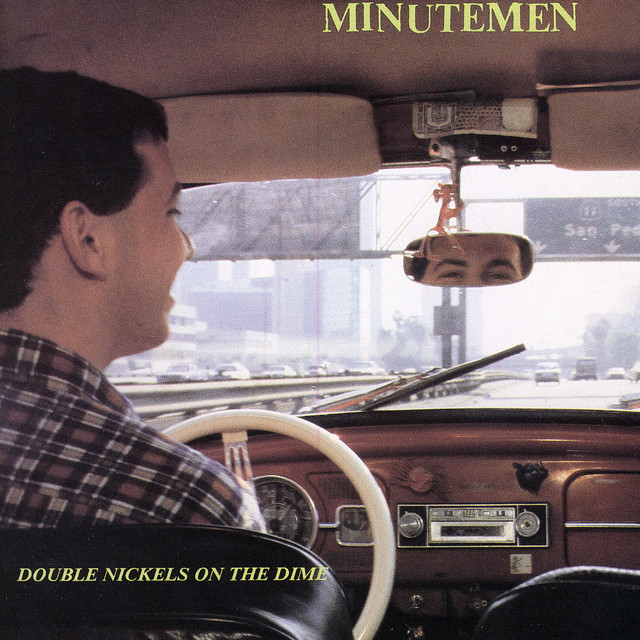
10. Double Nickels on the Dime
Minutemen's '84 magnum opus is a sprawling, audacious statement of post-hardcore identity. Spanning forty-five tracks, it effortlessly blends punk's brevity with jazz's improvisation and funk's groove, all filtered through D. Boon's distinctive guitar work. The raw, unfiltered production captures their unique, restless energy. This wasn't merely a collection of songs; it was a meticulously crafted, yet wildly eclectic, worldview committed to tape, proving identity is truly built, not borrowed.