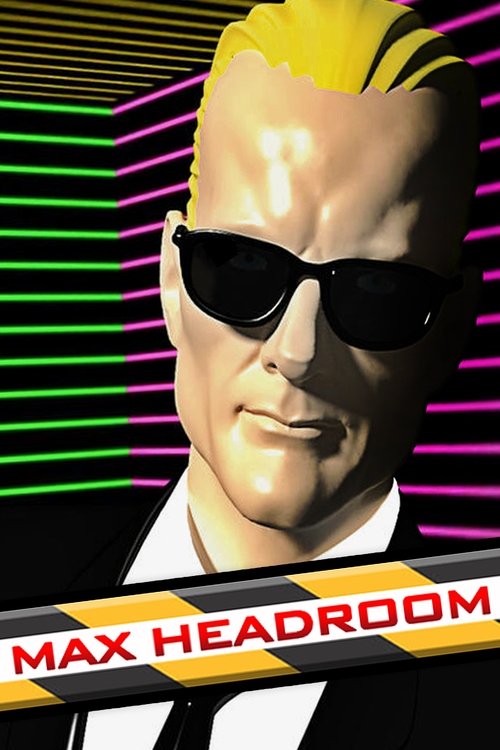
1. Max Headroom
Max Headroom was a glitch in the system, a neon-soaked cyberpunk nightmare that felt like it was beamed straight from a pirate satellite. And really, that's what made the 1987 series so potent. He was this stammering, artificial intelligence, trapped in a consumer-driven dystopia, critiquing it with every pixelated twitch. The show pioneered those trippy analog video effects, blurring the line between reality and the screen, making you question what was even real anymore. It was chaotic, brilliant, and way ahead of its time.
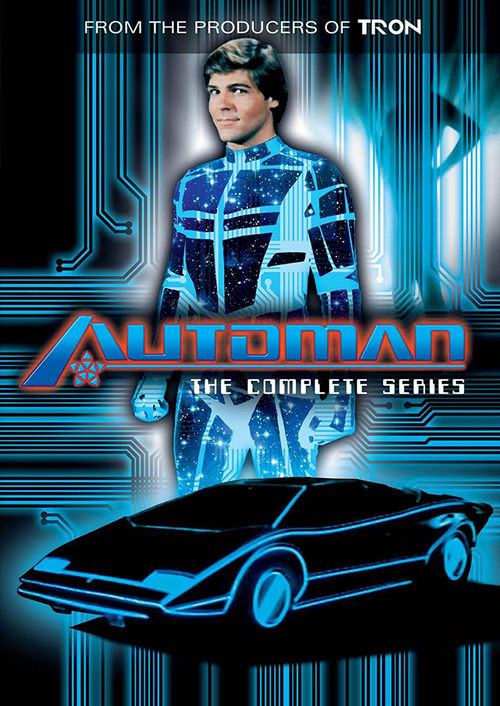
2. Automan
Oh, Automan. This was 1983 trying its absolute hardest to do computers on TV. It was pure, unadulterated early-80s tech fantasy, with a digital crime fighter who could manifest a glowing supercar and a sidekick helicopter out of thin air. The vector graphics effects were primitive, sure, but they had a certain hypnotic charm, a raw, experimental vibe that screamed 'future!' And that light-trail car chase? Pure pop art. It never quite found its audience, but it burned bright with its own weird, neon logic.
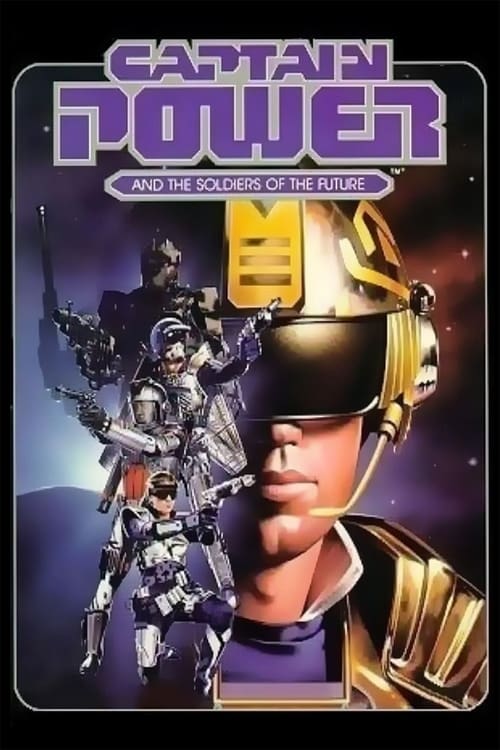
3. Captain Power and the Soldiers of the Future
Captain Power, man, that show was *dark* for 1987. It was a post-apocalyptic war zone where humans fought sentient machines, blending live-action with some seriously ambitious, if clunky, CGI for the enemy robots. But the real kicker was the toy line – you could shoot at the screen! That kind of proto-interactive TV was wild, blurring the line between passive viewing and active participation. It felt gritty, hopeless, and utterly unique, even with its Saturday morning cartoon veneer. A cult classic built on ambition and bleak futures.
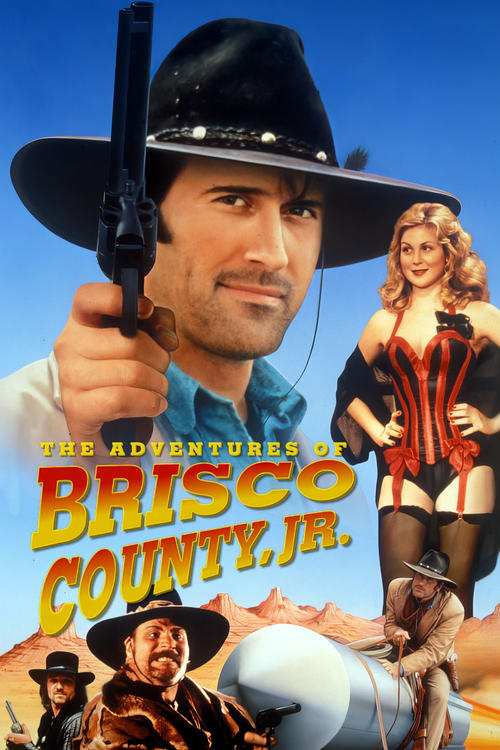
4. The Adventures of Brisco County, Jr.
Bruce Campbell in a sci-fi western? Absolutely. This 1993 gem was a wild, genre-bending ride, mixing cowboys and aliens with a heavy dose of quirky humor. It was smarter than it had any right to be, with a serialized mythology that hinted at bigger things. The practical effects and oddball gadgets felt right out of an old B-movie, giving it a charming, lo-fi appeal. And Campbell? He owned that role, making Brisco County Jr. an instant cult hero. It was too weird for prime time, and that's why we loved it.

5. Forever Knight
This 1992 show was pure, unadulterated urban goth. A centuries-old vampire cop, tormented by his past, solving crimes in Toronto's grimy underbelly. It had that quintessential early-90s syndicated vibe: dark, moody, and surprisingly serialized for its time slot. The flashbacks to his vampiric origins were pure soap-operatic maximalism, adding layers of angst and melodrama. It was a brooding, blood-soaked procedural that leaned hard into its supernatural elements, paving the way for so much that came after. A true creature of the night.

6. The Hitchhiker's Guide to the Galaxy
Before the movies and the radio plays, there was the 1981 BBC series, a perfectly peculiar adaptation that embraced its low-budget constraints. It was an exercise in surreal visual storytelling, using early computer graphics and stop-motion animation to bring Douglas Adams' cosmic absurdity to life. The deadpan narration and the psychedelic 'Guide' animations were pure analog experimentalism, blending dry British humor with existential dread. It was utterly unique, a cult classic that proved you didn't need big budgets to create an entire universe, just a towel and a good imagination.