

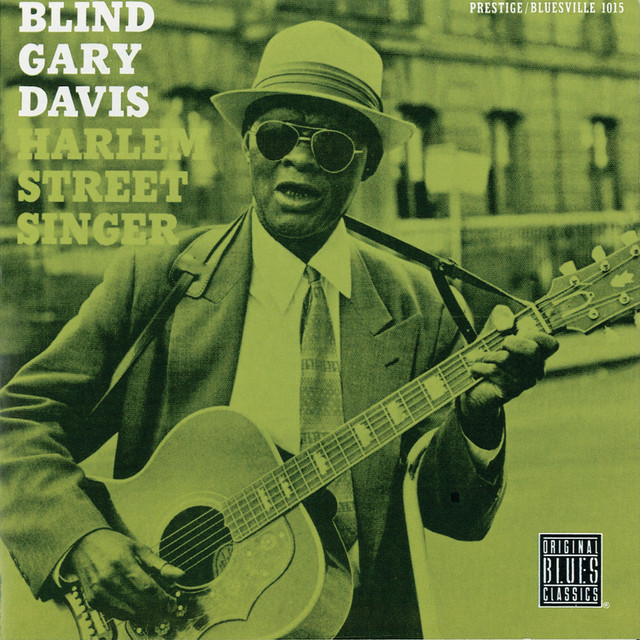
1. Harlem Street Singer
This 1968 self-titled joint, it was a proper mind-bender. They laced psychedelic rock with electronic experimentation before most even knew what that meant. Forget guitars; they were conjuring sounds from oscillators, ring modulators, and primitive synthesizers, crafting a surreal, almost cinematic landscape. It’s got that proto-industrial hum, a challenging listen that still rattles the cage, proving that innovation wasn’t just for the studio boffins but for anyone willing to push boundaries.
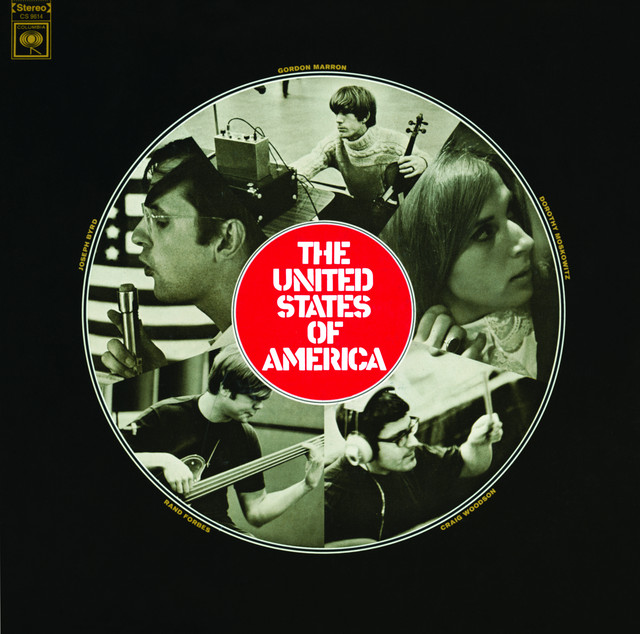
2. The United States Of America
Can’s 1971 krautrock opus, especially in this 2011 remaster, feels like a deep dive into the collective unconscious. The rhythms are a hypnotic, motorik pulse, sprawling and almost ritualistic. Damo Suzuki’s improvisational vocals just drift through the sonic haze, a ghost in the machine. This version cleans up the murk a bit, letting those layers of sound breathe, revealing the sheer audacity and disciplined chaos that defined their early work. It's a sonic journey.
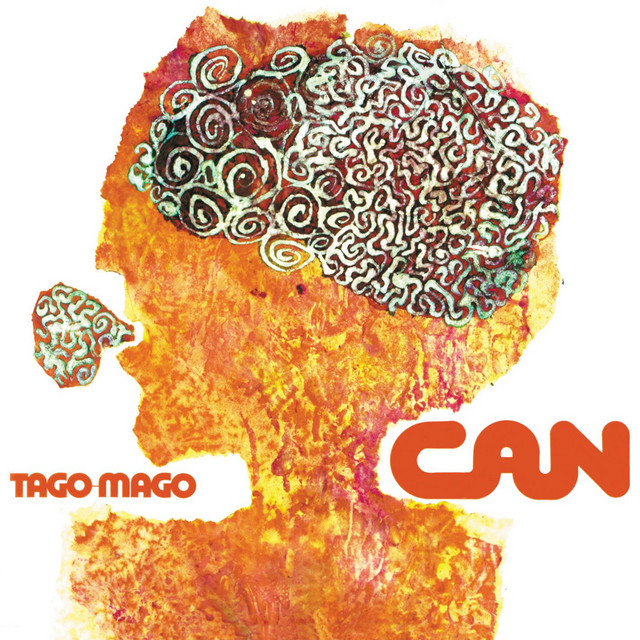
3. Tago Mago (2011 Remastered)
A 2016 soundtrack, this one feels like a calculated grab-bag, a patchwork attempting to project a certain 'attitude.' It’s a far cry from the genuine grit of, say, a 'Superfly' or even the raw energy of early punk compilations. You get a sense of manufactured rebellion, a slick, focus-grouped assemblage rather than something born from genuine street-level urgency. It lacks the visceral punch, the soul-stirring honesty of true foundational sounds, feeling more like a commodity.

4. Suicide Squad: The Album
Cabaret Voltaire’s 1979 debut LP, 'Mix-Up,' was a proper shock to the system. This was Sheffield's industrial pulse, channeled through crude electronics and jagged rhythms. It's got that stark, alienated feel, a cold war between man and machine. You hear the blueprint for future techno, a minimalist aggression that felt utterly new then. Not pretty, but fiercely intelligent and utterly uncompromising, a true post-punk declaration of war on convention and complacency. It still resonates.

5. Mix-Up
This contemporary remix, it’s a curious beast. It's a sonic collage, undoubtedly, but it pulls from so many disparate threads that it risks unraveling. The 'mylancore' element, it's a frantic, almost digital deconstruction, a long way from the purposeful minimalism of early electronic experiments. There’s a chaotic energy, sure, but it’s a different kind of chaos than the controlled explosions of, say, a This Heat. It's more an echo chamber than a fortress.

6. you broke my heart (Hoodtrap / Mylancore Remix)
This Heat's 1981 'Deceit' remains a granite slab of post-punk tension. It’s got an angular, almost martial precision, drums like clockwork bombs ticking down. The atmosphere is thick with dread, a reflection of Cold War paranoia and urban decay. It's not easy listening; it’s a challenging, confrontational record that uses repetition and dissonance to build a formidable, unyielding sonic fortress. Pure sonic architecture, bleak and brilliant, demanding your full attention from start to finish.
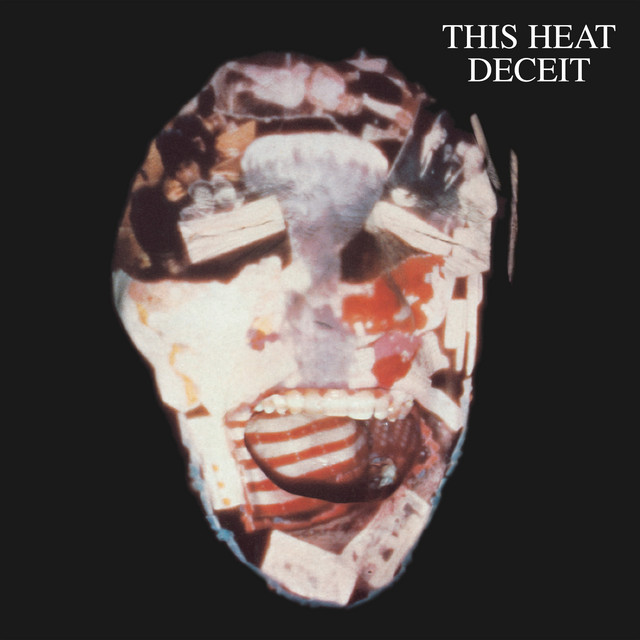
7. Deceit
ESG's 1983 EP is a masterclass in primal groove. Minimalist funk, stripped to its essential rhythmic bones. Basslines that slink and snap, drums that just *compel* you to move, all wrapped in a raw, almost garage-band aesthetic. It’s got that New York post-punk sensibility, an infectious, no-nonsense danceability that still sounds utterly fresh. No frills, just pure, unadulterated, unpretentious rhythm, proving less can be profoundly more in the right hands. A true classic.
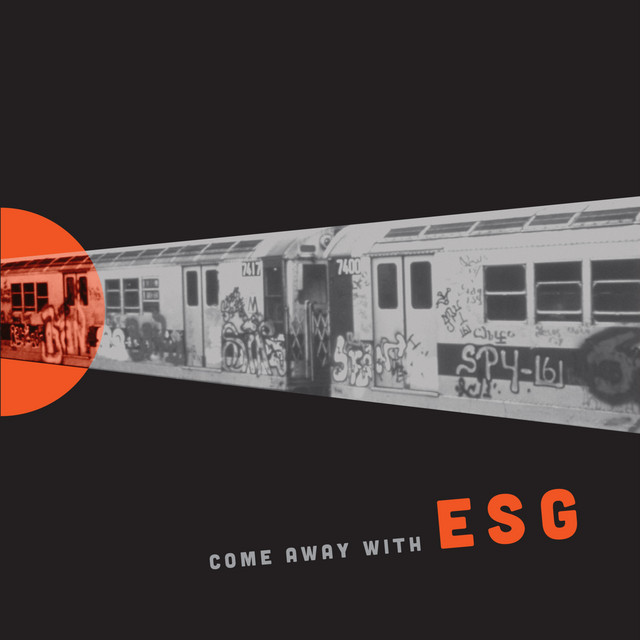
8. Come Away with ESG
Minutemen's 1984 sprawling opus, 'Double Nickels,' it broke every punk rule while embodying its spirit. Four sides of short, sharp, eclectic blasts – jazz, funk, country, punk, all thrown into a blender. It’s got that DIY ethos bleeding from every track, a testament to artistic freedom. They proved that punk wasn't just three chords and anger; it could be expansive, intellectual, and utterly fearless. A true landmark, a sprawling manifesto of creative defiance.