

1. Naked City
Ah, *Naked City*. It felt so immediate, like you were right there on the sidewalks of New York. And it was all done in that sharp, often stark, black and white that just screamed reality. Each week, a different story, a different corner of the city, but always with that documentary-style grit. They’d end every episode telling you there were "eight million stories." And for a time, they seemed to tell a good many of them, raw and unvarnished. It was an early look at anthology drama done right.

2. The Fugitive
Now *this* was a commitment. Week after week, Dr. Richard Kimble, always on the run, always just a step ahead of Lt. Gerard. You couldn't miss an episode, or you'd lose the thread. That kind of long-form storytelling, where the stakes built up over *years*, was something new for television. And David Janssen, he carried that burden beautifully. It made you root for him, hoping he'd finally find that one-armed man.
3. The Outer Limits
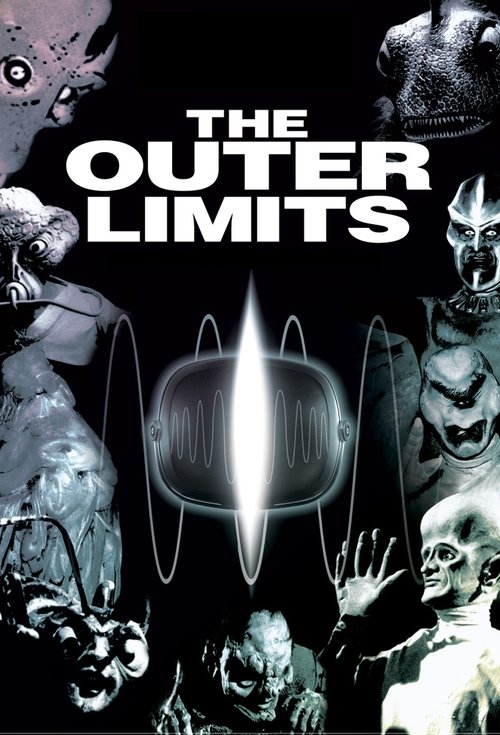
"There is nothing wrong with your television set..." A brilliant way to start, wasn't it? This show, in black and white, often felt more unsettling than anything *The Twilight Zone* put out. Its monsters were often metaphors, and its stories, well, they truly got under your skin. The visuals, even on a small screen, were often striking, and the ideas felt genuinely... out there. It really pushed the boundaries of what sci-fi could be.
4. East Side/West Side
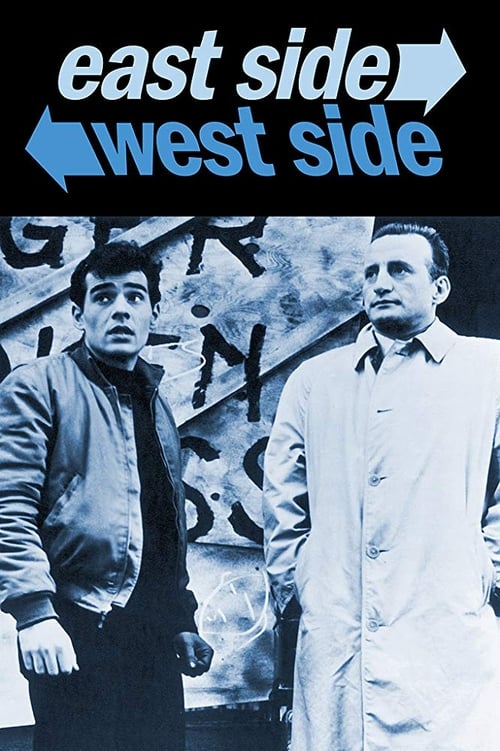
George C. Scott, playing a social worker in New York. This wasn't light fare, not at all. It took on tough subjects, real problems, and did it with a stark, almost documentary feel. Black and white, naturally. It was a serious drama, perhaps too serious for its time, and it didn't last long. But it left an impression, proving television could tackle complex social issues without shying away from the uncomfortable truths.
5. Run for Your Life
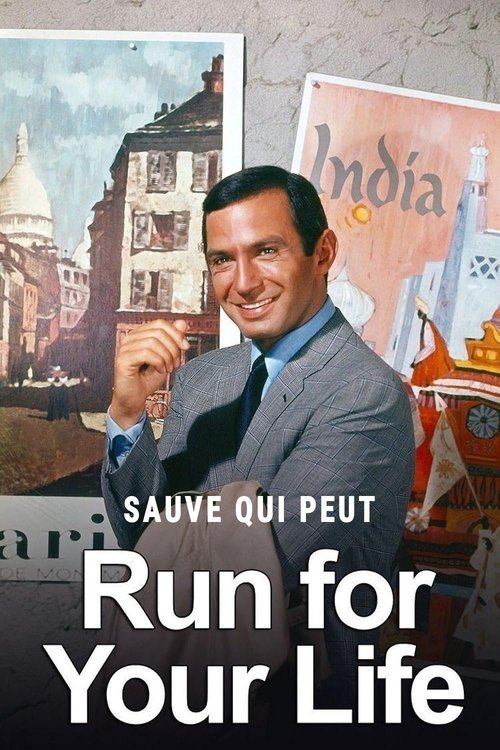
Ben Gazzara as a man with a year or two left to live. So he just... lived. Traveled the world, got into adventures, met new people. It was episodic, of course, but that central premise gave it a curious melancholy. You knew his clock was ticking, even as he was trying to squeeze every last drop out of life. A different sort of long-form thread, more existential than a chase.
6. The Prisoner
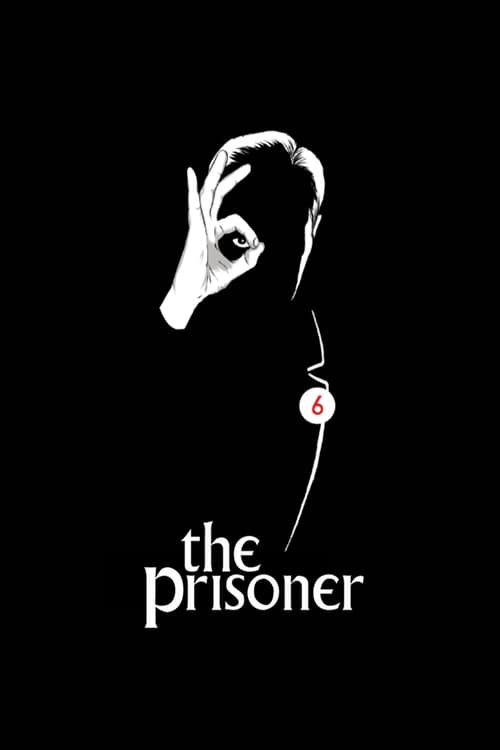
Oh, *The Prisoner*. Nothing else like it, really. Patrick McGoohan, refusing to be a number in a mysterious "Village." Surreal, often baffling, and yet completely compelling. You watched it, and you talked about it. What did it all *mean*? It was an experimental fever dream, a proper British import that dared to be different. And that ending? Well, it certainly sparked conversation for years.
7. Columbo
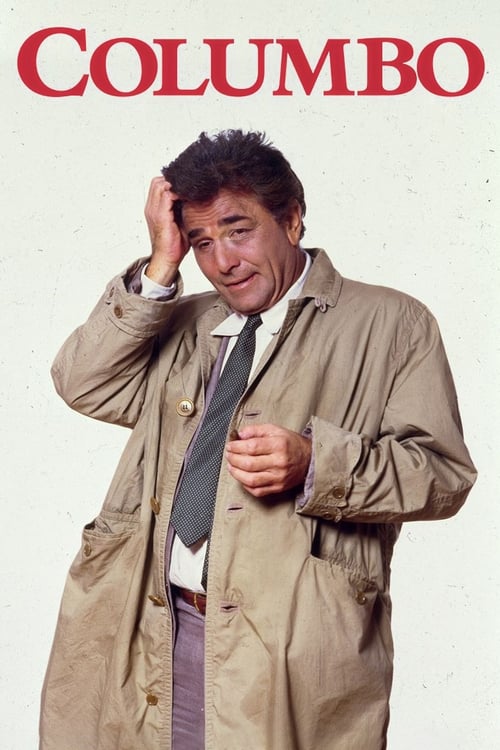
Peter Falk as Columbo. You knew who the killer was from the start, but that was the genius of it. Watching Columbo, rumpled and seemingly bumbling, slowly unravel the perfect crime was pure delight. It was a "howcatchem," not a "whodunit," and that format allowed for such rich character studies. Just one more thing... it's still good.
8. Harry O
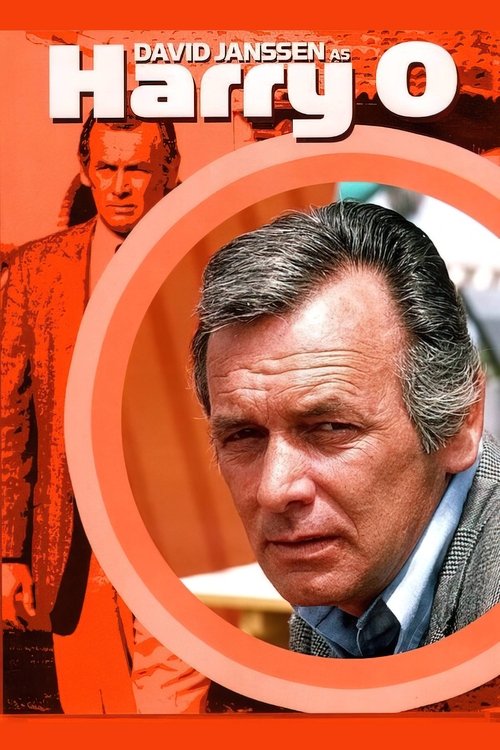
David Janssen again, after *The Fugitive*, but this time as a private investigator in San Diego. He was world-weary, a bit of an intellectual, and often, well, a little beaten down. It wasn't about car chases; it was about the quiet observation, the melancholic pace. And Janssen, he just brought such a depth to the character. It felt real, a bit slow perhaps, but incredibly thoughtful.
9. Rich Man, Poor Man
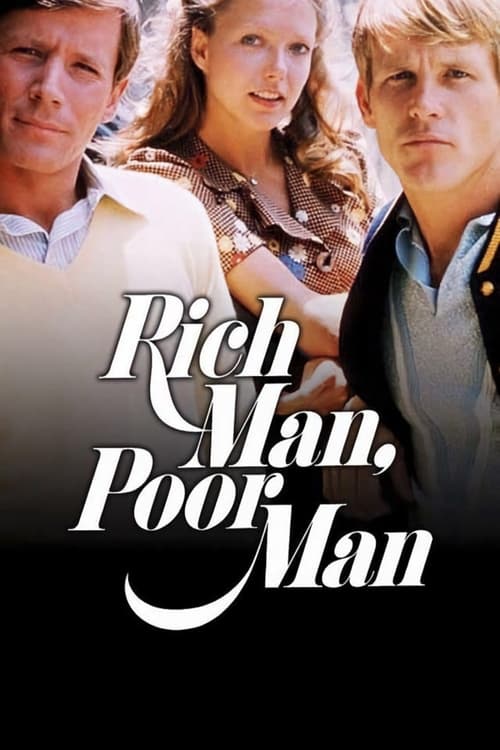
This miniseries, adapting Irwin Shaw's novel, was a phenomenon. People actually planned their weeks around it. It followed the Jordache family across generations, a true saga spread over multiple nights. Broadcast television had never really done anything quite like it in terms of scope and serialized storytelling. It proved that audiences would commit to a longer, more novelistic narrative.
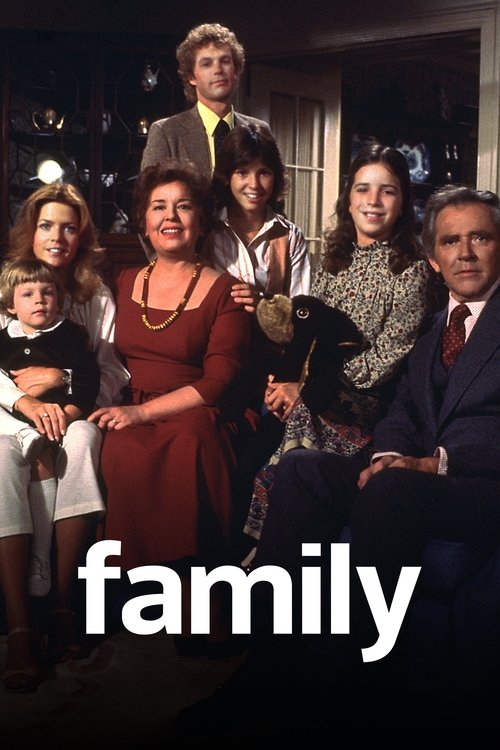
10. Family
This was a drama that felt genuinely honest about family life. It wasn't about high-stakes adventure; it was about the everyday struggles, the heartaches, the triumphs of a suburban family. It introduced a level of emotional complexity and realism that was quite groundbreaking for network television. And it made you feel for those characters, week after week.
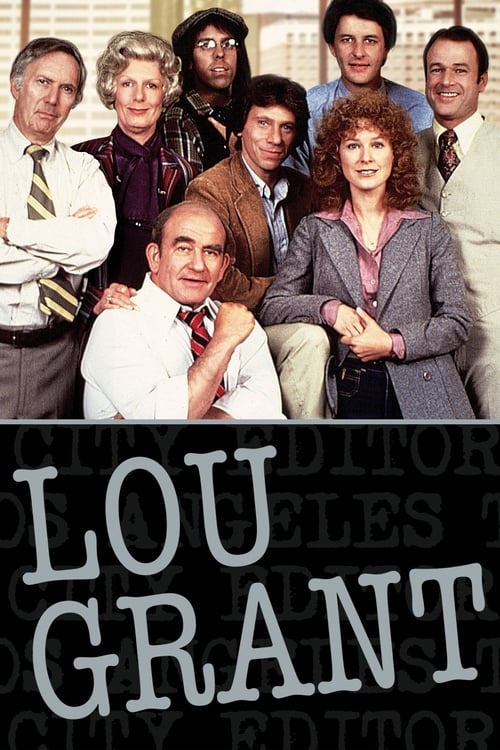
11. Lou Grant
From the MTM stable, but a world away from the sitcom that spawned it. *Lou Grant* was a serious, hour-long drama set in a newspaper newsroom. It tackled important issues, often with a journalistic rigor, and showed the messy, sometimes frustrating work of reporting. Edward Asner was magnificent, giving Lou a gravitas that felt earned. It was adult television.
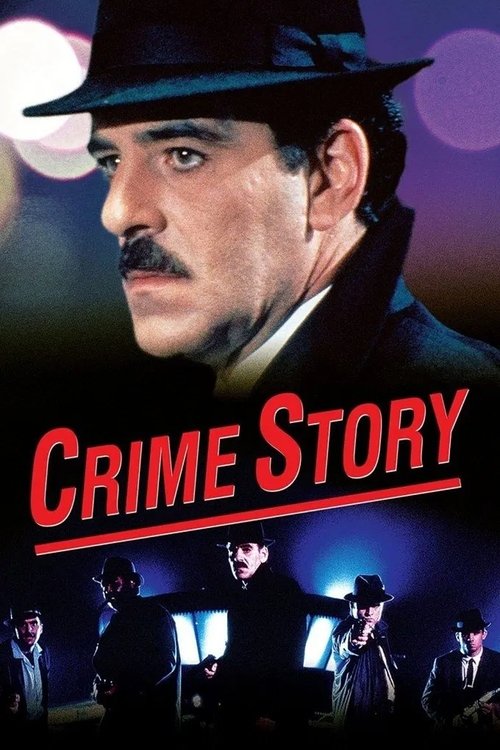
12. Crime Story
Michael Mann's touch was all over this one. Set in early '60s Chicago and Las Vegas, it was gritty, stylish, and serialized in a way that felt almost cinematic for broadcast. Dennis Farina as Lt. Mike Torello chasing Anthony Denison's mobster, Ray Luca. It was dark, often violent, and you had to watch every week to keep up. A true precursor to later prestige dramas.