
1 / 6
1. The Prisoner
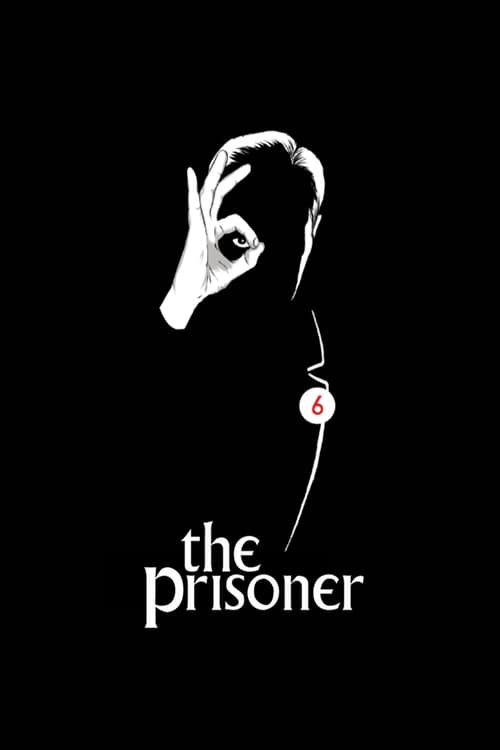
Oh, this one was a head-scratcher, all right. Patrick McGoohan, trapped in "The Village," every week a new puzzle, never quite knowing who was friend or foe. They didn't just tell a story; they built a whole universe, daring to let mysteries hang in the air for weeks on end. And that Rover! An inflatable ball chasing people? Wild stuff. It certainly broke the mold for episodic television, demanding you pay attention. A true, bold experiment in long-form continuity.
2 / 6
2. The Name of the Game
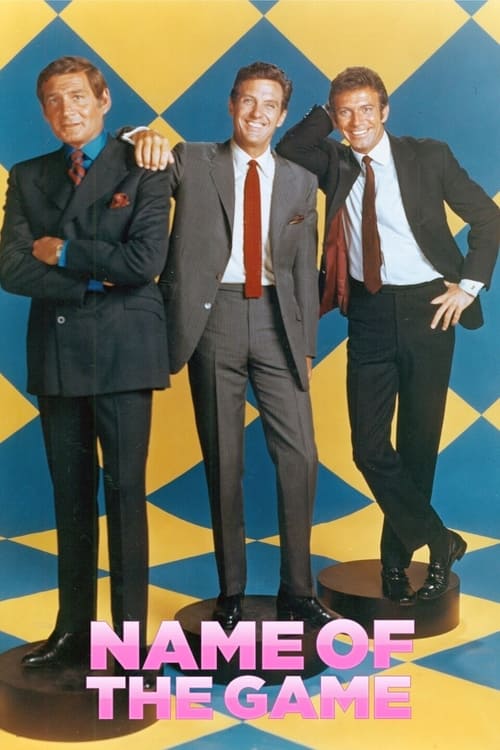
Now, this was a big swing for NBC. Ninety minutes, practically a movie every week, with a rotating trio of stars like Robert Stack, Tony Franciosa, and Gene Barry. It was ambitious, giving each lead their own distinct flavor within the same publishing empire. You got a procedural, then a drama, then a mystery. It stretched what an "episode" could be, moving far beyond the simple half-hour sitcom or hour-long procedural. A grand, sprawling effort.
3 / 6
3. Way Out
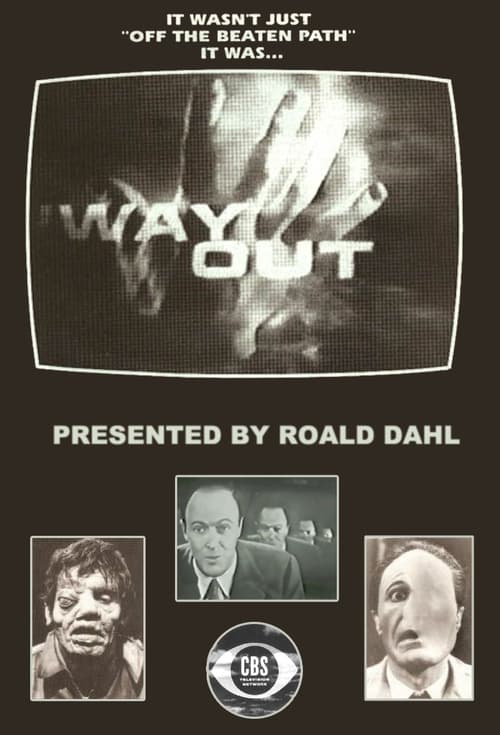
Rod Serling hosted this one, right after 'Twilight Zone' started making waves. It was another anthology, but with a darker, more unsettling edge. Shot in stark black-and-white, often with that raw, immediate feel you got from live broadcast recordings, almost like a kinescope. Each week, a new tale of the macabre or the psychological, really pushing the boundaries of what prime-time could explore in a single, self-contained dramatic half-hour. Spooky business.
4 / 6
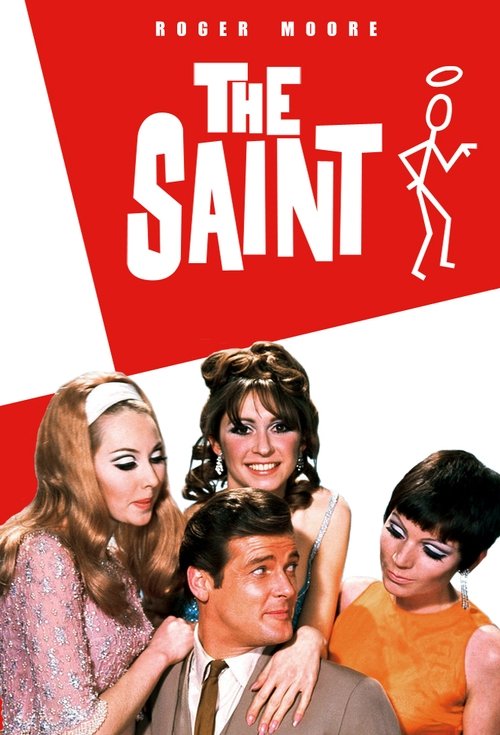
4. The Saint
Before he was James Bond, Roger Moore was Simon Templar, a debonair adventurer righting wrongs across Europe. This show was pure escapism, with a charming rogue and exotic locales, even if they were often studio backlots. It had that episodic rhythm, where Templar would stumble into trouble, charm his way out, and save the day, all wrapped up neatly in an hour. Classic heroics, a template for many who followed, with a dash of wit.
5 / 6
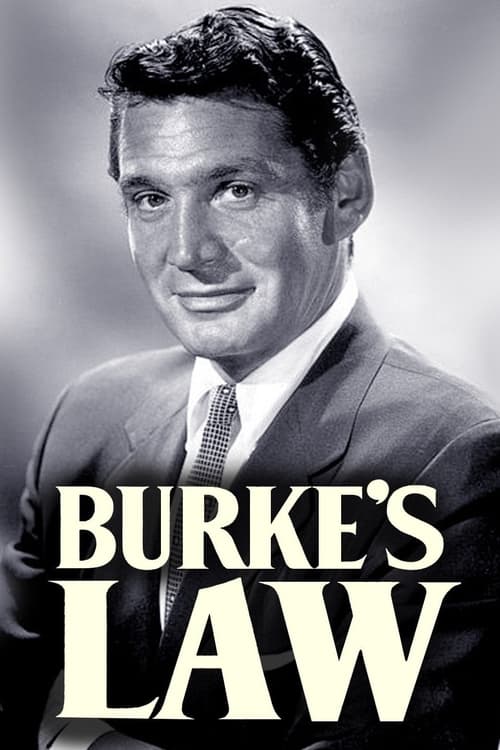
5. Burke's Law
Imagine a millionaire playboy who's also the Chief of Detectives. That's Amos Burke for you, played by Gene Barry. This show was a parade of guest stars, practically a variety show disguised as a mystery. Every week, Burke would solve a murder, usually surrounded by celebrities and glamorous settings. It wasn't about gritty realism; it was about style, wit, and seeing who'd pop up next. Light, breezy, and very much of its time.
6 / 6

6. Naked City
"There are eight million stories in the Naked City. This has been one of them." What a closing line! This show brought a raw, documentary-style feel to police work, shot on the actual streets of New York. In stark black-and-white, it felt immediate and true, a far cry from the cozy studio sets. It wasn't just about the crime; it was about the city itself and the lives caught up in it. A groundbreaking look at urban drama.