
1 / 6
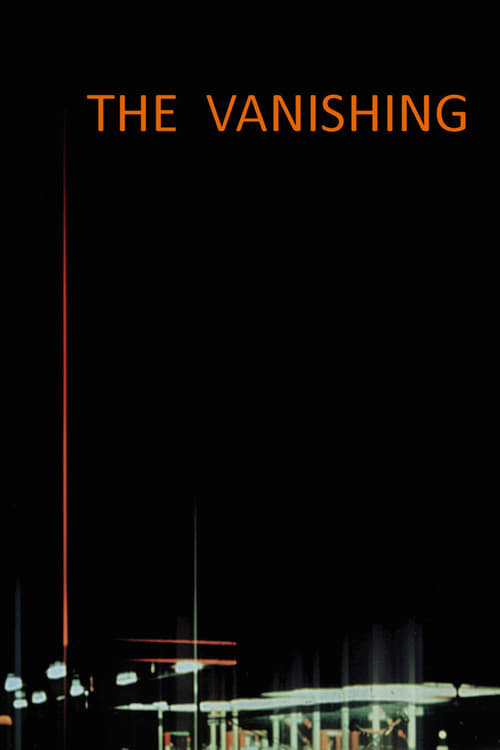
1. The Vanishing
George Sluizer’s original *The Vanishing* is a masterclass in sustained dread, a chilling exploration of obsession that eschews cheap scares for profound psychological terror. It's a film less concerned with *what* happened than with the protagonist's desperate, all-consuming need to know. The ending, famously bleak and uncompromising, sears itself into the viewer's consciousness, forcing a confrontation with the true banality and insidiousness of evil. It remains a stark reminder that some mysteries are better left unsolved.
2 / 6
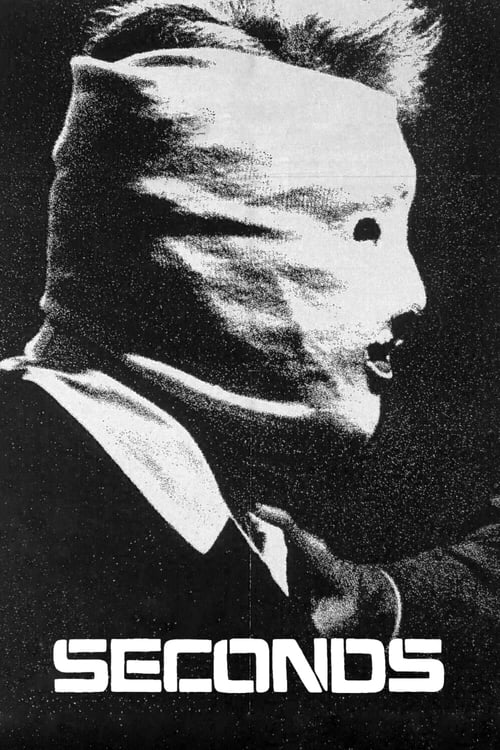
2. Seconds
John Frankenheimer’s *Seconds* is a disquieting journey into the abyss of identity, where a man literally trades his old life for a new one, only to discover that self cannot be so easily shed. Rock Hudson delivers a career-defining performance as a man grappling with the terrifying consequences of his radical rebirth. The film's stark, high-contrast cinematography amplifies the pervasive sense of paranoia and existential dread, painting a grim portrait of conformity and the elusive nature of happiness in a manufactured reality.
3 / 6
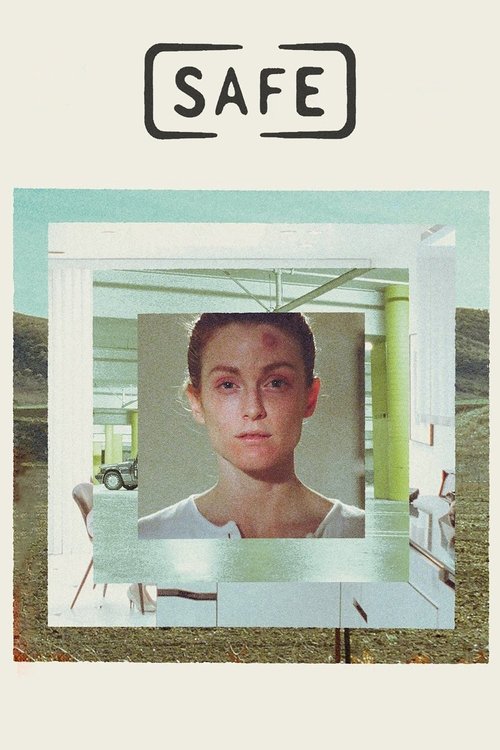
3. Safe
Todd Haynes’ *Safe* is a meticulously crafted, deeply unsettling portrait of contemporary alienation, centered on a woman who develops an extreme environmental illness. Julianne Moore's nuanced performance captures the terrifying isolation of a body turning against itself, mirroring a society often blind to insidious threats. The film’s quiet, almost clinical observation amplifies its power, suggesting that the most profound dangers aren't always visible, and that sometimes, simply existing can be a radical act of vulnerability.
4 / 6
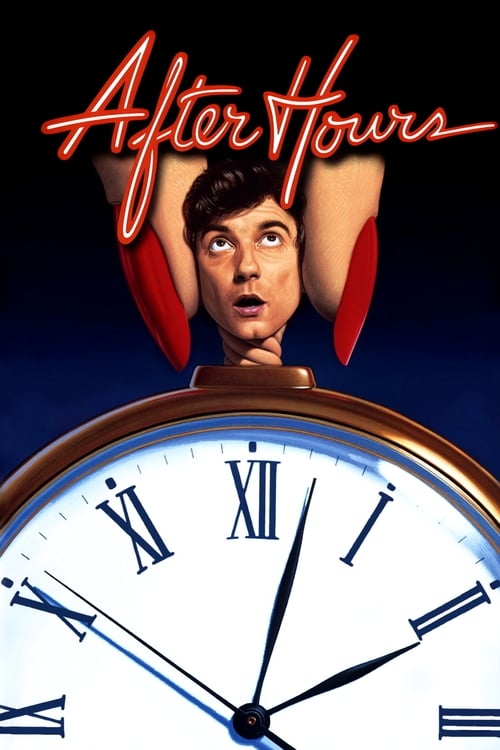
4. After Hours
Martin Scorsese's *After Hours* throws a mild-mannered word processor into a surreal, Kafkaesque nightmare across a single, increasingly chaotic New York night. It’s a darkly comedic descent into urban paranoia, where every encounter escalates in absurdity and danger. The film expertly captures the maddening sensation of being perpetually misunderstood and trapped, an outsider in a bizarre, hostile landscape. It’s a sharp, exhilarating exercise in sustained anxiety, proving Scorsese’s versatility beyond gangster epics.
5 / 6
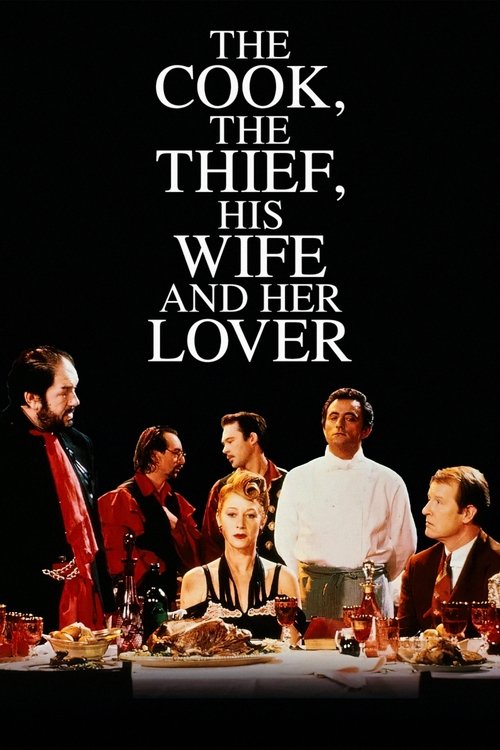
5. The Cook, the Thief, His Wife & Her Lover
Peter Greenaway’s *The Cook, the Thief, His Wife & Her Lover* is a sumptuous, grotesque tableau, a theatrical feast for the eyes that critiques gluttony, power, and class. Its vibrant, almost painterly aesthetic belies a brutal narrative of abuse and ultimate, visceral revenge. Helen Mirren delivers a commanding performance as the wronged wife, navigating a world of opulent decay. This film demands attention, reveling in its own audacity and leaving an indelible, provocative mark on the viewer.
6 / 6

6. Belladonna of Sadness
Belladonna of Sadness is a visually stunning, psychedelic fever dream, an experimental animated film that unfolds as a powerful, tragic feminist allegory. Its breathtaking watercolor and ink-wash animation, often static but always evocative, narrates a woman's persecution and her Faustian bargain with the devil. The film’s raw beauty and visceral intensity explore themes of sexual liberation, societal oppression, and revenge, creating an unforgettable, hypnotic cinematic experience unlike anything else.