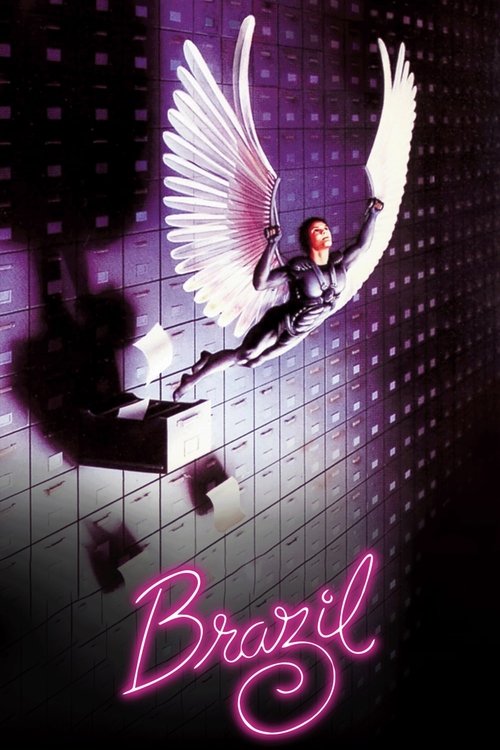
1. Brazil
This 1985 classic throws us into a future where dreams are processed and reality is a bureaucratic nightmare. It's a wild, inventive ride showing how a system, almost like an early, overwhelming AI, can shape every aspect of life, even our inner worlds. Imagine tomorrow's content creators building satirical, yet deeply human, VR experiences that challenge such pervasive control. It makes you wonder how much our perceived reality is already constructed.

2. Dark City
The 1998 "Dark City" is a mind-bender where reality itself gets rebuilt every night. Mysterious beings literally "tune" the city, changing everything from buildings to memories. For tomorrow’s screens, this is pure gold. Think about AI-driven narratives where the environment dynamically shifts based on your choices, or VR experiences where the very fabric of existence is a mutable stage, showcasing the ultimate in world-building tech.

3. Primer
In 2004, "Primer" showed us time travel as a messy, accidental process. It’s less about flashy effects and more about the dizzying complexity of altering your own timeline and grappling with multiple realities. This is a blueprint for AI-generated branching narratives, where every decision creates a new, intricate path. Future content might let us explore infinite "what if" scenarios, making every viewing a unique, personal paradox.

4. Coherence
This 2014 indie gem proves you don't need a huge budget to redefine reality. When a comet passes, parallel versions of characters emerge, blurring identity and perception. It's a masterclass in psychological tension. Imagine AI crafting interactive stories where your choices literally split realities, or VR experiences where you encounter your own alternate selves. It's all about how technology can unlock countless versions of 'us.'

5. Upstream Color
The 2013 "Upstream Color" is a dreamlike, almost abstract film about identity and connection, where people are unknowingly linked by a mysterious organism. It’s a poetic exploration of shared consciousness and manipulated memories. This feels like a soft sci-fi take on neural networks or shared VR experiences, where personal narratives intertwine on a deeper, almost biological level. Future content could explore these profound, subconscious connections.
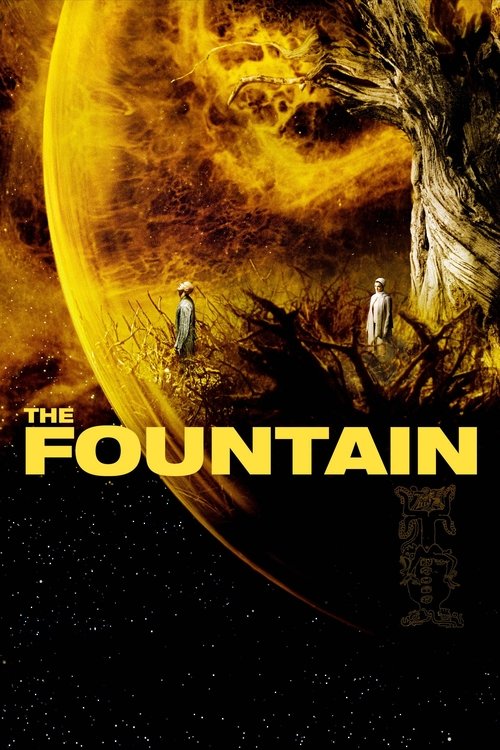
6. The Fountain
This 2006 epic weaves together three timelines, exploring love, loss, and the quest for eternity. It’s a visual poem about cyclical existence and the enduring human spirit. For future content, imagine AI orchestrating multi-generational sagas, or VR environments where players experience vast temporal shifts, connecting different lives across time. It’s about creating narratives that transcend linear storytelling and touch on universal themes.

7. Ghost in the Shell
The 1995 anime "Ghost in the Shell" is a foundational text for anyone thinking about digital consciousness. It asks what it means to be human when your brain can be hacked and your body is synthetic. This is *the* blueprint for AI-driven narratives exploring virtual identities and neural interfaces. Future VR experiences might let us truly feel like a "ghost in the machine," challenging our very perception of self.

8. eXistenZ
In 1999, "eXistenZ" gave us a truly wild look at bio-port virtual reality games. Plug directly into your nervous system, and distinguishing game from reality becomes impossible. This is a direct ancestor to modern VR dreams, but with a wonderfully unsettling, organic twist. Imagine AI crafting games so immersive, they blur the lines of your existence, making you question every sensory input. It’s hyper-reality taken to a new level.
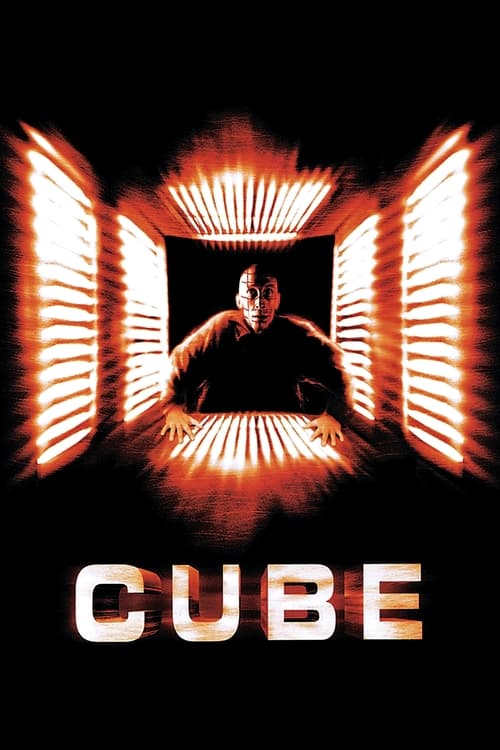
9. Cube
The 1998 "Cube" traps its characters in an endless, deadly, geometric prison. It's a brutal, minimalist take on a simulated environment. This movie is a fantastic example of an AI-generated escape room, constantly evolving and lethal. Imagine future VR content where complex, procedurally generated labyrinths challenge survival, pushing the boundaries of interactive horror and strategic thinking in an ever-changing digital space.

10. Tetsuo: The Iron Man
This 1989 Japanese cult classic is a raw, visceral dive into body horror and man's unwilling fusion with metal. While extreme, it's a stark vision of transhumanism and the blurring lines between flesh and machine. For cutting-edge content, it sparks ideas about AI-generated body modifications in VR, or narratives exploring the psychological impact of radical technological integration. It's about pushing boundaries, hard.