

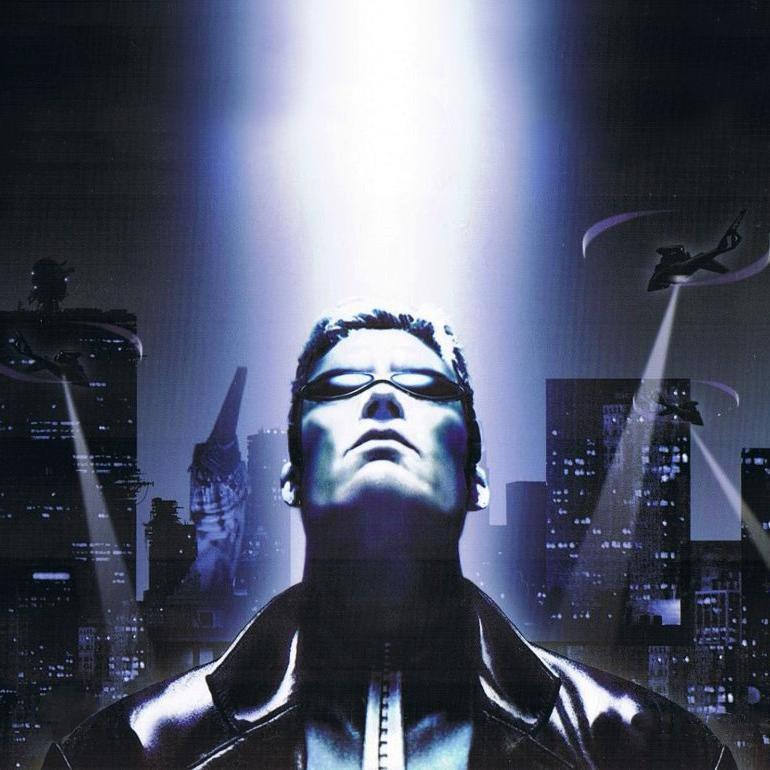
1. Deus Ex
The original 2000 *Deus Ex* wasn't just a game; it was a watershed moment for player agency. Its sprawling, conspiratorial narrative allowed unparalleled choice in approach – stealth, combat, or even diplomacy. This intricate design, coupled with its prescient cyberpunk themes and deep character customization, set a new standard for immersive simulations. It challenged players to think, to adapt, and to question the world around them, influencing countless titles that followed. This was a masterclass in interactive storytelling and systemic design.
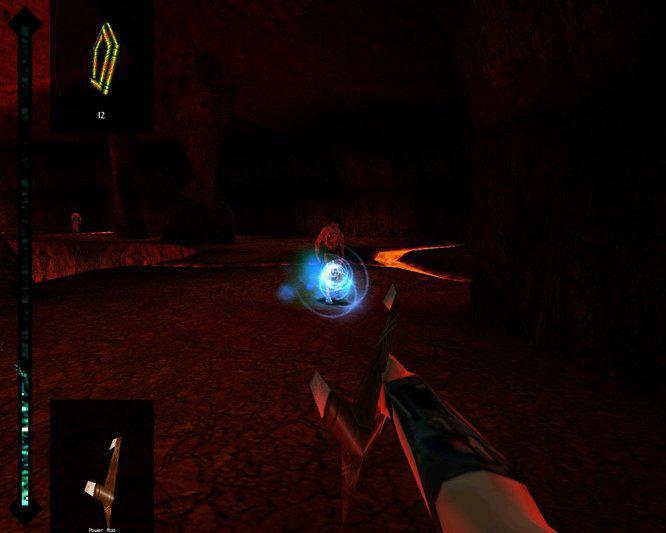
2. Omikron: The Nomad Soul
Released in 1999, *Omikron: The Nomad Soul* remains a fascinating, if flawed, relic. It was ambitious, blending adventure, fighting, and first-person shooter mechanics within a surreal, dystopian city. David Bowie's considerable involvement, both in music and character portrayal, added a unique cultural layer. While its execution often felt clunky, its scope and innovative 'soul-transfer' mechanic offered a glimpse into an alternative future for gaming, where genre boundaries were fluid. It's a testament to bold, experimental design.
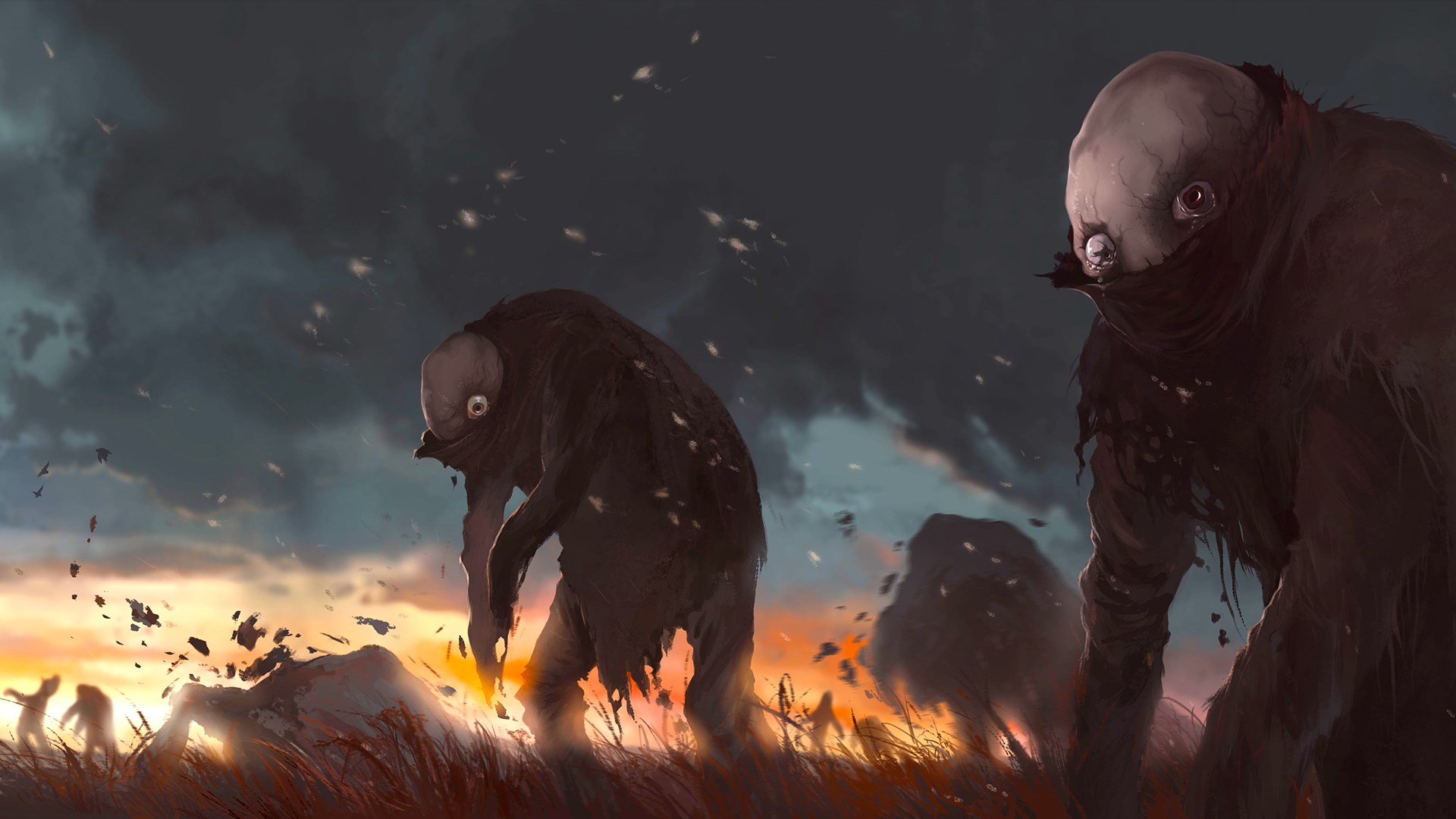
3. Pathologic 2
*Pathologic 2*, launched in 2019, isn't merely a game; it's an ordeal. This brutal, narrative-driven survival experience thrusts players into a plague-ridden town, forcing impossible moral choices under crushing time and resource constraints. It’s a masterclass in psychological horror and philosophical exploration, relentlessly interrogating the value of life, art, and sacrifice. The game’s deliberate obfuscation and unforgiving mechanics create an unparalleled atmosphere of despair and intellectual challenge. Few games demand so much, yet offer such profound introspection.
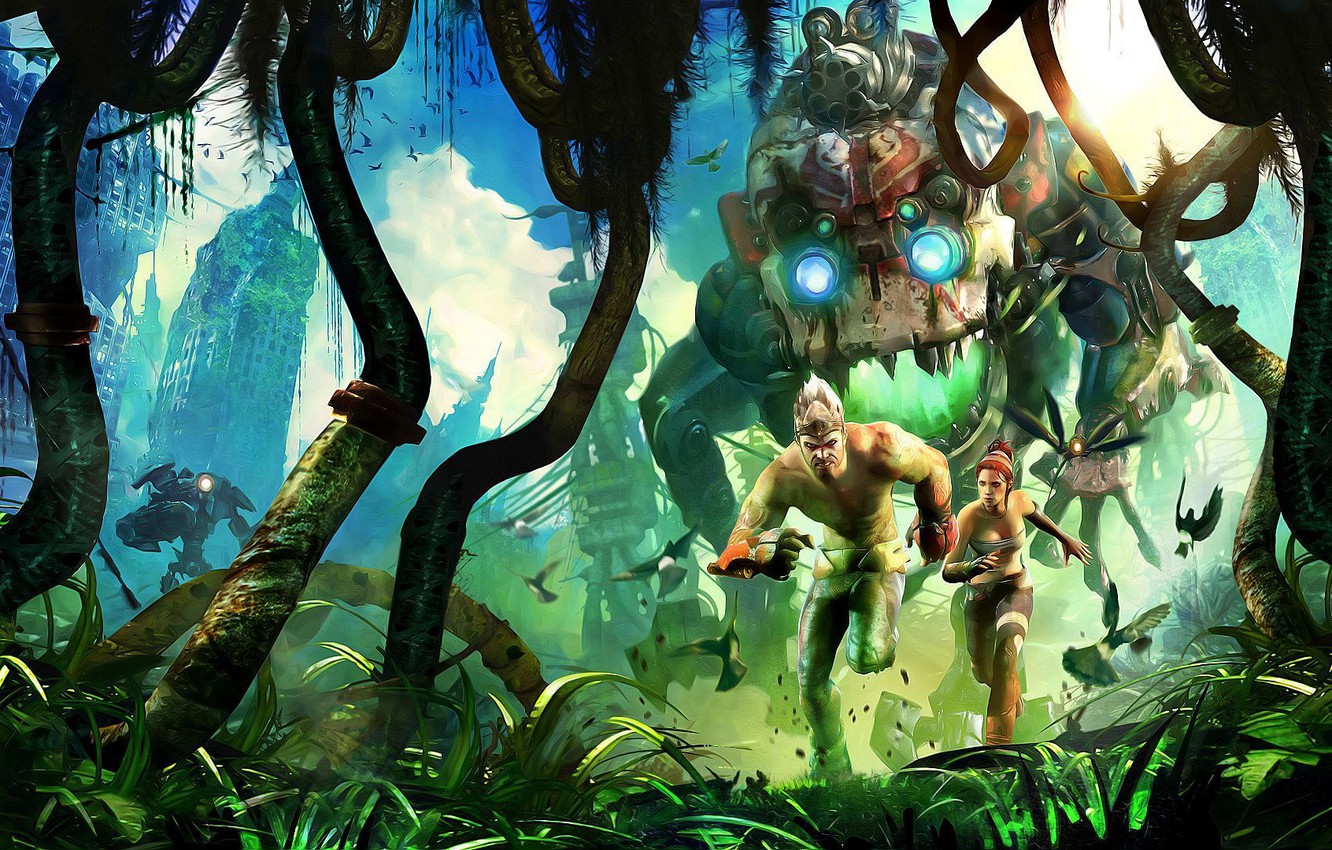
4. Enslaved: Odyssey to the West
Ninja Theory's 2010 *Enslaved: Odyssey to the West* was an undersung gem, a visually stunning post-apocalyptic adventure. It reimagined the classic Chinese novel "Journey to the West" with a vibrant, overgrown world and a compelling dynamic between its two protagonists, Monkey and Trip. The fluid combat and environmental traversal, combined with a strong narrative focus on their evolving relationship, crafted an emotional, cinematic experience. It presented a hopeful, yet perilous, vision of a world reclaimed by nature.
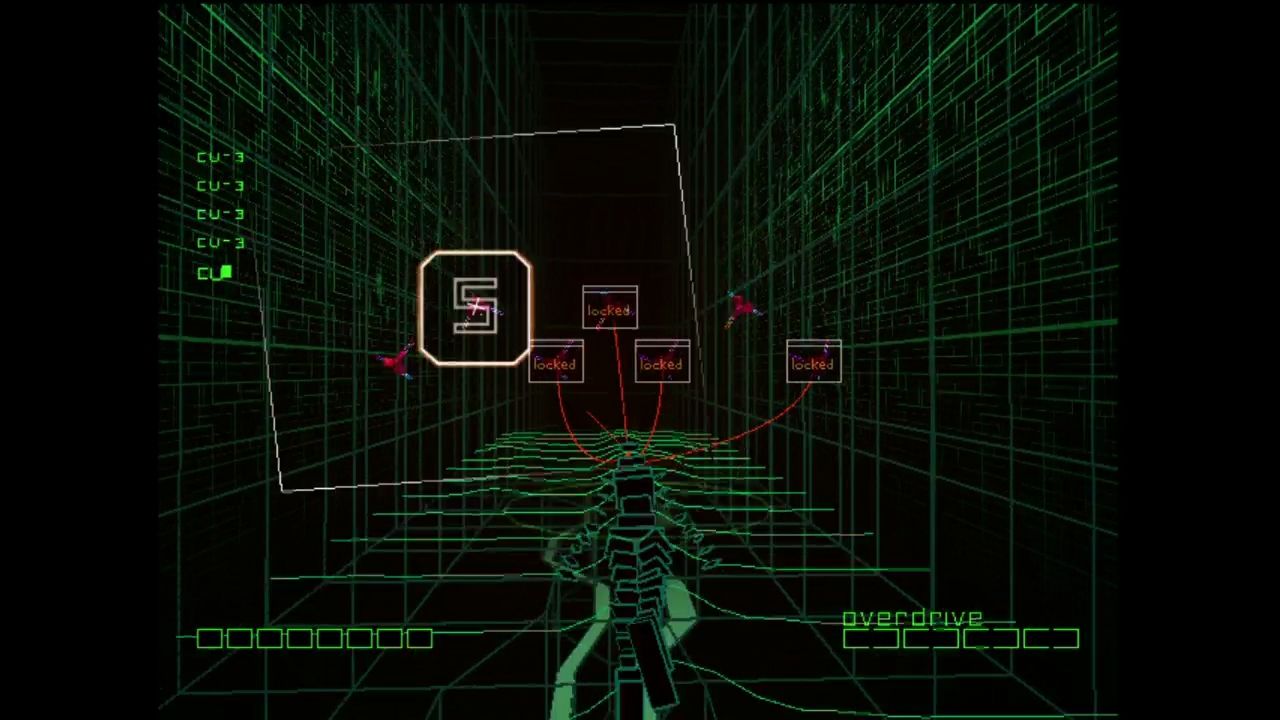
5. Rez
The 2001 release of *Rez* on Dreamcast and PlayStation 2 was a truly synesthetic experience. This rhythm-action rail shooter transformed every action into a part of the pulsating electronic soundtrack, creating a profound, almost meditative trance. Its abstract, wireframe visuals and escalating musical layers made it feel less like a game and more like an interactive art piece. *Rez* didn't just push the boundaries of gameplay; it redefined the very sensory connection between player and digital world.
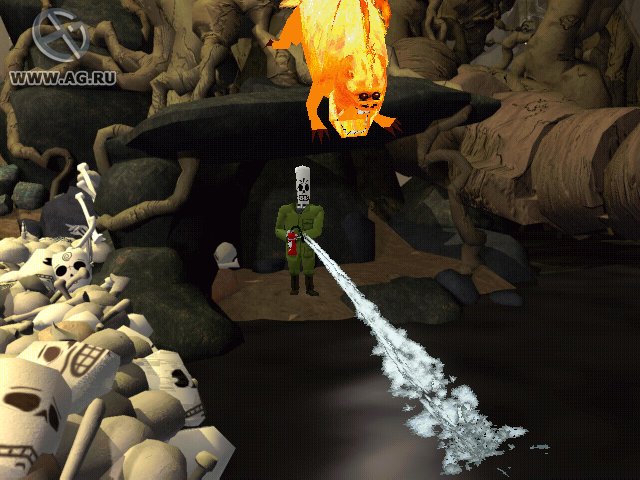
6. Grim Fandango
Tim Schafer's 1998 *Grim Fandango* remains a monumental achievement in adventure gaming. Its unique blend of film noir aesthetics and Mexican Day of the Dead folklore created an unforgettable underworld, populated by skeletal characters and witty dialogue. The intricate puzzles, memorable cast, and a truly epic four-year narrative journey solidified its place as a genre classic. While its tank controls were notoriously divisive, the game's unparalleled storytelling and artistic vision endure.