1 / 12
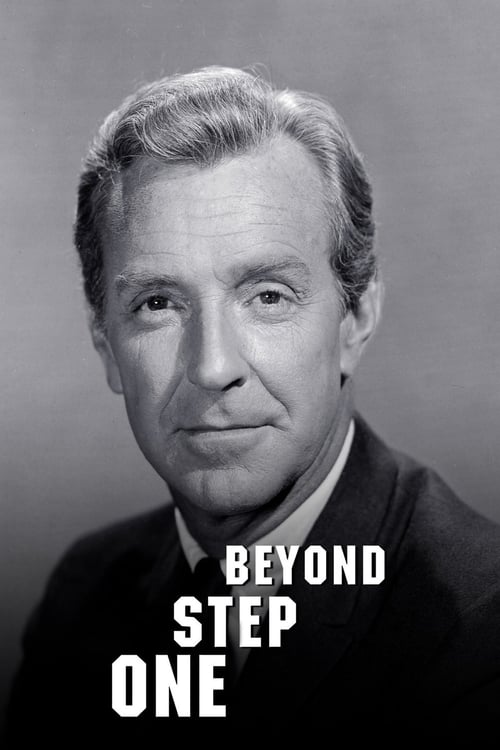
1. One Step Beyond
Oh, "One Step Beyond." This wasn't your usual monster-of-the-week stuff. See, they promised "actual cases," which was a clever trick in black and white. It felt like a documentary, almost, with host John Newland looking right at you. The camera work was often stark, just hinting at the uncanny, and the pacing, well, it was deliberate. It built atmosphere, you know, rather than jump scares. Pretty bold for its time, exploring the unseen. A real early dive into the inexplicable.
2 / 12

2. Naked City
Now, "Naked City," that was something else. Filmed on location in New York, not some backlot. You could feel the grit, see the real streets, which was revolutionary for television then. And the writing, it dug into the lives of ordinary folks caught up in crime, not just the detectives. Each episode was a self-contained drama, a look at a different corner of the city. Black and white, of course, giving it that stark, serious feel. It felt like a newspaper story brought to life, you know?
3 / 12
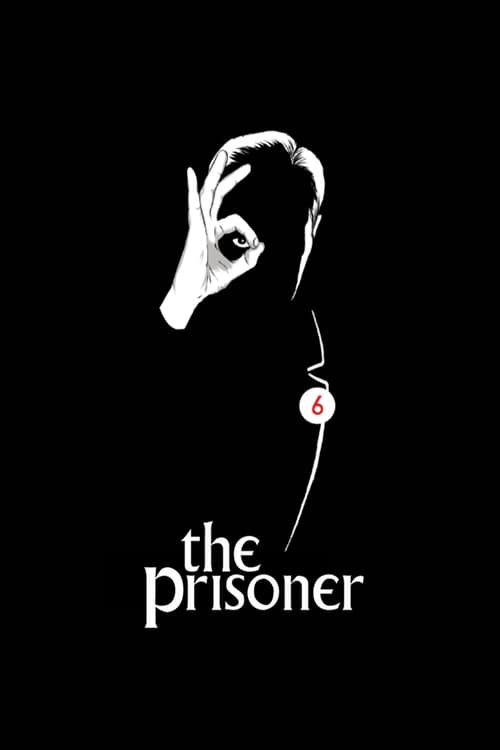
3. The Prisoner
"The Prisoner," well, that just blew everyone's socks off. A spy quits, wakes up in this bizarre "Village," and can't escape. Patrick McGoohan, he was just magnetic. The show wasn't afraid to be surreal, often allegorical, and certainly didn't spoon-feed answers. It was a proper head-scratcher, you know, asking big questions about freedom and identity. And the visuals, all those bright colors and strange architecture, it was unlike anything else on the tube. A real mind-bender.
4 / 12
4. The Outer Limits
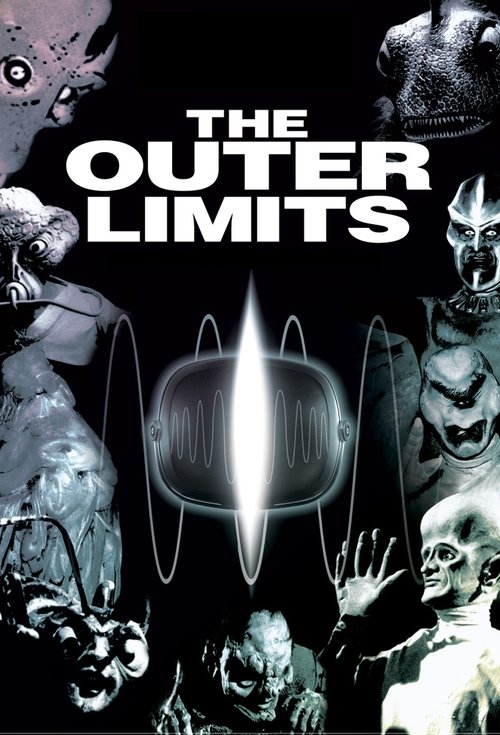
"The Outer Limits." Oh, that opening narration, it still gives me chills. This show, it wasn't just about monsters, though they had some memorable ones. It was more about ideas, about what humanity might become, or what might be out there. And the black and white photography? It lent itself to those shadowy creatures and eerie settings. Each episode was a new story, a new cautionary tale or a glimpse into the unknown. Much more cerebral than most sci-fi, really.
5 / 12
5. East Side/West Side
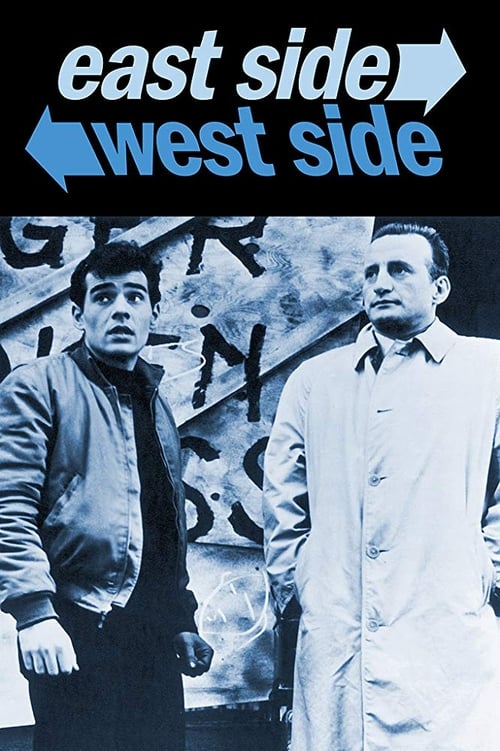
"East Side/West Side," with George C. Scott. This was a brave one. It tackled social issues head-on, things like poverty, racial prejudice, urban blight. Not your typical escapist fare. The show felt almost like a documentary at times, very real, very raw, especially for 1963. And in black and white, it gave everything a stark, serious tone. It asked people to think, you know, about the world around them. Pretty heavy stuff for prime time, and it didn't last long, sadly.
6 / 12
6. The Name of the Game
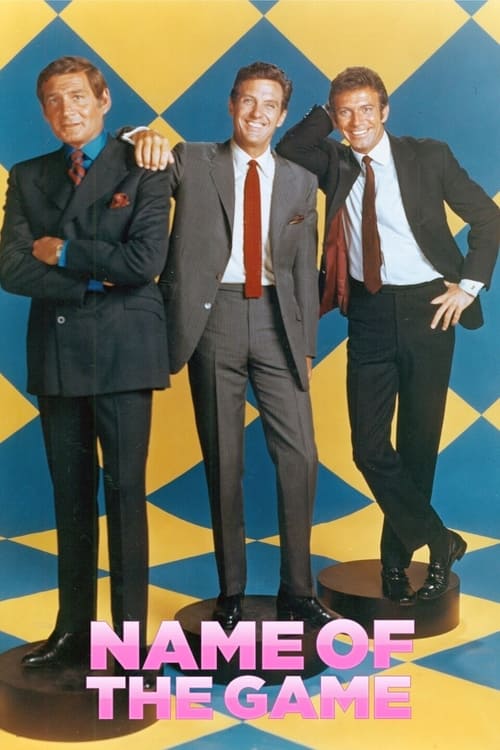
"The Name of the Game," that was ambitious. They tried a rotating lead, you know, three different stars running a publishing empire. It was an early attempt at long-form storytelling, with these almost movie-length episodes. And in color, too! It felt very modern, very glamorous, with a lot of location shooting. Each segment had a different flavor depending on who was in charge. A big, sprawling show that really pushed the boundaries of what a weekly drama could be.
7 / 12
7. Kolchak: The Night Stalker
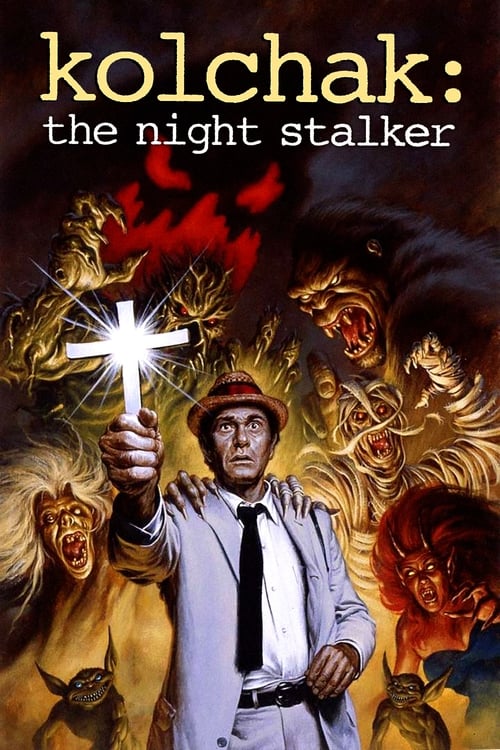
"Kolchak." Now that was a character. A newspaper reporter chasing vampires, werewolves, all sorts of monsters, and nobody ever believes him. Darren McGavin, he just owned that role. It was a procedural, but with a supernatural twist, you know? You'd see the mundane world clashing with the truly bizarre. And even with the fantastic elements, it felt grounded, like a real reporter trying to get a story. A cult classic that really stuck with you.
8 / 12
8. The Rockford Files
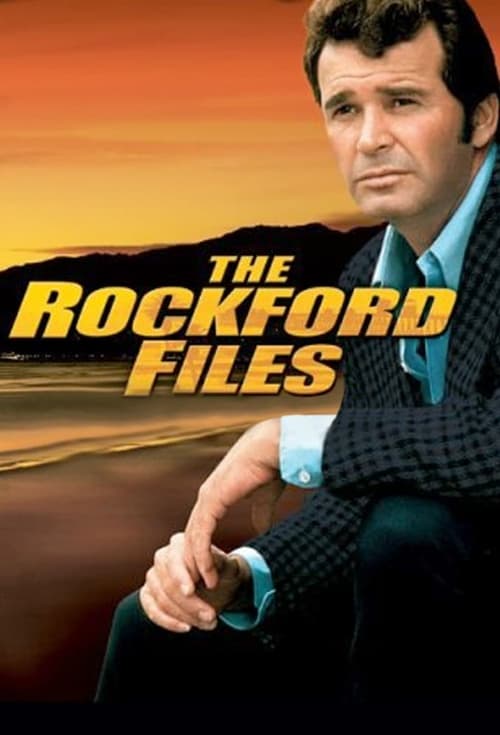
Ah, "The Rockford Files." Jim Rockford wasn't your typical tough-guy private eye. He lived in a trailer, drove a beat-up car, and often got punched. James Garner just made him so likable, you wanted to root for the guy. It had a relaxed, almost improvisational feel, even though it was tightly written. And it was funny, too, which was rare for a detective show. It played against expectations, making a hero out of an everyman. A real charmer, that one.
9 / 12
9. Police Story
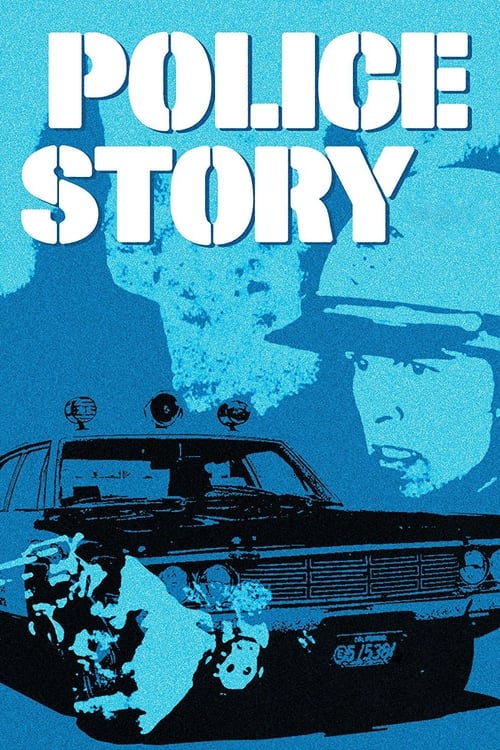
"Police Story." This one, it wasn't about the glamour of police work, but the reality. It was an anthology, so you'd get different cops, different situations every week. And it felt authentic, you know, because they had actual police officers as consultants. It showed the stress, the moral dilemmas, the everyday stuff. It was gritty, sometimes dark, and really broke ground for how police procedurals would be done for years to come. Very influential, indeed.
10 / 12
10. N.Y.P.D.
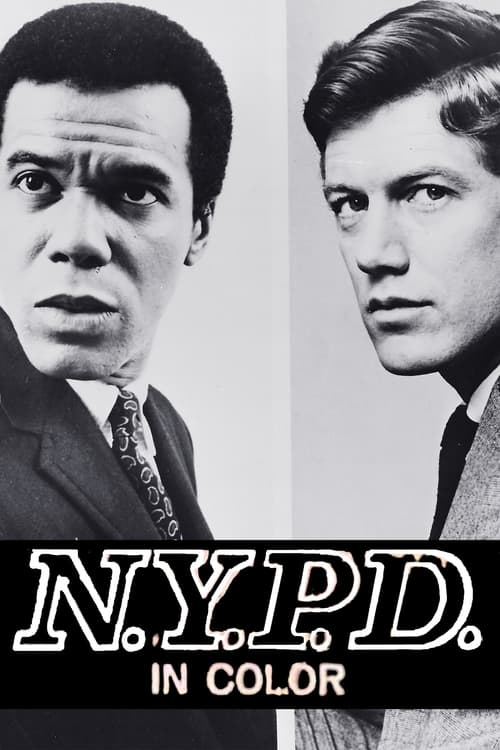
"N.Y.P.D." This was another early attempt at realism in police dramas. Filmed on location in New York, which, again, was a big deal. You could hear the city, see the actual streets. It had a documentary feel, almost, with a raw edge that was pretty groundbreaking for the time. And it was in black and white, adding to that stark, immediate quality. It showcased the daily grind, not just the big cases. A precursor to much grittier shows that followed.
11 / 12
11. Longstreet
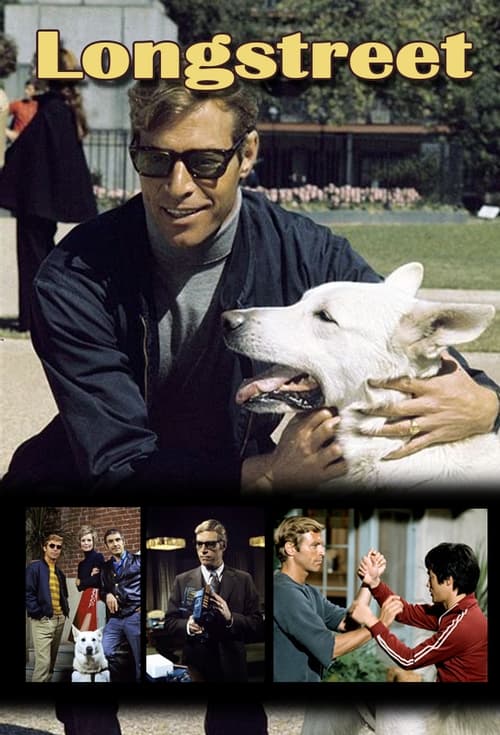
"Longstreet." James Franciscus played a blind insurance investigator, and that was a fascinating premise. He used his other senses, and a guide dog, to solve cases, making for some unique situations. Bruce Lee even had a recurring role, introducing martial arts to American prime time! It was a character-driven procedural, focusing on his adaptation to blindness. A clever twist on the detective formula, showing you could overcome anything. Definitely memorable for its novelty.
12 / 12
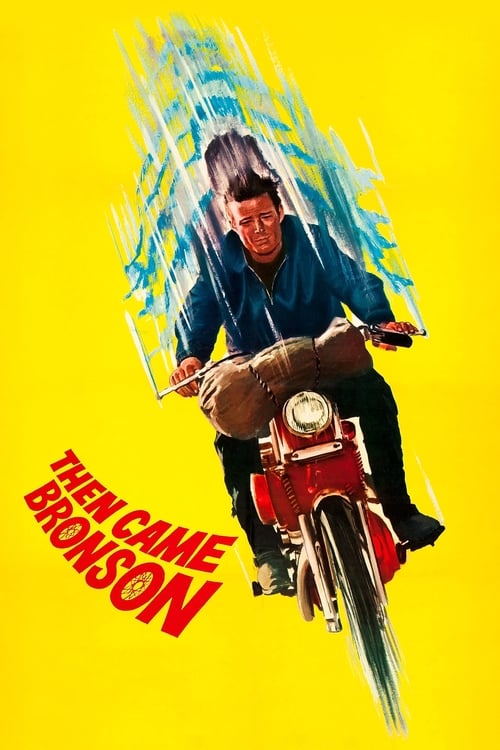
12. Then Came Bronson
"Then Came Bronson." Michael Parks riding a Harley across America, searching for meaning. It was an existential road trip, you know? He'd drift into a town, get involved in someone's life, offer some wisdom, and then ride off. Very much a product of its time, capturing that wanderlust. And the cinematography, all those open roads and landscapes, it was quite striking. A quiet, contemplative show, more about the journey than the destination. A real mood piece.