

1 / 9
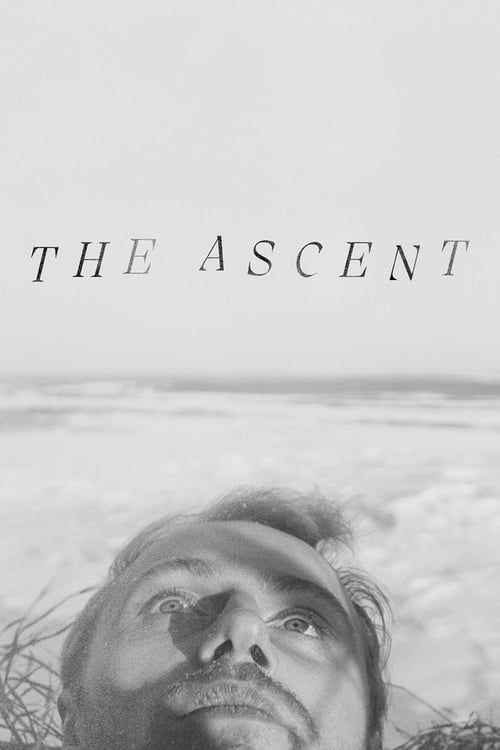
1. The Ascent
Larisa Shepitko's final film, a harrowing descent into the moral abyss of war, is a masterclass in existential cinema. Set during WWII, it scrutinizes two Soviet partisans, each embodying starkly different paths to survival or spiritual integrity. Shepitko’s stark black-and-white cinematography and unflinching gaze force viewers to confront profound questions of faith, betrayal, and the human spirit's breaking point, reflecting a society grappling with its past and the cost of survival.
2 / 9
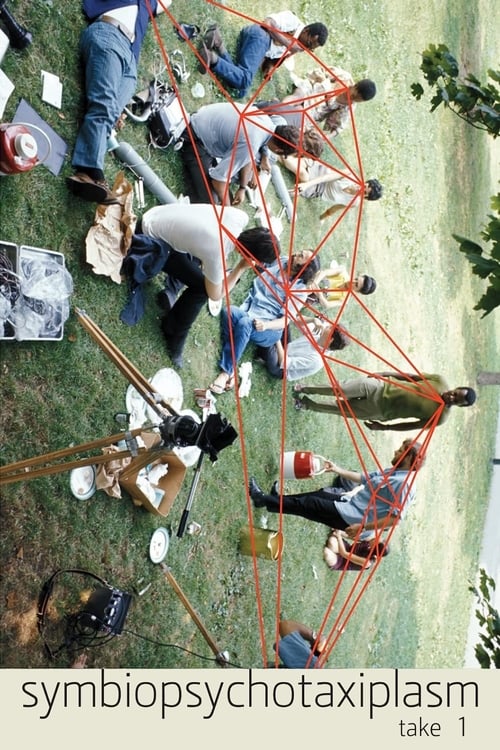
2. Symbiopsychotaxiplasm: Take One
William Greaves orchestrates a fascinating, multi-layered examination of filmmaking itself, blurring the lines between reality and performance. This meta-documentary captures a film crew attempting to make a film in Central Park, while other crews film *them*, and actors improvise. It's a profound, early deconstruction of authorial control and cinematic truth, inviting viewers to question perception and the very act of creation, well before the term "found footage" entered the lexicon.
3 / 9

3. Daisies
Věra Chytilová's anarchic masterpiece from the Czech New Wave remains a vibrant, unapologetic assault on patriarchal norms and consumerist excess. Two young women, Marie I and Marie II, decide that since the world is spoiled, they too shall be. Their playful, destructive escapades, rendered in dizzying, kaleidoscopic visuals, aren't merely frivolous; they're a radical act of rebellion, a joyous, defiant rejection of societal expectations and traditional femininity.
4 / 9

4. Memories of Murder
Bong Joon-ho's chilling procedural, based on South Korea's first serial murders, transcends the genre. It's a meticulous, melancholic exploration of futility and systemic incompetence in a rapidly modernizing nation. The film captures the palpable dread and desperation of the investigators, but also subtly critiques the societal pressures and patriarchal attitudes that hampered justice. Its ambiguous ending leaves an indelible mark, reflecting a profound sense of unresolved national trauma.
5 / 9
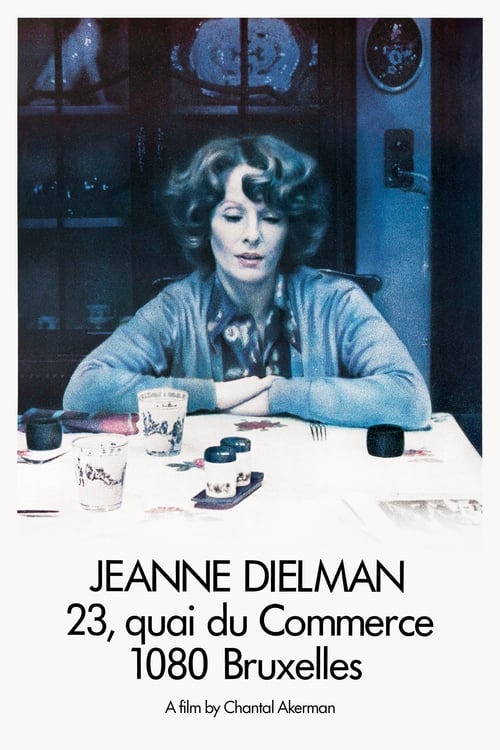
5. Jeanne Dielman, 23, quai du Commerce, 1080 Bruxelles
Chantal Akerman's monumental work offers an unflinching, three-hour and twenty-one-minute immersion into the meticulously ordered, yet ultimately suffocating, life of a middle-aged widow. Through precise, static long takes, Akerman elevates the mundane rituals of domesticity—cooking, cleaning, sex work—into a profound feminist statement. It’s a hypnotic study of patriarchal structures, revealing the insidious pressures that can lead to a quiet, devastating explosion.
6 / 9
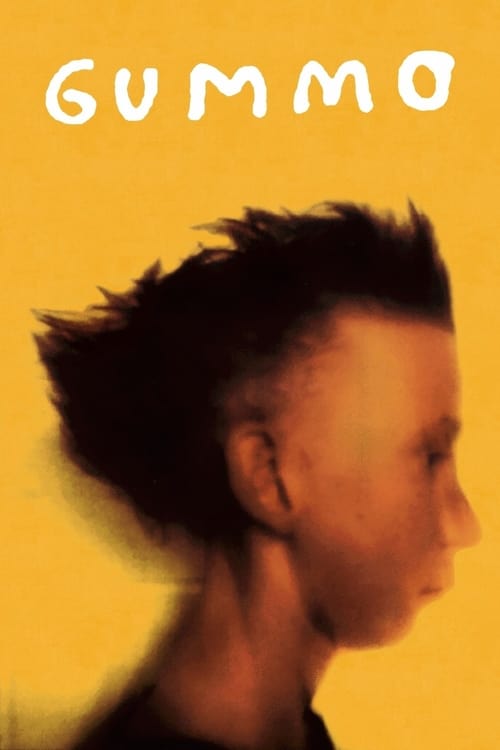
6. Gummo
Harmony Korine's debut feature is a visceral, fragmented portrait of societal decay in a tornado-ravaged Ohio town. Eschewing traditional narrative, Korine presents a series of disturbing, often poetic vignettes featuring marginalized, eccentric characters. It's a raw, unflinching glimpse into forgotten America, challenging conventional aesthetics and morality. This film doesn't explain; it simply presents a haunting, almost ethnographic observation of lives teetering on the edge of nihilism and despair.
7 / 9

7. Possession
Andrzej Żuławski’s feverish, allegorical horror film dissects a marriage’s brutal dissolution against the backdrop of Cold War Berlin. Isabelle Adjani delivers an iconic, unhinged performance as a woman unraveling into a terrifying, possibly monstrous, entity. It's a relentless psychological assault, reflecting profound anxieties about identity, betrayal, and the destructive forces within relationships. The film's grotesque imagery and visceral intensity make it a uniquely disturbing, yet captivating, cinematic experience.
8 / 9
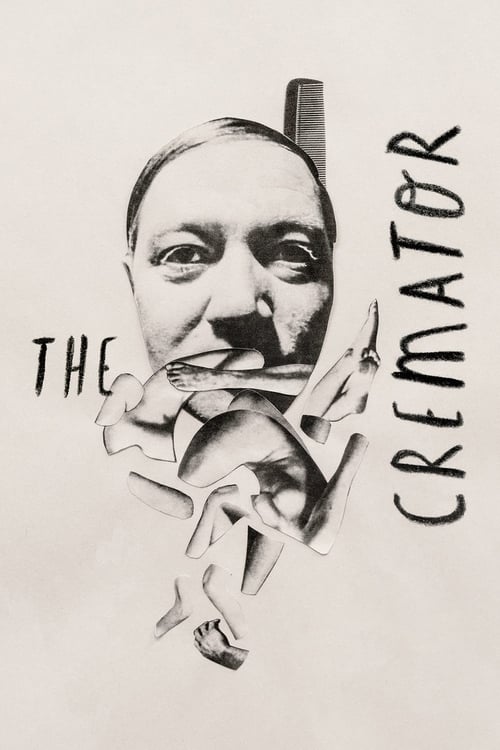
8. The Cremator
Juraj Herz's chillingly black comedy from the Czechoslovak New Wave introduces us to Karl Kopfrkingl, a seemingly genial cremator who gradually succumbs to fascist ideology. Herz masterfully blends psychological horror with surreal humor, using rapid-fire editing and unsettling close-ups to depict Kopfrkingl's descent into monstrous delusion. It's a darkly prescient allegory about the seductive nature of totalitarianism and the terrifying ease with which ordinary men can embrace evil.
9 / 9
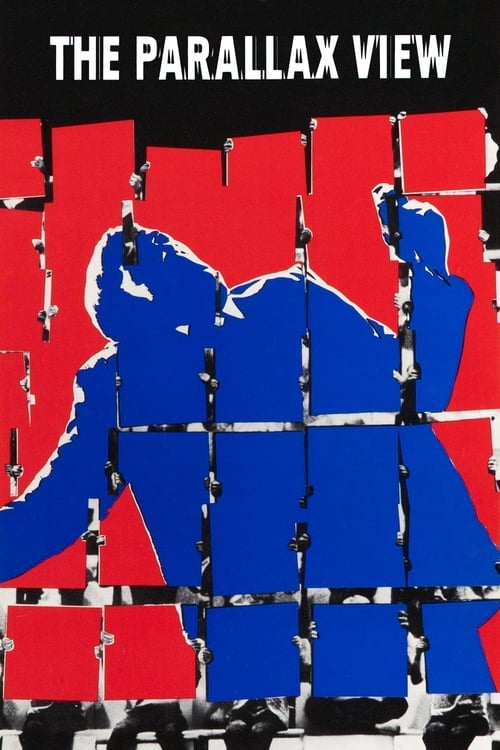
9. The Parallax View
Alan J. Pakula's quintessential conspiracy thriller perfectly encapsulates the post-Watergate paranoia of its era. Warren Beatty plays a journalist investigating a shadowy organization responsible for political assassinations. The film's cold, detached aesthetic and increasingly labyrinthine plot create a suffocating sense of helplessness against an omnipresent, anonymous power. It’s a chillingly effective commentary on the erosion of truth and the terrifying ease with which dissent can be neutralized.