

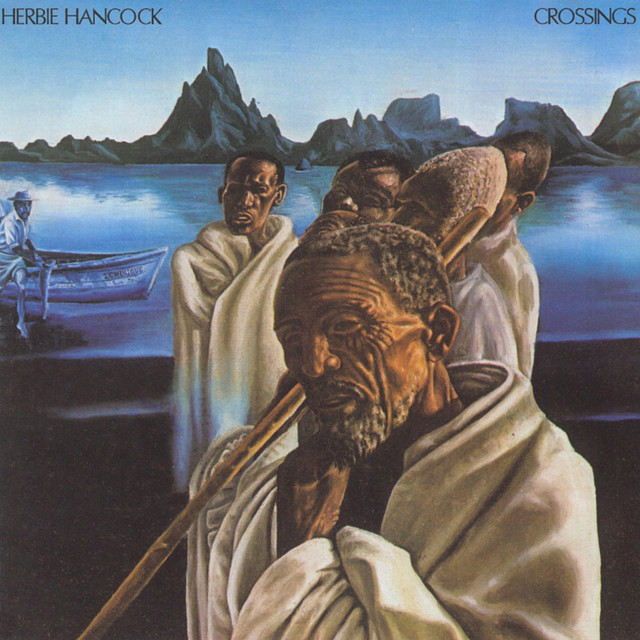
1. Crossings
Herbie Hancock’s 1972 opus, *Crossings*, was a seismic event, moving his Mwandishi septet further into an extraterrestrial sonic landscape. This wasn't merely jazz-fusion; it was a cosmic voyage, where acoustic textures met early synthesizers, crafted with an almost alchemical precision in the studio. The layering of Bennie Maupin's reeds, Julian Priester's trombone, and Hancock's Fender Rhodes, all swirling through analog effects, created an immersive, spiritual density. It established a new paradigm for rhythmic and harmonic exploration, pushing boundaries with audacious, uncompromised vision.

2. Tago Mago (40th Anniversary Edition)
Can’s 1971 masterpiece, *Tago Mago*, wasn't merely an album; it was a portal. This 40th-anniversary edition simply re-presents the original, raw brilliance. Crafted in the infamous Inner Space studio, it’s a sprawling, two-LP journey into psychedelic improvisation and rhythmic hypnosis. Damo Suzuki's shamanic vocals intertwined with Jaki Liebezeit’s relentless, precise drumming and Holger Czukay's unconventional bass lines, all captured with remarkable fidelity for its time. Its avant-garde construction and fearless experimentation redefined what rock music could be, echoing through subsequent decades.
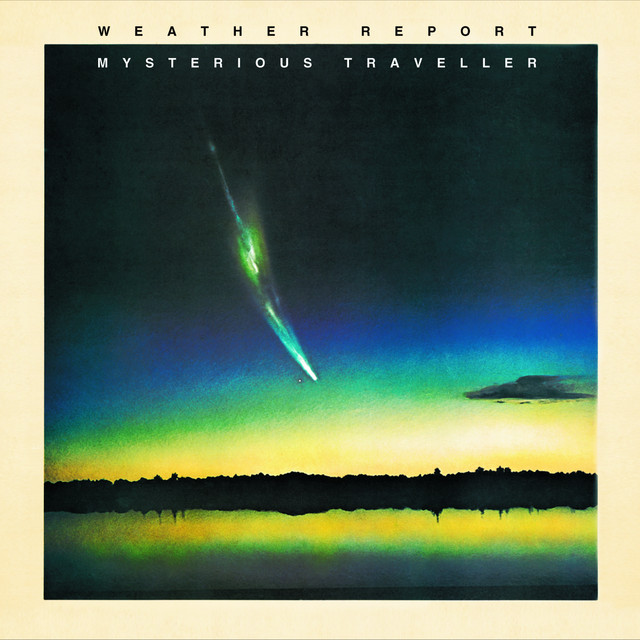
3. Mysterious Traveller
Weather Report’s 1974 offering, *Mysterious Traveller*, marked a definitive pivot towards a more electric, groove-centric fusion, yet retained its exploratory jazz core. Josef Zawinul's ARP synthesizers and Wayne Shorter's tenor saxophone wove intricate, often ethereal, melodies over Alphonso Johnson’s fluid basslines and Ishmael Wilburn’s driving drums. The album's meticulously engineered soundscapes, brimming with analog warmth and dynamic range, proved that complexity could coexist with palpable funk. It laid essential groundwork for the sophisticated rhythmic interplay that would define much of the decade's progressive music.
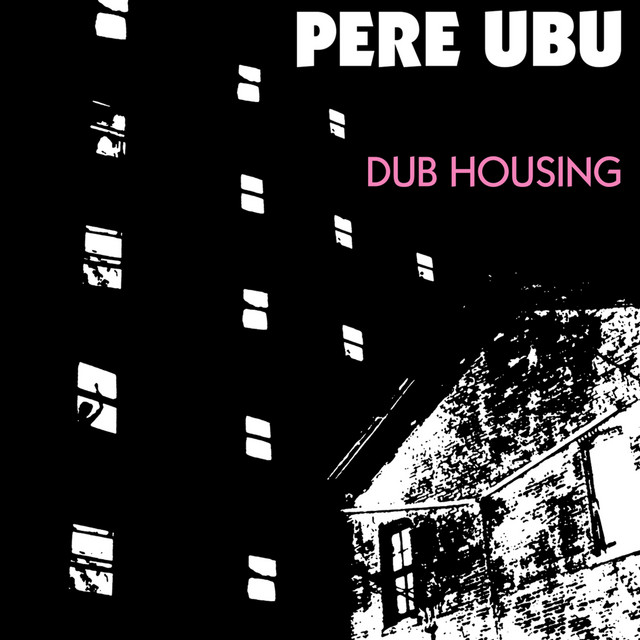
4. Dub Housing
Pere Ubu’s *Dub Housing* from 1978 was a jarring, singular statement, entirely out of step with its contemporaries. This wasn't punk's catharsis but art-rock's deconstruction, delivered with a raw, abrasive charm. David Thomas's caterwauling vocals, propelled by Allen Ravenstine's EML synth manipulations and Tony Maimone's bass, created sonic environments that were simultaneously unsettling and strangely alluring. The album’s production, distinctly pre-digital, amplified its angularity and unsettling atmosphere, cementing its status as a foundational text for subsequent post-punk and industrial movements.
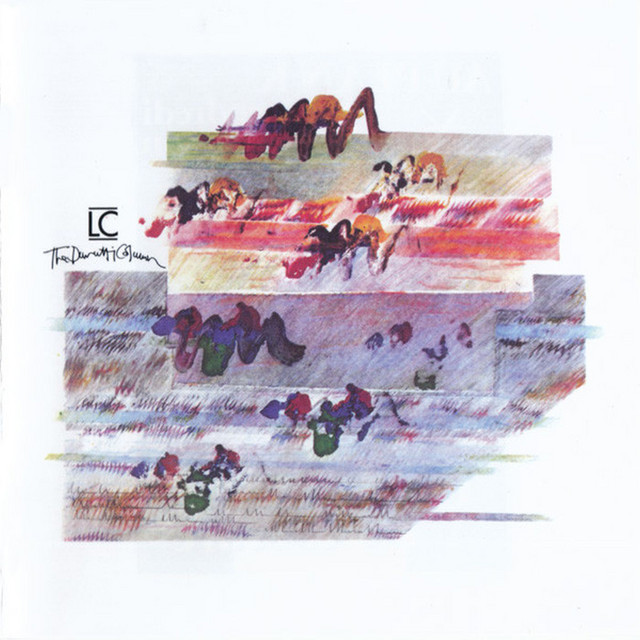
5. LC
Vini Reilly’s *LC*, released under The Durutti Column moniker in 1981, was a masterclass in understated elegance amidst the post-punk clamor. Reilly’s distinctive, reverb-drenched guitar work, often layered with delicate drum machine patterns and occasional vocals, created an atmospheric, almost melancholic soundscape. This was art-rock pared down to its emotional essence, meticulously crafted in the analog studio to maximize its intimate, reflective quality. Its influence on ambient guitar textures and the broader independent music scene of the 80s remains profound, a testament to its quiet power.
6. Garlands
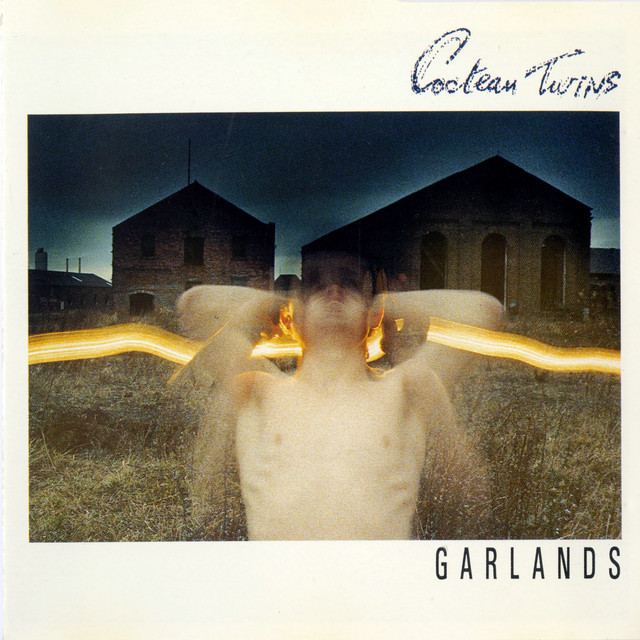
Cocteau Twins’ 1982 debut, *Garlands*, burst forth as a darkly shimmering gem, laying the groundwork for ethereal darkwave. Liz Fraser’s otherworldly, often indecipherable vocals soared over Robin Guthrie’s heavily processed, chorus-laden guitar and Will Heggie’s propulsive bass. The analog production, steeped in early 80s reverb and delay, enveloped the listener in a dense, almost claustrophobic beauty. It was a bold, atmospheric declaration, showcasing a band already fully formed in its unique sonic identity, creating a distinct aesthetic that resonated deeply with the burgeoning coldwave scene.
7. Geography (2004)
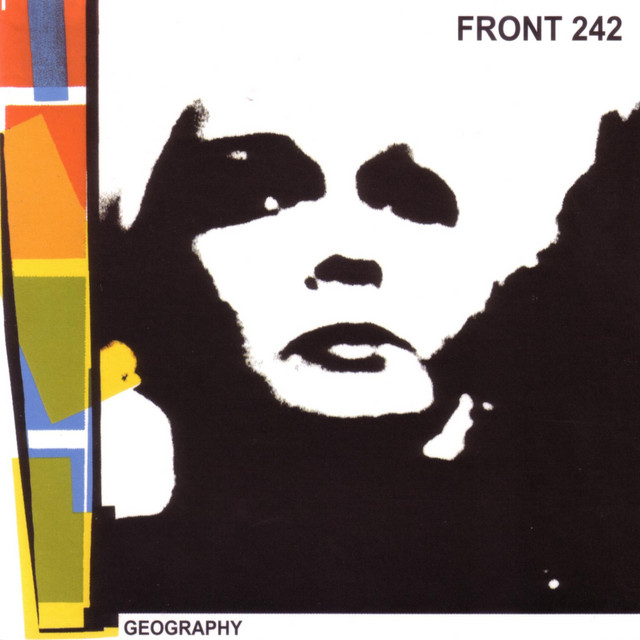
Front 242's 1982 debut, *Geography*, was a foundational text for what would become Electronic Body Music. Before MIDI was commonplace, this Belgian quartet crafted stark, militaristic electronic compositions using analog synthesizers and drum machines, all meticulously sequenced. The tracks possessed an undeniable power, a raw, percussive drive that was both menacing and danceable. Its pre-digital studio approach emphasized mechanical precision and textural depth, forging a new, industrial-tinged sonic language that would heavily inform the nascent techno and industrial scenes throughout the decade.
8. The Message
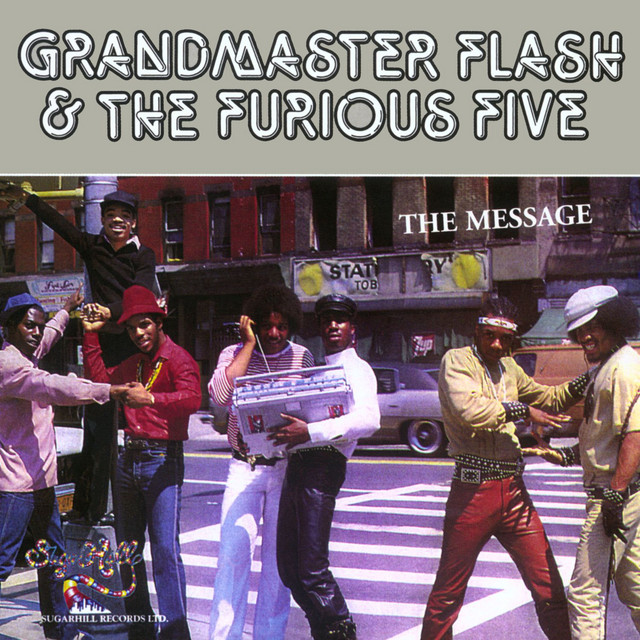
Grandmaster Flash & The Furious Five’s 1982 single, "The Message," wasn’t just a record; it was a profound cultural shift. Beyond the party anthems, it introduced a stark, socio-political narrative to rap, painting vivid pictures of urban decay over a stark, yet infectious, electro-funk beat. The track's groundbreaking use of drum machines and synthesizers, coupled with Melle Mel’s raw, unflinching delivery, demonstrated hip-hop’s potential as a serious artistic and journalistic medium. Its pre-digital production captured a raw, urgent energy that remains unparalleled.