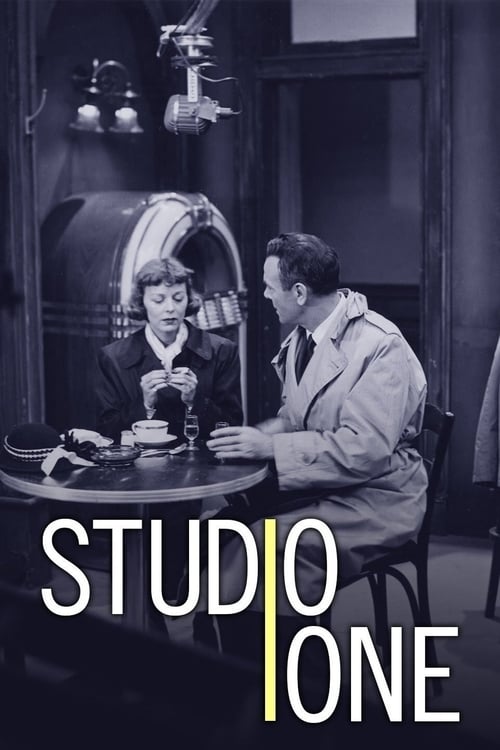
1. Studio One
Oh, "Studio One" was quite something, wasn't it? Live drama, week after week, broadcast right into your living room. You could feel the tension, the raw energy, even through the sometimes-fuzzy kinescope recordings. This was where television proved it wasn't just radio with pictures; it was a new stage. Many big names got their start here, delivering powerful, self-contained stories. A true foundation of dramatic television, and a masterclass in early production limitations turned into art.

2. Naked City
Now, "Naked City" was different. It truly felt like a peek into the real New York, not some studio backlot. The gritty black-and-white cinematography and those location shots gave it a raw, documentary feel. Each week, a new story, a new set of characters entangled in the city's underbelly. It wasn't always pretty, but it was honest. And the ending narration, "There are eight million stories in the naked city. This has been one of them," well, that stuck with you.
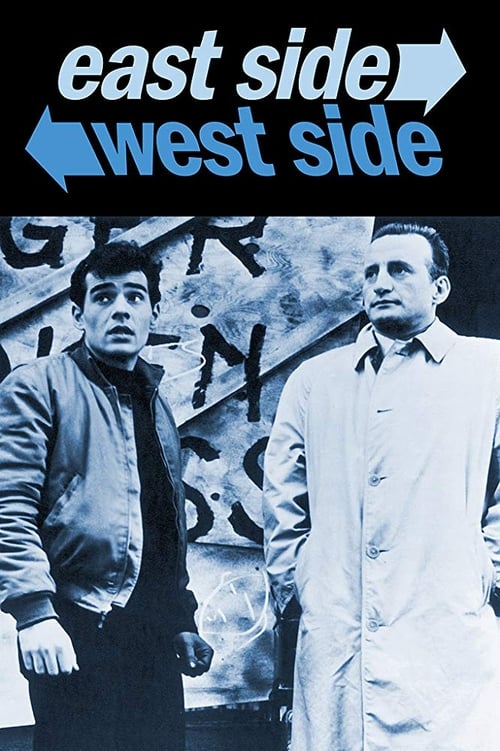
3. East Side/West Side
"East Side/West Side" was a bold move, even for CBS. George C. Scott as a social worker, tackling poverty and prejudice in New York City. This wasn't your typical escapism; it was stark, often uncomfortable, black-and-white drama that really made you think. It was perhaps too serious for its time, confronting issues head-on when most viewers just wanted variety shows. But its commitment to realism and its powerful performances certainly deserved a longer run. A true gem, ahead of its time.

4. The Fugitive
And then there was "The Fugitive." This was groundbreaking, you know, with its serialized storytelling. Dr. Richard Kimble, always on the run, trying to clear his name while Lieutenant Gerard was hot on his heels. Every week was a new town, new faces, but that core mystery just kept you hooked. The black-and-white tension in those early episodes was palpable. It proved that audiences could follow a long, intricate story arc, not just a new plot every seven days. A true pioneer in continuity.
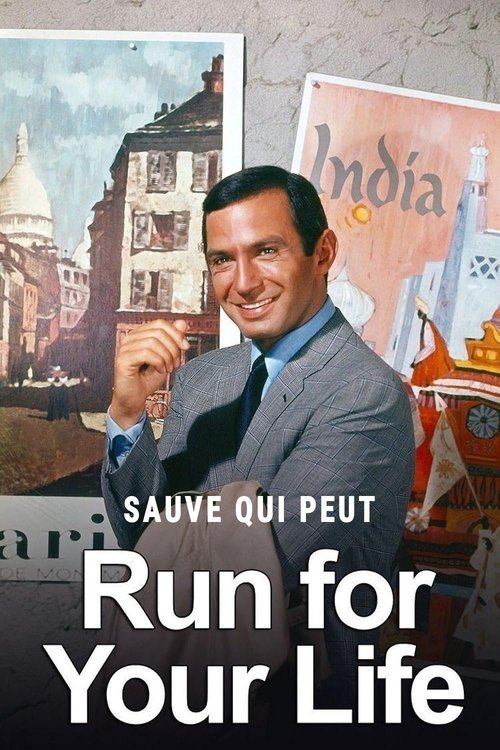
5. Run for Your Life
"Run for Your Life" came along right after "The Fugitive" proved long-form could work. Here, a man given a short time to live decides to experience everything before he goes. It wasn't as intense as Kimble's plight, but it allowed for a wonderful array of guest stars and exotic locales. Mr. Paul Bryan's adventures, often laced with a poignant understanding of mortality, offered a different kind of weekly journey. It was a well-produced drama, giving viewers a chance to see the world from their living rooms.
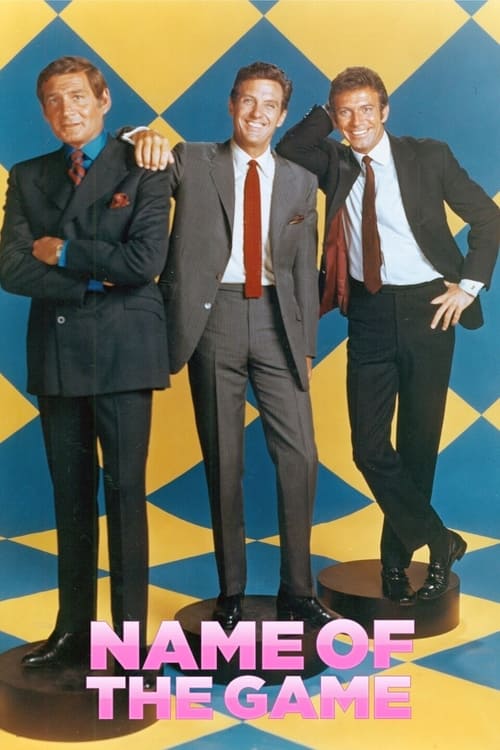
6. The Name of the Game
"The Name of the Game" was an ambitious one-and-a-half-hour beast, wasn't it? It rotated three different lead characters, all working for a big publishing empire. One week you'd have Tony Franciosa on a tough assignment, the next Robert Stack as a hard-nosed editor, and then Gene Barry as the playboy publisher. It was like an anthology series but with a shared universe, a clever way to keep things fresh. They threw a lot of production value at this, and it often paid off with stylish, expansive stories.
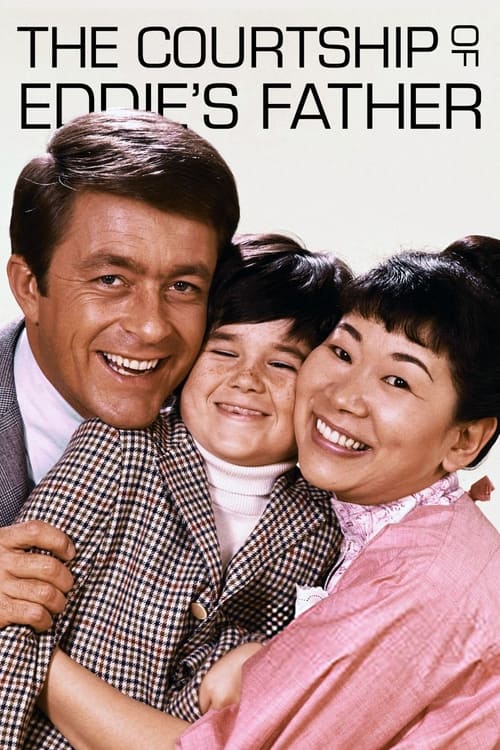
7. The Courtship of Eddie's Father
"The Courtship of Eddie's Father" was just a sweet, gentle sitcom, wasn't it? A widower trying to raise his young son, with Eddie often playing matchmaker for his dad. It had heart, real heart. Bill Bixby and Brandon Cruz had such natural chemistry, and Miyoshi Umeki as Mrs. Livingston was simply delightful. It avoided the broad slapstick of some other comedies, opting for a warmth and quiet humor that always left you feeling good. A lovely family show, pure and simple.
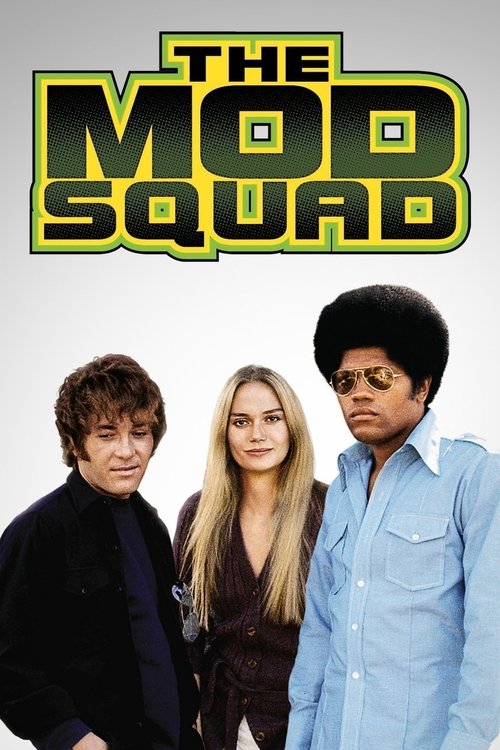
8. The Mod Squad
"The Mod Squad" was definitely trying to speak to the younger generation, with its "one black, one white, one blonde" trio of undercover cops. They were cool, they were hip, and they were always getting into scrapes trying to bust the big guys. It had a certain energy, a faster pace than other crime shows, with its bright colors and groovy soundtrack. It certainly made an impression, showing that television could try to reflect the changing times, even if it was through a network lens.
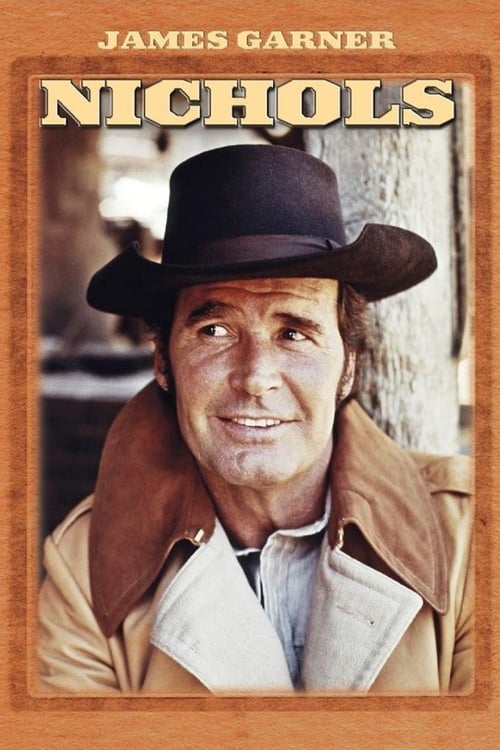
9. Nichols
And then there was "Nichols," starring James Garner, who always had that easy charm. It was a western, but it wasn't *really* a western. Set in 1914, Nichols would rather talk his way out of trouble than shoot, and he rode a motorcycle instead of a horse. It was quirky, a bit melancholic, and definitely ahead of its time for defying genre conventions. Garner made it work, but perhaps audiences weren't ready for such a laid-back, almost anti-hero in a dusty frontier setting. A shame it didn't last.