

1 / 12
1. Studio One
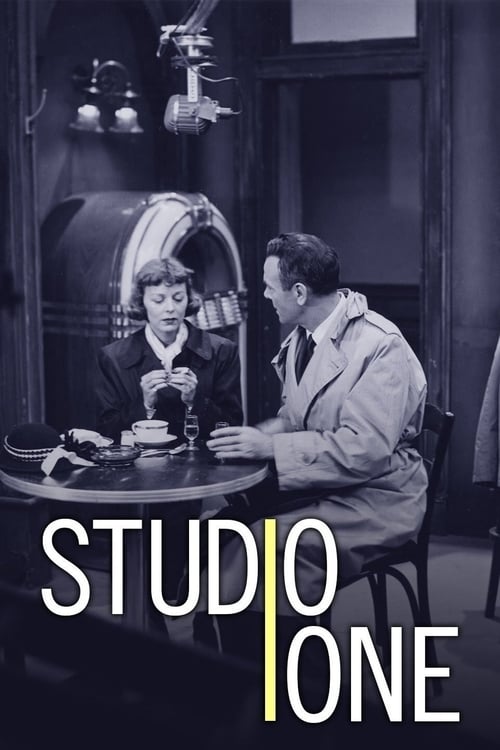
Oh, *Studio One*. Now that was television! Live, mind you, every single week, right there in front of you. The cameras would capture every bead of sweat, every flub, giving it all a raw, immediate feel you just don't get anymore. They'd put on these grand dramas, adaptations mostly, with actors stretching their stagecraft for the small screen. And in black and white, no less, the shadows and stark contrasts added a real gravitas to the whole affair. It was the purest form of the medium, a genuine event.
2 / 12
2. Playhouse 90
*Playhouse 90*, well, they really upped the ante, didn't they? Ninety minutes, live or on film, it was a proper event every time. Not just a quick half-hour, but a full-blown play, often with big-name stars and serious themes. It was where television tried to be taken seriously, like a trip to the theatre but in your living room. The storytelling was deep, the characters complex. It showed what the medium could truly achieve when it stretched its legs a bit, before everything got chopped up into neat little packages.
3 / 12

3. Naked City
*Naked City* was a revelation. It wasn't just studio sets; they took the cameras right out into the streets of New York, giving it a gritty, authentic feel. You could practically smell the exhaust. Each episode felt like a mini-movie, showing the city's underbelly, its real people, not just cardboard cutouts. The black and white cinematography was crucial, adding to that stark, almost documentary style. And the opening line, "There are eight million stories in the naked city," well, that's a classic for a reason.
4 / 12
4. Thriller
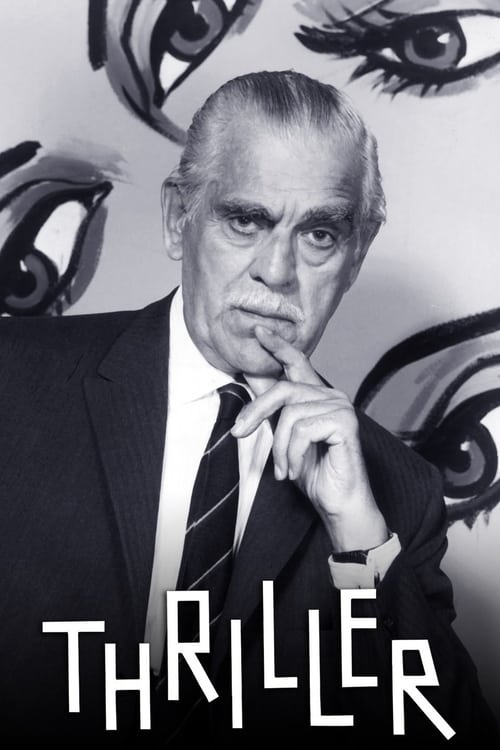
Vincent Price, sorry, *Boris Karloff* hosting *Thriller*! What a treat. This wasn't your run-of-the-mill whodunit. It dipped its toes into the supernatural, the genuinely unsettling. Karloff, with that voice, set the mood perfectly before each tale of terror unfolded. It had a wonderful, gothic sensibility, often with a twist that left you thinking. The shadows on those old black and white sets just amplified the dread. It was smart, spooky television, the kind that got under your skin without resorting to cheap scares.
5 / 12
5. Route 66
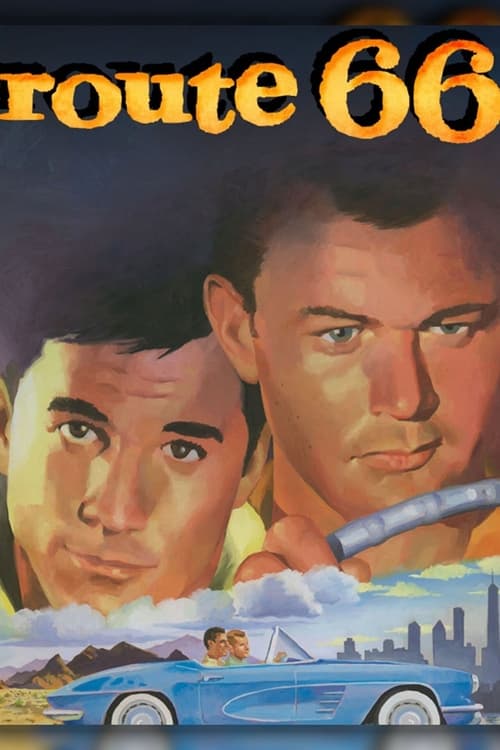
Oh, *Route 66*. Two young fellas, Tod and Buz, just driving around in that Corvette, seeing America. It was like a road trip every week, before anyone really knew what that was on TV. They’d pull into a new town, get involved in some local drama, then be off again. It wasn't about big villains or ongoing plots, just human stories in different settings. The location shooting was a big deal then, showing off the country. It made you want to pack up and hit the open road yourself.
6 / 12
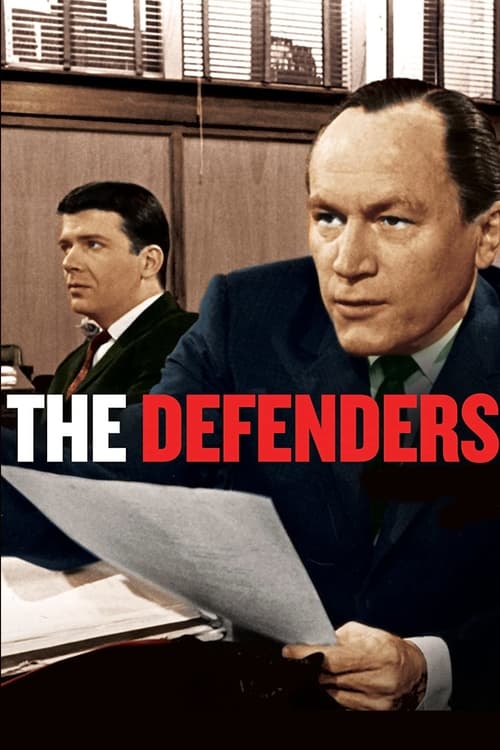
6. The Defenders
*The Defenders* was a powerhouse. A father-and-son legal team tackling cases that weren't just about guilt or innocence, but about profound moral questions. They weren't afraid to dive into controversial social issues of the day, which was quite bold for television back then. The writing was sharp, the acting superb, and it treated the audience with respect, letting you wrestle with the dilemmas alongside the characters. It proved that TV drama could be intelligent and thought-provoking, not just escapism.
7 / 12
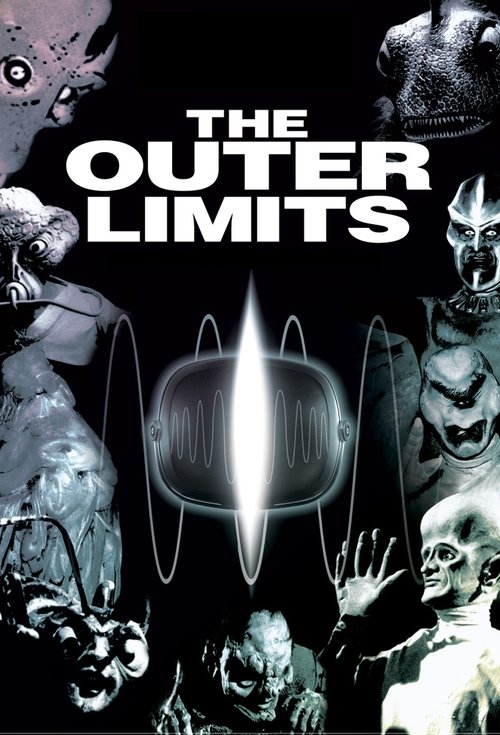
7. The Outer Limits
Don't adjust your set, this is *The Outer Limits*. Now there was a show that knew how to grab you right from the start! It wasn't always about aliens, sometimes it was about the monsters within. The creatures were often bizarre, but the stories were usually quite thoughtful, playing with science fiction ideas and human nature. And that stark black and white photography, especially with those creature designs, really made the fantastic feel chillingly real. It pushed the boundaries of what you could show and tell.
8 / 12
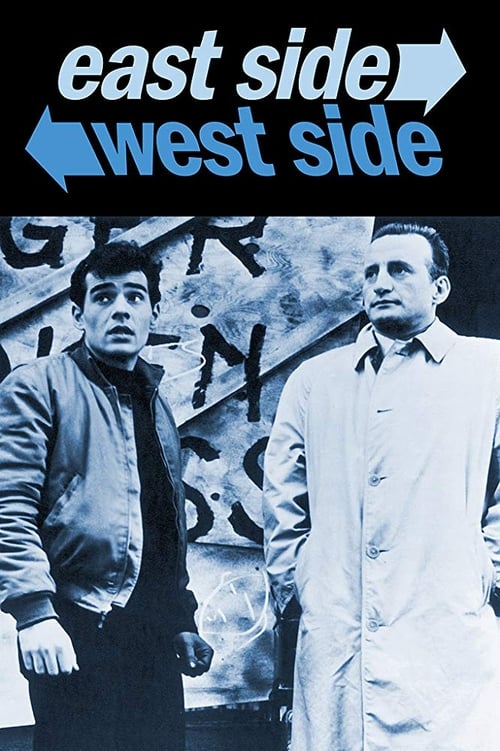
8. East Side/West Side
*East Side/West Side* was ahead of its time, really. George C. Scott playing a social worker in New York, dealing with the harsh realities of poverty, prejudice, and urban life. It was unflinching, almost documentary-like in its approach, tackling subjects that other shows wouldn't touch with a ten-foot pole. It didn't offer easy answers, and sometimes it was downright depressing, but it felt honest. That kind of raw realism, even in a dramatic series, was a rare thing then. It aimed to make you think.
9 / 12
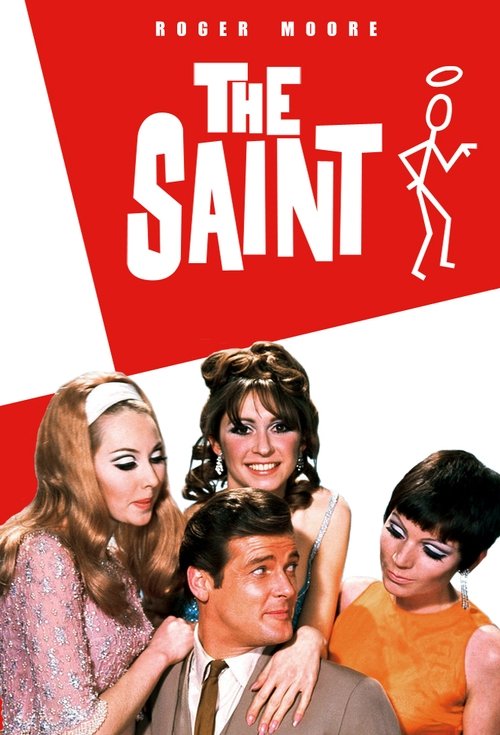
9. The Saint
Ah, Simon Templar, *The Saint*! Roger Moore, before Bond, with that trademark eyebrow raise. This was pure escapism, a charming rogue traveling the world, righting wrongs, usually with a beautiful woman by his side. It was stylish, suave, and always a bit of a puzzle to solve. The exotic locations, even if they were studio backlots mostly, gave it an international flavor. It was a proper adventure series, the kind where the hero always had a clever quip and got out of trouble with a wink.
10 / 12
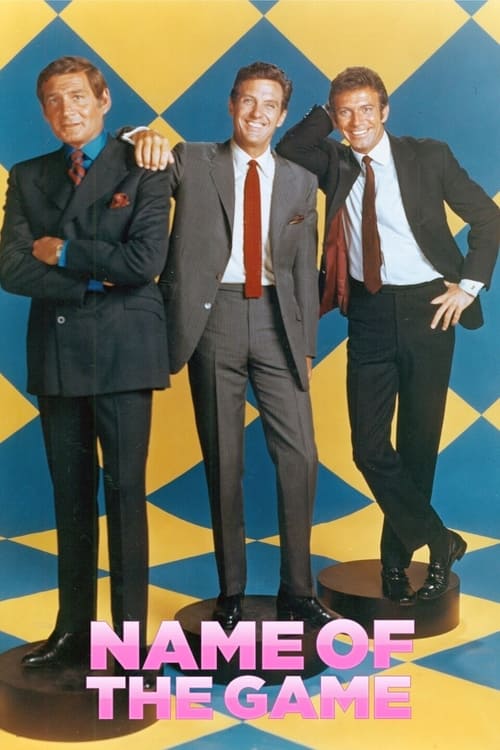
10. The Name of the Game
*The Name of the Game* was an interesting beast. Ninety minutes, rotating lead stars – Robert Stack, Tony Franciosa, Gene Barry – all working for a big publishing empire. Each week, one of them would get a big, sprawling story, often delving into crime or political intrigue. It was an ambitious attempt at long-form television, almost like three different shows under one umbrella, trying to give you a bit of everything. And it allowed for some real depth in the storytelling, a true commitment to an extended narrative.
11 / 12
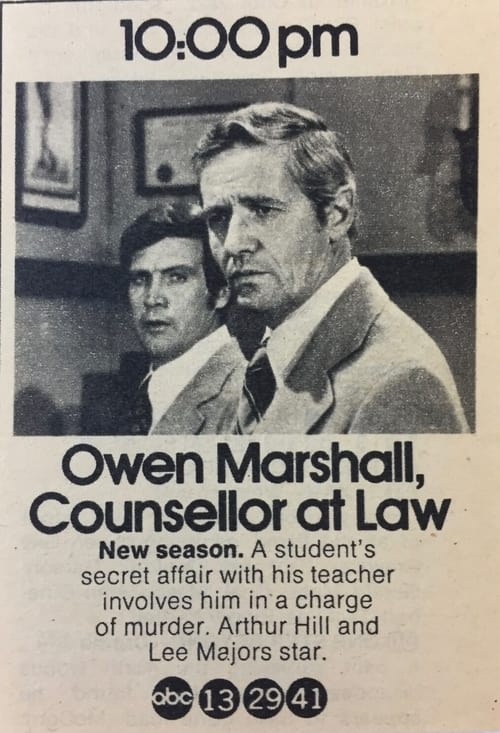
11. Owen Marshall: Counselor at Law
Raymond Burr, after *Perry Mason*, returned to the courtroom as *Owen Marshall*. But this was a different pace entirely. Marshall was a defense attorney, but he was more about justice and understanding than winning at all costs. The show explored the human side of the law, often with a more gentle, thoughtful approach to the characters and their predicaments. It wasn't flashy, but it was solid, well-acted drama, showing that legal battles could be about complex human stories, not just courtroom theatrics.
12 / 12
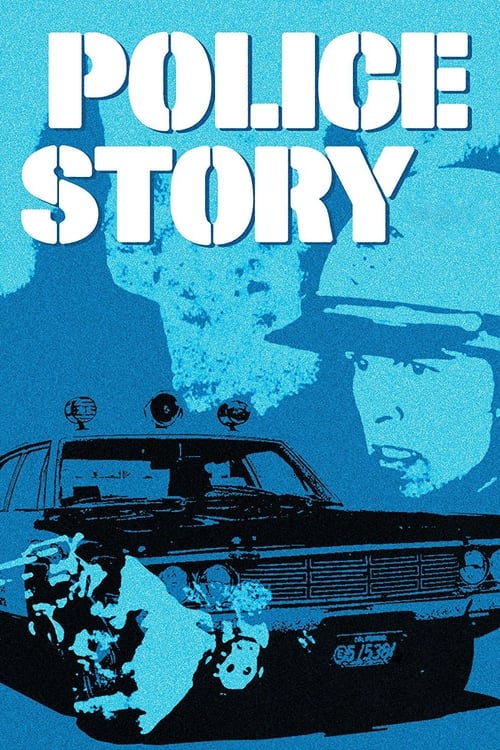
12. Police Story
*Police Story*. Now that was a groundbreaking show. It took a much grittier, more realistic look at police work, from the officers' point of view, not just the detectives. It was an anthology format, so you got different cops every week, different situations, really showing the grind and the danger. It wasn't just catching the bad guy; it was about the daily lives, the emotional toll, the bureaucratic headaches. It influenced nearly every police procedural that came after it, showing the messy reality of the job.