
1 / 10
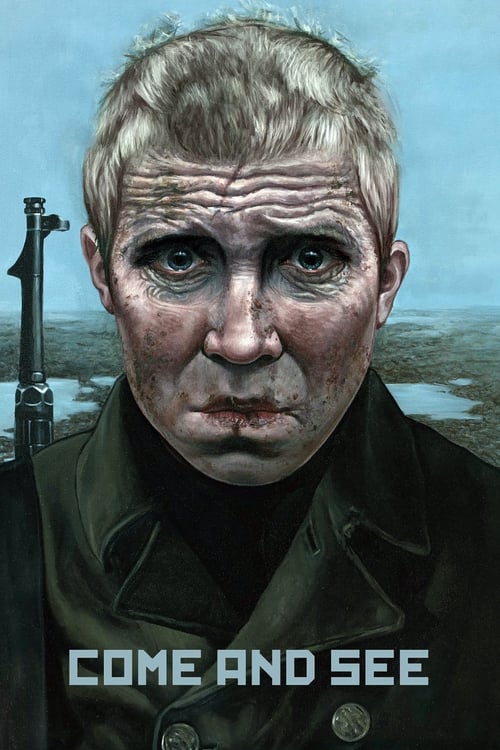
1. Come and See
Elem Klimov's harrowing depiction of the Eastern Front in WWII, viewed through a boy's eyes, is an unflinching, visceral descent into hell. It’s a psychological torment that leaves an indelible mark, more than a war film; it is an anti-war statement of profound, almost unbearable, intensity. Its unflinching realism remains unmatched, capturing the brutal absurdity and dehumanizing nature of conflict with terrifying clarity.
2 / 10
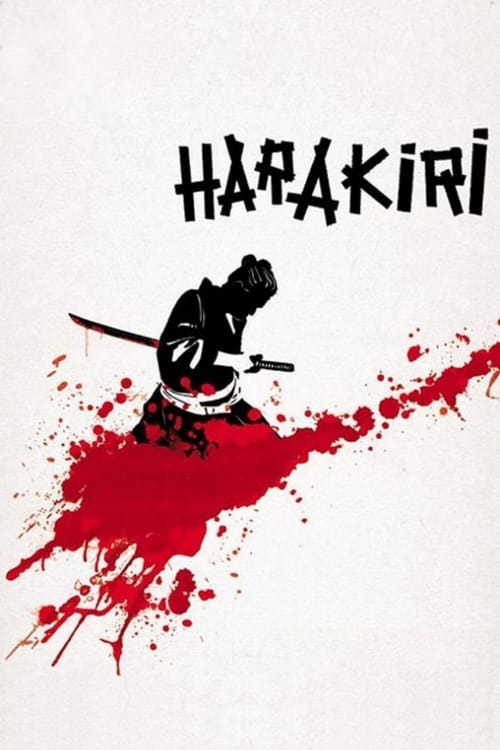
2. Harakiri
Masaki Kobayashi’s austere samurai masterpiece is a devastating critique of feudal honor codes. Told through an intricate flashback structure, it unveils layers of hypocrisy and suffering, culminating in a powerful, melancholic act of defiance. The film's precise compositions and deliberate pacing underscore its thematic weight, making it a timeless examination of integrity against a rigid, unyielding social system.
3 / 10
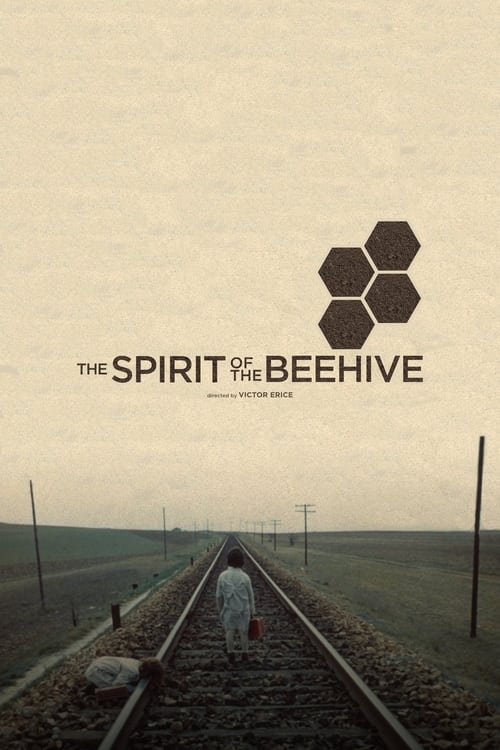
3. The Spirit of the Beehive
Víctor Erice’s lyrical, haunting debut explores the interior world of a young girl in rural Francoist Spain. Inspired by "Frankenstein," it beautifully weaves childhood innocence with the lingering shadows of a repressed society. This is less a narrative-driven film and more an atmospheric immersion into the mysteries of perception and memory, a quiet masterpiece of cinematic poetry on a fractured nation.
4 / 10

4. Army of Shadows
Jean-Pierre Melville’s stark, methodical portrayal of the French Resistance is a masterclass in understated tension. It strips away romantic notions, presenting espionage and sacrifice as a grim, professional endeavor fraught with moral compromises. The film's quiet, almost stoic characters embody a profound sense of fatalism, making it an essential, unvarnished look at wartime heroism and its terrible, ambiguous costs.
5 / 10
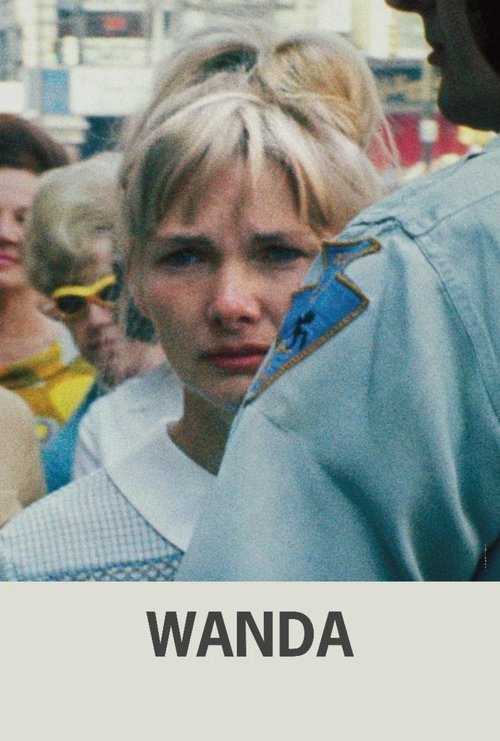
5. Wanda
Barbara Loden’s sole directorial effort is an astonishingly raw, empathetic portrait of a woman adrift in 1970s Pennsylvania. Loden, as Wanda, crafts a character defined by passivity and vulnerability, navigating a world offering little agency. It’s a landmark of independent cinema and proto-feminist filmmaking, observing with unflinching honesty the quiet desperation of an unmoored life without judgment.
6 / 10
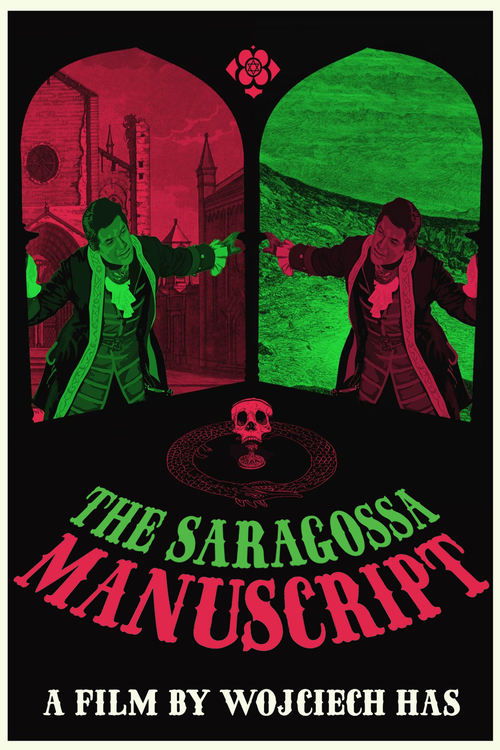
6. The Saragossa Manuscript
Wojciech Has's sprawling, hallucinatory epic is a labyrinth of nested tales, a philosophical puzzle box rooted in 18th-century Spain. It defies easy categorization, blending gothic romance, picaresque adventure, and existential inquiry with a dreamlike fluidity. Its intricate structure and visual richness create an utterly unique, mesmerizing cinematic experience that rewards deep engagement and multiple viewings.
7 / 10
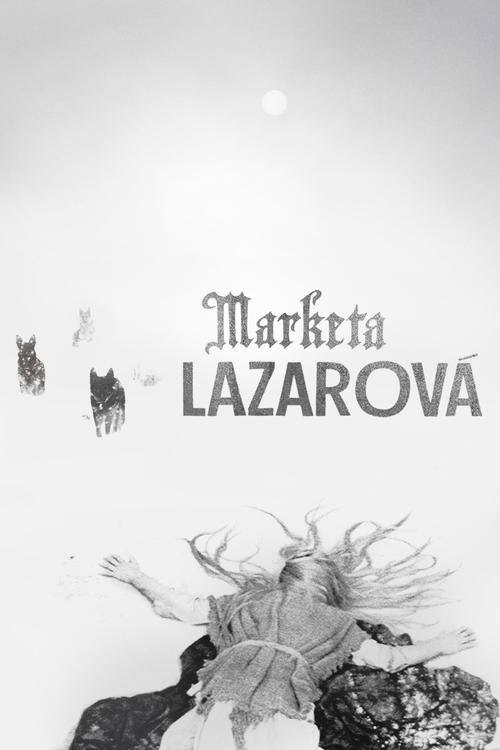
7. Marketa Lazarová
František Vláčil’s medieval Czech epic is an unparalleled sensory experience. Brutal and poetic, it plunges viewers into a primeval world of warring clans, religious fervor, and raw human instinct. Its stunning black-and-white cinematography and fragmented narrative create a mythic, almost operatic quality, making it less a historical drama and more a primal, unforgettable immersion into the distant, savage past.
8 / 10
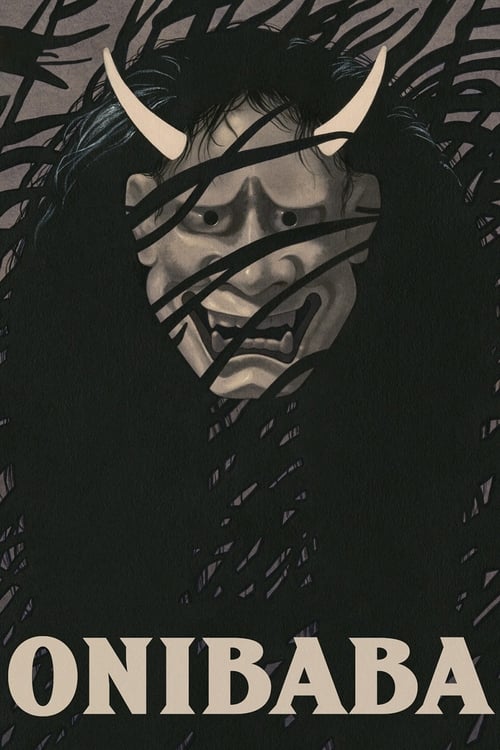
8. Onibaba
Kaneto Shindō's primal, atmospheric horror film explores lust, survival, and superstition in 14th-century Japan. Two women, eking out a living by killing samurai, find their dark existence disturbed by desire. Its stark visual poetry, intense performances, and allegorical depth create a genuinely unnerving and timeless examination of human nature's darker impulses, echoing ancient folk tales with brutal elegance.
9 / 10

9. Scarecrow
Jerry Schatzberg’s poignant road movie features Al Pacino and Gene Hackman as two drifters chasing an elusive dream across America. It’s a masterclass in character acting, portraying an unlikely friendship with gritty realism and profound empathy. This film captures the melancholic spirit of 1970s American cinema, a raw, unsentimental look at broken men clinging to fragile hopes on the margins of society.
10 / 10

10. if....
Lindsay Anderson's incendiary, surreal satire of the British public school system culminates in anarchic rebellion. Mixing stark realism with dreamlike sequences and sudden shifts to color, it’s a furious critique of authoritarianism and class. Malcolm McDowell's iconic performance anchors this provocative, era-defining film, a potent call to arms against suffocating tradition and oppressive institutions from an auteur's perspective.