

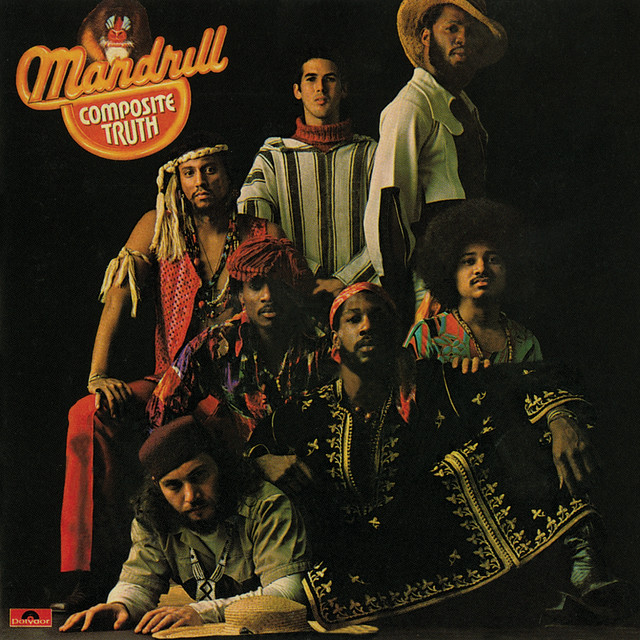
1. Composite Truth
This record, emerging from an era of boundless analog experimentation, presents a labyrinthine sonic architecture. Its dense layers of intricate instrumentation, often blurring the lines between jazz-fusion's precision and art-rock's daring, demand repeated listening. The studio itself feels like an additional instrument, shaping expansive soundscapes with tape delays and spring reverbs, crafting a truth not easily grasped, but profoundly felt. It’s a testament to pre-digital ingenuity.

2. Ege Bamyasi (Remastered Version)
Can's ability to forge a hypnotic groove from seemingly disparate elements remains unparalleled. This remastered version clarifies the original's already potent brew of motorik rhythms, Damo Suzuki's abstract vocalizations, and the almost telepathic interplay of instrumentalists. It’s a masterclass in controlled chaos, where every tape splice and echo effect feels deliberate, pushing the boundaries of what rock music could be, utterly analog in its essence.

3. Secret Treaties
Blue Öyster Cult’s 1974 offering solidified their unique blend of intellectual menace and hard rock muscle. The album’s production, raw yet potent, perfectly frames the twin-guitar assaults and Eric Bloom’s sardonic delivery. Lyrically dense and musically adventurous, it's a foundational text for what would become metal's more cerebral wing. The sheer power captured in those grooves, before digital polish sanitized everything, is undeniable.
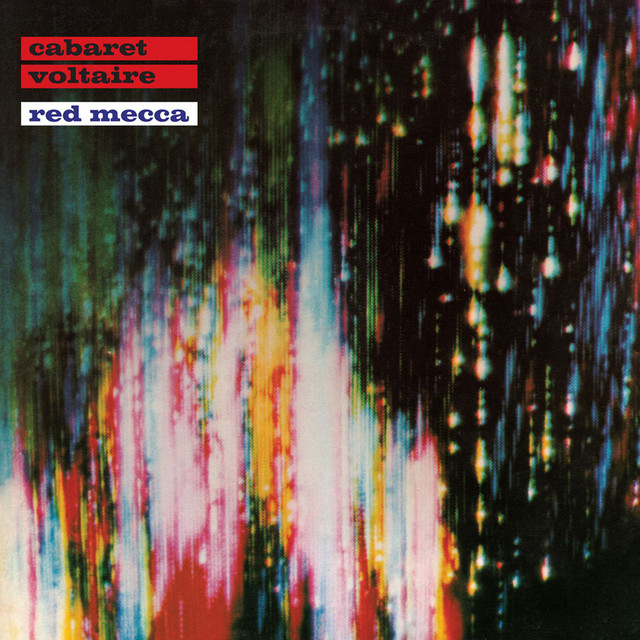
4. Red Mecca
Cabaret Voltaire, circa 1981, delivered a bleak, percussive vision with "Red Mecca." This isn't music for comfort; it's an industrial landscape constructed from tape loops, processed vocals, and stark, mechanical rhythms. The absence of conventional melody is its strength, creating an oppressive, yet oddly compelling, atmosphere. It showcases the raw, unpolished power of early electronic experimentation, before synth-pop diluted the genuine grit of the underground.
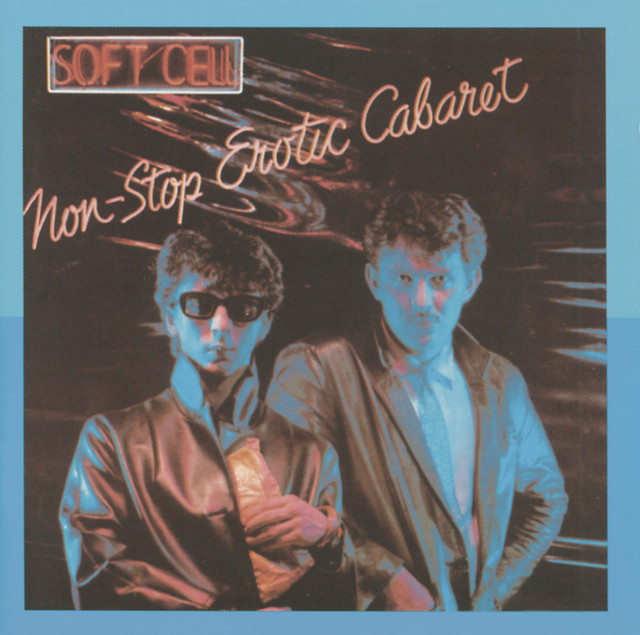
5. Non-Stop Erotic Cabaret
Soft Cell's debut perfectly captured the nascent synth-pop zeitgeist, but with a crucial dark underbelly. Marc Almond’s theatrical, often melancholic vocals draped over Dave Ball’s deceptively simple, yet utterly effective, analog synth arrangements. It's an album that understands urban loneliness and fleeting pleasures, delivered with an accessible sheen that belies its thematic depth. A cornerstone of early 80s electronic pop, before digital coldness set in.
6. Amnesia
Future Sound of London’s "Amnesia" signaled a significant shift in electronic music's expressive potential. Its intricate programming, merging ambient textures with subtle rhythmic pulses, created immersive soundscapes. This wasn't just dance music; it was a journey into evolving sonic architecture. The clever manipulation of analog and early digital synthesis revealed a new frontier for studio artistry, hinting at the complex, layered sound design that would define the decade's close.
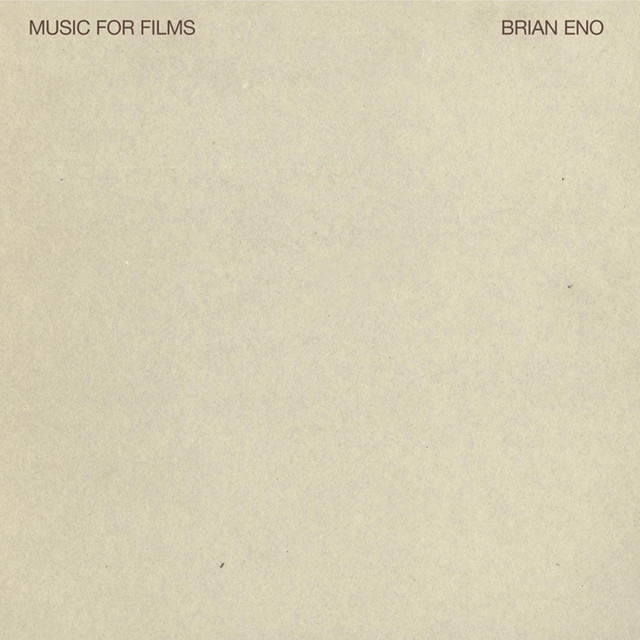
7. Music For Films
Brian Eno’s conceptual brilliance is evident throughout "Music For Films." It’s less a collection of songs and more a series of sonic environments, meticulously crafted to evoke specific moods. The judicious use of tape loops, treated instruments, and atmospheric processing demonstrates an unparalleled understanding of texture and space. This record proves that the analog studio could be an instrument of infinite possibility, creating ambience long before 'chill-out' became a marketing term.
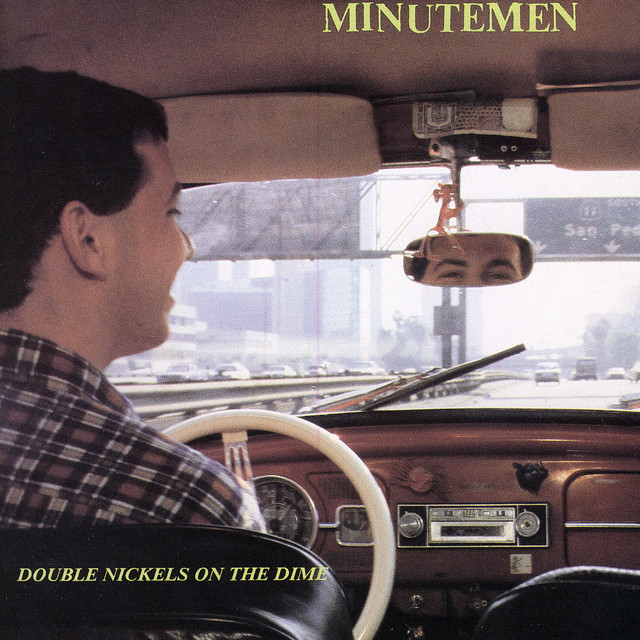
8. Double Nickels on the Dime
Minutemen's sprawling masterpiece is a testament to punk's intellectual curiosity and boundless energy. D. Boon's angular guitar, Watt's propulsive bass, and Hurley's idiosyncratic drumming create a uniquely American sound. Spanning genres and defying conventions, it’s a fiercely independent statement, recorded with a raw immediacy that captures every frenetic riff and politically charged lyric. It's proof that vision triumphs over polish every single time.
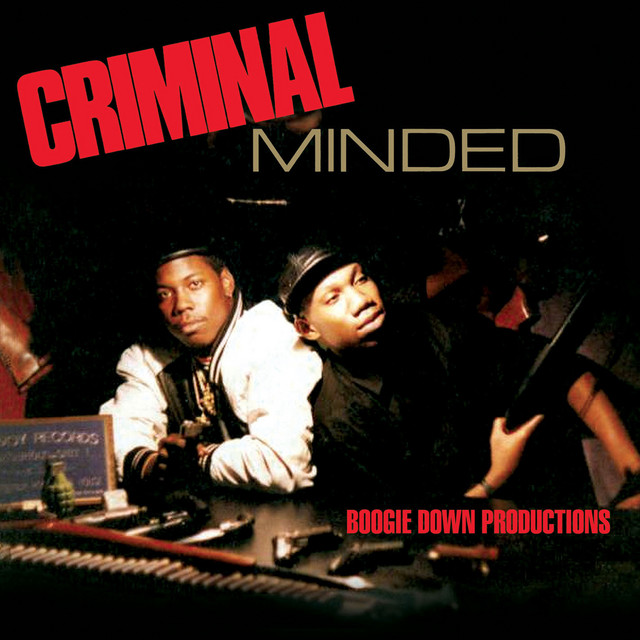
9. Criminal Minded (Deluxe)
Boogie Down Productions’ 1987 debut was a raw, unfiltered blast of street wisdom and groundbreaking beats. KRS-One's lyrical dexterity and confrontational delivery, backed by Scott La Rock’s sparse but potent production, laid down a blueprint for intelligent, hard-hitting hip-hop. This deluxe version underscores the foundational impact of its drum machine programming and raw sampling, an essential document from rap’s golden age, before over-production became rampant.

10. Deceit
This Heat’s second album is a challenging, yet utterly rewarding, listen. Its fractured rhythms, dissonant guitars, and politically charged spoken-word passages create a sense of unease and urgency. The band’s experimental approach to recording, layering tape loops and found sounds, pushes the boundaries of post-punk into truly uncharted territory. It’s a stark, uncompromising sonic document that still sounds ahead of its time, demonstrating the raw power of analog manipulation.
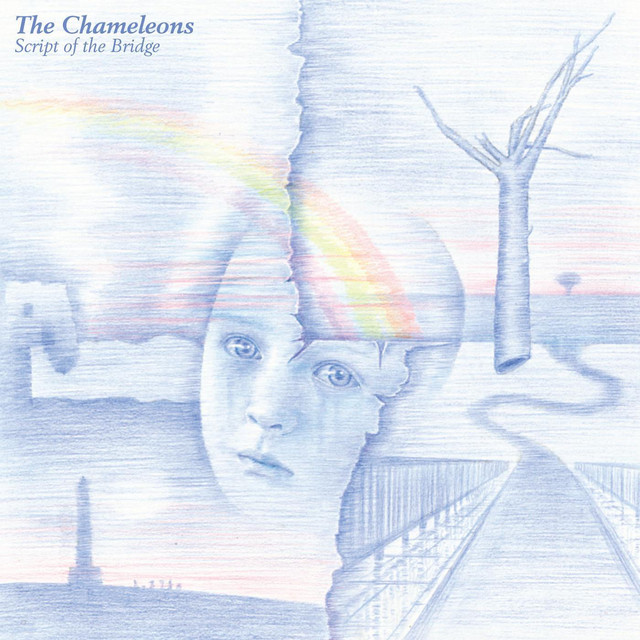
11. Script of the Bridge (Remastered)
The Chameleons' debut remains a towering achievement in post-punk, a masterclass in atmospheric guitar work and melancholic grandeur. Mark Burgess's evocative vocals soar over intricate, shimmering arrangements, each note resonating with profound emotion. This remastered version enhances the clarity, but the fundamental analog warmth and spatial depth of the original production shine through, creating an immersive experience that few bands ever truly matched.