
1. Naked City
This half-hour "Naked City" was a different beast than its later incarnation. It was a gritty, black-and-white postcard from the streets of New York, filmed right there, not on some Hollywood lot. And you felt it, the immediacy of those city stories. Kinescope often made it look starker, but that just added to the realism, the grim poetry of urban life and the police beat. A real document.
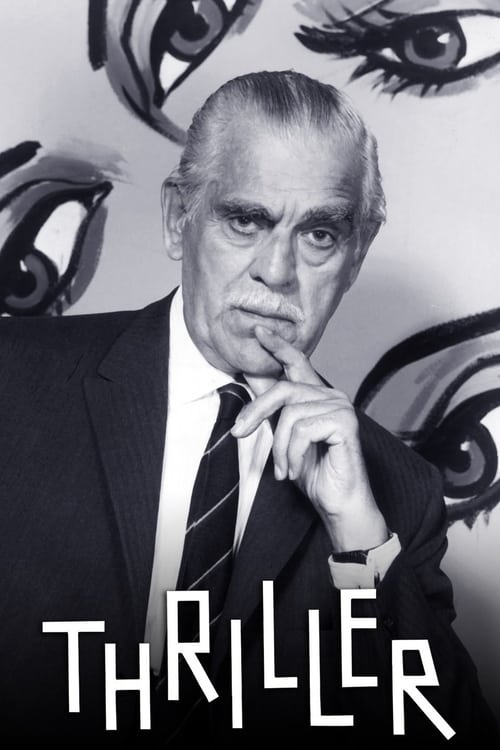
2. Thriller
Boris Karloff, always a gentleman, introducing tales that truly lived up to the title. This wasn't cheap scares; it was slow-burn suspense, often with a psychological edge or a supernatural whisper. And in stark black and white, those shadows played tricks on your eyes, making the familiar suddenly sinister. They knew how to build dread without showing everything. A masterclass in atmospheric unease.
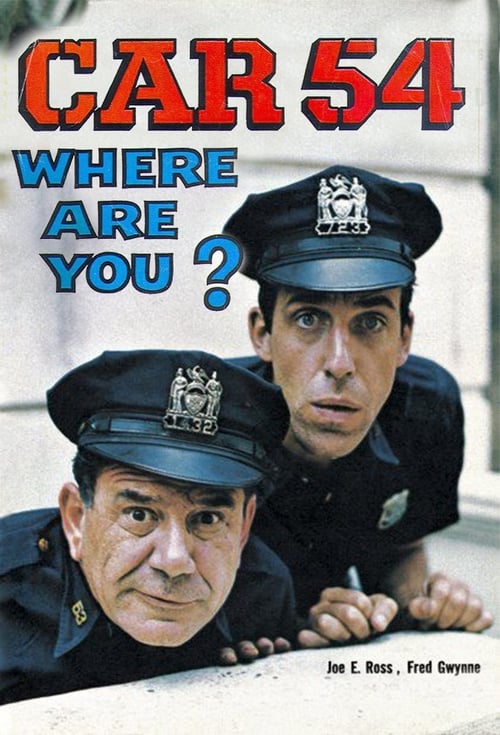
3. Car 54, Where Are You?
Oh, Fred Gwynne and Joe E. Ross, a perfect comedic pairing in the 53rd precinct. This was pure, unadulterated slapstick and character comedy, the kind that relied on timing and those wonderful, rubbery faces. It never took itself seriously, just two bumbling cops trying their best in the urban jungle. A bright spot, and proof you didn't need color for big laughs. Good, wholesome fun.
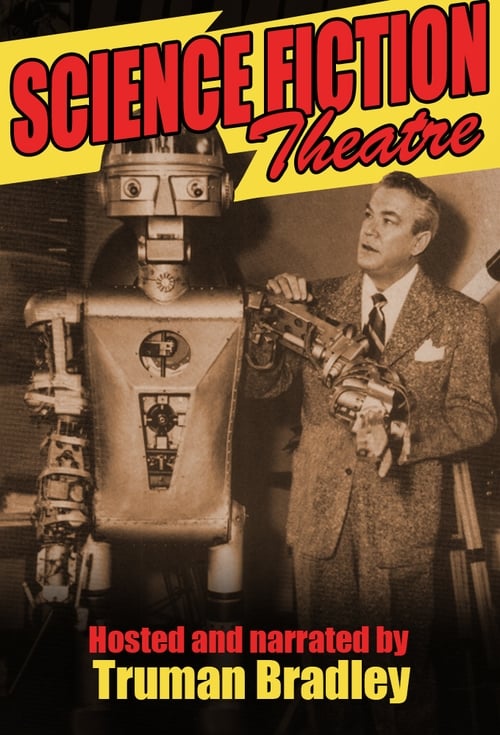
4. Science Fiction Theatre
Before rockets were commonplace, this show took you to the edge of what was possible, or at least, what looked possible on a small screen. It tackled everything from robots to space travel, always with a scientific veneer, even if the explanations sometimes stretched belief. But it got you thinking, and that was the point. An earnest attempt to explore the future, in glorious, sometimes fuzzy, black and white.
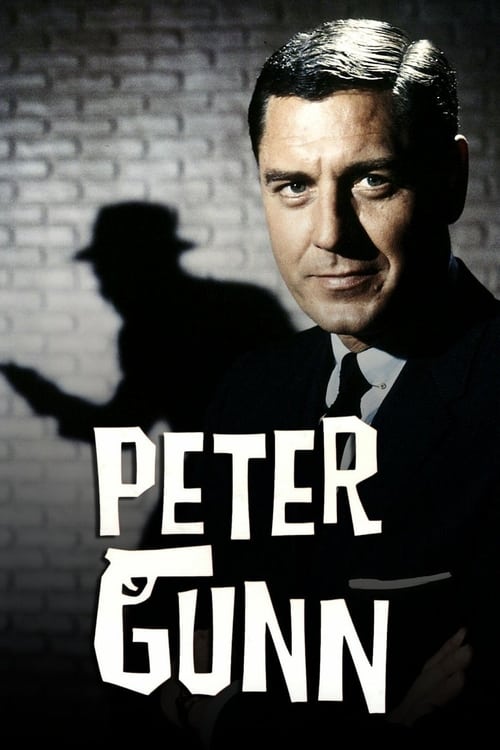
5. Peter Gunn
Now, this was slick. Peter Gunn, in his sharp suits, navigating the smoky jazz clubs and shadowy back alleys. Henry Mancini's score was practically a character itself, setting a mood that modern shows still try to emulate. A detective who was cool, calm, and collected, always with a dame in distress or a criminal to outsmart. Black and white never looked so stylish or sounded so good.

6. The Phil Silvers Show
Sgt. Bilko, the ultimate schemer, always trying to pull one over on Colonel Hall. This was a masterclass in ensemble comedy, fast-talking and filled with physical gags. Phil Silvers had a way with a line, and his motor-mouthed antics kept the army camp in delightful chaos. A true broadcast gem, showing how sharp writing and brilliant performances could carry a show for years. Still holds up.
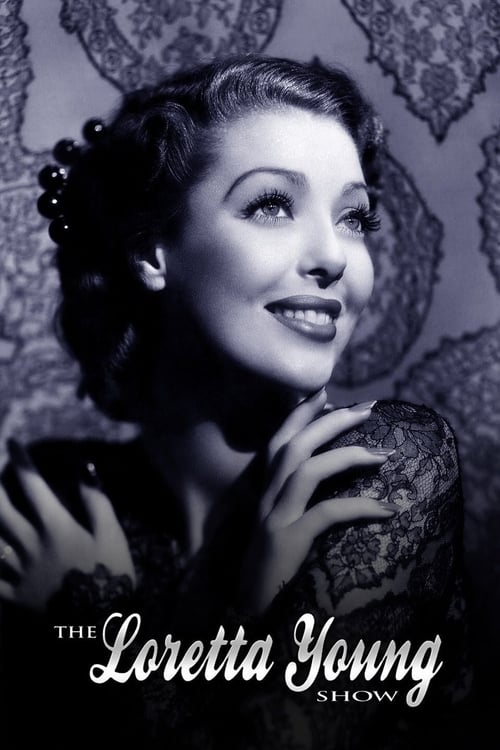
7. Letter to Loretta
Loretta Young, always graceful, sweeping onto the set in those magnificent gowns before each dramatic offering. This was classic black-and-white melodrama, often with a moral to the story, presented with earnest sincerity. She played everywoman, from schoolteacher to socialite, usually facing some heartfelt dilemma. It was appointment viewing for many, a weekly dose of sentiment and star power. They don't make them like that anymore.