1 / 10
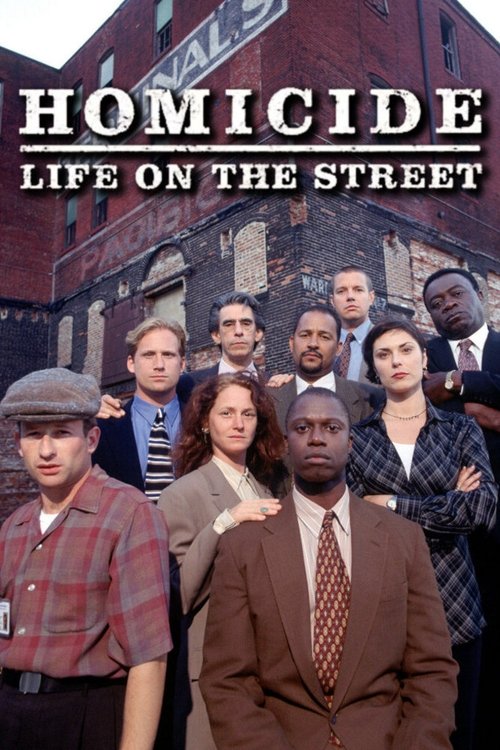
1. Homicide: Life on the Street
Before cable owned "prestige," Homicide was throwing out the rulebook on network TV. It wasn't about solving the case in an hour; it was about the grind, the psychological toll, and the cramped squad room. The hand-held cameras and jump cuts felt more like a movie than your typical procedural, pushing boundaries and proving that intelligent, serialized drama could find a home, even if it was a tough watch. It set a bar.
2 / 10
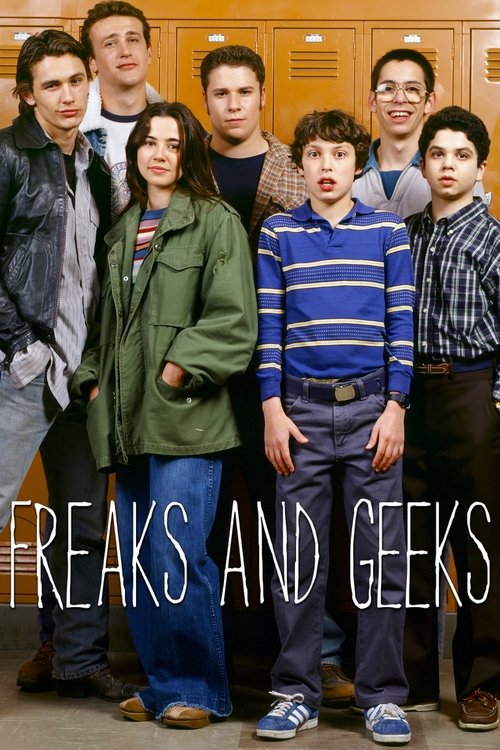
2. Freaks and Geeks
This show was a one-season wonder that still resonates because it dared to portray high school as it actually felt: awkward, messy, and totally unglamorous. It perfectly captured that specific late-70s suburban ennui, giving us characters who felt real, not manufactured. It proved that sometimes the most honest, character-driven storytelling, even if it gets cancelled too soon, leaves a bigger mark than a dozen generic hits.
3 / 10
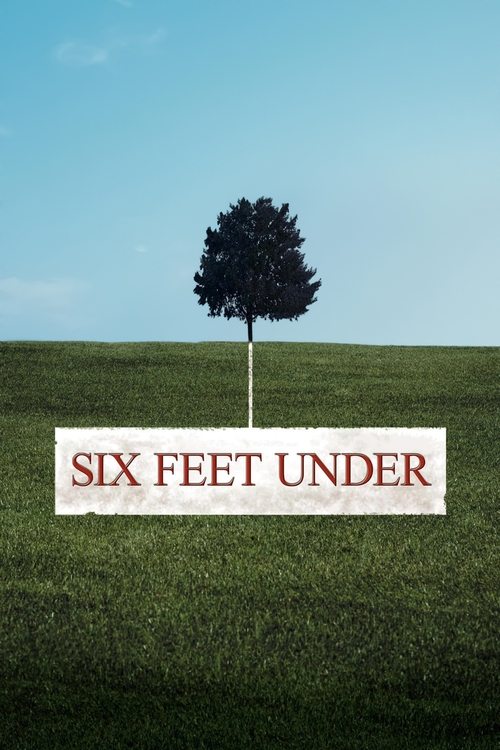
3. Six Feet Under
HBO was already on a roll, but Six Feet Under really cemented the idea that cable could go places broadcast wouldn't dare. A show about a family running a funeral home? It was morbid, darkly funny, and incredibly human, staring death in the face every week. The performances were raw, the storytelling deeply personal, and it showed how far serialized drama could push emotional boundaries, making every character's journey feel profoundly impactful.
4 / 10
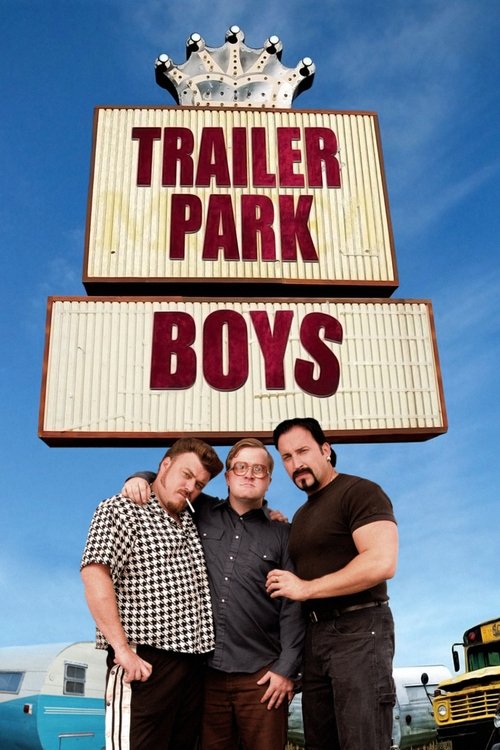
4. Trailer Park Boys
Forget polished sitcoms; Trailer Park Boys brought us a whole new breed of comedy with its raw, mockumentary style. These guys were unapologetically trashy, constantly scheming, and somehow, completely endearing. It found its audience through sheer word-of-mouth and later, through the emerging world of online streaming, proving that truly unique, uncompromised visions could bypass traditional gatekeepers and build a fiercely loyal following. It was low-fi genius.
5 / 10
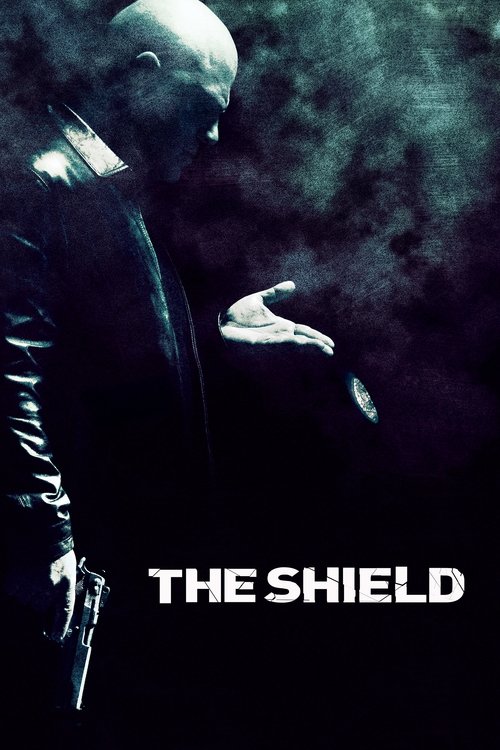
5. The Shield
FX threw down a gauntlet with The Shield. Vic Mackey wasn't just a tough cop; he was a brutal anti-hero, blurring the lines between justice and corruption in a way network TV wouldn't touch. It was aggressive, morally complex, and absolutely fearless in its serialized storytelling, forcing viewers to confront uncomfortable truths about power and policing. This was cable stepping up, proving you could be both critically acclaimed and relentlessly intense.
6 / 10
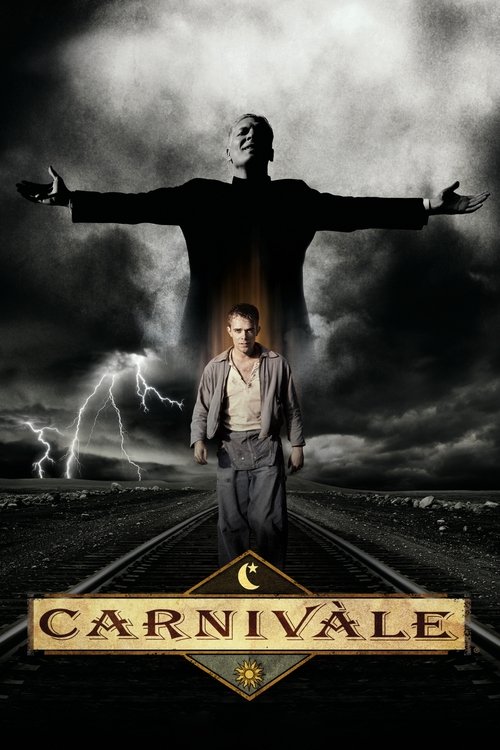
6. Carnivàle
Carnivàle was HBO's swing for the fences, a visually stunning, deeply ambitious saga set during the Great Depression. It was dense, surreal, and packed with mythology, treating television like a grand, cinematic novel. You didn't just watch it; you immersed yourself in its strange, atmospheric world. While maybe too much for some, it proved that TV could chase big ideas and deliver an epic, almost overwhelming, viewing experience, even if it didn't always stick the landing.
7 / 10
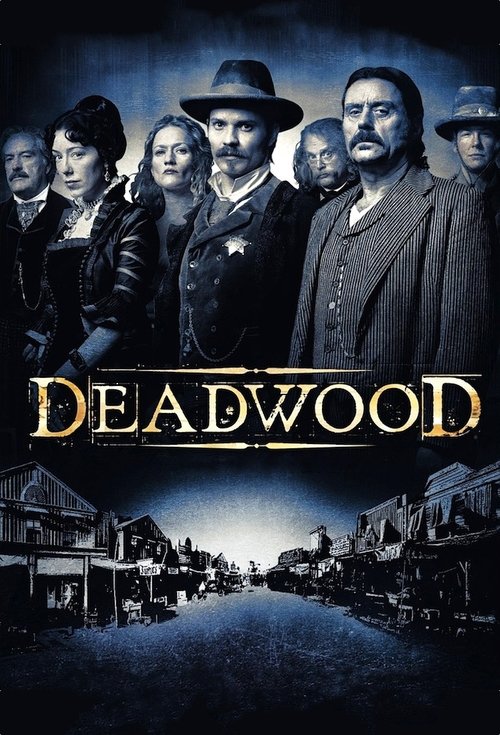
7. Deadwood
Deadwood wasn't just a western; it was a masterclass in language and character. David Milch crafted a world so rich and authentic, where every filthy word felt like poetry. The ensemble cast was phenomenal, and the show felt less like a TV series and more like a historical novel brought to life with cinematic grit. It showed how far cable could push period drama, creating something truly unique and unforgettable, full of raw power and surprising beauty.
8 / 10
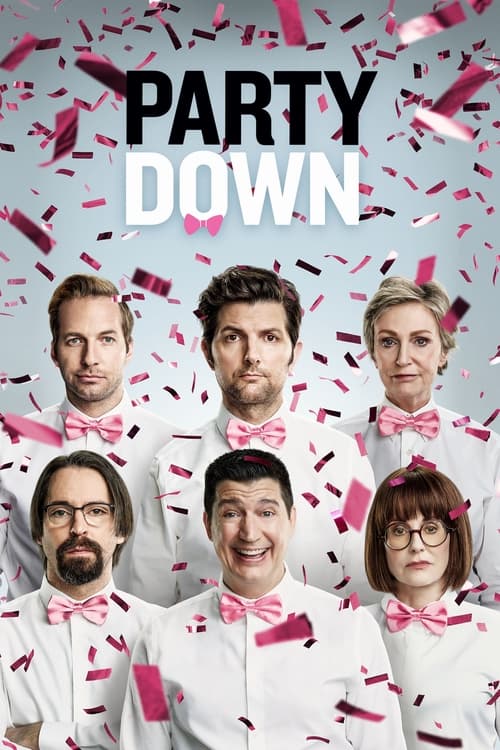
8. Party Down
This Starz gem was a hilarious, painfully relatable look at a catering crew of aspiring Hollywood dreamers. It had that sharp, ensemble-driven comedy that felt both improvised and meticulously crafted. It never got huge ratings but built a cult following, thriving on word-of-mouth and its eventual availability on demand. Party Down proved that great comedy could find its niche outside the major networks, delivering smart laughs and genuine pathos.
9 / 10
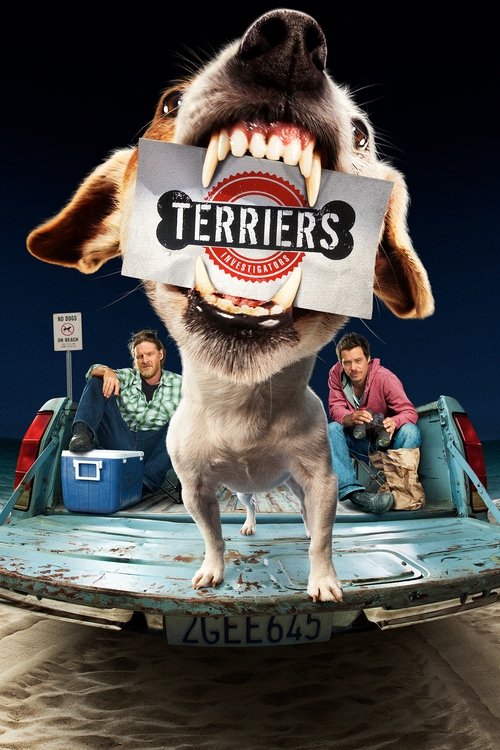
9. Terriers
Terriers was a gem that got cancelled way too soon, but it left an indelible mark. It was a character-driven, noir-ish dramedy about two unlicensed private investigators that felt more like an indie film than a TV show. The chemistry between the leads was electric, and the writing was sharp, nuanced, and surprisingly heartfelt. FX was really betting on distinct voices at this point, and Terriers showed how much could be done with a unique tone and solid performances, even if it ended too soon.
10 / 10
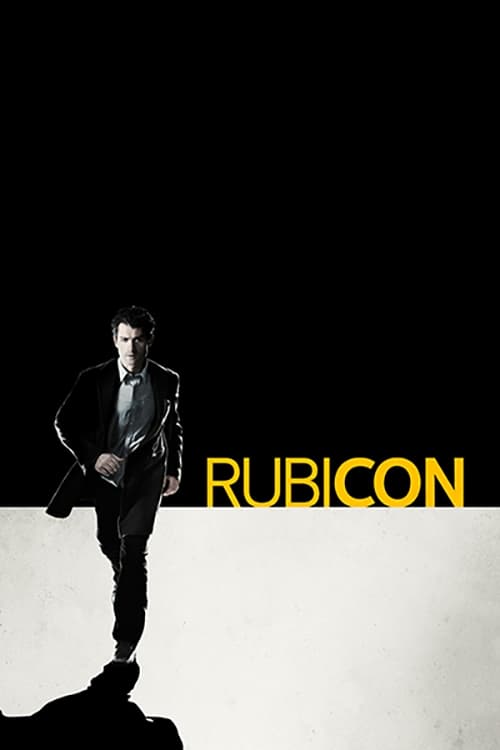
10. Rubicon
Coming after Mad Men and Breaking Bad, Rubicon showed AMC's commitment to intelligent, slow-burn storytelling. It was a dense, atmospheric conspiracy thriller that demanded attention, focusing on subtle details and psychological tension over explosions. It was a show for thinkers, proving that a network could build a brand around sophisticated, serialized narratives that respected the viewer's intelligence, even if its intricate plot didn't always grab a mass audience.