

1 / 12
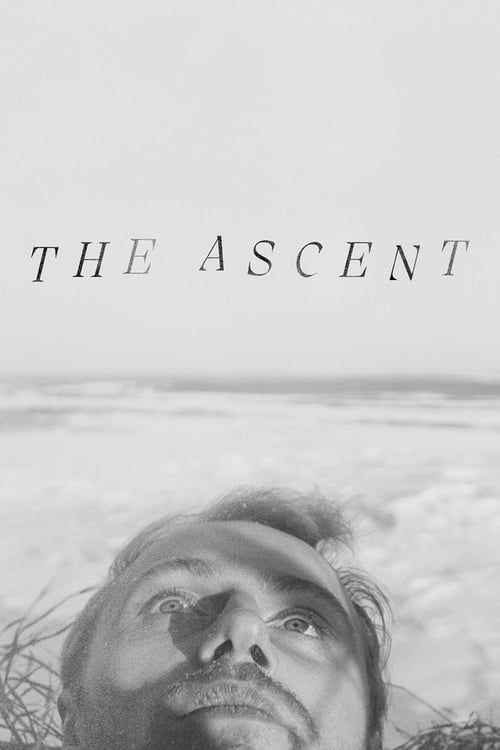
1. The Ascent
Elem Klimov’s stark, relentless portrayal of two Soviet partisans trapped behind enemy lines in winter is less a war film and more a searing meditation on the human spirit’s capacity for endurance and atrocity. It’s a descent into an ethical abyss, where moral compromise is not an option but a terrifying inevitability. The black and white cinematography amplifies its bleak, almost hallucinatory realism, leaving an indelible mark on the viewer's psyche.
2 / 12

2. Withnail & I
Bruce Robinson's cult classic navigates the squalor of late-1960s London, following two unemployed actors on a disastrous country holiday. It’s a darkly humorous, profoundly melancholic character study, fueled by sharp dialogue and unforgettable performances. The film captures the bittersweet dissolution of a particular kind of bohemian existence, leaving one with a sense of both laughter and profound elegy for lost youth and ideals.
3 / 12
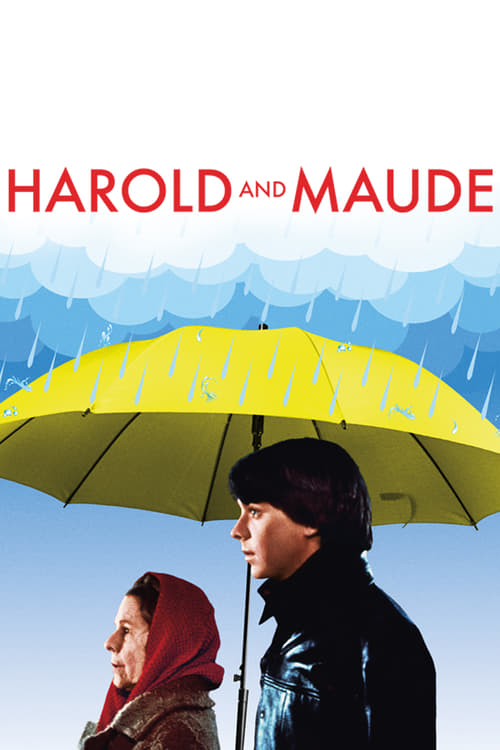
3. Harold and Maude
Hal Ashby’s unconventional black comedy champions life in the face of death, charting the peculiar romance between a morbid young man and an octogenarian woman with an insatiable zest for existence. It’s a subversive, deeply moving film that playfully skewers societal norms and celebrates individuality. The film's enduring charm lies in its affirmation of joy and connection amidst the absurdity of human experience.
4 / 12
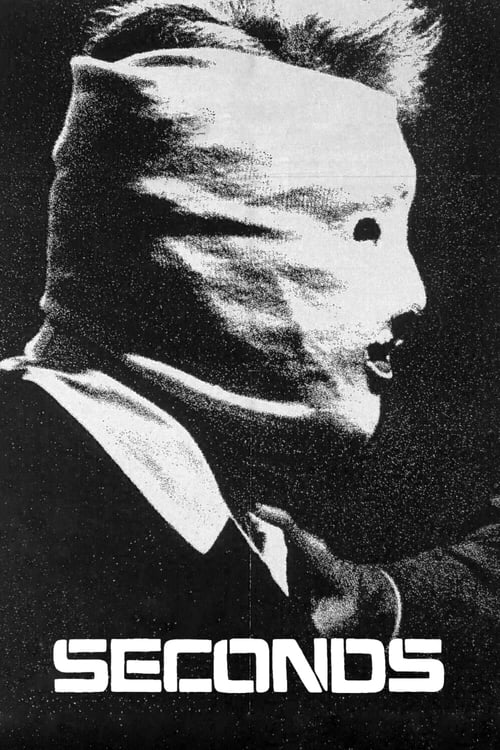
4. Seconds
John Frankenheimer’s disquieting science fiction thriller delves into the terrifying concept of identity transference for the wealthy and dissatisfied. Rock Hudson delivers a haunting performance as a man attempting to escape his mundane life, only to find himself trapped in a new, equally alienating existence. It’s a chilling commentary on the American Dream, corporate control, and the inescapable self.
5 / 12

5. Wake in Fright
Ted Kotcheff's brutal, sun-drenched nightmare plunges a refined schoolteacher into the primal, masculine abyss of the Australian outback. This visceral psychological thriller explores themes of isolation, xenophobia, and the thin veneer of civilization. Its unrelenting depiction of drunken debauchery and kangaroo hunting is not for the faint of heart, remaining a truly disturbing and unforgettable cinematic experience.
6 / 12
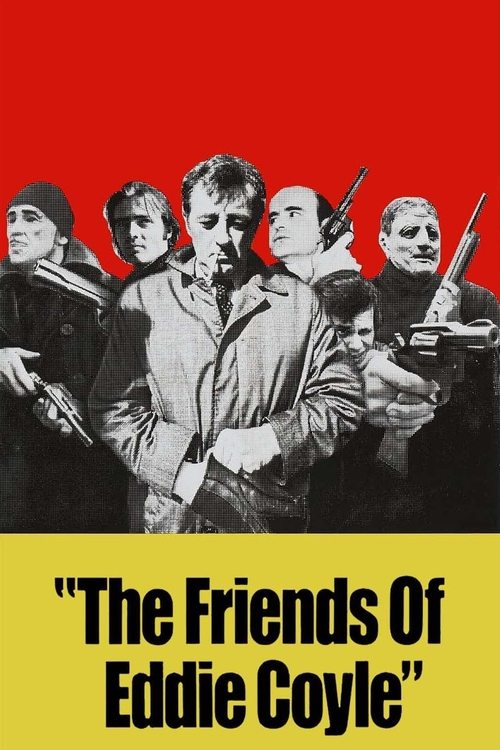
6. The Friends of Eddie Coyle
Peter Yates’ gritty, unsentimental crime drama offers a bleak, naturalistic portrait of the Boston underworld. Robert Mitchum delivers one of his career-best performances as an aging, low-level gunrunner caught between loyalty and survival. It’s a masterclass in procedural realism, depicting the desperate, grinding reality of lives spent on the margins of legality, devoid of glamour.
7 / 12
7. The Vanishing
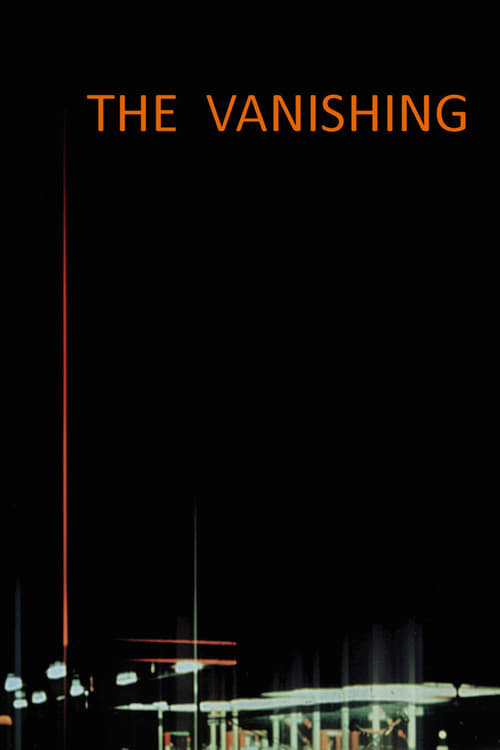
George Sluizer’s original Dutch-French psychological thriller is a masterpiece of dread and obsession. It follows a man’s relentless search for his girlfriend after she mysteriously disappears at a rest stop, leading him into a chilling pact with her abductor. The film’s minimalist approach and unflinching exploration of psychological torment culminate in one of cinema’s most disturbing and unforgettable endings.
8 / 12
8. Picnic at Hanging Rock
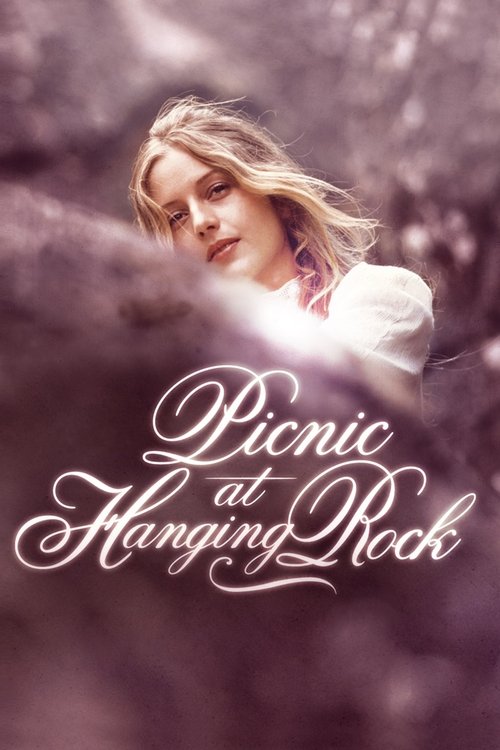
Peter Weir's ethereal mystery floats between dream and reality, recounting the inexplicable disappearance of schoolgirls during an outing in the Australian bush. This film is less about solving a puzzle and more about cultivating an unsettling, almost hypnotic atmosphere. Its pervasive sense of foreboding and unanswered questions lingers long after the credits, profoundly disturbing and beautiful.
9 / 12
9. Safe
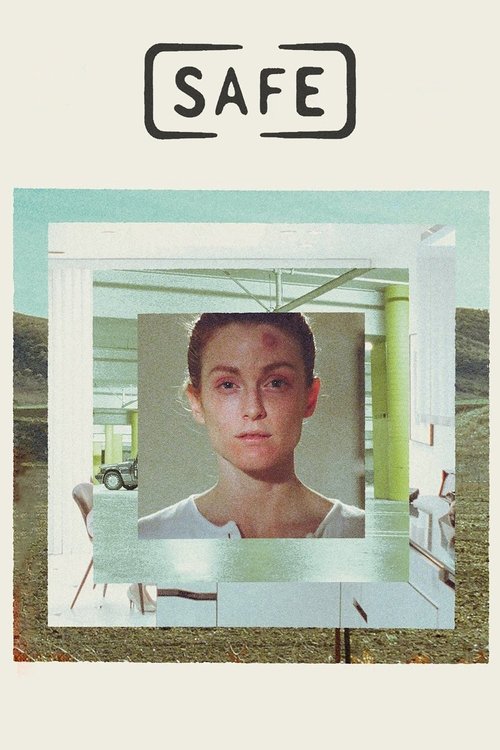
Todd Haynes’ unsettling drama portrays Carol White, a suburban housewife who develops an extreme sensitivity to her environment, leading her to a secluded, New Age retreat. Julianne Moore’s nuanced performance anchors this chilling examination of alienation, perceived illness, and the search for meaning in a world that feels increasingly toxic. It’s a quiet, devastating portrayal of modern malaise.
10 / 12
10. Eraserhead
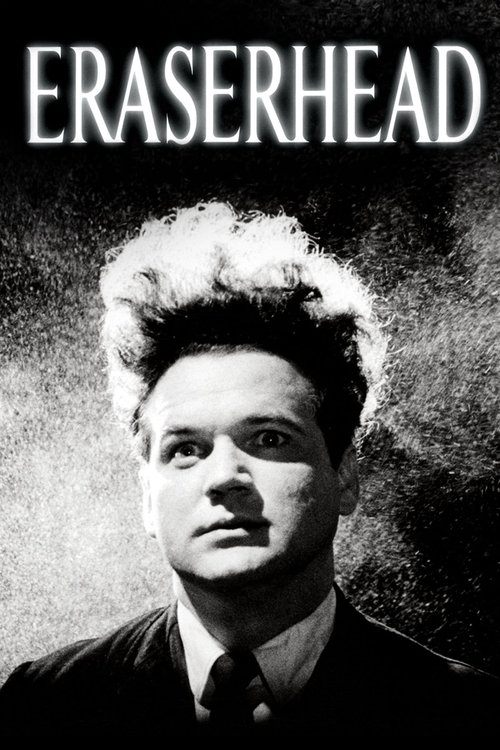
David Lynch's debut feature is a grotesque, mesmerizing descent into industrial decay and domestic anxiety. Its stark black-and-white visuals, disturbing sound design, and nightmarish imagery create an intensely personal and visceral experience. This film is not merely watched; it's felt, challenging conventional narrative and leaving an indelible, deeply unsettling impression on the subconscious.
11 / 12
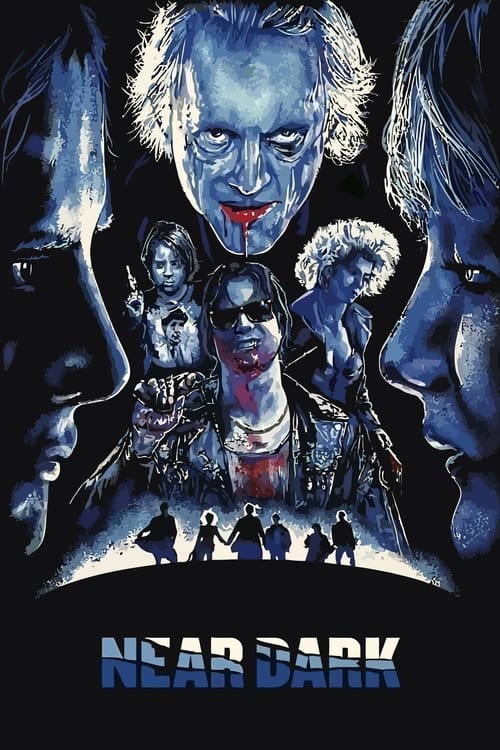
11. Near Dark
Kathryn Bigelow's neo-western vampire film reimagines the genre with grit, practical effects, and a distinct lack of romanticism. A young man falls in with a nomadic group of bloodthirsty outlaws, forcing him to confront his own humanity. It’s a stylish, brutal, and surprisingly melancholic take on vampirism, cementing Bigelow’s early reputation for visceral, character-driven action.
12 / 12

12. The King of Comedy
Martin Scorsese’s darkly prescient satire stars Robert De Niro as Rupert Pupkin, an aspiring stand-up comedian obsessed with achieving fame by any means necessary. This unsettling character study critiques celebrity culture and the blurred lines between reality and delusion. It’s a discomforting, often brilliant, exploration of ambition and the psychological toll of unfulfilled dreams.