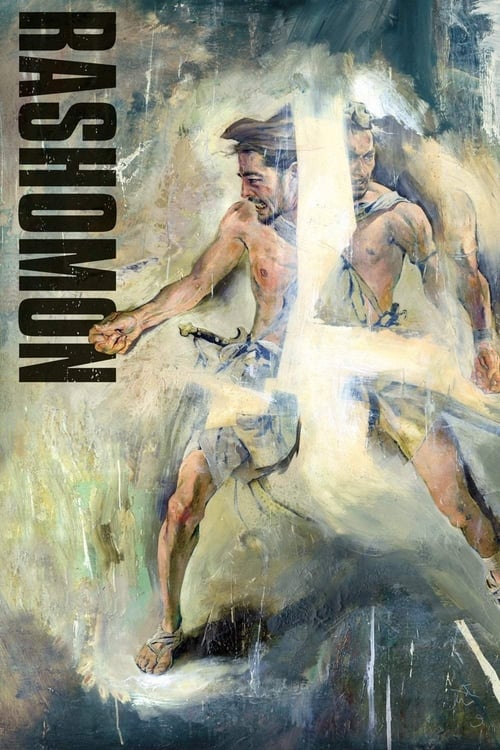
1. Rashomon
Akira Kurosawa’s 1950 masterpiece fundamentally reshaped cinematic narrative, introducing the "Rashomon effect" into the global lexicon. Through conflicting accounts of a single event, the film meticulously dissects the elusive nature of truth and subjective perception. Its innovative structure, a hallmark of Kurosawa's genius, not only questions judicial and moral certainty but also challenges the very reliability of storytelling itself, making it a foundational text for understanding narrative complexity in cinema history.

2. Stalker
Andrei Tarkovsky's meditative 1979 science fiction epic transcends genre, guiding viewers on a spiritual and philosophical pilgrimage into the enigmatic "Zone." This austere, visually arresting journey explores faith, desire, and the human condition against a backdrop of post-Soviet spiritual decay. Tarkovsky’s deliberate pacing and profound symbolism invite deep introspection, cementing its status as a landmark of slow cinema and a challenging, yet ultimately rewarding, auteurist vision.

3. La Jetée
Chris Marker’s 1962 "photo-roman" is a breathtakingly innovative short film, constructed almost entirely from still photographs. It crafts a poignant, dystopian tale of time travel and memory, influencing countless science fiction narratives, most notably *12 Monkeys*. Marker’s experimental approach to storytelling, blending history, philosophy, and a profound sense of melancholia, demonstrates the immense power of montage and narrative economy, proving cinema’s boundless formal possibilities.
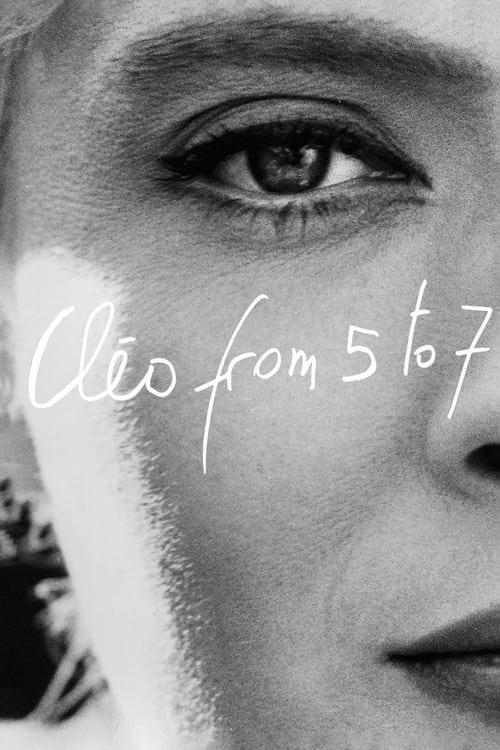
4. Cléo from 5 to 7
Agnès Varda's 1962 French New Wave gem follows a singer awaiting biopsy results over two pivotal hours. This real-time narrative masterfully uses cinematic language to explore existential dread, female identity, and the male gaze. Varda’s empathetic lens transforms a personal crisis into a universal meditation on life, art, and perception, solidifying her status as a pioneering auteur who consistently pushed societal and cinematic boundaries.
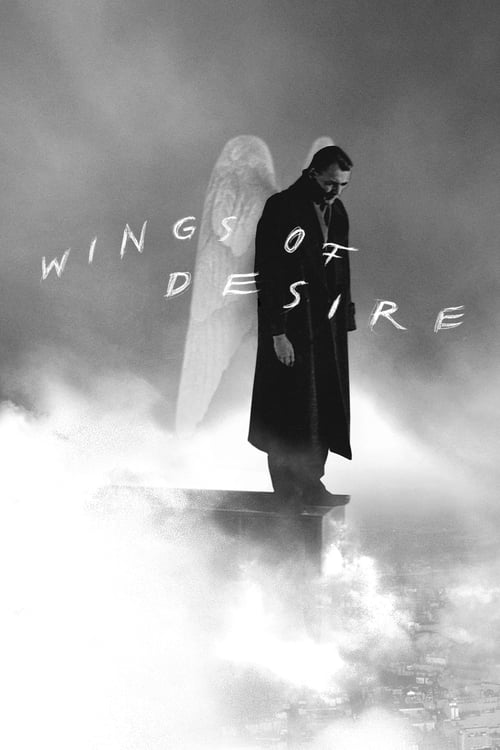
5. Wings of Desire
Wim Wenders’ 1987 poetic masterpiece offers a breathtaking vision of angels observing humanity in a divided Berlin. Shot in evocative black and white that bursts into color, it explores themes of connection, loneliness, and the yearning for earthly experience. This film is a profound meditation on existence, memory, and the unseen forces that shape our lives, showcasing Wenders’ lyrical touch and his unique ability to imbue philosophical questions with tangible emotion.
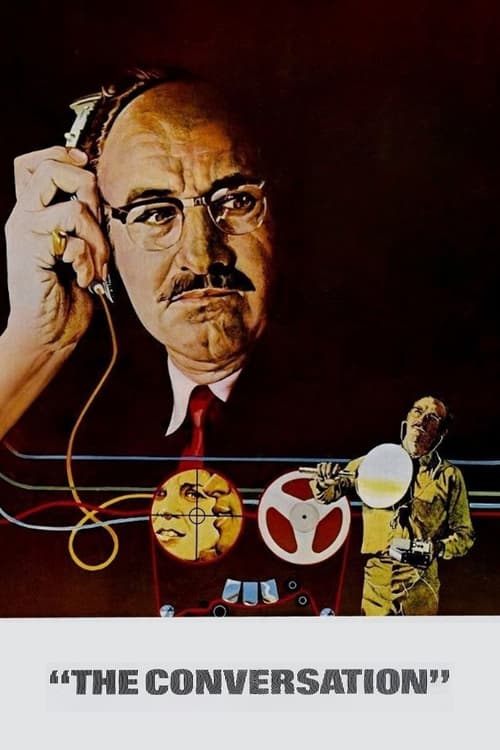
6. The Conversation
Francis Ford Coppola’s chilling 1974 psychological thriller, released between *The Godfather* parts, is a masterclass in suspense and paranoia. Gene Hackman's portrayal of a surveillance expert grappling with a potential murder plot resonates deeply with post-Watergate anxieties. Coppola’s meticulous sound design and deliberate pacing immerse the viewer in the protagonist’s moral descent, creating a compelling study of guilt, isolation, and the corrosive nature of absolute knowledge.
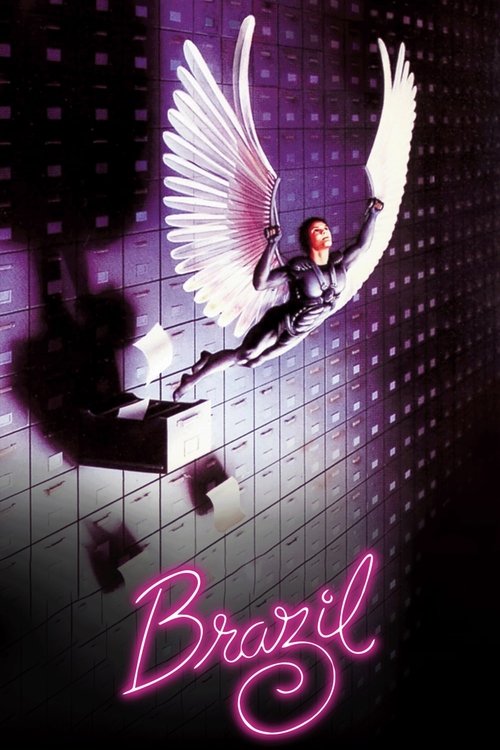
7. Brazil
Terry Gilliam’s 1985 dystopian satire is a visually audacious and darkly humorous critique of bureaucratic absurdity and unchecked consumerism. Its fantastical, steampunk-inspired aesthetic provides a vivid backdrop for a man’s futile struggle against an oppressive system. Gilliam's distinctive auteurist vision crafts a world both terrifying and exhilarating, reflecting profound societal anxieties about control and escapism with an unparalleled, imaginative flair.

8. Persona
Ingmar Bergman’s 1966 psychological drama is a stark, avant-garde exploration of identity, language, and the boundaries between individuals. The film, renowned for its unsettling imagery and profound ambiguity, features two women—an actress who stops speaking and her nurse—whose personalities seemingly merge. Bergman’s fearless deconstruction of the self, rendered through masterful cinematography, remains a powerful and disquieting meditation on human connection and isolation.
9. Vagabond
Agnès Varda’s 1985 stark, unsentimental portrait of a young drifter, Mona, challenges societal norms and expectations of female agency. Told through a mosaic of interviews and flashbacks, the film meticulously reconstructs Mona’s final months, offering no easy answers but profound sociological insight. Varda's neorealist approach and unwavering gaze create a powerful, empathetic, yet unromanticized examination of freedom, alienation, and the costs of true independence.