
1 / 6
1. Minecraft
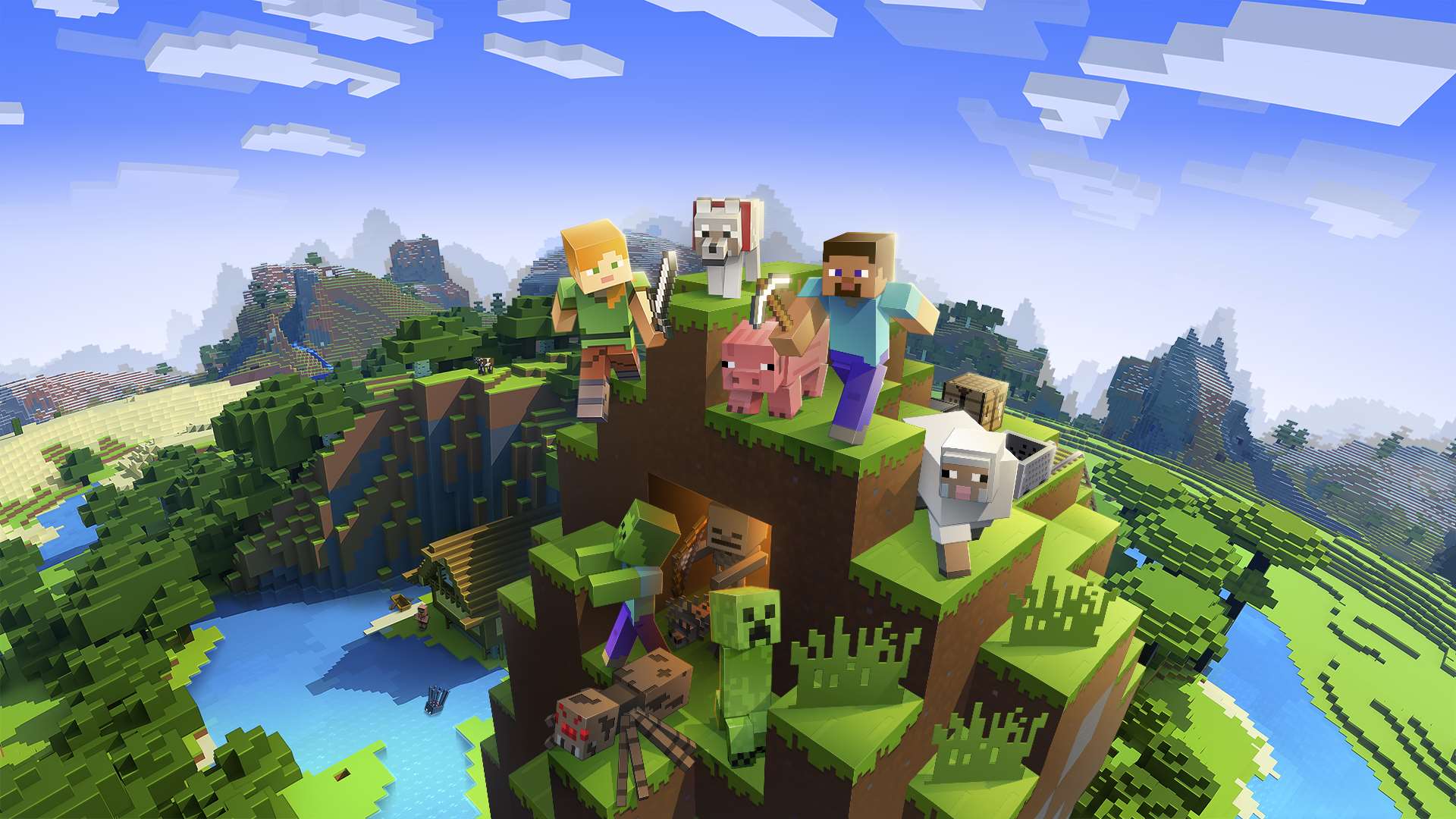
When Notch launched Minecraft, many saw a blocky, goal-less curiosity. Yet, its emergent gameplay, where players carved their own narratives from rudimentary cubes, proved revolutionary. This wasn't a game to be beaten, but lived within. It fostered a global community of builders and dreamers, democratizing creation and proving that boundless freedom, even within pixelated constraints, could redefine an entire medium. Its impact on digital culture remains profound.
2 / 6
2. Grand Theft Auto III
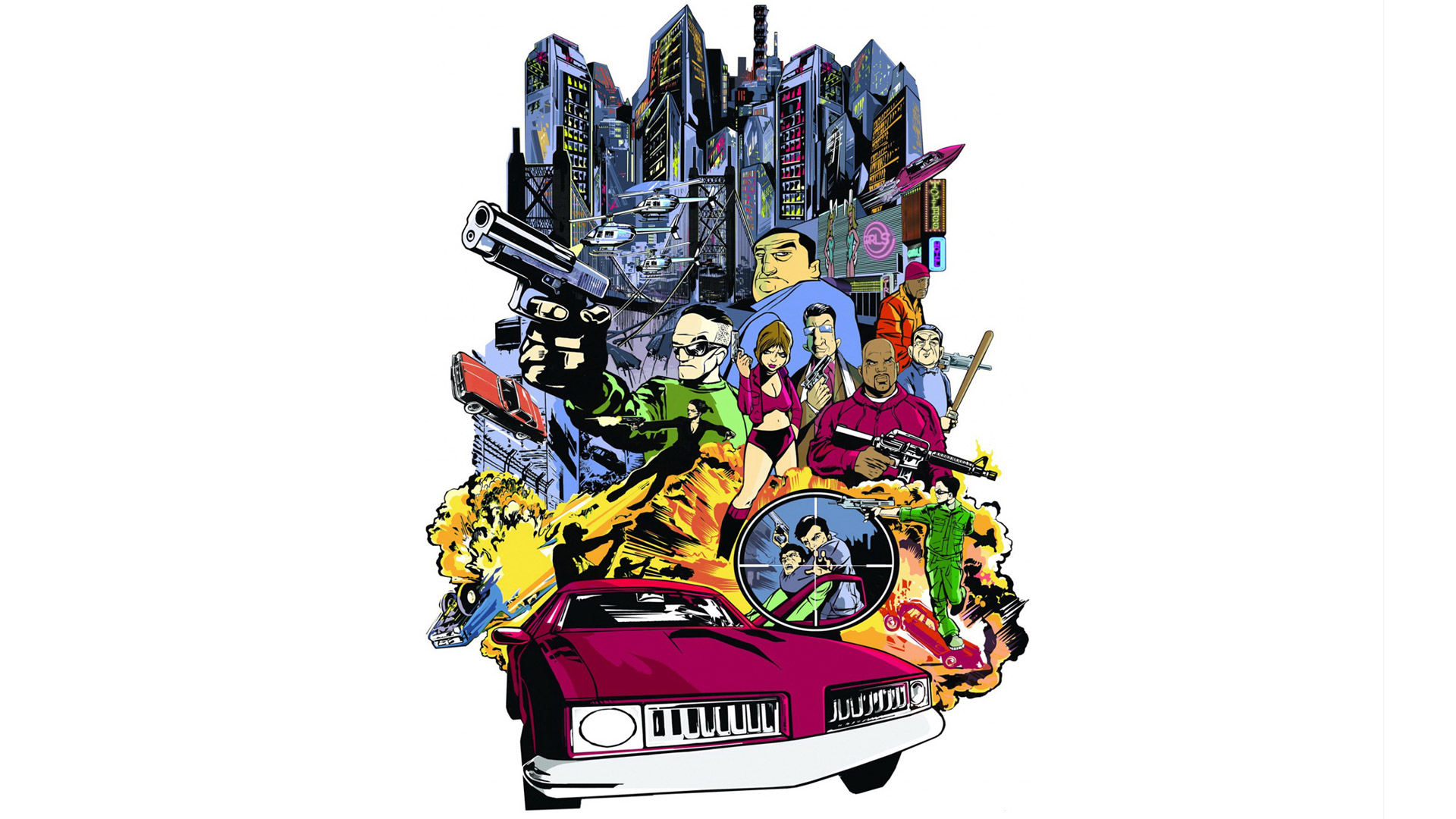
Rockstar's leap into 3D open-world design with Grand Theft Auto III was a massive gamble. The previous top-down installments were popular, but this was a different beast: controversial, gritty, and technically ambitious. It delivered an unprecedented sense of urban freedom and narrative depth, allowing players to inhabit a living, breathing, albeit chaotic, city. It didn't just push boundaries; it bulldozed them, setting the template for countless open-world games that followed.
3 / 6

3. Dark Souls
FromSoftware's Dark Souls, with its punishing difficulty and cryptic storytelling, initially seemed destined for a niche audience. Conventional wisdom suggested players wanted instant gratification, not relentless challenge. Yet, its uncompromising design fostered a dedicated following, celebrating mastery, exploration, and the unique satisfaction of overcoming immense odds. It didn't just succeed; it forged a new genre, proving that a demanding experience, when meticulously crafted, could resonate deeply and redefine player expectations.
4 / 6
4. Stardew Valley
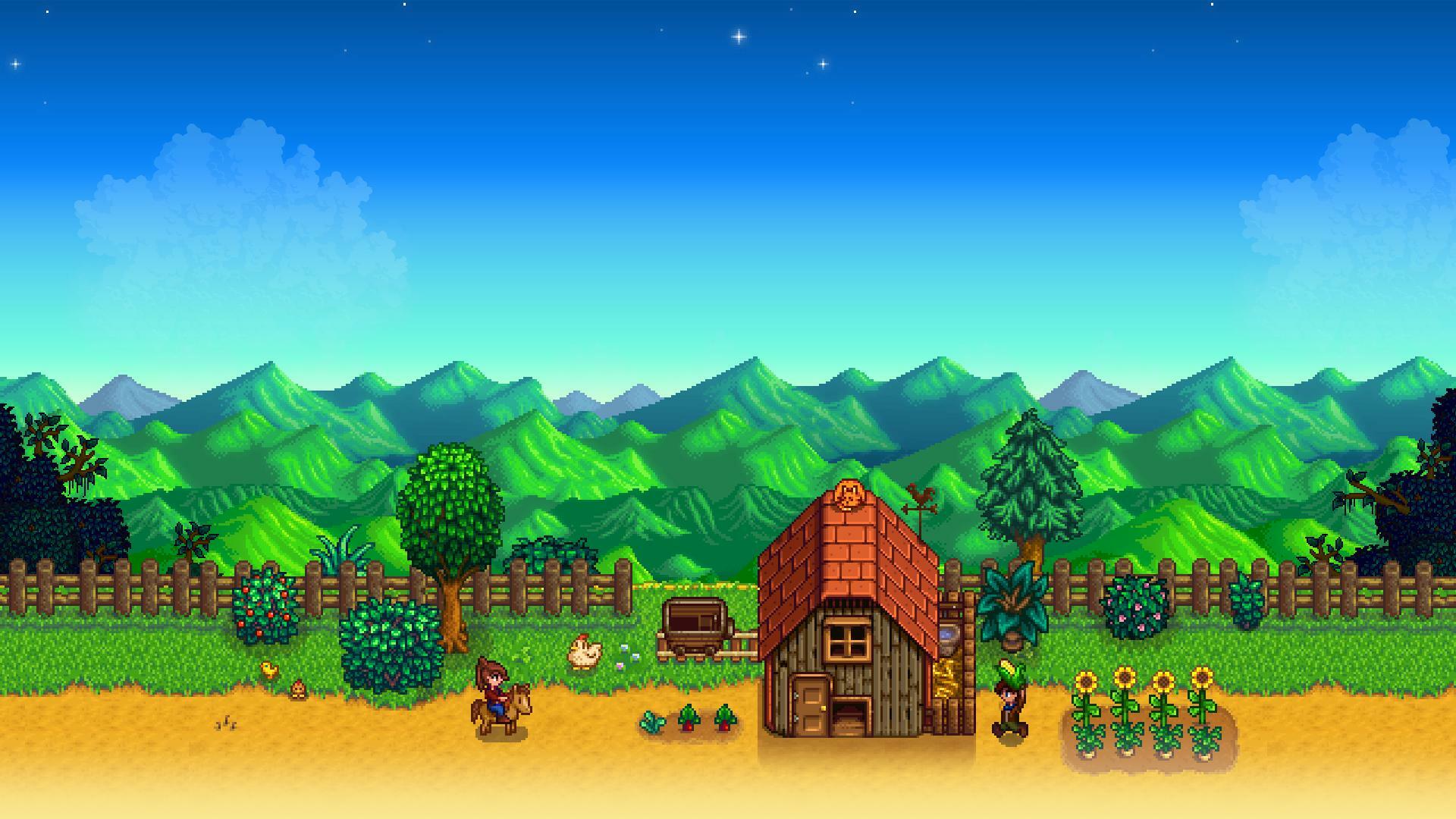
A lone developer's homage to Harvest Moon, Stardew Valley arrived unassuming, a pixelated farming sim in an era of hyper-realistic blockbusters. Many dismissed it as niche, a relic of simpler times. But its gentle rhythms, deep customization, and heartwarming community interactions offered an unexpected balm to modern life. It became a phenomenon, demonstrating that sincere craftsmanship and a focus on player well-being could compete with, and even outshine, games with vastly larger budgets.
5 / 6

5. Pokémon GO
The idea of a game that forced players outside, augmented reality layered over real-world maps, seemed like a novelty, a fleeting experiment. Pokémon GO, however, tapped into a deep well of nostalgia and a fundamental human desire for exploration and collection. It transformed public spaces into playgrounds, creating impromptu social gatherings and proving that mobile gaming could transcend passive consumption, turning the mundane into an adventure for millions worldwide.
6 / 6

6. The Sims
Maxis’s 'digital dollhouse' concept, The Sims, defied traditional game design. There was no explicit objective, no winning. You built homes, managed lives, and watched digital people go about their routines. It sounded mundane, yet it resonated profoundly. It was a canvas for creativity, a social experiment, and a surprisingly addictive simulation of life itself. It proved that players craved control, narrative expression, and a virtual space to explore human nature.