
1 / 12
1. Oz
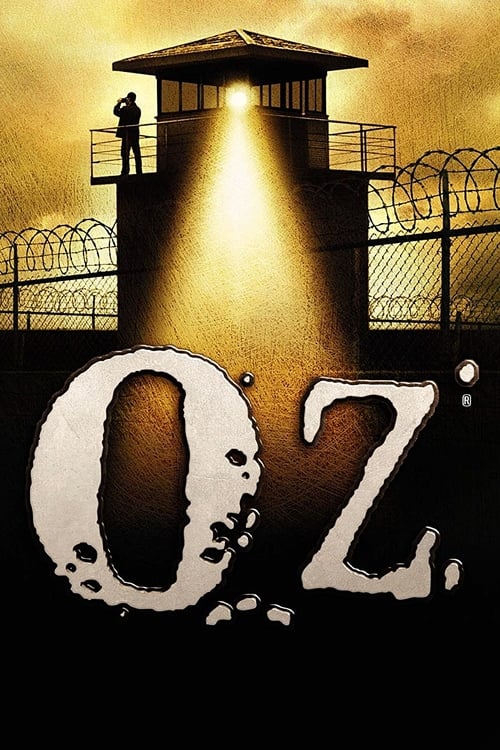
Before "prestige TV" was even a term, HBO dropped *Oz*. This wasn't some network cop show; it was a brutal, uncompromising dive into a maximum-security prison. It showed us that television could be dark, serialized, and unapologetically adult, forcing audiences to confront characters who were often irredeemable. It absolutely set a new bar for cable drama, proving risk could pay off.
2 / 12
2. The Shield
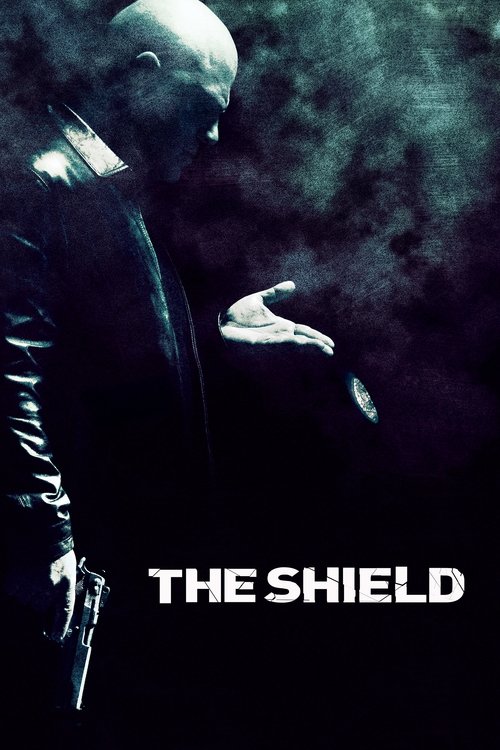
FX wasn't playing around when *The Shield* hit. Vic Mackey was the ultimate anti-hero, pushing boundaries network TV wouldn't dare touch. This show was raw, kinetic, and cinematic, telling morally ambiguous stories with a relentless pace. It proved that a new cable channel could deliver a gritty, serialized drama that felt utterly essential, challenging viewers week after week.
3 / 12
3. Deadwood
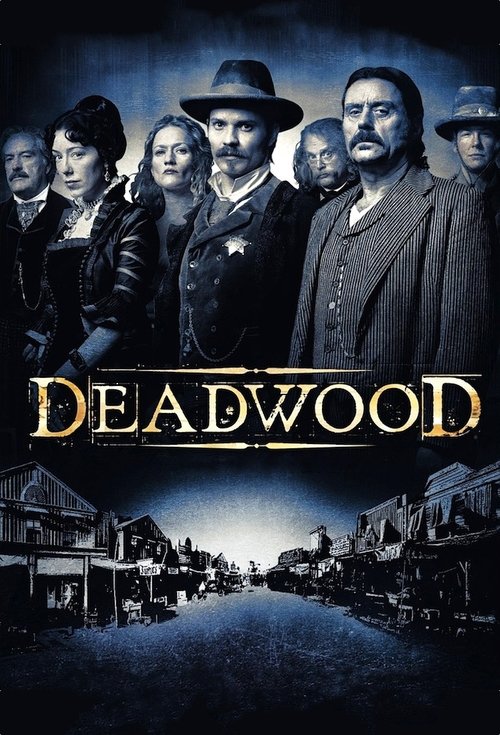
HBO went and reinvented the Western with *Deadwood*. This wasn't John Wayne; it was Shakespeare in the mud, with language that'd make a sailor blush. It was historically rich, beautifully shot, and its ensemble cast delivered some of the sharpest dialogue ever written for television. A masterclass in serialized storytelling, it showed how period pieces could feel utterly contemporary.
4 / 12
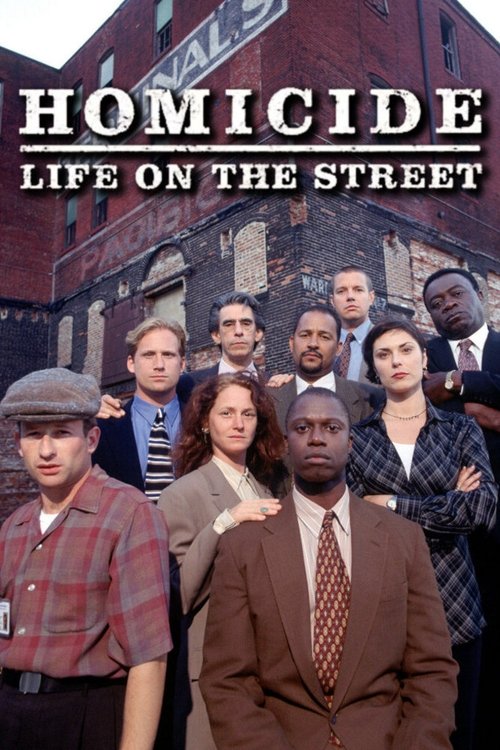
4. Homicide: Life on the Street
Way before *The Wire*, Barry Levinson and Tom Fontana gave us *Homicide*. This NBC show felt different, with its shaky cam, overlapping dialogue, and refusal to offer easy answers. It was character-driven, tackling the grim realities of police work with an authenticity rarely seen on network television. It laid crucial groundwork for serialized, ensemble drama to come, even on a major network.
5 / 12
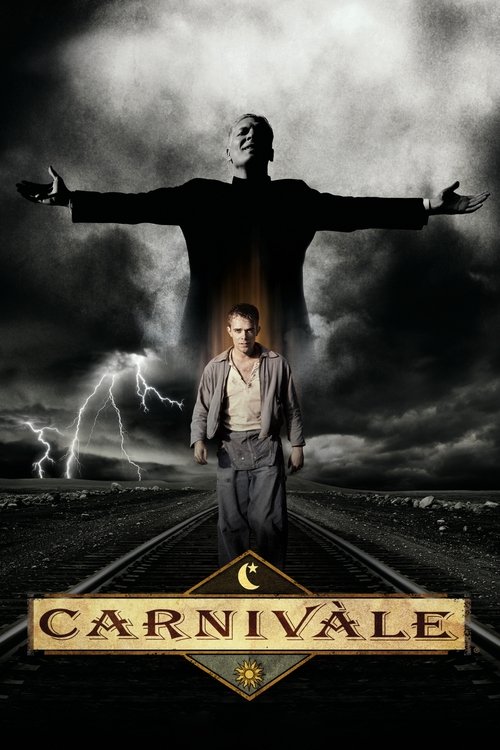
5. Carnivàle
*Carnivàle* was an absolute enigma from HBO, a visually stunning, deeply strange dive into dust-bowl mysticism. It was ambitious, slow-burn serialized storytelling, demanding patience and rewarding it with incredible atmosphere and complex mythology. While it ended too soon, it stands as a testament to cable's willingness to fund bold, utterly unique visions, pushing TV into surreal territory.
6 / 12
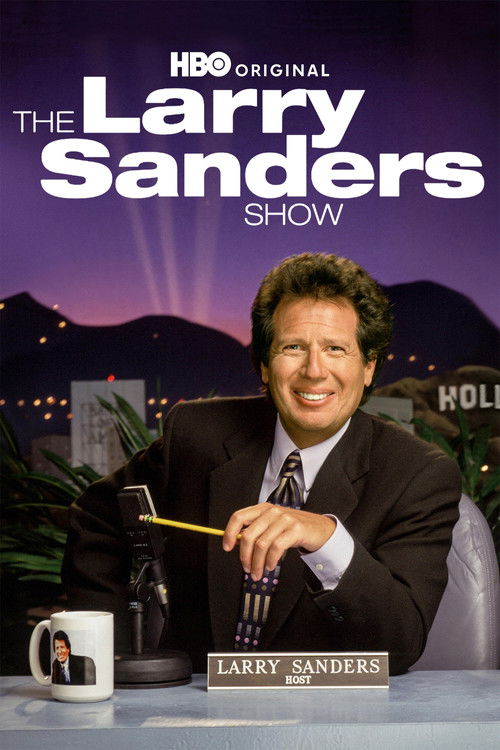
6. The Larry Sanders Show
Garry Shandling's *Larry Sanders* was groundbreaking, a brilliant mockumentary that pulled back the curtain on late-night TV. It perfected cringe comedy before it was a term, blending sharp satire with genuine pathos. This HBO series showed how a single-camera approach could create a more intimate, realistic feel, influencing countless comedies and setting a new bar for workplace humor.
7 / 12
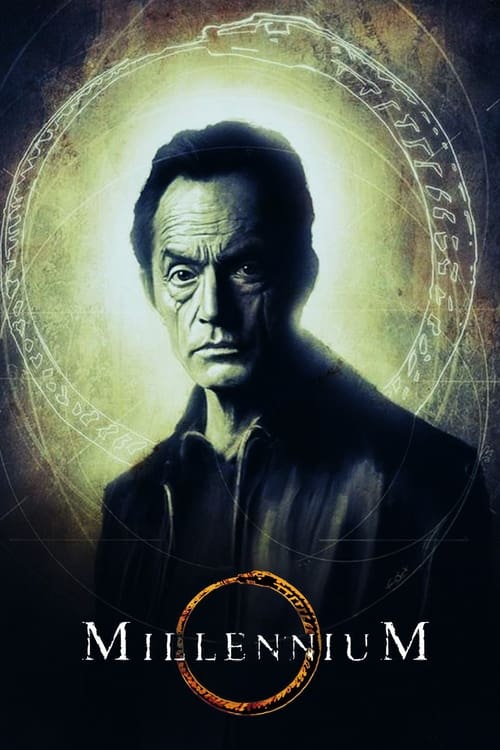
7. Millennium
Chris Carter tried to go darker with *Millennium* after *The X-Files*. Frank Black's grim insights into the criminal mind, coupled with a looming sense of apocalyptic dread, made for some truly unsettling television. It was serialized, moody, and often genuinely terrifying, proving network TV could dabble in a deeper, more psychological horror that stuck with you long after the credits.
8 / 12
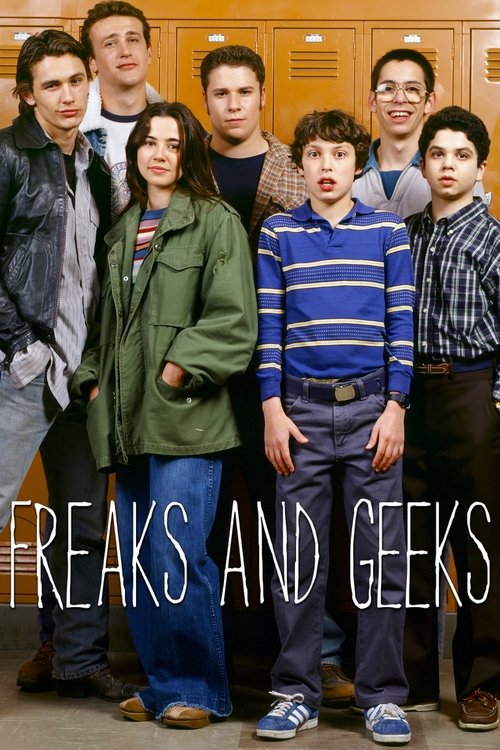
8. Freaks and Geeks
*Freaks and Geeks* was a short-lived masterpiece that perfectly captured the awkwardness of high school in 1980. Its honest, character-driven storytelling and ensemble cast felt incredibly real, avoiding typical sitcom tropes. It might have been canceled too soon, but its impact on serialized coming-of-age stories and a whole generation of comedic talent is undeniable.
9 / 12

9. The Critic
"It stinks!" *The Critic* was a sharp, witty animated satire that took aim at pop culture and film criticism. Voiced by Jon Lovitz, Jay Sherman was a relatable curmudgeon in a world of increasingly generic entertainment. It was smart, self-referential, and proved that adult animation could be more than just *The Simpsons*, offering a unique, often hilarious perspective.
10 / 12
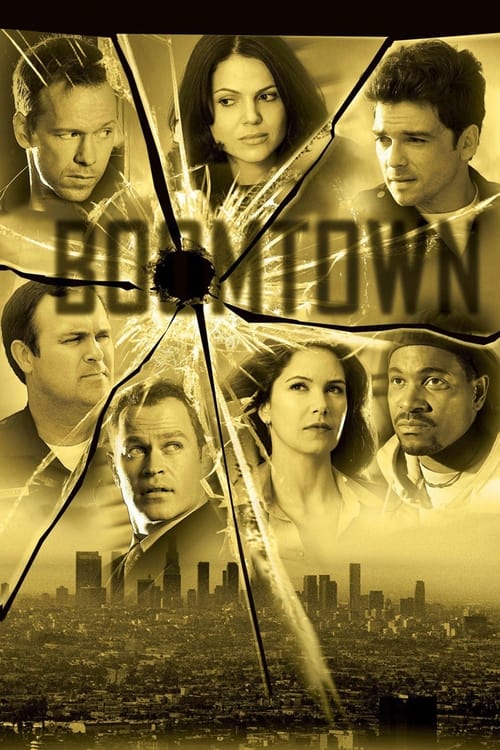
10. Boomtown
*Boomtown* was ahead of its time, telling crime stories from multiple, shifting perspectives – victims, cops, criminals. This innovative narrative structure kept you on your toes, offering a cinematic, puzzle-like approach to episodic TV. It was ambitious, stylish, and showed how a network procedural could break the mold, offering a depth and complexity rarely attempted.
11 / 12
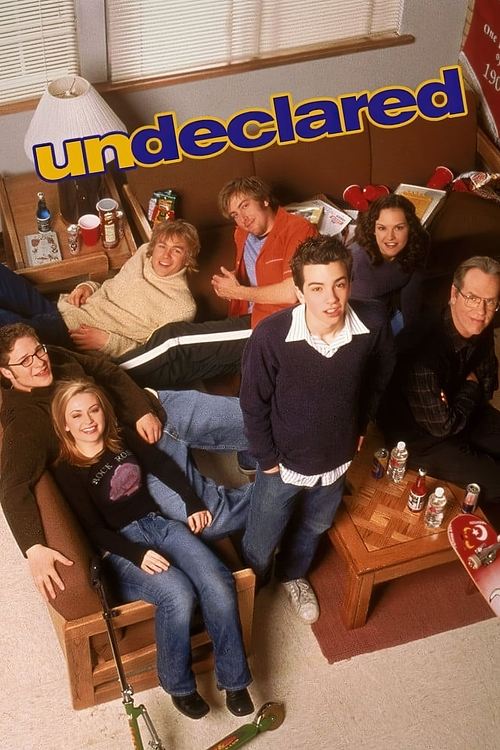
11. Undeclared
Judd Apatow's follow-up to *Freaks and Geeks*, *Undeclared*, brought that same brand of awkward, honest humor to college life. It was a serialized comedy about finding your way, full of emerging comedic talent and relatable struggles, focusing on character over punchlines. It further cemented the idea that television could explore the messy realities of young adulthood without resorting to canned laughter.
12 / 12
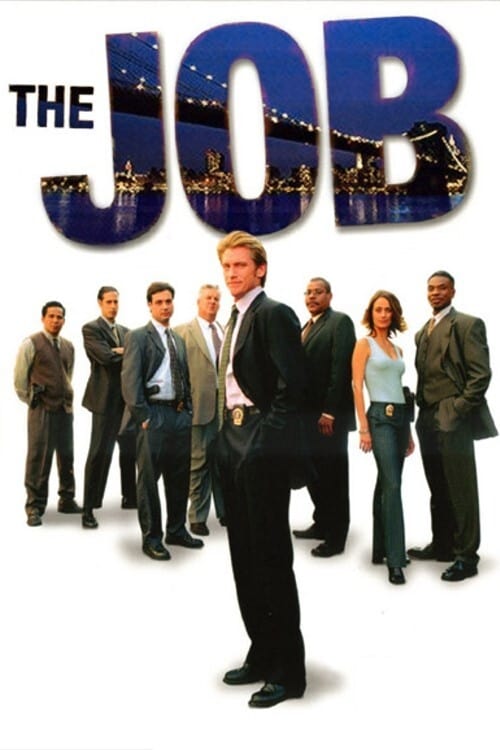
12. The Job
Denis Leary's *The Job* on FX was dark, funny, and surprisingly poignant. It followed a perpetually flawed NYPD detective, blending serialized personal struggles with episodic police work. This show was a precursor to cable's embrace of flawed protagonists and dark humor, proving that a network could take risks with character-driven, ensemble comedy-drama that felt distinctly un-network.