

1 / 8
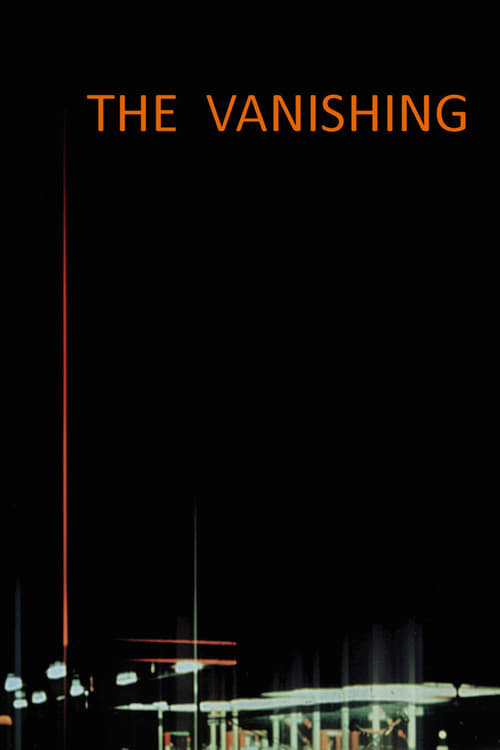
1. The Vanishing
This Dutch-French thriller, *Spoorloos*, is a masterclass in psychological dread. George Sluizer crafts a narrative that eschews jump scares for an unnerving exploration of obsession and the ultimate question of fate. Its chilling resolution remains one of cinema's most disturbing and unforgettable. The protagonist's relentless quest for truth morphs into a horrifying pact, questioning the very nature of human curiosity and evil.
2 / 8
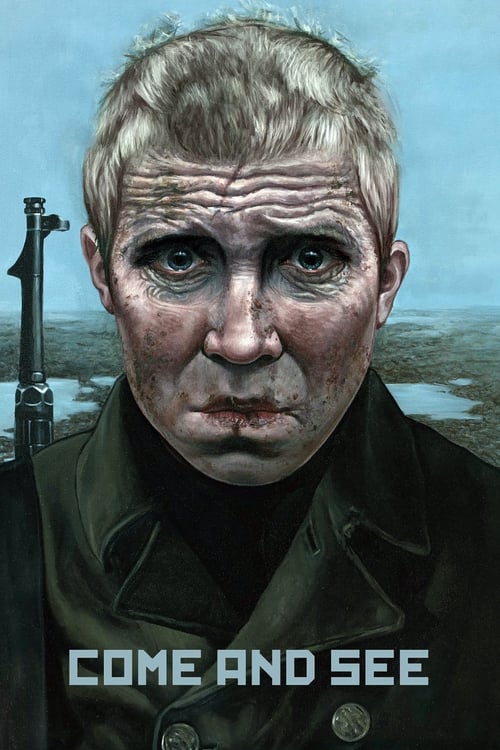
2. Come and See
Elem Klimov's *Come and See* is not merely a war film; it's a visceral, hallucinatory descent into the inferno of World War II's Eastern Front. Seen through the eyes of a young Belarusian partisan, Flyora, the film unflinchingly depicts atrocities with a surreal, almost dreamlike terror. It’s a harrowing, unforgettable experience, a searing indictment of conflict that leaves an indelible mark on the viewer’s psyche, challenging the very idea of heroism.
3 / 8
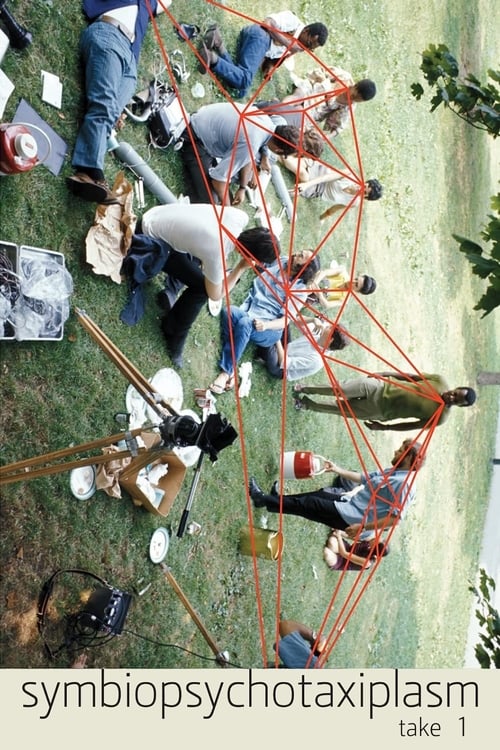
3. Symbiopsychotaxiplasm: Take One
William Greaves's *Symbiopsychotaxiplasm: Take One* is a groundbreaking, experimental documentary that blurs the lines between reality and artifice. It’s a film about making a film, observing its own creation, and examining the myriad interactions between director, crew, and actors, all while questioning authenticity. This meta-cinematic puzzle, shot in Central Park, remains a fascinating, self-referential study of process and perception, a unique artifact of its time.
4 / 8

4. Street of Shame
Kenji Mizoguchi’s final masterpiece, *Street of Shame* (*Akasen Chitai*), offers a poignant, empathetic look into the lives of women working in a Tokyo brothel on the cusp of anti-prostitution legislation. Mizoguchi, a steadfast humanist, portrays their struggles, hopes, and societal marginalization with his characteristic long takes and deep focus, revealing the complex dignity and despair in their daily existence. It’s a powerful social critique and a testament to his directorial vision.
5 / 8
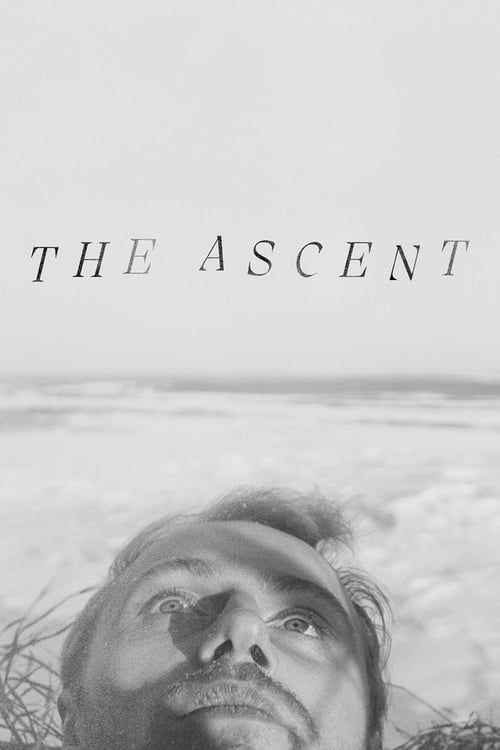
5. The Ascent
Larisa Shepitko’s *The Ascent* (*Voskhozhdeniye*) is a profound Soviet war drama, a spiritual and existential exploration of sacrifice and betrayal. Two partisans, captured by the Germans in occupied Belarus, face agonizing moral choices. Shepitko imbues their journey with stark, almost biblical imagery, transforming a tale of survival into a meditation on faith, human dignity, and the ultimate cost of resistance. Its stark beauty and moral weight are immense.
6 / 8

6. Valerie and Her Week of Wonders
Jaromil Jireš's *Valerie and Her Week of Wonders* is a surreal, dreamlike fable from the Czechoslovak New Wave. This psychedelic coming-of-age story follows a young girl's descent into a world of erotic fantasy, vampirism, and unsettling transformations. It’s a visually opulent, Freudian journey through adolescent awakening, where the line between innocence and corruption blurs, creating an intoxicating, unsettling, and uniquely beautiful cinematic experience.
7 / 8

7. Killer of Sheep
Charles Burnett’s *Killer of Sheep* is a seminal work of independent American cinema, a neo-realist portrait of daily life in Watts, Los Angeles. Shot in stark black and white, it follows Stan, a slaughterhouse worker, as he navigates the weariness and small joys of his existence. Burnett captures the rhythm of ordinary lives with profound authenticity, offering a rare, unsentimental glimpse into working-class Black America, rich with humanism and quiet despair.
8 / 8
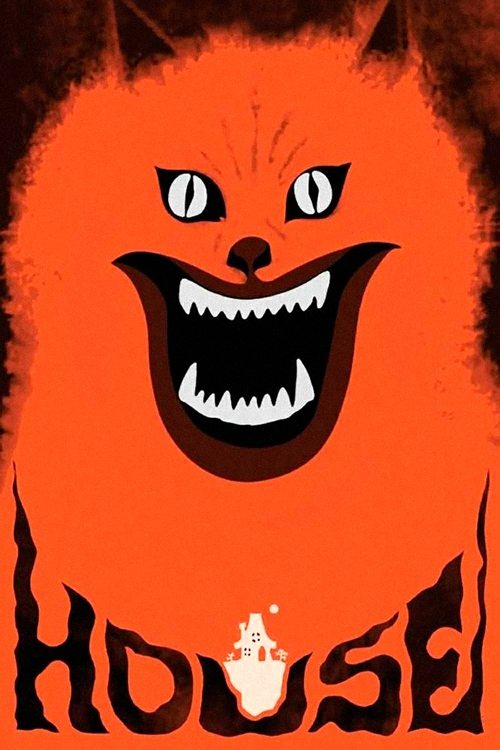
8. House
Nobuhiko Obayashi’s *House* (*Hausu*) is an explosion of pure, unadulterated cinematic id. This Japanese horror-comedy is a kaleidoscopic, surreal fever dream about seven schoolgirls visiting a haunted country home. Eschewing conventional narrative logic, Obayashi employs a dizzying array of psychedelic visuals, playful special effects, and a pervasive sense of gleeful absurdity. It's a truly unique, wildly inventive, and utterly unforgettable experience that defies categorization.