
1. Oz
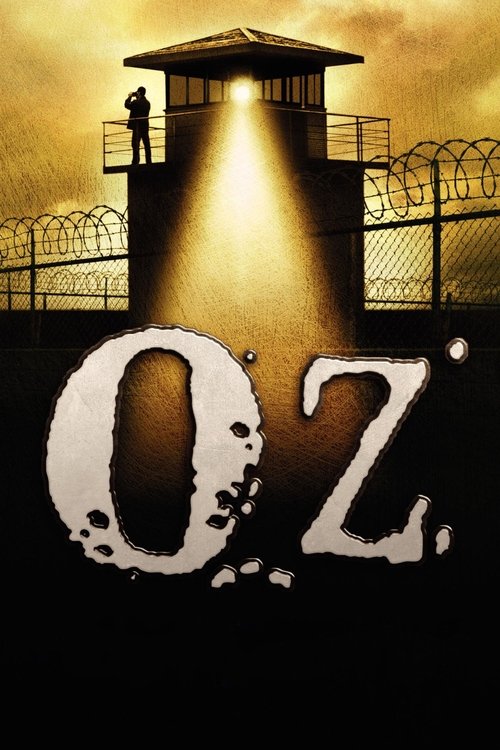
Before anti-heroes were a dime a dozen, *Oz* hit HBO like a brick to the head. This wasn't just a prison show; it was a societal microcosm, brutal and unflinching. It proved that cable could go places network TV wouldn't dare, pushing boundaries with serialized arcs and a sprawling ensemble cast. You didn't just watch it; you braced yourself for it. Talk about setting a high bar for serialized drama.
2. The Larry Sanders Show
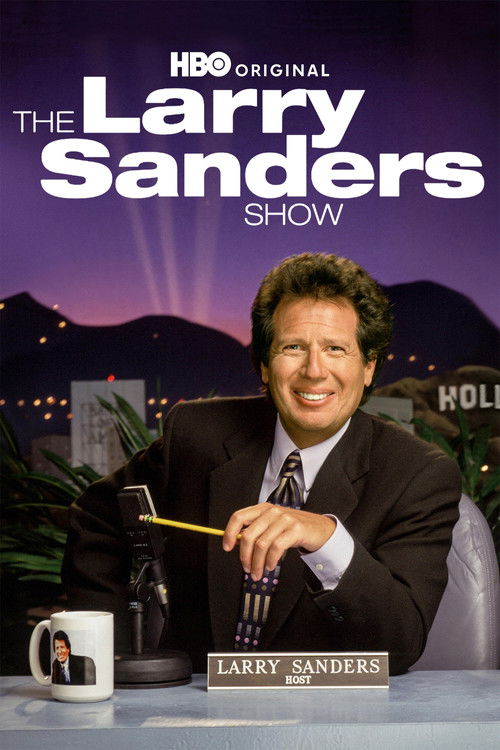
This show was dissecting the absurdity of celebrity and late-night TV before most people even knew what "meta" meant. Garry Shandling's Larry Sanders was a brilliantly insecure host, surrounded by a pitch-perfect ensemble cast that felt genuinely lived-in. It blurred the lines between sitcom and something sharper, showing the dirty laundry behind the glossy curtain. HBO wasn't just doing stand-up specials anymore; they were doing smart, daring comedy.
3. Homicide: Life on the Street
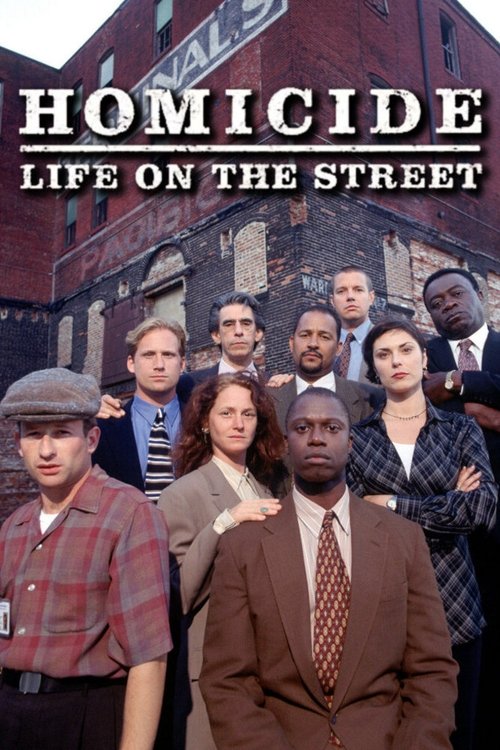
This wasn't your dad's procedural. *Homicide* felt real, gritty, and often heartbreaking, a direct lineage to the best crime fiction. Its documentary-style camerawork and overlapping dialogue were revolutionary for network TV, pushing cinematic techniques onto the small screen. The ensemble was phenomenal, making you care about every detective's struggle, not just the case of the week. It showed you could do serialized, character-driven drama on a major network.
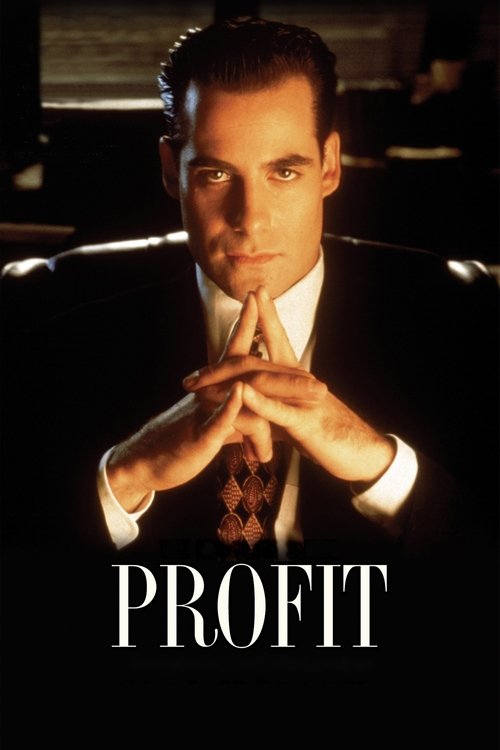
4. Profit
Imagine a network show in the mid-90s with an openly sociopathic corporate raider as its protagonist. That was *Profit*. Jim Profit was a Machiavellian villain you somehow rooted for, or at least couldn't look away from. It was too dark, too cynical, too ahead of its time for Fox, getting canceled after only a few episodes. But man, did it hint at the morally ambiguous anti-heroes that would soon dominate cable. A truly daring, overlooked gem.
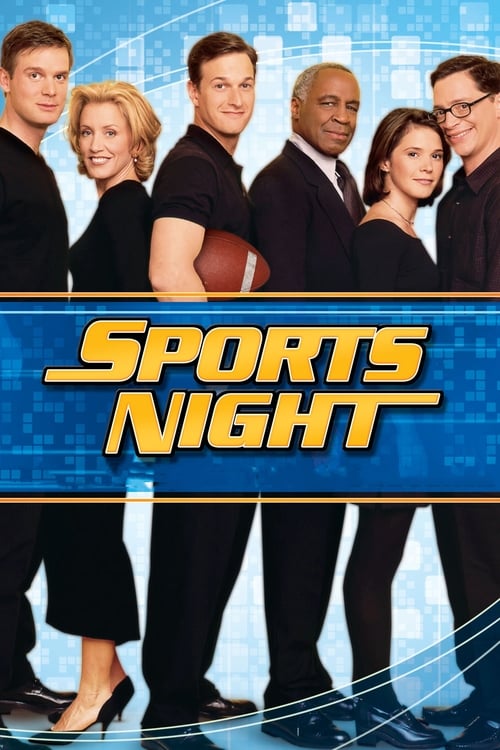
5. Sports Night
Aaron Sorkin’s debut was a rapid-fire, witty look behind the scenes of a cable sports news show. It had that signature Sorkin walk-and-talk before *The West Wing* made it famous, blending sharp dialogue with genuine emotional depth. The ensemble cast was fantastic, creating a workplace family you genuinely cared about. It was a smart, ambitious network comedy-drama, proving that quick-witted, intelligent writing could thrive.
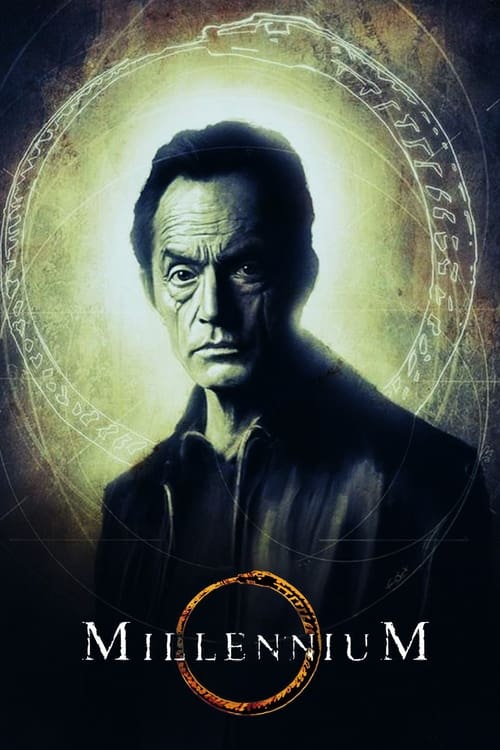
6. Millennium
From the mind behind *The X-Files*, *Millennium* plunged into a much darker, more apocalyptic vision of the late 90s. Frank Black's ability to see evil felt less like sci-fi and more like a psychological horror. It was relentlessly grim, exploring the depths of human depravity with a serialized intensity that was rare for network TV. This show didn't just hint at the future; it felt like the future was already here, and it was terrifying.
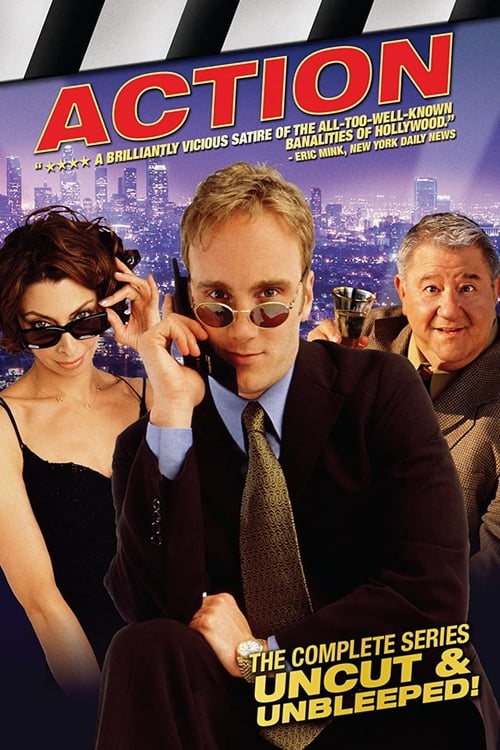
7. Action
If *Larry Sanders* showed the *behind-the-scenes* of TV, *Action* showed the *filthy underside* of Hollywood. It was shockingly profane, cynical, and hilarious for network television, a true precursor to the kind of no-holds-barred satire cable would later perfect. Jay Mohr’s sleazy producer was an absolute blast, surrounded by a cast unafraid to go for broke. This show pushed boundaries, even if it was too much for most network viewers.
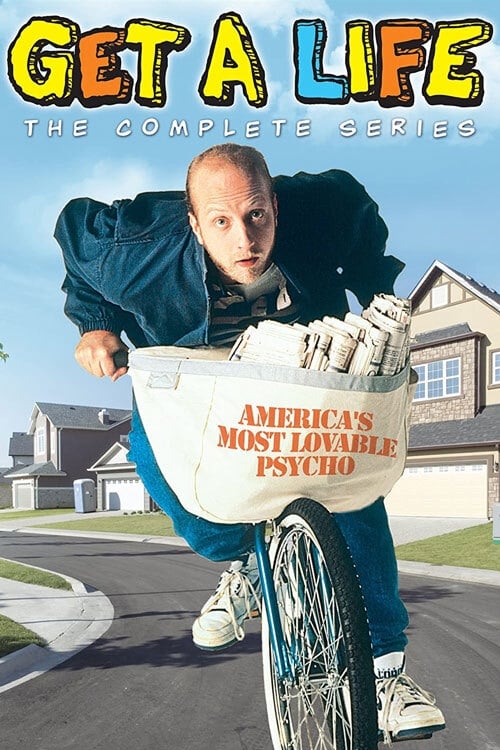
8. Get a Life
Chris Elliott's *Get a Life* was a surreal, absurdist masterpiece that completely subverted the sitcom format. His character, Chris Peterson, was a 30-year-old paperboy living with his parents, experiencing increasingly bizarre and often fatal adventures. It was aggressively weird, unapologetically dark, and utterly unlike anything else on TV at the time. This show proved that network comedy didn't have to play it safe; it could be truly experimental.
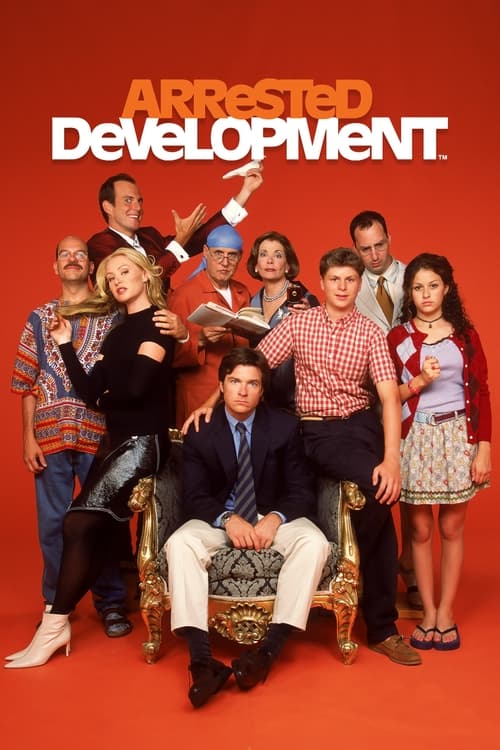
9. Arrested Development
This was a masterclass in comedic serialization and meta-humor. The Bluth family's intricate, often ridiculous, narrative threads demanded close attention, rewarding re-watches long before streaming made it easy. Its mockumentary style and dry wit were revolutionary for network comedy, influencing countless shows that followed. It built a loyal, almost cult-like following, proving smart, densely packed comedy could thrive, especially when you could watch it on your own terms.