
1. The Conformist
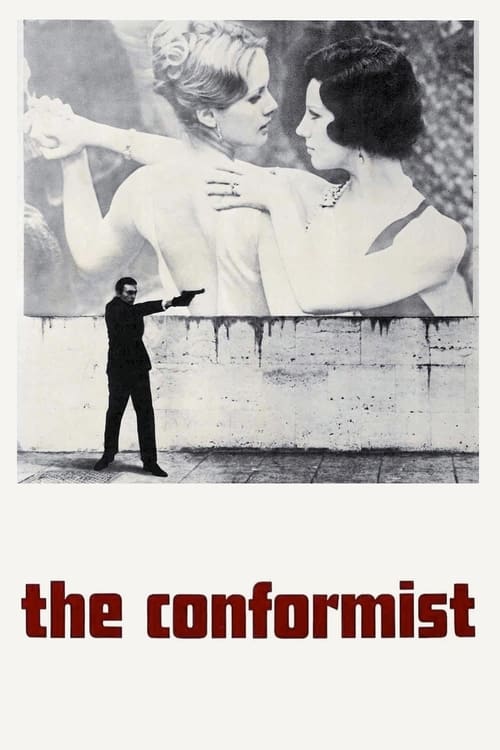
Bernardo Bertolucci's *The Conformist* (1971) stands as a towering achievement in cinematic artistry, a chilling exploration of fascism's seductive power and the moral compromises it demands. Its narrative, centered on a man seeking normalcy by joining Mussolini's secret police, unfolds with psychological depth. Vittorio Storaro's cinematography is nothing short of breathtaking, each frame a meticulously composed painting of light and shadow, reflecting the protagonist's internal turmoil and the era's oppressive grandeur. It's a profound reflection on conformity and betrayal, both personal and political.

2. Wake in Fright
Ted Kotcheff's *Wake in Fright* (1971) offers a searing, almost hallucinatory plunge into the darkest corners of the Australian outback psyche. It tracks a schoolteacher's terrifying descent into primal savagery after becoming stranded in a remote mining town. The film brutally dissects toxic masculinity, excessive alcohol consumption, and the brutalizing effects of isolation, crafting a deeply unsettling psychological thriller. Its raw, unflinching portrayal of human depravity makes it an experience that lingers long after the credits roll, a true cult classic.
3. Valerie and Her Week of Wonders
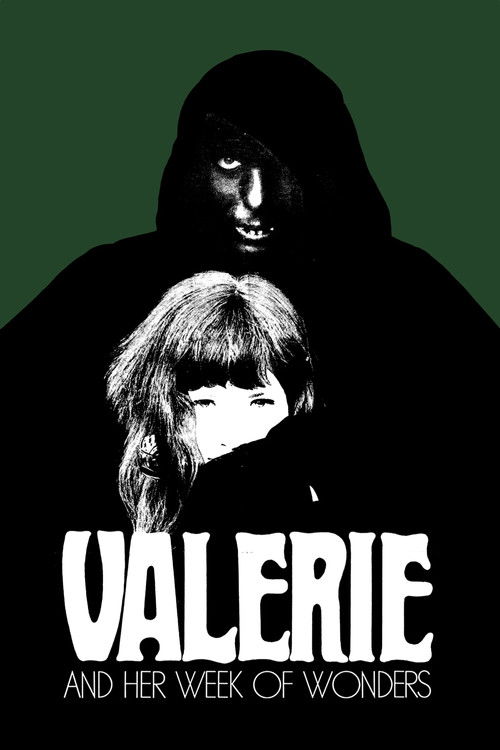
Jaromil Jireš's *Valerie and Her Week of Wonders* (1970), a jewel of the Czech New Wave, is a film woven from dreams and nightmares. It follows a young girl's surreal journey through a gothic, allegorical landscape as she navigates the bewildering onset of puberty and sexual awakening. The film’s exquisite, ethereal visuals and poetic narrative create a truly unique, mesmerizing experience, blending elements of fairy tale, horror, and Freudian symbolism. It's an intoxicating, beautiful, and deeply strange exploration of innocence lost.
4. Zigeunerweisen
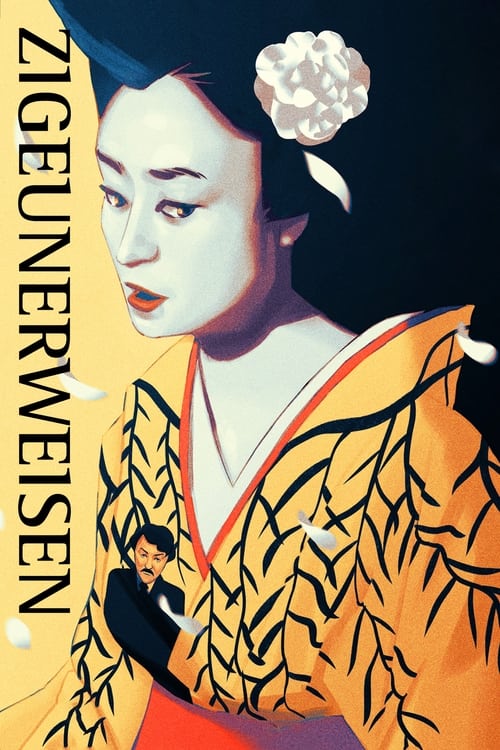
Seijun Suzuki's *Zigeunerweisen* (1980) is an enigmatic, mesmerizing journey into the Taishō era, steeped in Japanese folklore and a pervasive sense of the uncanny. Part of his 'Taishō Roman Trilogy,' it explores themes of love, death, and the spectral presence of the past through two friends and their mysterious romantic entanglements. The film’s lush, dreamlike aesthetics, non-linear narrative, and theatrical style create a hypnotic, almost musical experience. It's a visually rich, deeply atmospheric work that defies easy categorization, a true art-house gem.

5. Trafic
Jacques Tati’s *Trafic* (1971) brings back the beloved Monsieur Hulot in a delightful, meticulously choreographed satire on the absurdity of modern life and the automobile industry. Hulot, as a car designer, navigates the chaotic world of traffic, bureaucracy, and consumerism with his signature silent, observational humor. Tati’s genius lies in his ability to extract profound commentary from everyday situations, turning mundane details into brilliant visual gags. It’s a gentle, yet sharp, critique of technological progress and human folly, a masterclass in understated comedy.
6. Céline and Julie Go Boating
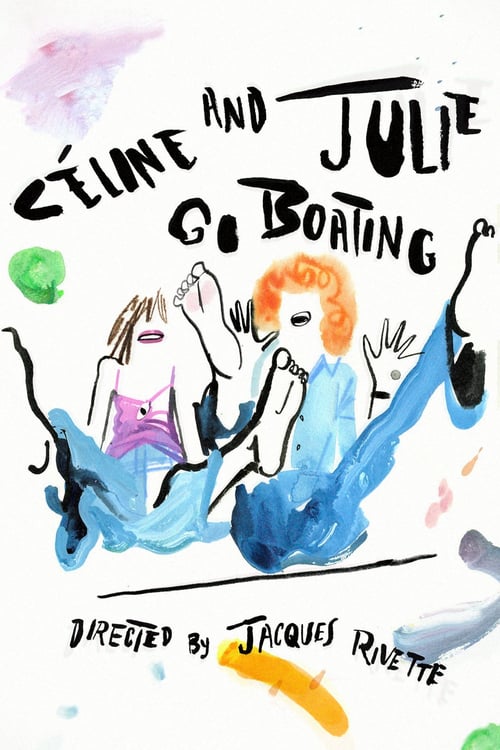
Jacques Rivette’s *Céline and Julie Go Boating* (1974) is an enchanting, playful, and wonderfully labyrinthine exploration of female friendship, storytelling, and magic. Two women, a librarian and a magician, discover a mysterious house where a melodramatic, repetitive drama unfolds, blurring the lines between reality and fiction. The film revels in its meta-narrative structure and improvisational spirit, inviting viewers to lose themselves in its joyous, dreamlike logic. It's a vibrant, intellectually stimulating, and utterly unique piece of French New Wave cinema.
7. The Cook, the Thief, His Wife & Her Lover
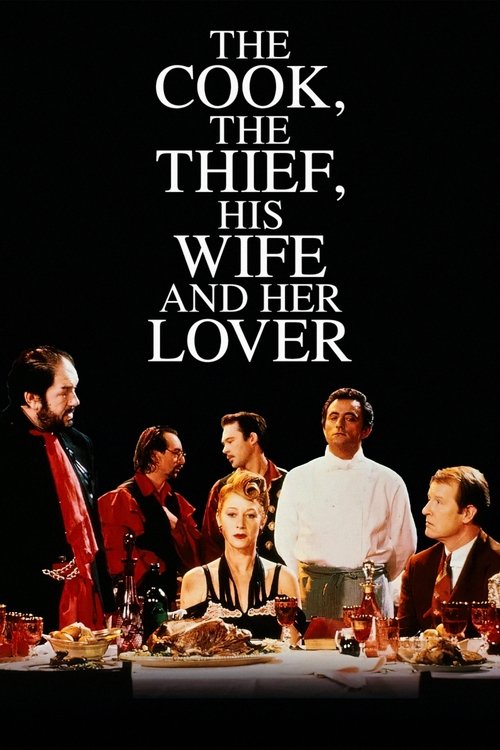
Peter Greenaway's *The Cook, the Thief, His Wife & Her Lover* (1989) is a lavish, grotesque, and profoundly unsettling cinematic experience. Set almost entirely within a single, opulent restaurant, it's a brutal allegory concerning power, gluttony, and revenge, often interpreted as a scathing critique of Thatcherite Britain. The film's stunning, painterly cinematography, elaborate art direction, and Michael Nyman's iconic score create an unforgettable sensory feast. Yet, beneath the visual splendor lies a visceral tale of human depravity and ultimate retribution.
8. Hour of the Wolf
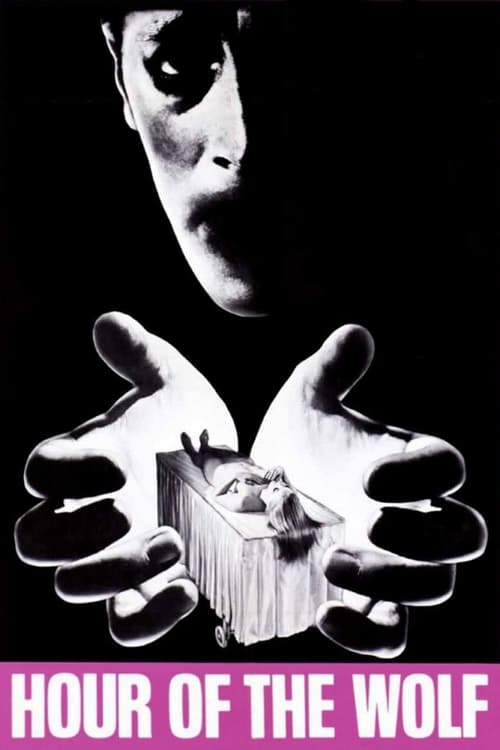
Ingmar Bergman’s *Hour of the Wolf* (1968) delves into the terrifying depths of an artist’s tormented mind, blurring the lines between reality and hallucination. Max von Sydow plays a painter plagued by waking nightmares and ghostly visitors on a remote island, while Liv Ullmann portrays his increasingly distraught wife. Bergman crafts a profoundly unsettling psychological horror, his only true foray into the genre, driven by existential dread and the fragility of sanity. It’s a chilling, claustrophobic descent into personal demons and the 'hour of the wolf' — the time when most people die.