
1. Metropolis
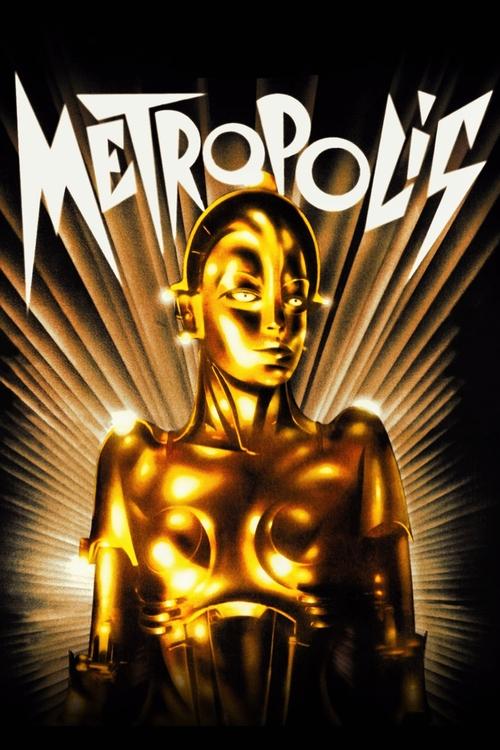
Fritz Lang's 1927 masterpiece remains a towering achievement in cinematic design and social critique. Its expressionistic visuals and monumental architecture forged the blueprint for science fiction aesthetics, influencing countless dystopias. Beyond its visual grandeur, the film probes class struggle and the dehumanizing potential of technology, presenting a complex narrative that resonates profoundly even today, almost a century later, as a foundational text of speculative storytelling.
2. Citizen Kane
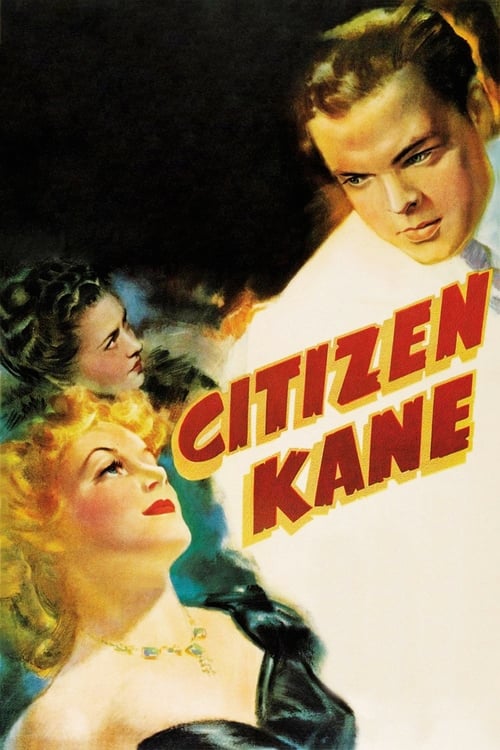
Orson Welles' debut redefined film grammar. Through its audacious non-linear structure, deep-focus cinematography, and innovative sound design, it shattered conventional storytelling, forcing audiences to piece together a fragmented truth. Kane isn't merely a character study of a media mogul; it's a profound meditation on memory, perception, and the elusive nature of identity, establishing Welles as a quintessential auteur and forever altering narrative possibilities.
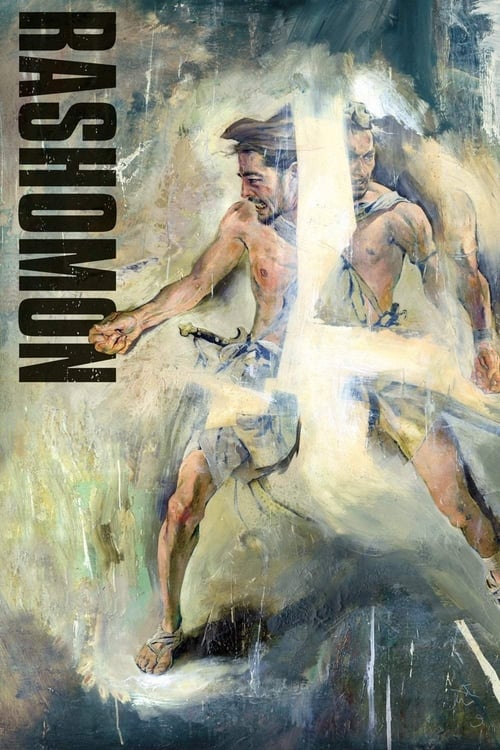
3. Rashomon
Akira Kurosawa's 1950 masterwork introduced the world to the "Rashomon effect," a narrative device where an event is recounted from multiple, often contradictory, perspectives. This groundbreaking approach challenged the very concept of objective truth in cinema, inviting audiences to grapple with the subjectivity of human experience and memory. It underscored film's power to explore profound philosophical questions through intricate, compelling storytelling.
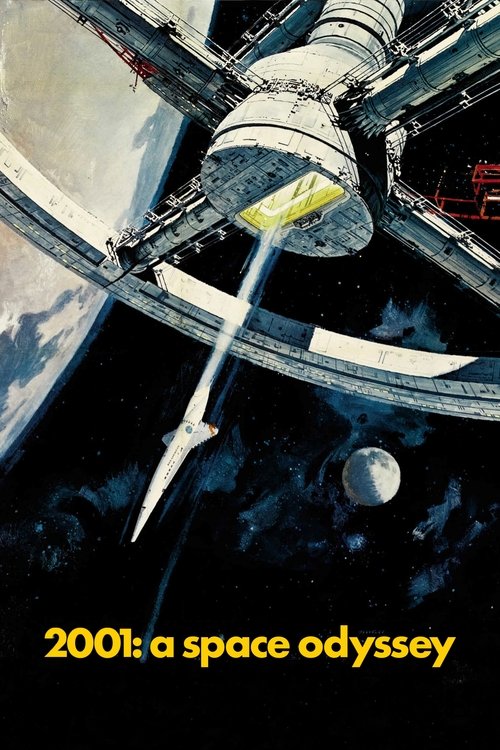
4. 2001: A Space Odyssey
Stanley Kubrick's monolithic journey into the cosmos is less a conventional story and more a cinematic experience, a philosophical ballet across time and space. Its groundbreaking special effects, minimalist dialogue, and enigmatic narrative pushed the boundaries of what film could achieve visually and intellectually. It asks profound questions about artificial intelligence, human evolution, and our place in the universe, remaining an unparalleled vision.
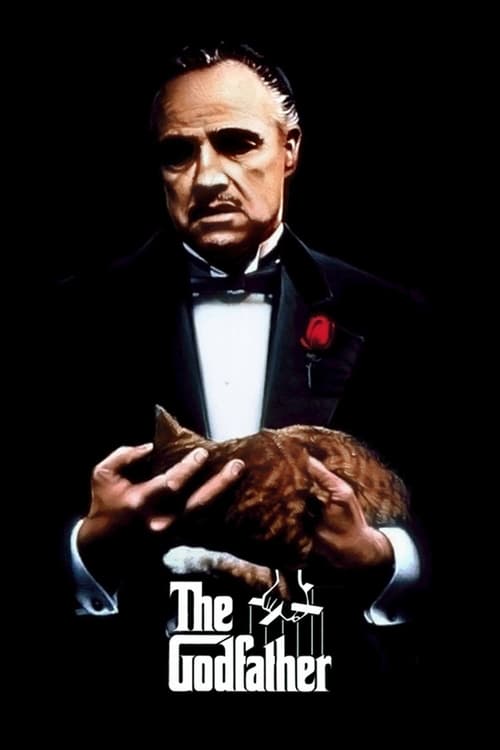
5. The Godfather
Francis Ford Coppola's epic is more than a gangster film; it's a Shakespearean tragedy of American capitalism and family loyalty. Its meticulous character development, iconic performances, and operatic scope redefined the crime genre, transforming its protagonists into complex, morally ambiguous figures. The film’s masterful blend of personal drama and societal commentary cemented its place as a cornerstone of modern storytelling.
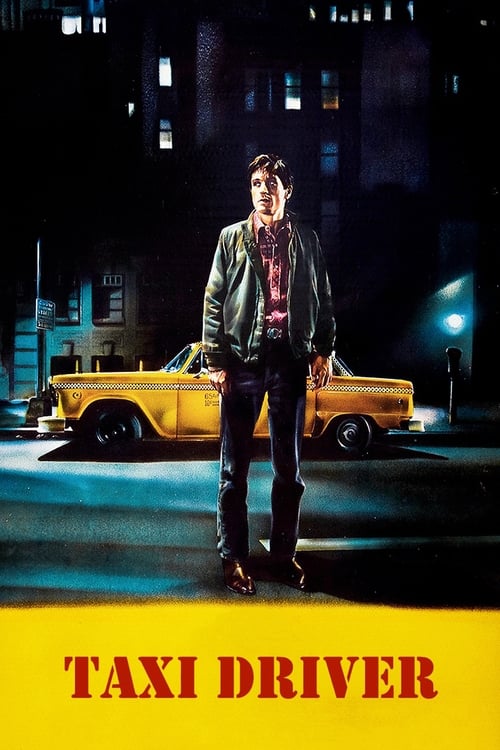
6. Taxi Driver
Martin Scorsese’s gritty, visceral portrait of urban decay and psychological unraveling is a seminal work of the New Hollywood era. Travis Bickle’s descent into vigilantism, fueled by alienation and societal disgust, is a disturbing character study rendered through expressionistic visuals and Bernard Herrmann’s haunting score. It’s a stark, uncompromising reflection of a city's underbelly and a troubled mind.
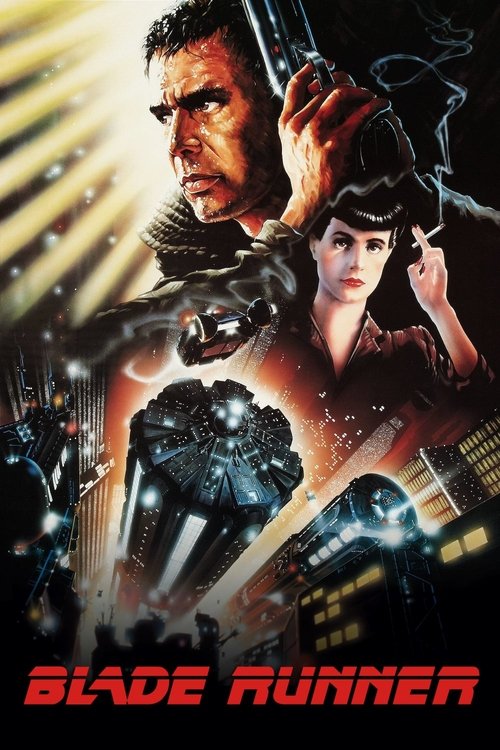
7. Blade Runner
Ridley Scott's dystopian vision crafted a definitive cyberpunk aesthetic, blending neo-noir sensibilities with groundbreaking sci-fi world-building. Its rain-slicked streets, towering advertisements, and philosophical exploration of artificial intelligence versus humanity deeply influenced subsequent generations of filmmakers and artists. Beyond its visual impact, it poses enduring questions about identity, memory, and what it truly means to be alive.
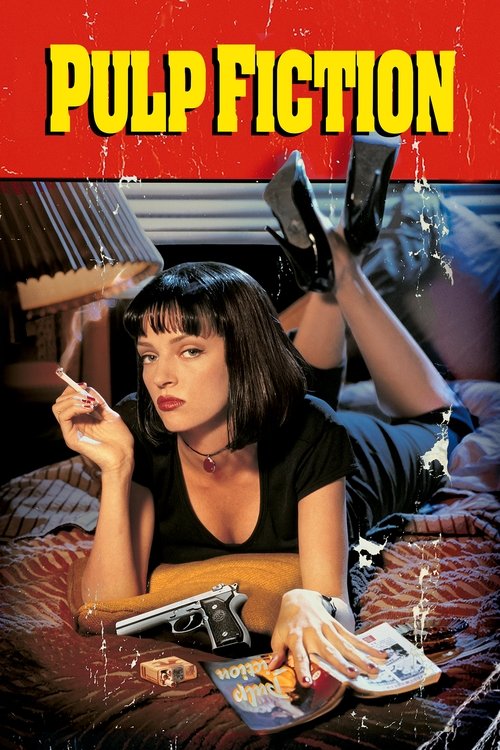
8. Pulp Fiction
Quentin Tarantino’s audacious, non-linear masterpiece shattered conventional narrative structures, presenting a mosaic of interconnected crime stories. Its razor-sharp dialogue, pop culture references, and genre-bending audacity revitalized independent cinema and redefined cool for a generation. The film's playful subversion of expectations and its unique narrative rhythm proved that storytelling could be both profound and wildly entertaining.
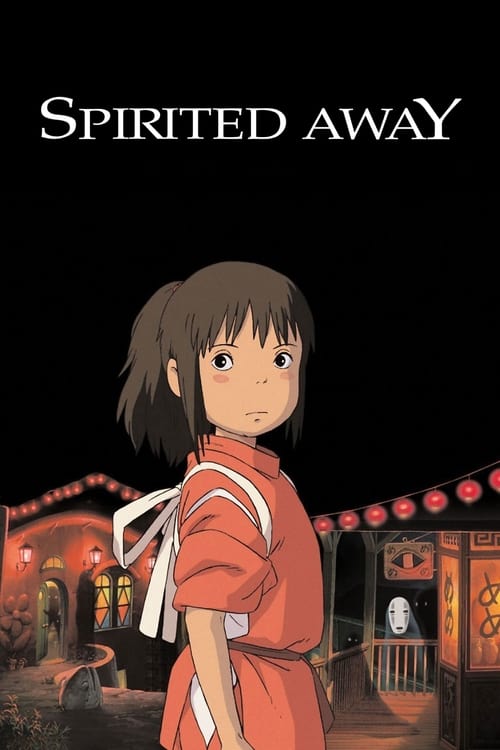
9. Spirited Away
Hayao Miyazaki's animated epic transcends cultural barriers, weaving a fantastical tale of a young girl navigating a spirit world. Its breathtaking animation, imaginative creatures, and profound themes of identity, courage, and environmentalism solidified Studio Ghibli's global impact. This film isn't just a children's story; it’s a deeply resonant exploration of growth and responsibility within a dreamlike, utterly unique universe.
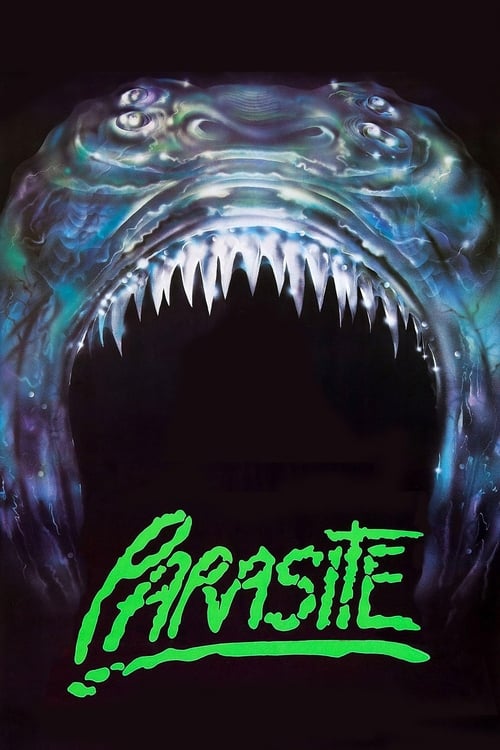
10. Parasite
Bong Joon-ho's razor-sharp satire masterfully blends dark comedy, thriller, and social commentary into a singular, unforgettable experience. Its intricate plotting and brilliant performances expose the insidious nature of class inequality with chilling precision. The film’s global success proved that compelling, culturally specific narratives could resonate universally, challenging audiences to confront uncomfortable truths about wealth and privilege.
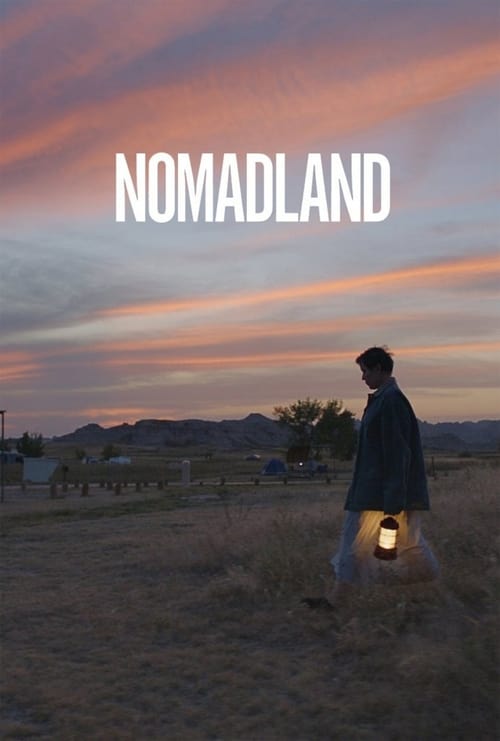
11. Nomadland
Chloé Zhao’s quiet, contemplative drama offers a poignant and authentic look at modern American life on the fringes. Following Fern's journey through the West as a contemporary nomad, it blurs the lines between fiction and documentary, employing real-life nomads and stunning natural landscapes. This film captures a profound sense of resilience and community amidst economic hardship, reflecting a significant societal shift.
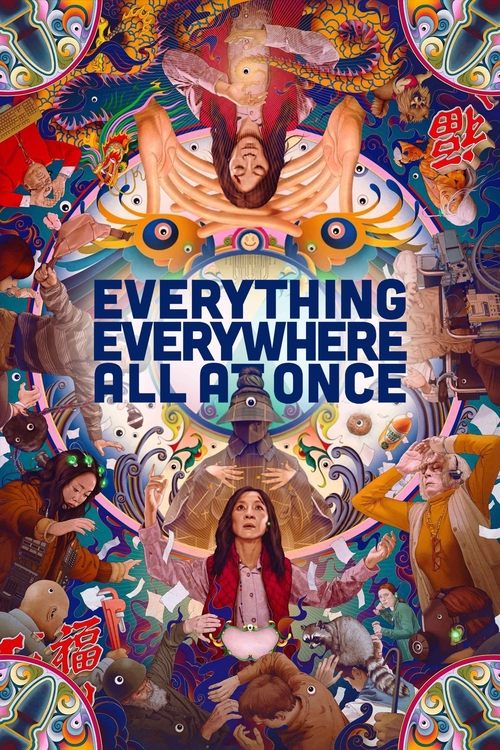
12. Everything Everywhere All at Once
The Daniels' maximalist explosion of creativity is a genre-bending, multiverse-spanning odyssey that grounds its fantastical premise in deeply emotional family drama. Its frenetic pace, inventive visuals, and surprisingly heartfelt core challenged narrative conventions while delivering a powerful message about connection and acceptance. This film is a vibrant, chaotic, and ultimately profound reflection of modern anxieties and desires.