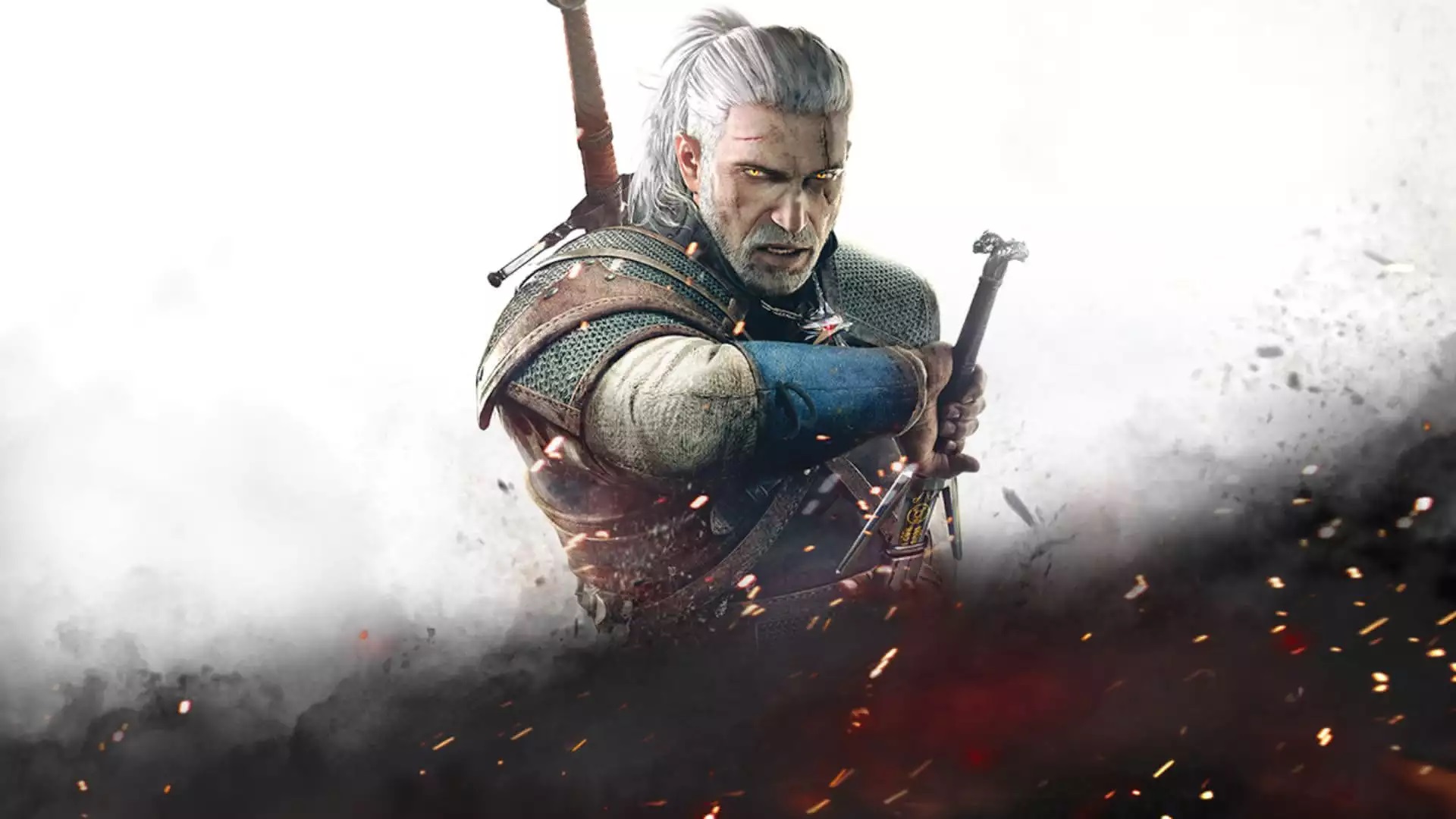
1. The Witcher 3: Wild Hunt
The Wild Hunt themselves are a force of nature, but the real villainy often came from human cruelty, prejudice, and political machinations. Characters like the Bloody Baron or the Crones showed evil isn't just one-dimensional; it's born from desperation, twisted morality, or simply being irredeemably monstrous. It felt earned, not just a big bad with glowing eyes, which is more than can be said for many modern antagonists. They understood nuance in their evil.
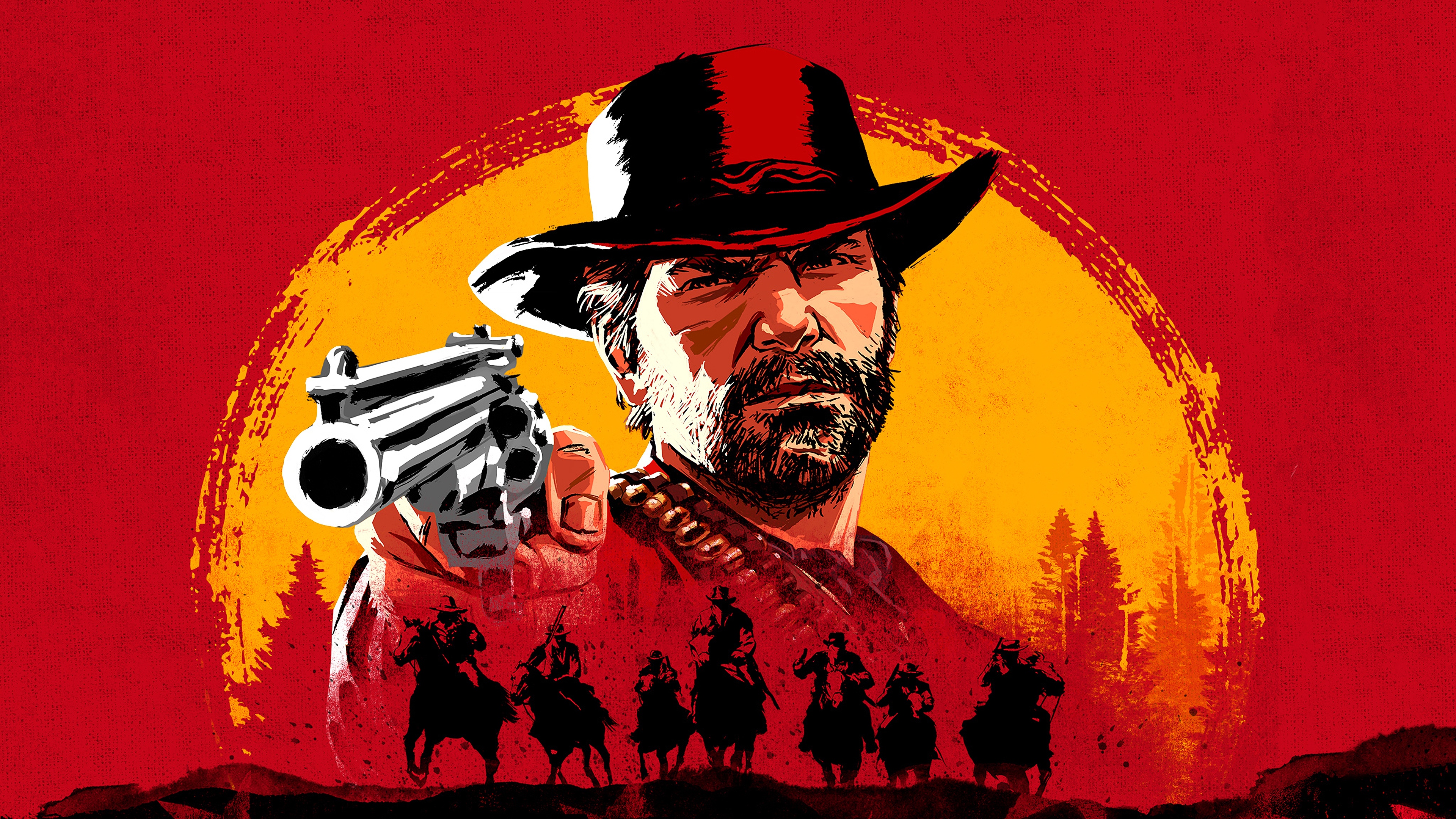
2. Red Dead Redemption 2
Micah Bell, the Pinkertons, even the systemic oppression of a changing world – RDR2's villainy isn't a singular face. It’s the slow rot of betrayal, the relentless pursuit of 'order' over freedom, and the tragic inevitability of progress crushing the wild. Arthur's struggle isn't against a cartoonish overlord, but against a world that doesn't care if he's good or bad. That's a deeper, more resonant evil than most AAA studios dare to touch.
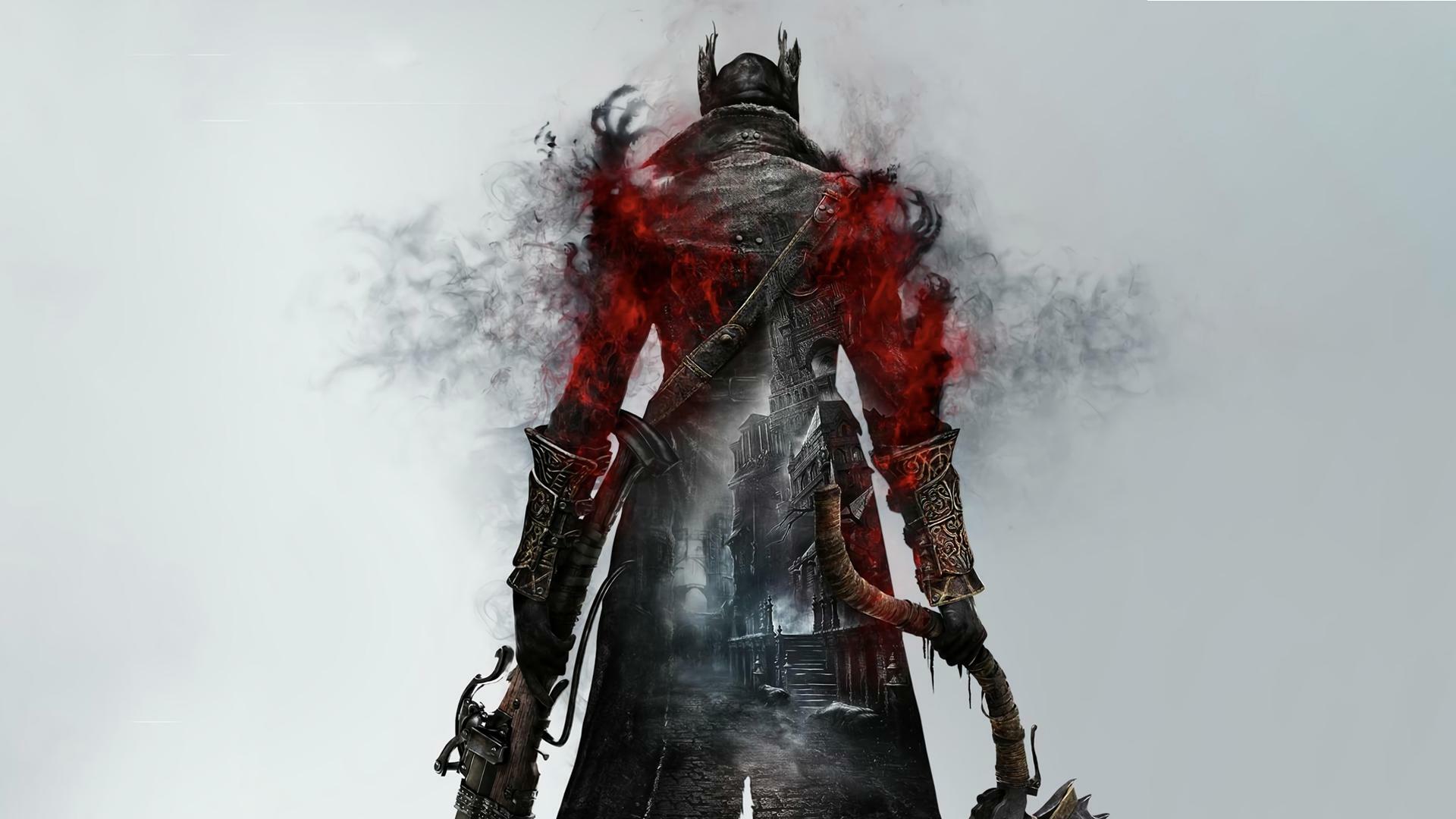
3. Bloodborne
Here, villainy is cosmic horror, the terrifying unknowable, and the hubris of humanity striving for forbidden knowledge. The true antagonists aren't just the beasts you slay, but the eldritch entities pulling strings from beyond comprehension, and the twisted Yharnamites who embraced madness. It’s a chilling, existential dread that permeates every cobblestone, making the player feel truly insignificant against forces far older and more powerful. No simple 'big bad' here, just overwhelming dread.
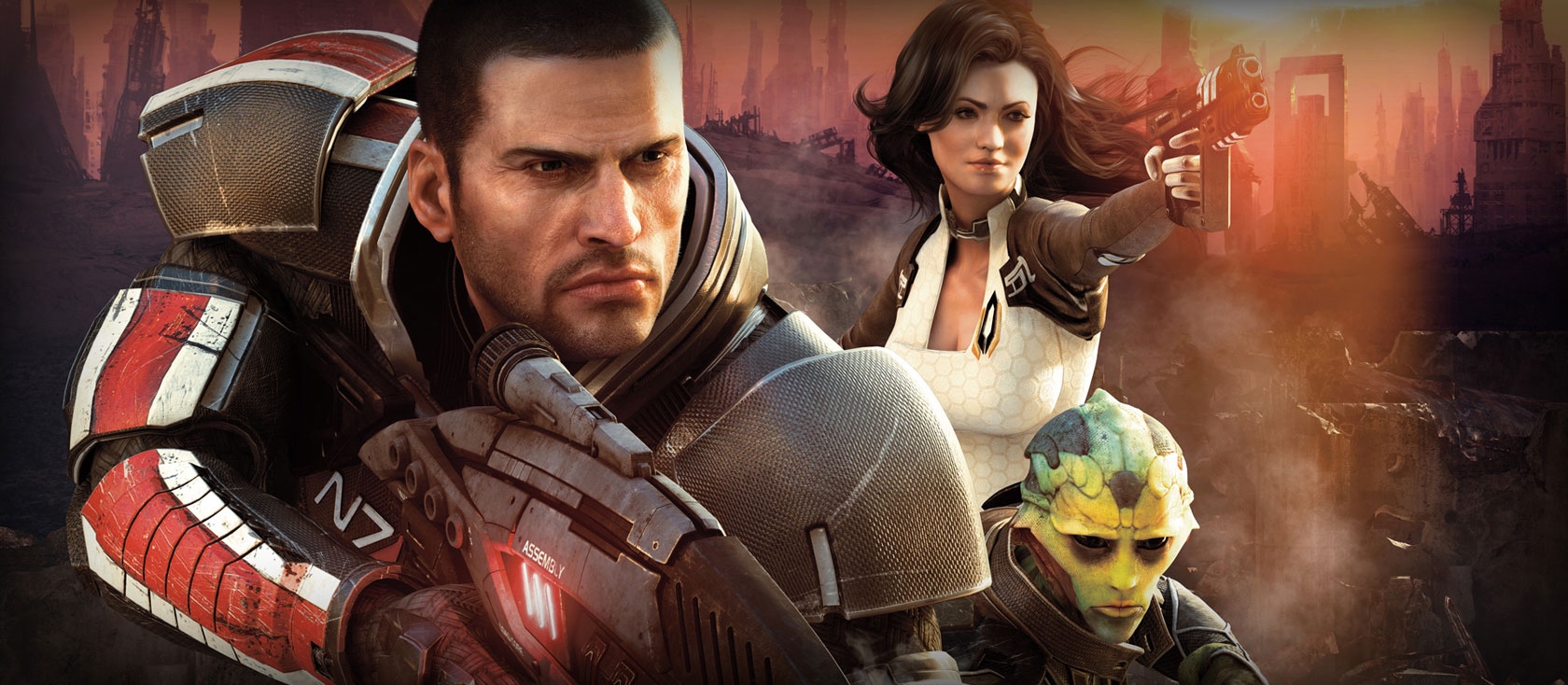
4. Mass Effect 2
The Collectors, a terrifying insectoid threat, are just the tip of the iceberg. The true villain is the slow, insidious harvest of humanity, orchestrated by the Reapers. But even more compelling are the morally gray choices Shepard makes, forcing you to question who the real monsters are when survival is on the line. It's about desperation, sacrifice, and the haunting echo of past genocides. Modern games usually just give you a mustache-twirling evil CEO.
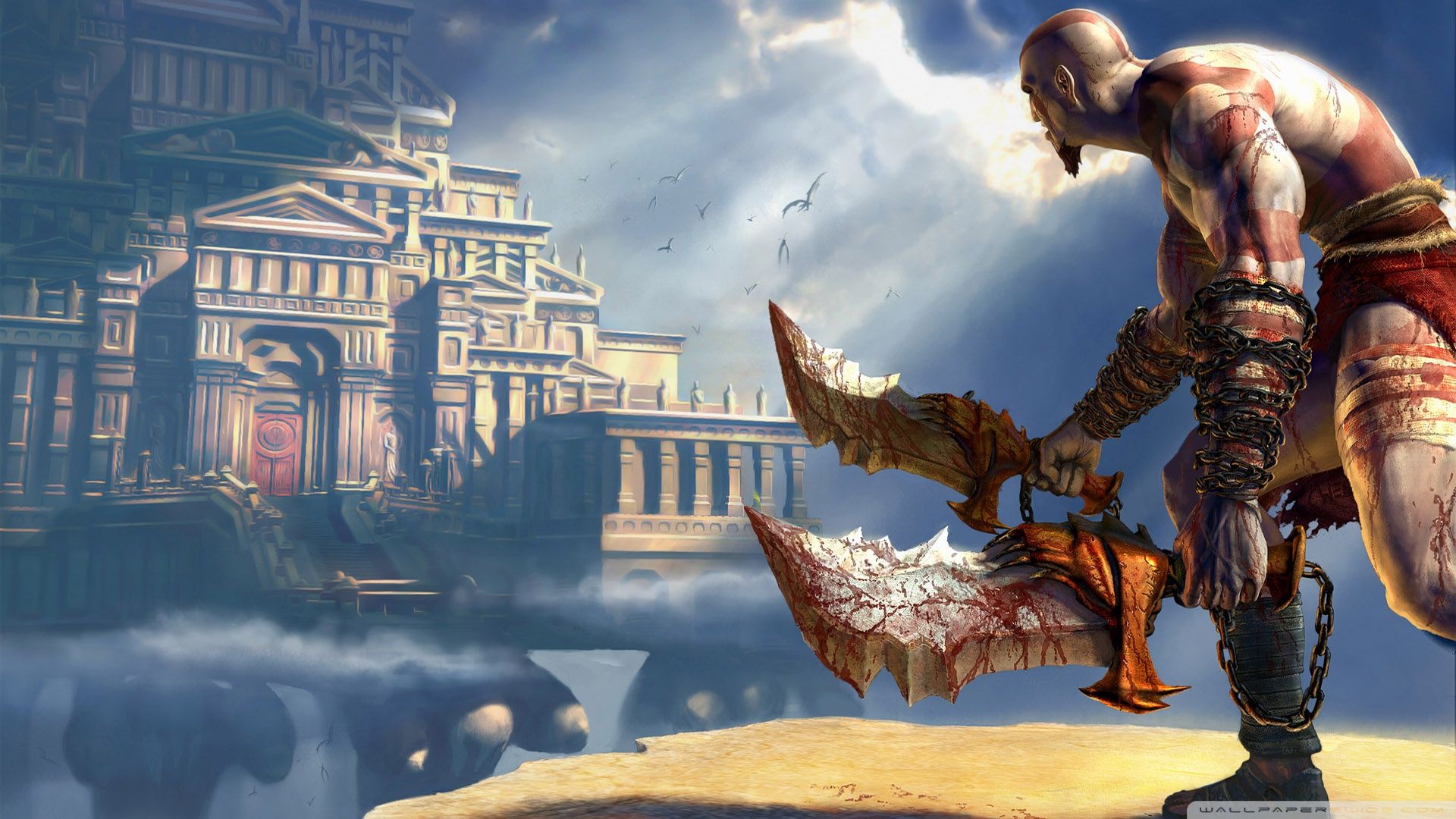
5. God of War I
Ares was pure, unadulterated rage and destruction, a god who revelled in chaos. He wasn't complicated with a tragic backstory; he was a force of nature that Kratos mirrored. The villainy here was primal, a direct challenge that fuelled Kratos's own vengeful fury. It was a perfect antagonist for the original trilogy's narrative, a raw, brutal reflection of the protagonist's inner demons. No self-justifying monologues, just pure, divine malice.
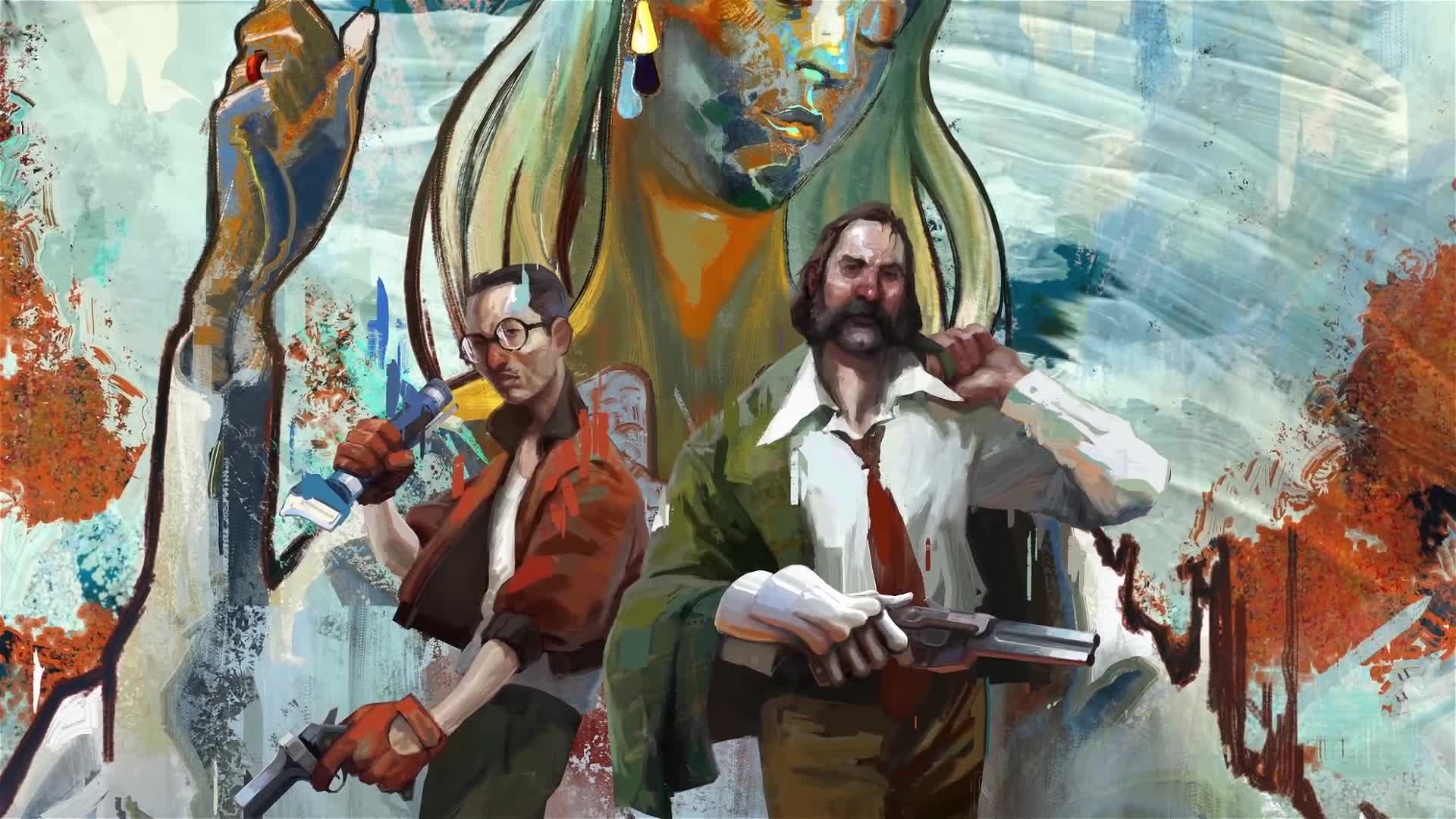
6. Disco Elysium
The villain isn't a person, but the crushing weight of systemic failure, political apathy, and personal despair. It’s the lingering trauma of a failed revolution, the corrupting influence of power, and the sheer human capacity for self-destruction. The 'Insulindian Phasmid' isn't evil, but a symbol of the world's deep-seated strangeness. This game understands that sometimes, the true antagonist is the human condition itself, in all its ugly, broken glory.
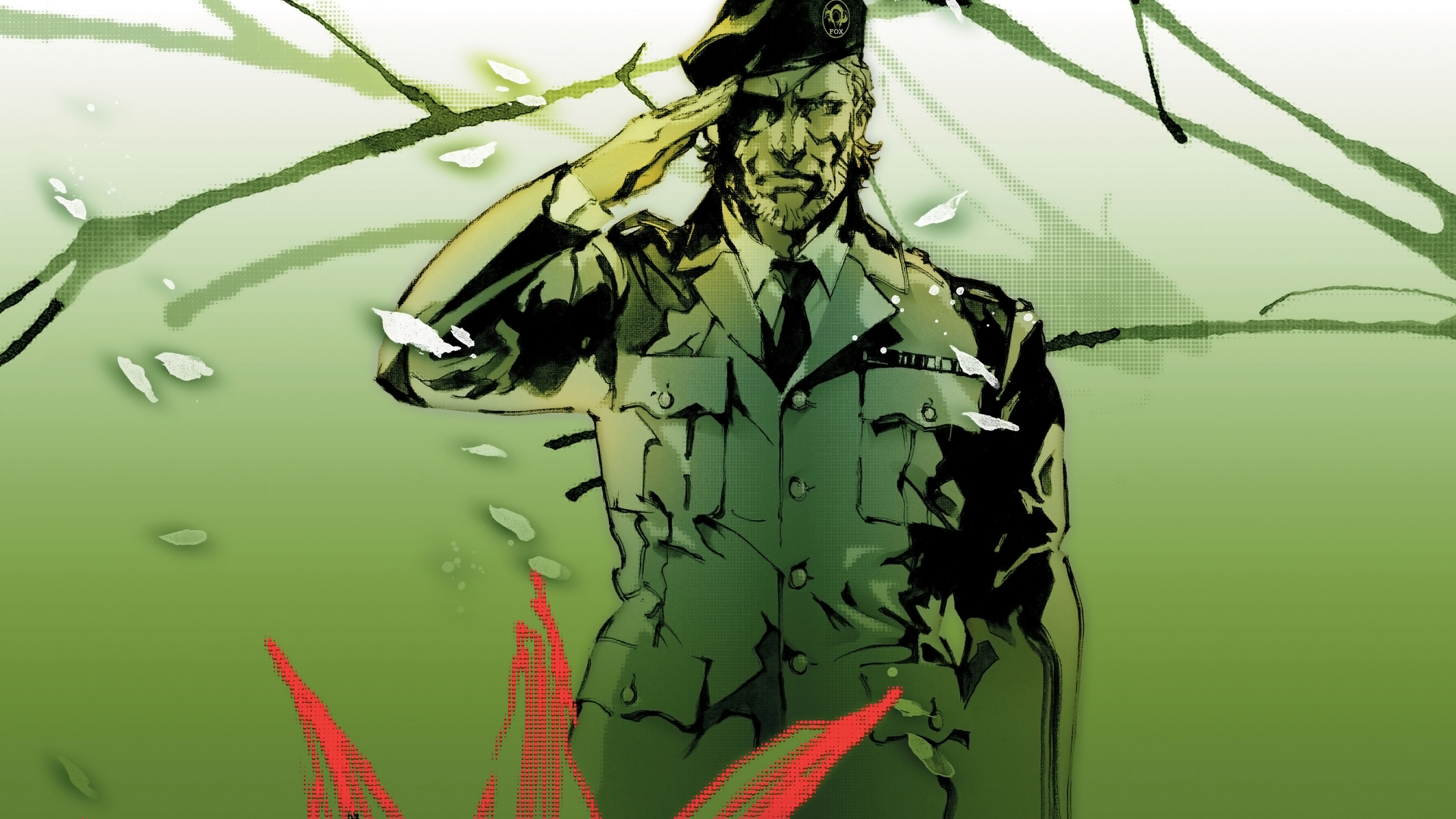
7. Metal Gear Solid 3: Snake Eater
Volgin, The Boss, even the Cold War itself – MGS3 juggles multiple layers of villainy. Volgin is a cartoonishly evil sadist, but The Boss's betrayal is a heart-wrenching, complex act of self-sacrifice. The game critiques the very notion of 'good' and 'evil' in espionage, showing how nations manipulate heroes into becoming villains. It’s a masterclass in moral ambiguity, a depth rarely seen in today's black-and-white narratives.
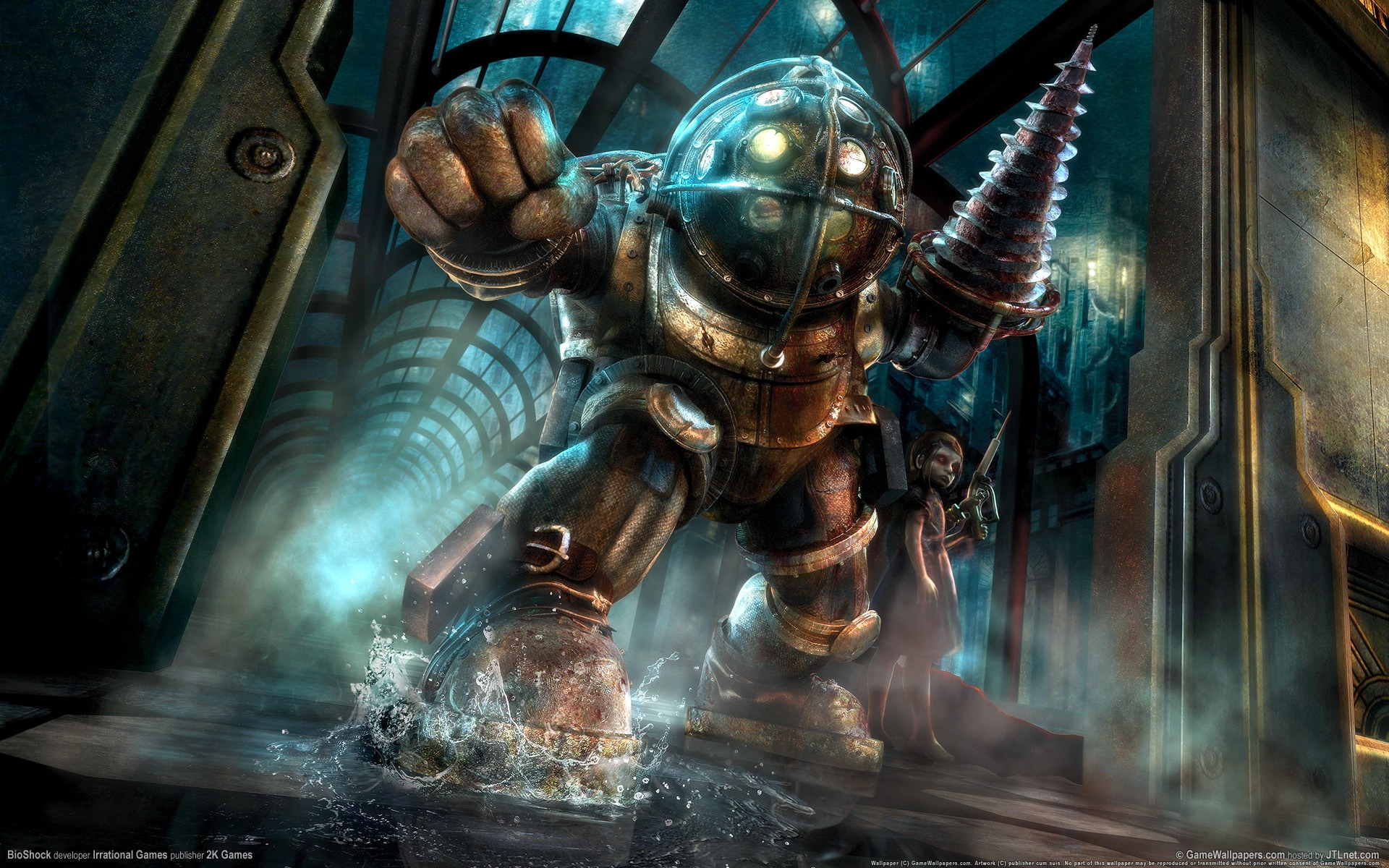
8. BioShock
Andrew Ryan's Objectivist dystopia, Frank Fontaine's ruthless ambition, and Atlas's manipulative deception — BioShock showed us villainy isn't just about blowing things up. It’s about twisted ideologies, unchecked power, and the terrifying fragility of free will. 'Would you kindly?' remains one of gaming's most chilling examples of how players can be unwitting puppets in a villain's grand scheme. It was intellectual horror, not just jump scares.
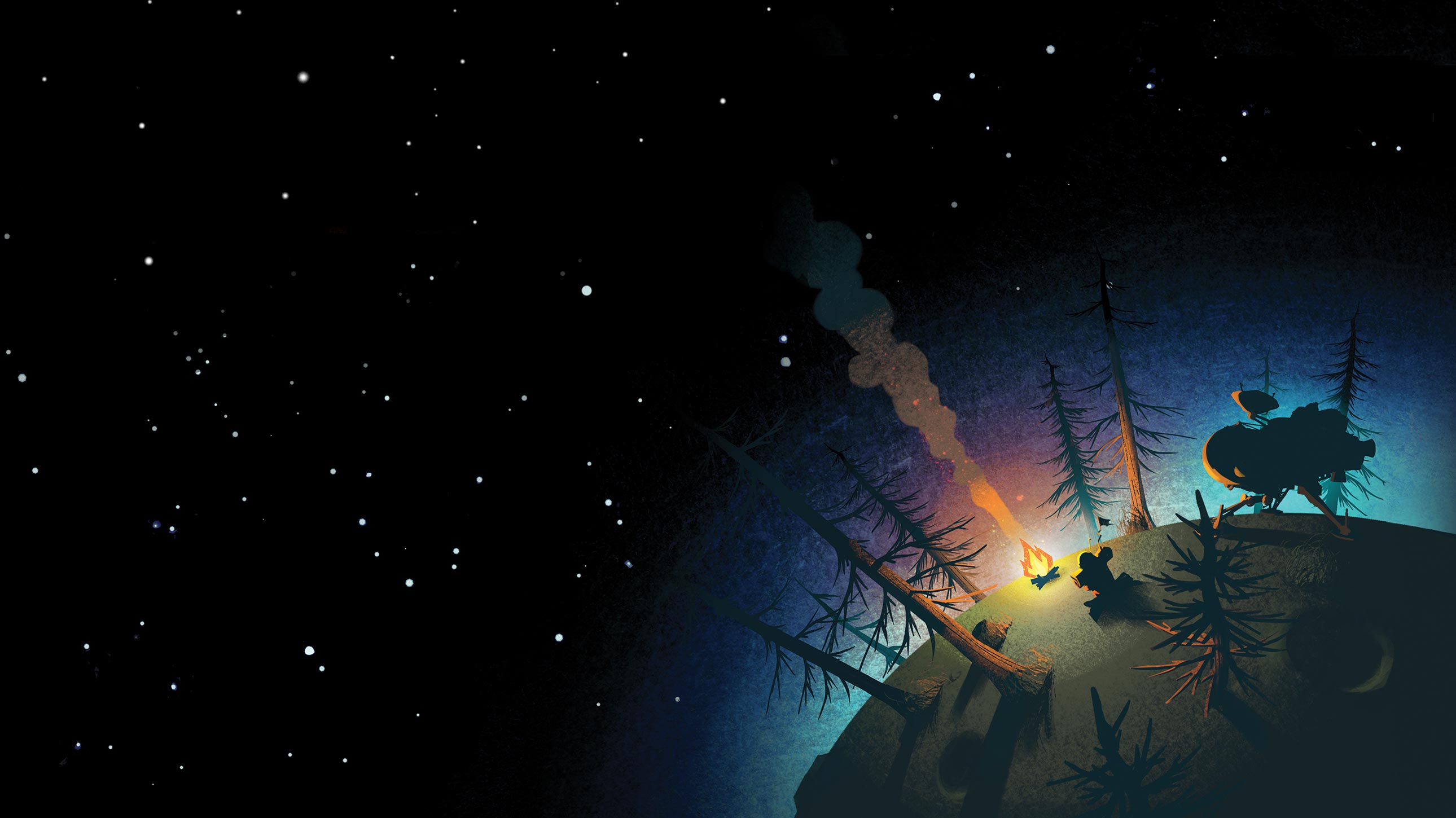
9. Outer Wilds
This game has no traditional villain. Its 'antagonist' is the inexorable march of time, the impending heat death of the universe, and the mysteries left behind by a vanished civilization. The fear isn't from a monster, but from existential dread and the realization that some things are simply beyond control. It’s a profound meditation on impermanence, making the universe itself the ultimate, indifferent force to contend with. A truly unique take on conflict.
10. Cyberpunk 2077
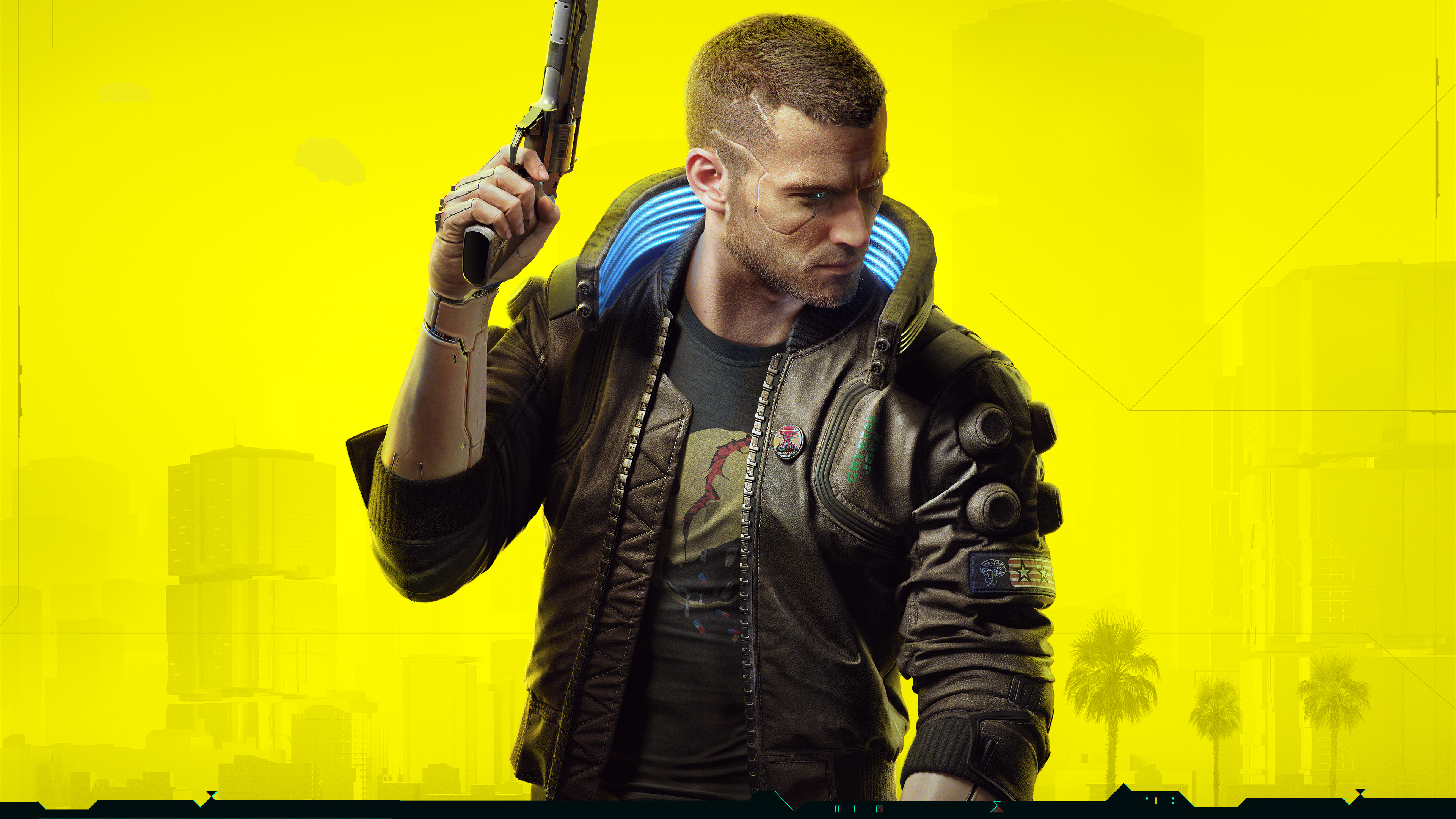
While Arasaka Corporation is the obvious corporate villain, the real antagonist is Night City itself – a sprawling, uncaring monument to late-stage capitalism and human desperation. V's primary struggle isn't against one person, but against a system designed to chew you up and spit you out, whether that's through corporate espionage, gang warfare, or a ticking clock in your head. It's a critique of power and exploitation, far more nuanced than its initial reception suggested.