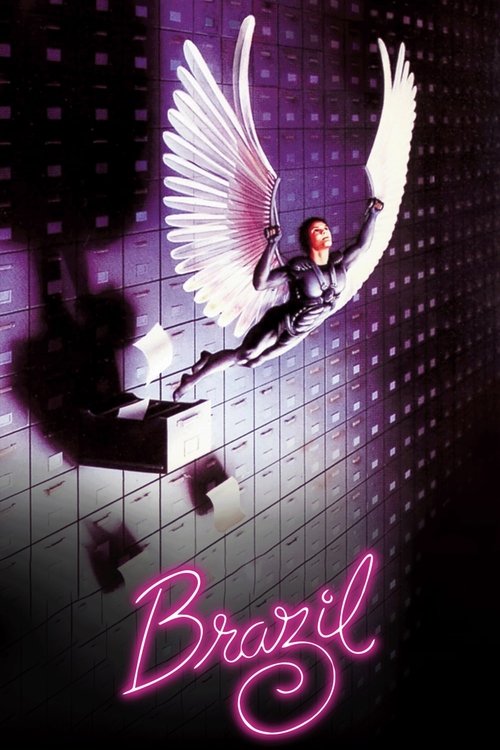
1. Brazil
Terry Gilliam’s dystopian masterwork from 1985 remains a visceral, surreal critique of bureaucracy and consumerism. Its visual language, a chaotic blend of retro-futurism and architectural absurdity, creates a world both terrifying and darkly comedic. Sam Lowry’s escape into a dreamscape provides a poignant counterpoint to the drab, oppressive reality. This specific cut, often entangled in studio battles, perfectly showcases Gilliam’s uncompromised vision, making it a powerful, enduring piece of cinematic artistry.
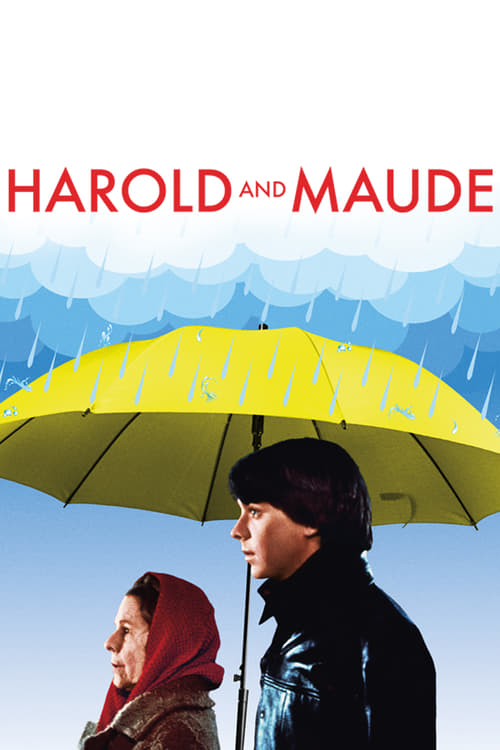
2. Harold and Maude
Hal Ashby’s 1971 dark comedy is a tender, unconventional romance that celebrates life and individuality against the backdrop of morbid obsession. The unlikely bond between a death-fixated young man and an octogenarian free spirit is handled with remarkable grace and humor. Its irreverent tone and Cat Stevens soundtrack create an indelible, offbeat charm, rejecting societal norms and embracing the joy of existence. The film’s counter-cultural spirit of the era feels as fresh and vital today.
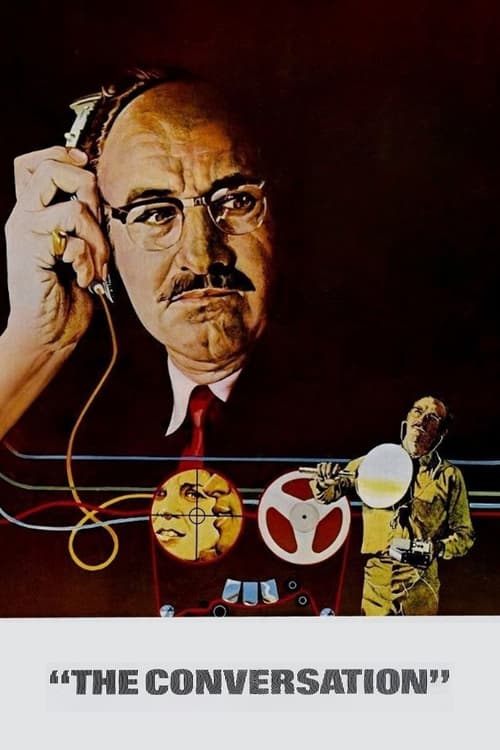
3. The Conversation
Francis Ford Coppola, fresh off *The Godfather*, delivered this taut 1974 psychological thriller, a masterclass in paranoia and surveillance. Gene Hackman's portrayal of Harry Caul, an expert surveillance man haunted by his work, is chillingly precise. The film meticulously builds an atmosphere of creeping dread, questioning privacy and morality in a post-Watergate world. Its deliberate pacing and sound design immerse the viewer in Caul's isolating descent, making it a profound meditation on guilt and observation.

4. Withnail & I
Bruce Robinson’s 1987 black comedy is a cult classic for good reason, offering a hilariously bleak portrayal of two unemployed, alcoholic actors navigating rural England. Its quotable dialogue and unforgettable performances, particularly Richard E. Grant as Withnail, define a certain kind of British cynicism and despair. The film captures the end of an era with biting wit and a profound sense of melancholic failure, cementing its place as a uniquely acerbic character study.
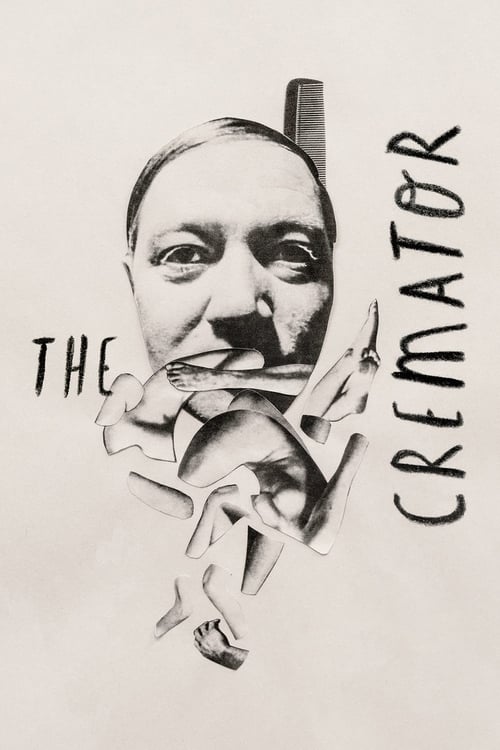
5. The Cremator
Juraj Herz's 1969 Czechoslovak New Wave horror-comedy is a chilling descent into madness, featuring Rudolf Hrušínský's unforgettable performance as the meticulously polite, increasingly deranged cremator, Kopfrkingl. Set against the backdrop of rising fascism, the film masterfully blends grotesque humor with psychological horror, using its oppressive, Expressionistic visuals and disorienting narrative structure to portray a man's descent into depraved ideology. Its specific era context amplifies its disturbing power.

6. Le Samouraï
Jean-Pierre Melville’s 1967 minimalist crime masterpiece is a definitive work of French New Wave cinema, a stark and stylish portrayal of a hitman, Jef Costello, living by an unbending code. Alain Delon’s stoic, enigmatic performance anchors the film's cool aesthetic and existential themes. With its precise visual storytelling, meticulous attention to detail, and almost silent protagonist, Melville crafts a hypnotic study of isolation, loyalty, and the professional’s fatalistic path.
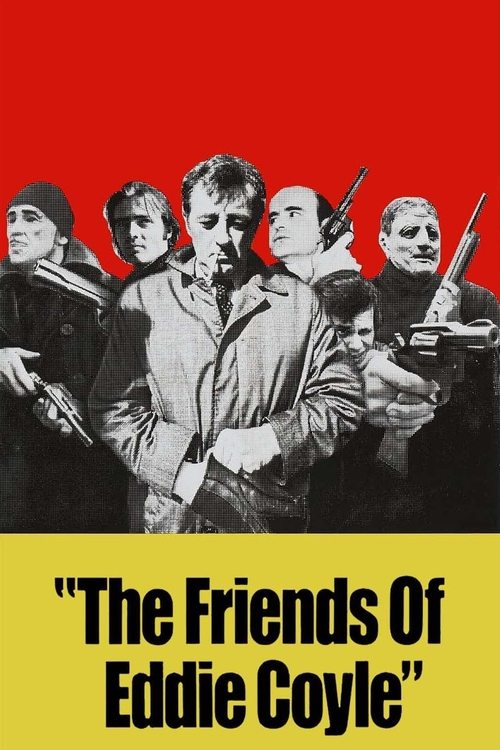
7. The Friends of Eddie Coyle
Peter Yates' 1973 crime drama is a gritty, unsentimental look at the lower echelons of Boston's criminal underworld. Robert Mitchum delivers a career-defining performance as the aging, weary gunrunner, Eddie Coyle, whose desperation leads him down a treacherous path. The film’s raw, naturalistic style eschews glamour for a bleak realism, portraying a world where loyalty is fleeting and survival is paramount. It’s a seminal piece of 70s American cinema.
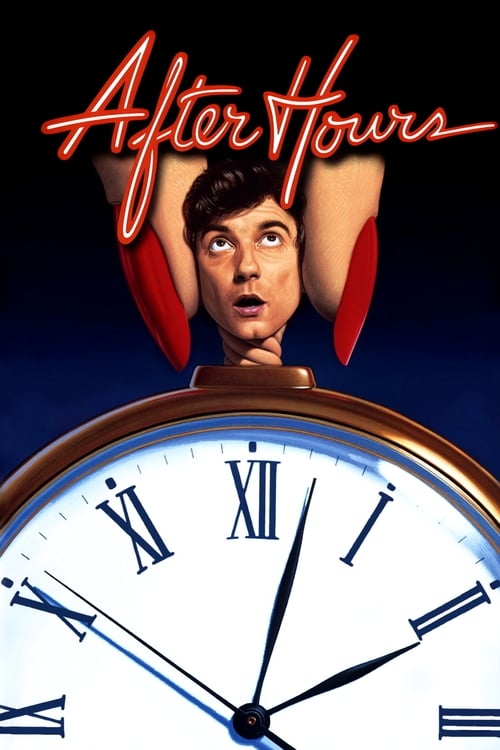
8. After Hours
Martin Scorsese’s 1985 black comedy is a nightmarish odyssey through downtown Manhattan, a bewildering series of escalating misfortunes for a mild-mannered word processor. Its frenetic pacing and surreal encounters evoke a Kafkaesque sense of paranoia and absurdity. Scorsese, stepping away from his usual grand narratives, crafts a claustrophobic, darkly humorous urban fable where every turn leads to more bizarre and inescapable predicaments, capturing the bewildering alienation of city life.

9. Wake in Fright
Ted Kotcheff’s 1971 Australian psychological thriller is a visceral, unsettling journey into the heart of outback darkness. A schoolteacher, stranded in a remote mining town, succumbs to its brutal, primal impulses. The film’s relentless portrayal of toxic masculinity, excessive drinking, and disturbing kangaroo hunt sequence is profoundly shocking. Its restoration has brought this intense, often censored, exploration of identity and savagery back into the spotlight, maintaining its potent, nightmarish power.
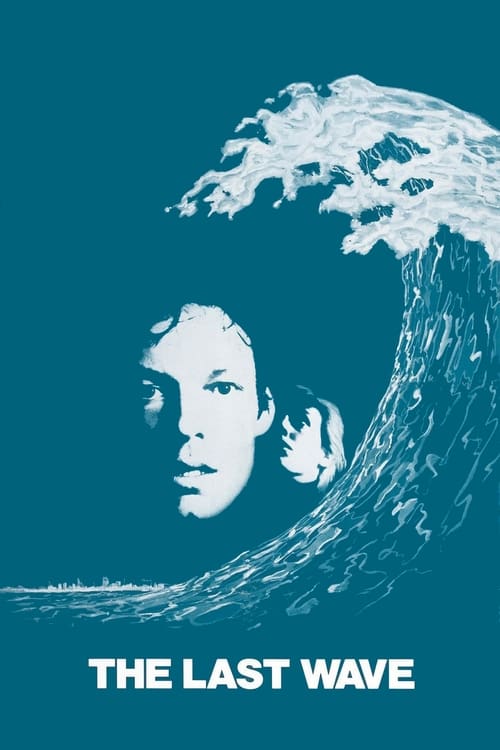
10. The Last Wave
Peter Weir’s 1977 Australian mystery-thriller weaves an atmospheric, dreamlike narrative exploring cultural collision and impending apocalypse. Richard Chamberlain plays a lawyer defending Aboriginal men accused of murder, only to find himself drawn into a mystical world of ancient prophecies and environmental dread. Weir masterfully blends psychological suspense with supernatural elements, creating a uniquely Australian vision of the uncanny, where the modern world confronts an ancient, overwhelming force.
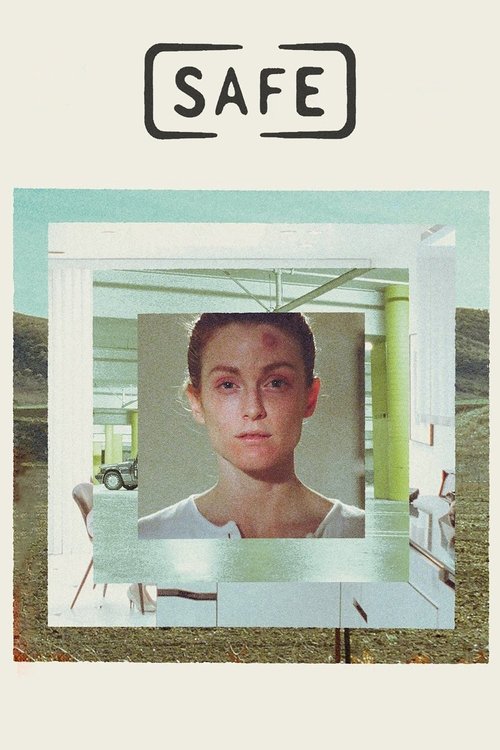
11. Safe
Todd Haynes’ 1995 psychological drama is a chillingly prescient examination of environmental illness and societal alienation. Julianne Moore delivers a quietly devastating performance as Carol White, a suburban housewife who develops debilitating chemical sensitivities. Haynes uses a stark, minimalist style to portray her increasing isolation and the ambiguous nature of her illness, questioning the very concept of safety in a seemingly toxic world. It's a profound, disquieting reflection on vulnerability and identity.