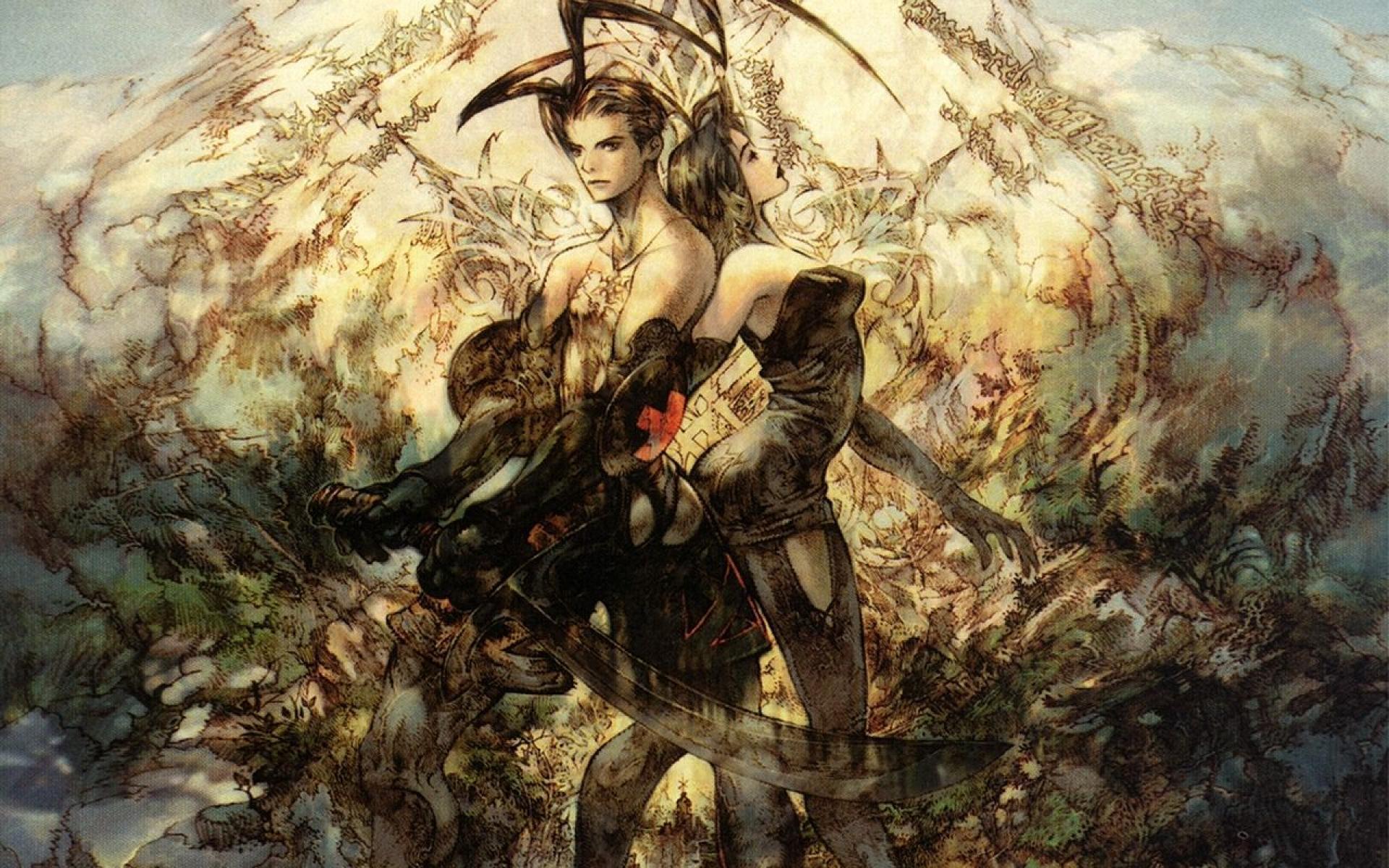
1. Vagrant Story (2000)
Vagrant Story (2000) was Square at its peak, before the endless sequels and safe bets. This PS1 masterpiece felt like a dark, intricate tapestry woven with complex weapon crafting and a unique chain combat system. It didn't hold your hand; it demanded engagement, rewarding mastery with unparalleled satisfaction. Modern games rarely dare to be this unapologetically dense or narratively mature, often sacrificing depth for broader appeal. It truly stood as a singular vision, untouched by monetization or focus groups, a testament to true artistic ambition.
2. Psi-Ops: The Mindgate Conspiracy
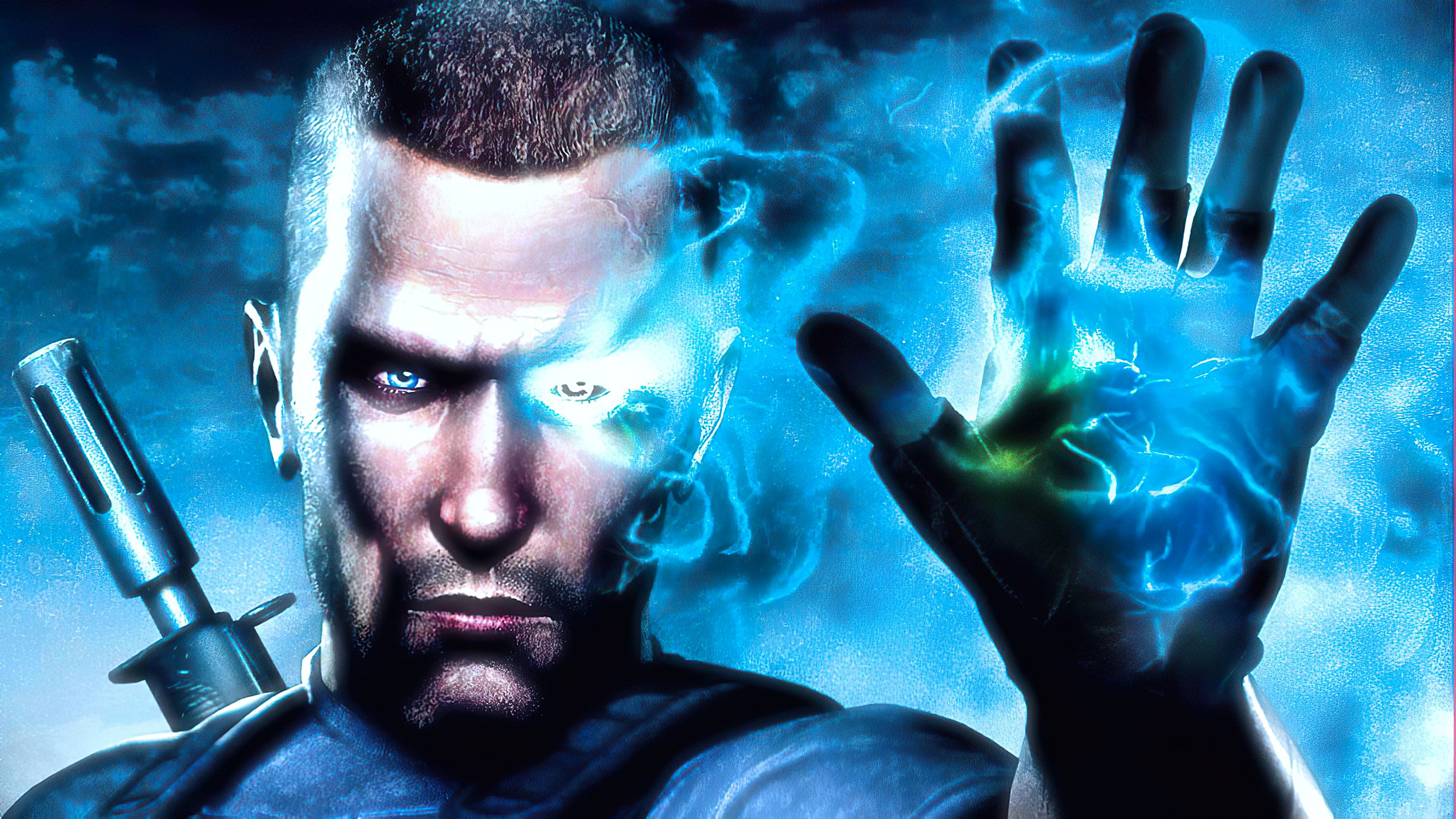
Psi-Ops arrived in an era when developers still took risks with core mechanics. Its telekinetic gameplay wasn't just a gimmick; it was the entire sandbox, letting you throw enemies, manipulate objects, and chain abilities in ways that felt genuinely fresh. While many shooters chased realism or cover systems, Psi-Ops leaned into pure, unadulterated power fantasy with creative physics. It's a shame modern titles so often shy away from such bold, central mechanics, preferring iterative updates over truly innovative design.
3. Jade Empire
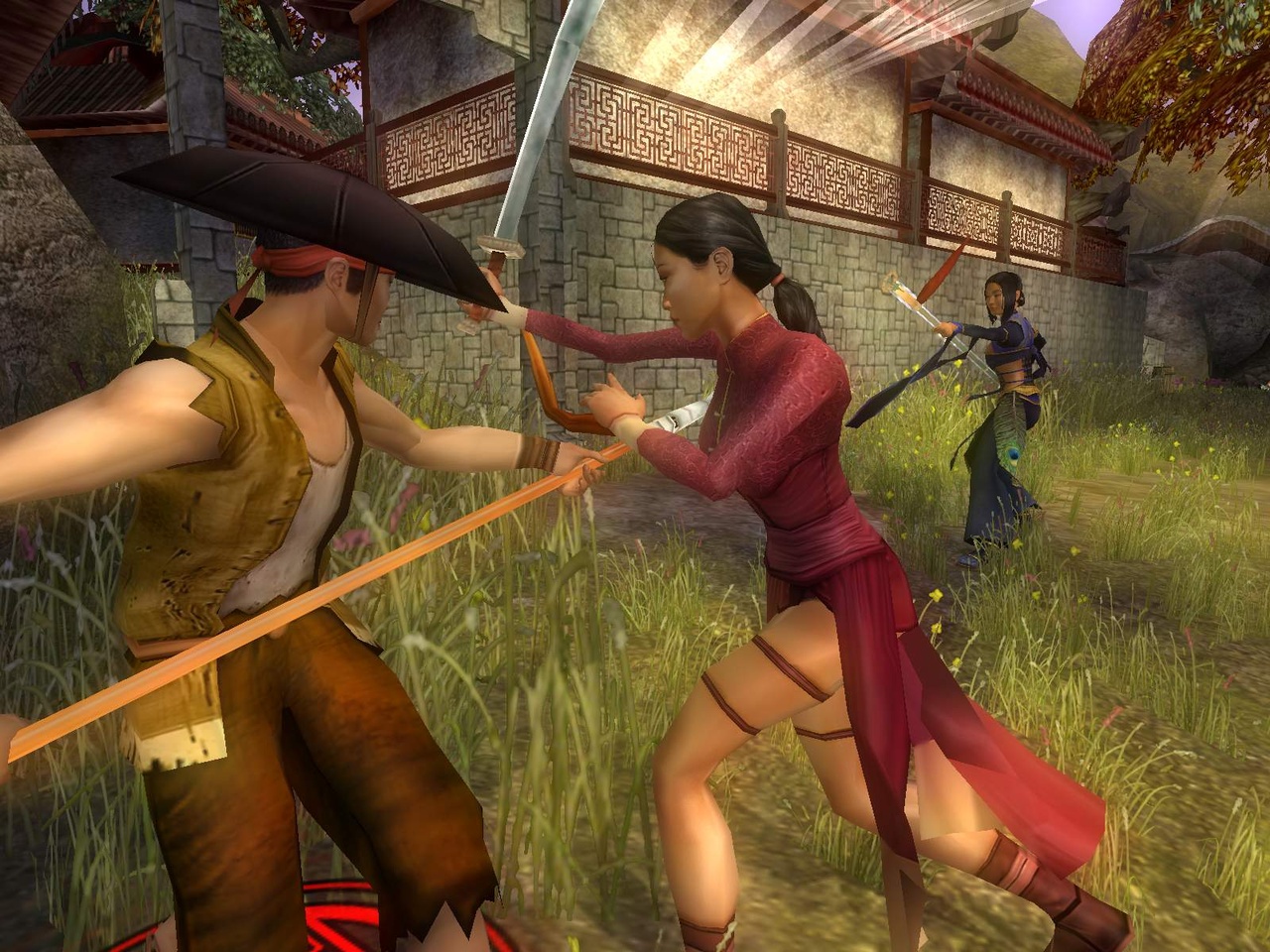
Before BioWare became synonymous with Mass Effect or Dragon Age, Jade Empire offered a vibrant, distinct take on the action RPG. Its martial arts combat, unique setting inspired by Chinese mythology, and the classic BioWare choice-and-consequence system were a breath of fresh air. It dared to be different from the usual Western fantasy tropes, proving that rich storytelling and compelling gameplay could thrive in diverse cultural backdrops, something the industry could still learn from today instead of recycling the same old settings.
4. Grim Fandango
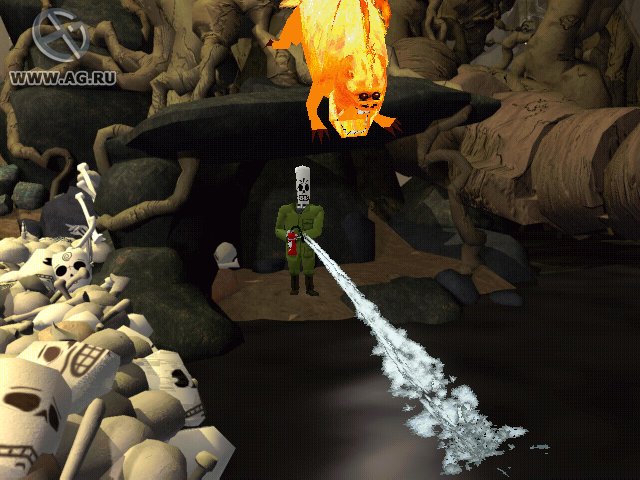
Grim Fandango wasn't just a point-and-click adventure; it was a cultural phenomenon and a masterclass in storytelling. Its noir-meets-Day-of-the-Dead aesthetic, coupled with razor-sharp dialogue and unforgettable characters, made it an instant classic back then, and still now. While the adventure genre struggled for years, Tim Schafer's 1998 vision proved that games could be smart, funny, and deeply emotional. It’s a stark reminder of the narrative depth we sometimes miss in today's graphically intensive but often narratively thin blockbusters.
5. Giants: Citizen Kabuto
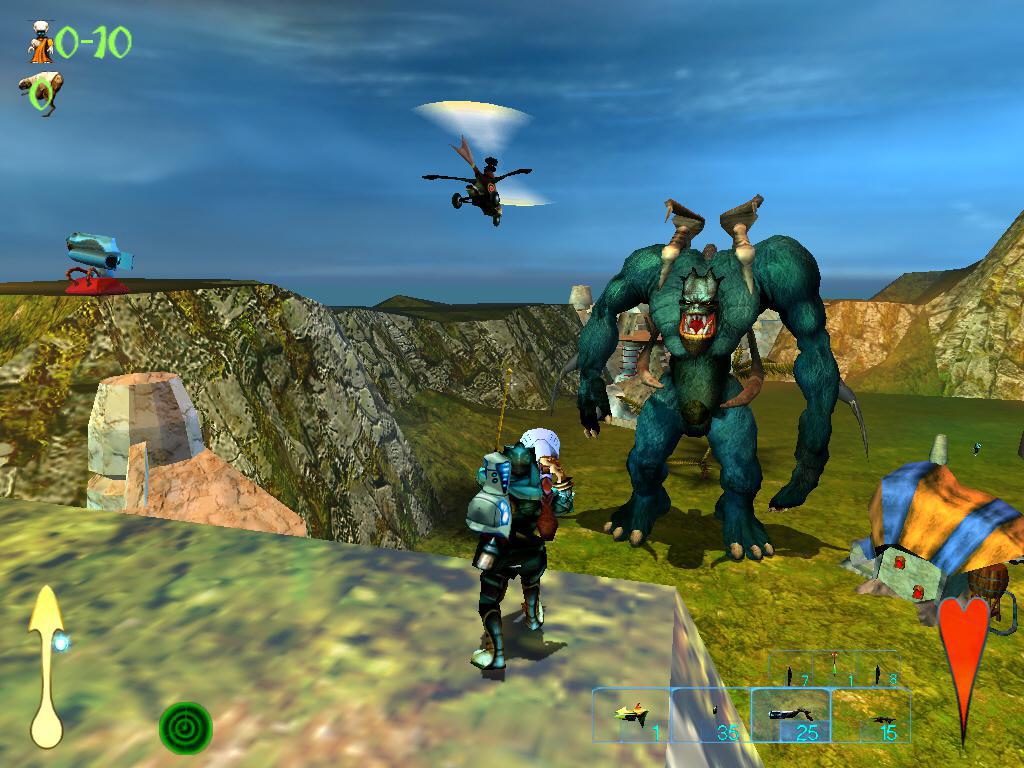
Giants: Citizen Kabuto was just... wild. Released in 2000, it blended third-person shooter, RTS, and action-platforming with a bizarre, darkly humorous sensibility. Playing as a jet-skiing 'Meccaryn,' a giant monster, or a magical 'Sea Reaver' felt utterly unique. It was the kind of game that wouldn't get greenlit today, far too experimental and niche for publishers obsessed with mass appeal and safe formulas. But its sheer creativity and irreverent charm delivered an experience unlike anything else, then or now.
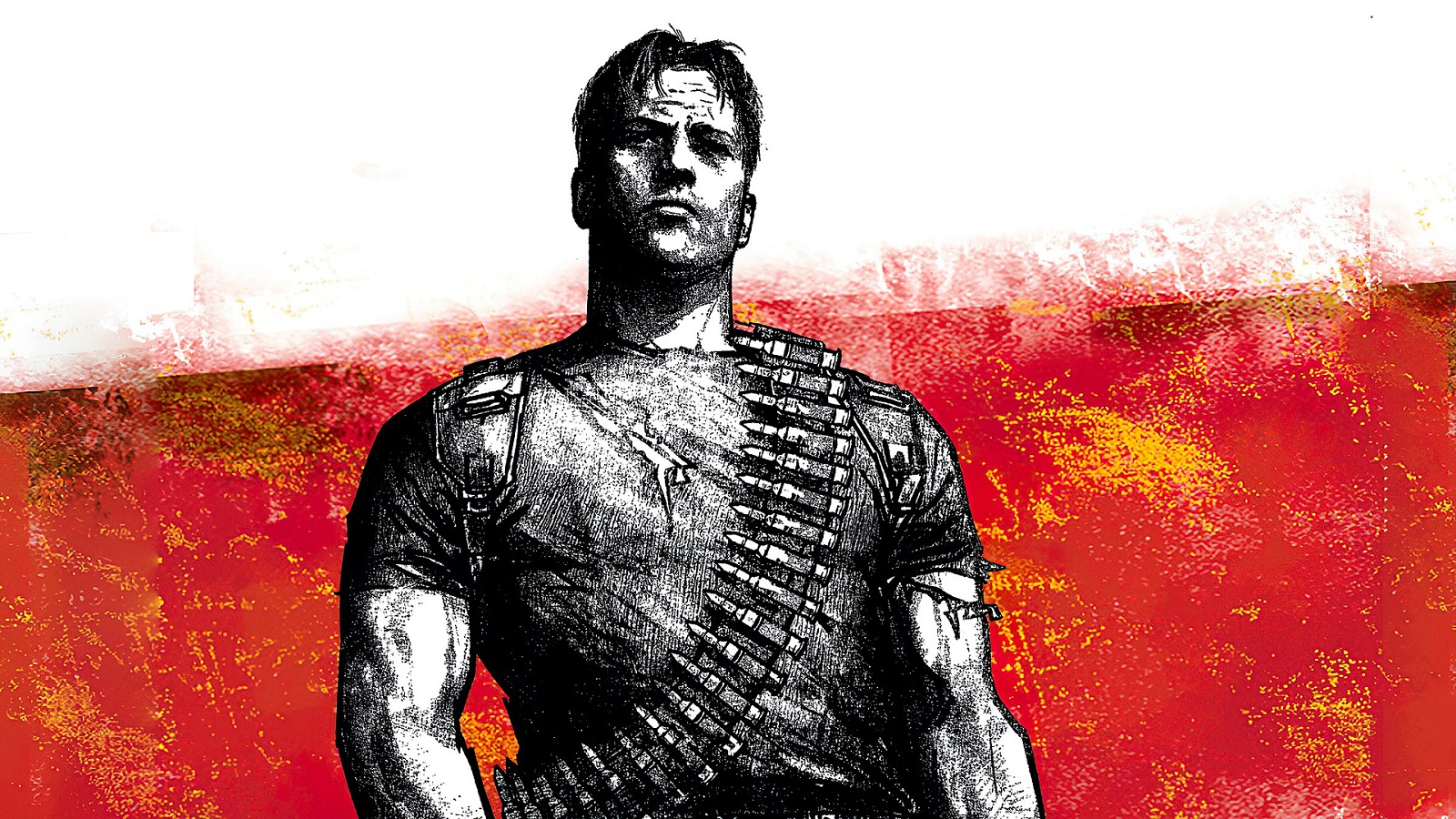
6. Freedom Fighters
Freedom Fighters, a 2003 gem from IO Interactive, delivered a satisfying third-person shooter experience without the bloat of modern titles. Its alternate history premise and tight squad-based mechanics felt impactful, letting you recruit and command a small team to liberate New York from Soviet occupation. It offered compelling action and a strong sense of progression without any battle passes or microtransactions. It was just a solid, complete package, a concept that often feels alien in today's live-service-dominated landscape.
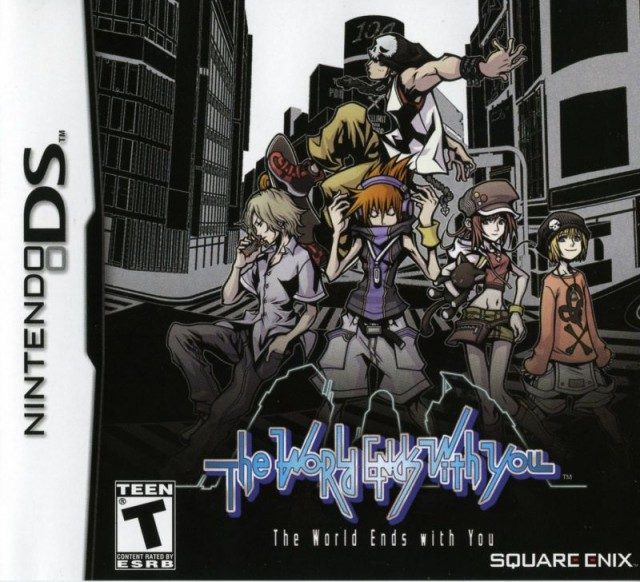
7. The World Ends With You DS
The World Ends With You DS (2007) was a JRPG that absolutely oozed style and innovation. Its Shibuya setting, killer soundtrack, and utterly unique dual-screen combat system demanded players engage both brains and fingers. It never felt like a compromised handheld port; it was designed from the ground up for the DS. In an era where so many games play it safe, this Square Enix title dared to be different, delivering an unforgettable, vibrant experience that still resonates with players who crave bold design choices.