

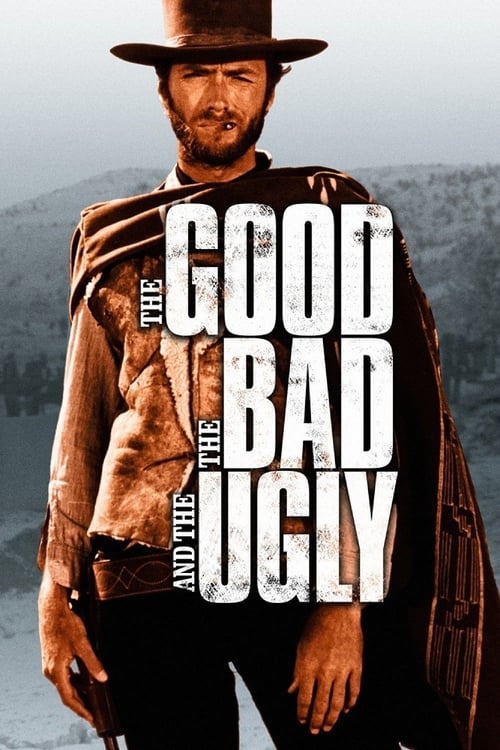
1. The Good, the Bad and the Ugly
Sergio Leone's epic, a culmination of his 'Man with No Name' trilogy, redefined the Western. It elevated the genre through its operatic scope, groundbreaking cinematography, and Ennio Morricone's iconic score. The film isn't just an adventure; it's a profound, cynical exploration of human greed and the moral ambiguities at the heart of the American frontier myth, delivered with a stark, brutal elegance that left an indelible mark on cinematic storytelling.
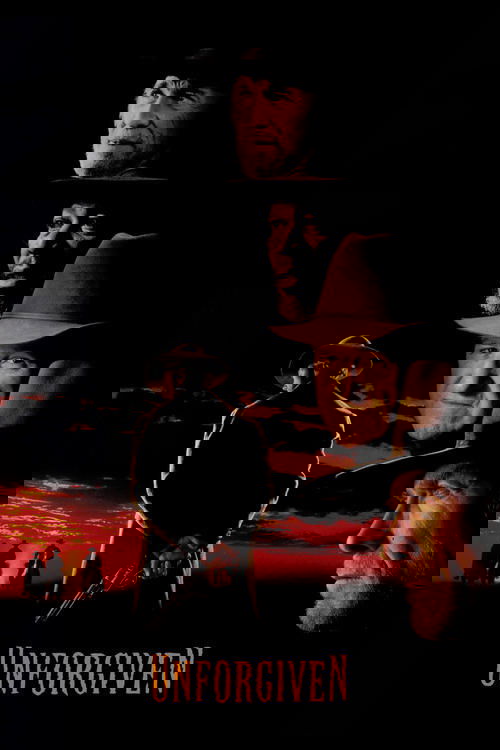
2. Unforgiven
Clint Eastwood's revisionist masterpiece stripped away the romanticism, presenting the West as a place of squalor, violence, and morally compromised figures. It deconstructed the heroic archetype, showing how legends are often built on brutal acts, not noble intentions. This film served as a poignant, almost elegiac, farewell to the classic Western tropes, offering a mature, somber reflection on the true cost of violence and the burden of a past.

3. Shane
George Stevens’s 1953 classic is a foundational text, a meticulously crafted tale embodying the archetypal lone rider protecting homesteaders. Its profound influence stems from its elegant simplicity and the mythic quality of its hero, Shane, who represents the fading ideal of the gunfighter. The film explored themes of civilization versus wilderness and the painful necessity of violence for order, leaving an enduring image of a hero riding off into the sunset.
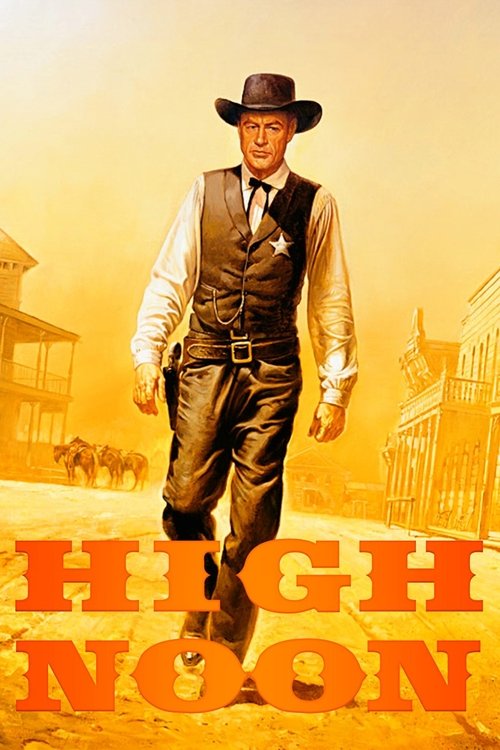
4. High Noon
Fred Zinnemann's real-time narrative masterfully distilled the Western's core anxieties into a ticking clock. It's not merely a shootout; it's a piercing character study and a potent allegory for civic courage, or its absence, under pressure. The film reflects societal fears of conformity and the burden of individual responsibility, compelling audiences to question the nature of heroism and community in the face of impending threats.
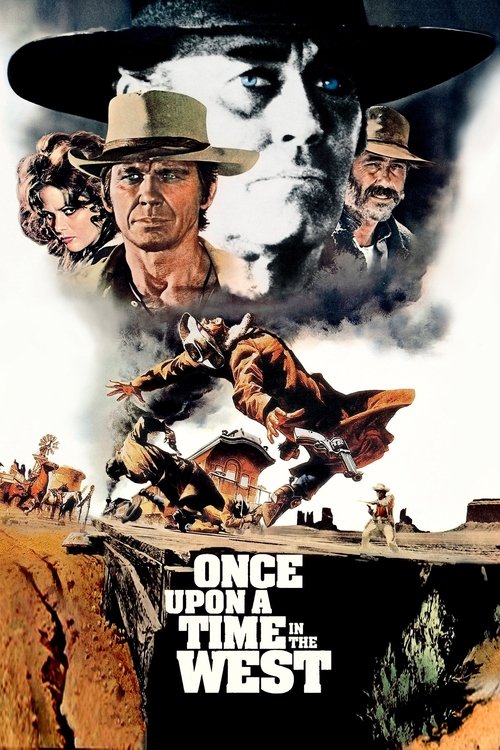
5. Once Upon a Time in the West
Another Leone epic, this film is a majestic, mournful elegy to the dying frontier. Its sprawling narrative, breathtaking vistas, and deliberate pacing create a mythic grandeur, chronicling the clash between nascent industrialization and the fading wilderness. The iconic score and unforgettable characters underscore a narrative steeped in revenge and the brutal transformation of a landscape, solidifying its status as a monumental cinematic achievement.
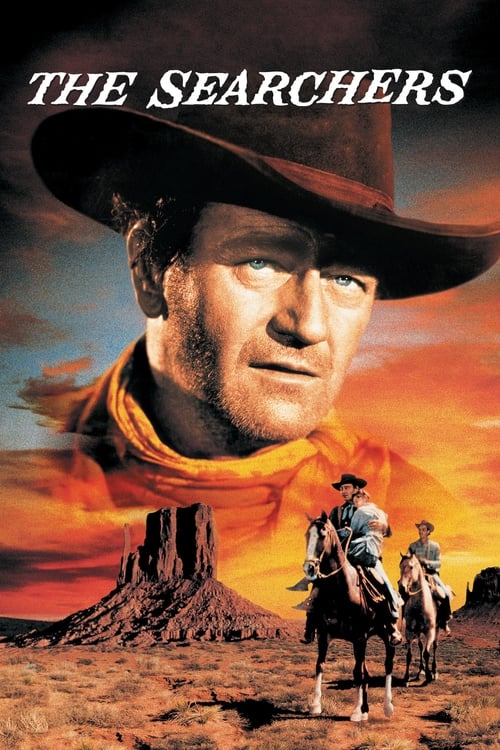
6. The Searchers
John Ford’s 1956 landmark, while visually stunning and narratively impactful, remains a complex and often uncomfortable viewing experience. It explores the dark undercurrents of American expansion, depicting a protagonist driven by obsessive hatred and racial prejudice. The film’s power lies in its unflinching portrayal of moral ambiguity and the psychological scars left by frontier life, making it a crucial, if challenging, historical document.
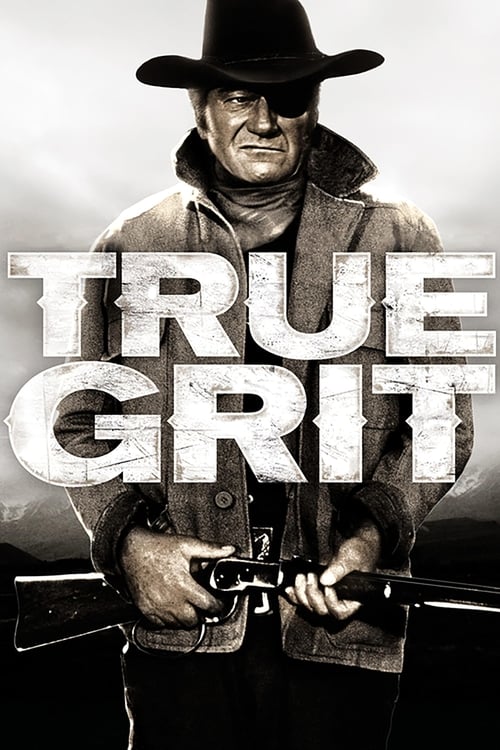
7. True Grit
The enduring story of Mattie Ross, a formidable young woman navigating a lawless land, significantly broadened the Western's scope. It subverts the traditional male-centric narrative, offering a fresh perspective on courage and justice through her unwavering resolve. The narrative is a testament to resilience, capturing the harsh beauty and brutal realities of the frontier with a distinct literary sensibility, proving that grit comes in all forms and ages.
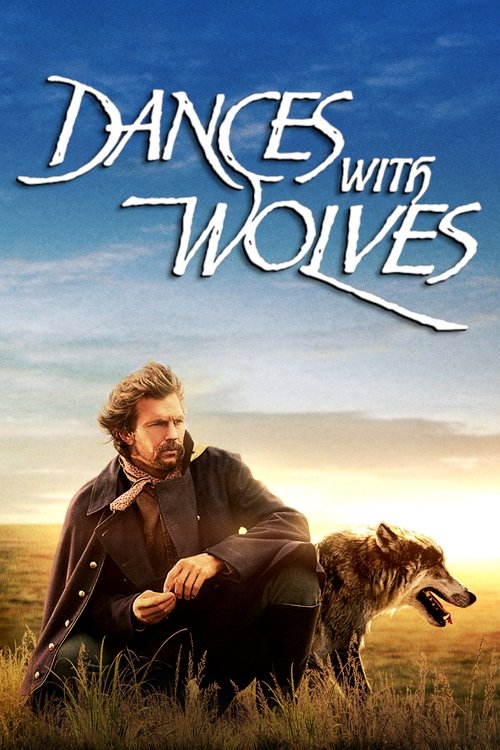
8. Dances with Wolves
Kevin Costner's sweeping epic reignited the Western's popularity in the early 90s, offering a romanticized yet empathetic portrayal of Native American culture, a stark contrast to previous depictions. It’s a grand narrative about cultural exchange, identity, and the tragic consequences of westward expansion. The film, for all its idealism, prompted a necessary re-evaluation of historical narratives, demonstrating the genre’s capacity for powerful social commentary.
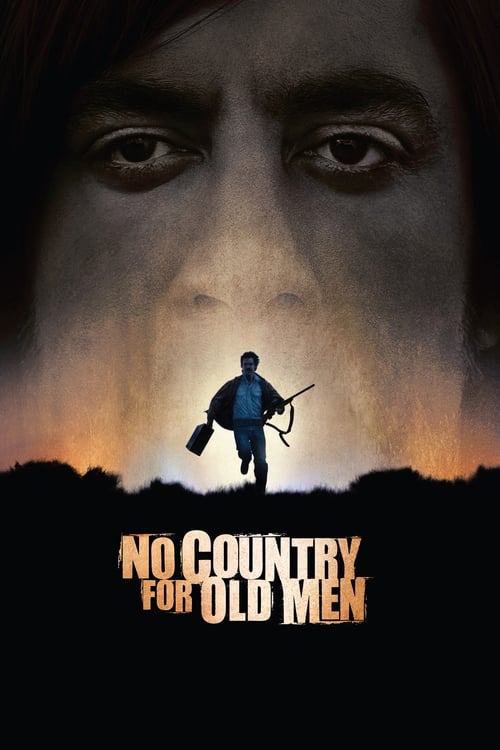
9. No Country for Old Men
This neo-western, directed by the Coen Brothers, brutally examines the erosion of traditional values in a modern, unforgiving landscape. While set in the 1980s, it grapples with themes traditionally found in the Western: lawlessness, moral decay, and the confrontation with an unyielding evil. It’s a stark, existential reflection on how violence perpetuates itself, proving the genre’s themes remain profoundly relevant even without horses or dusty trails.