

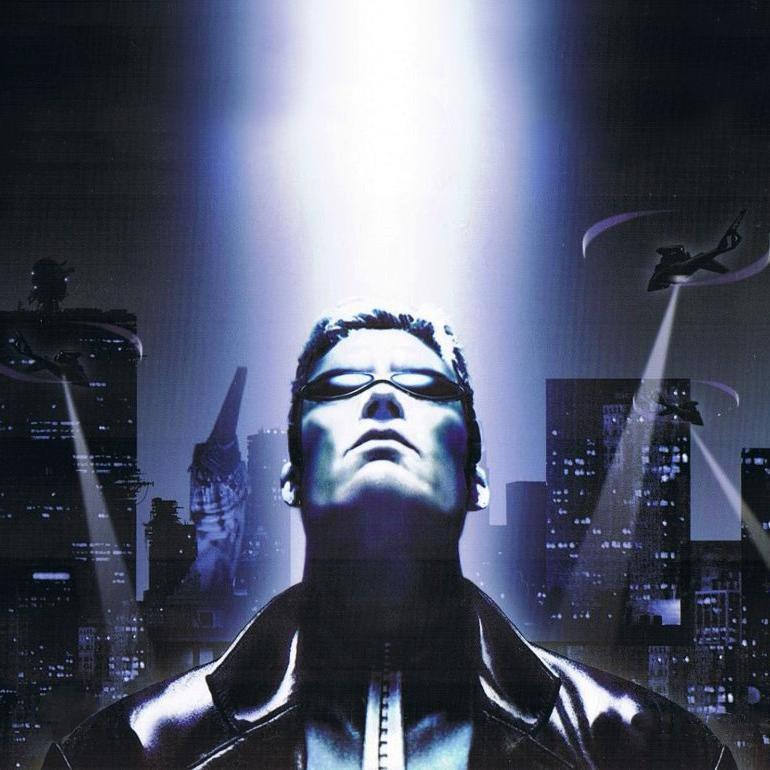
1. Deus Ex
Before every "RPG" was an open-world checklist, Deus Ex dropped us into a cyberpunk conspiracy where every vent, every conversation, every choice genuinely mattered. It respected player intelligence, offering systemic gameplay that felt truly reactive. This wasn't about endless busywork; it was about agency, about crafting *your* story in a meticulously designed world, a stark contrast to today's theme park rides with illusionary choices.

2. The Witcher 3: Wild Hunt
Geralt's final saga proved that an open world could be brimming with actual, meaningful content, not just icons. Side quests often rivaled main narratives, characters felt lived-in, and the world breathed. It delivered a complete, expansive experience without demanding a season pass or a battle pass, reminding us that a developer's vision for a complete product once trumped the relentless pursuit of engagement metrics.
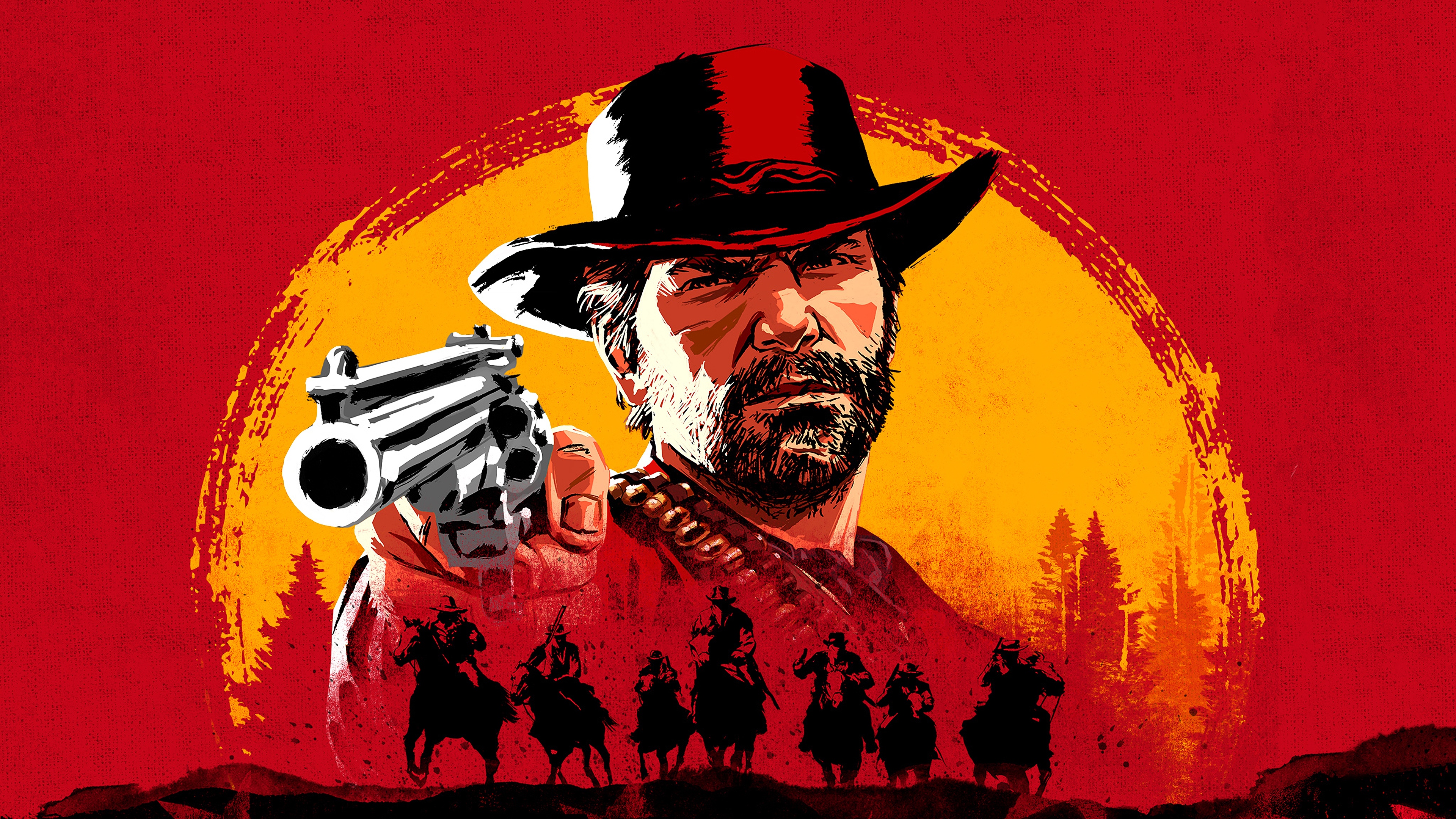
3. Red Dead Redemption 2
Rockstar's epic western is a masterclass in immersion, a world so dense and meticulously crafted it almost feels alive. It dared to be slow, to revel in its details, trusting players to appreciate its deliberate pace over instant gratification. In an era of rushed releases and live-service loops, RDR2 stands as a monument to uncompromising artistic vision, showing what happens when a studio is allowed to truly finish their work.
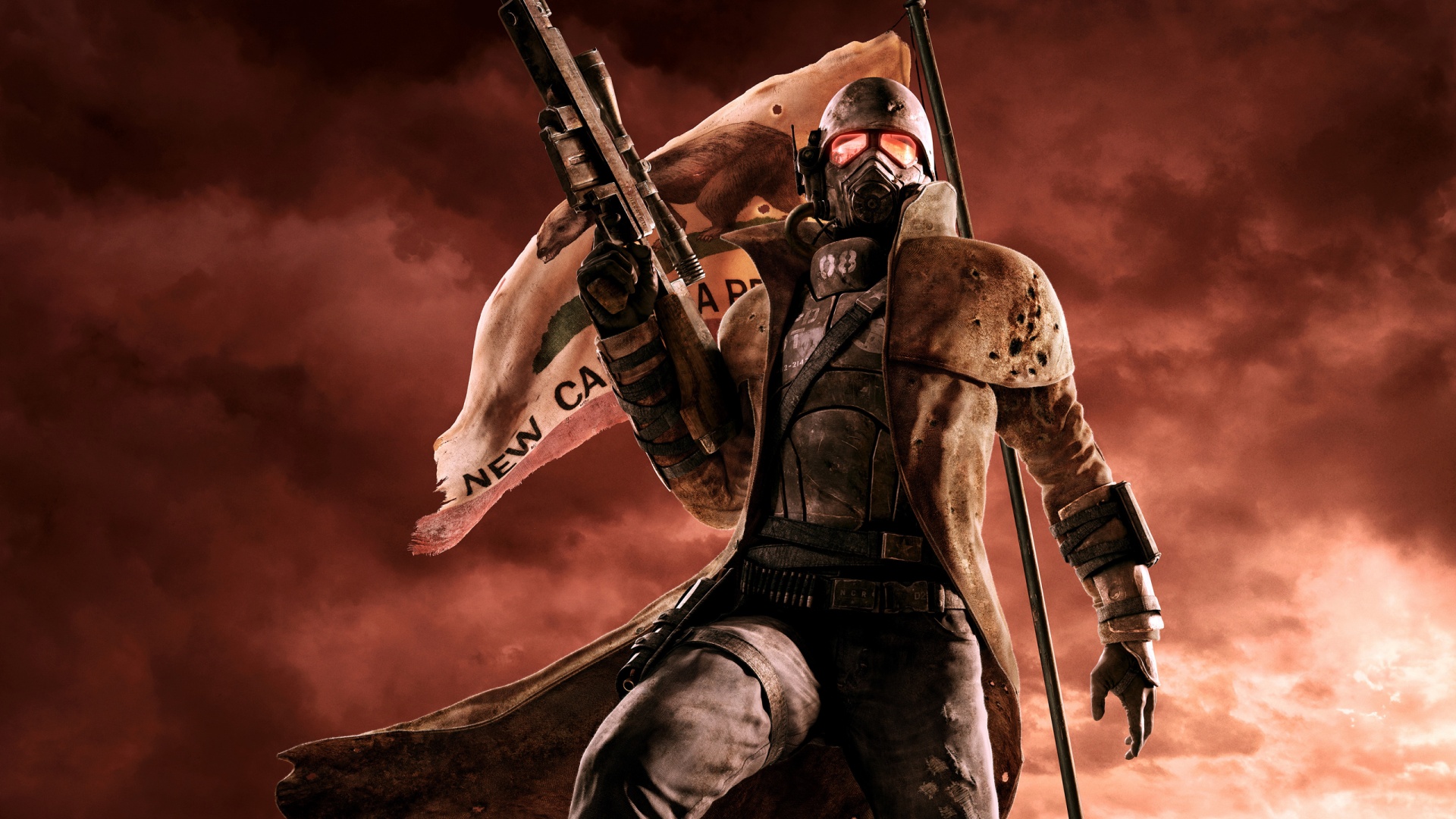
4. Fallout: New Vegas
Obsidian picked up the pieces and delivered a masterclass in reactive storytelling and player choice that Bethesda's own Fallout entries often miss. Your decisions truly shaped the Mojave, factions had depth, and the role-playing was paramount. It's a bittersweet reminder of a time when RPGs prioritized player agency and narrative consequence over pretty graphics and settlement building.
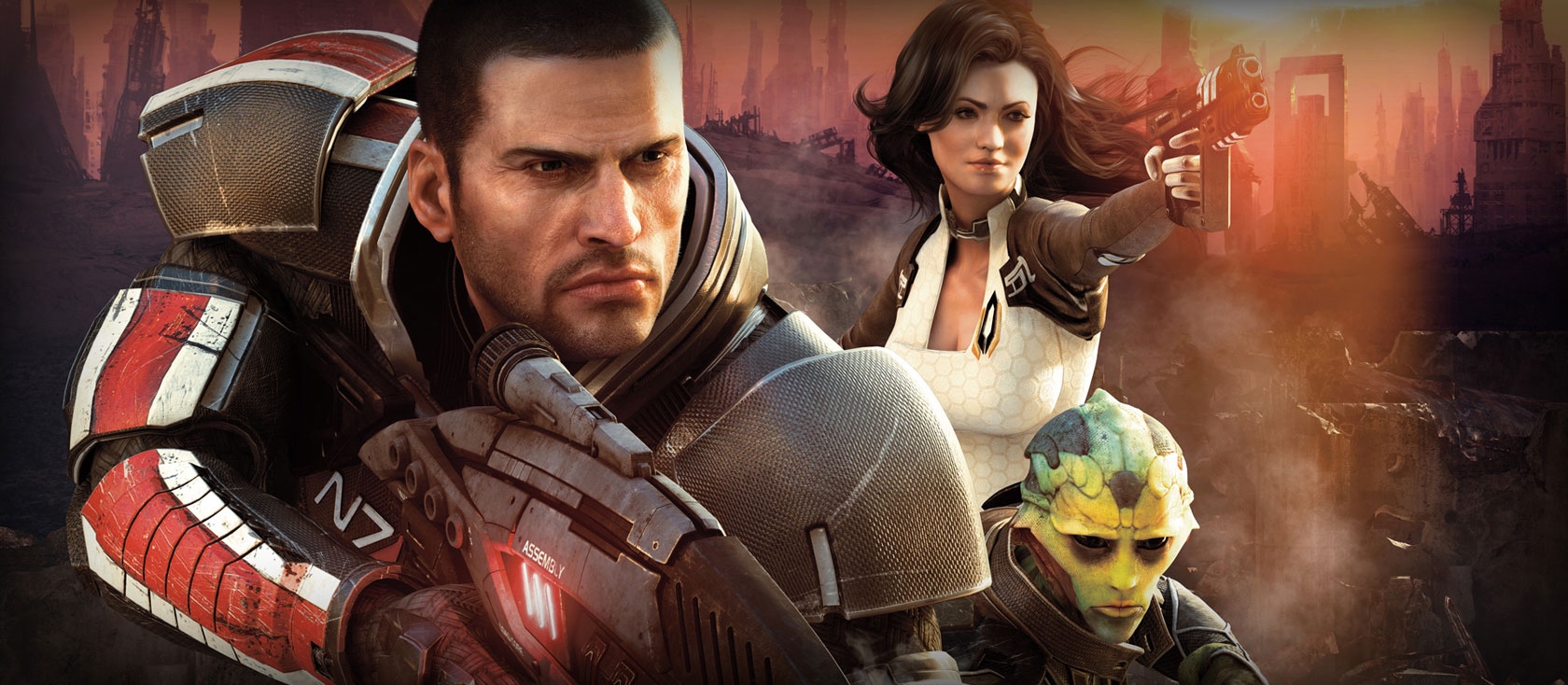
5. Mass Effect 2
Bioware, at its peak, crafted a sci-fi epic driven by unforgettable characters and gut-wrenching choices. The loyalty missions weren't just padding; they deepened your connection to your crew, making the suicide mission genuinely impactful. It emphasized narrative and emotional investment, a far cry from the live-service aspirations and diluted storytelling we've seen from the studio since.
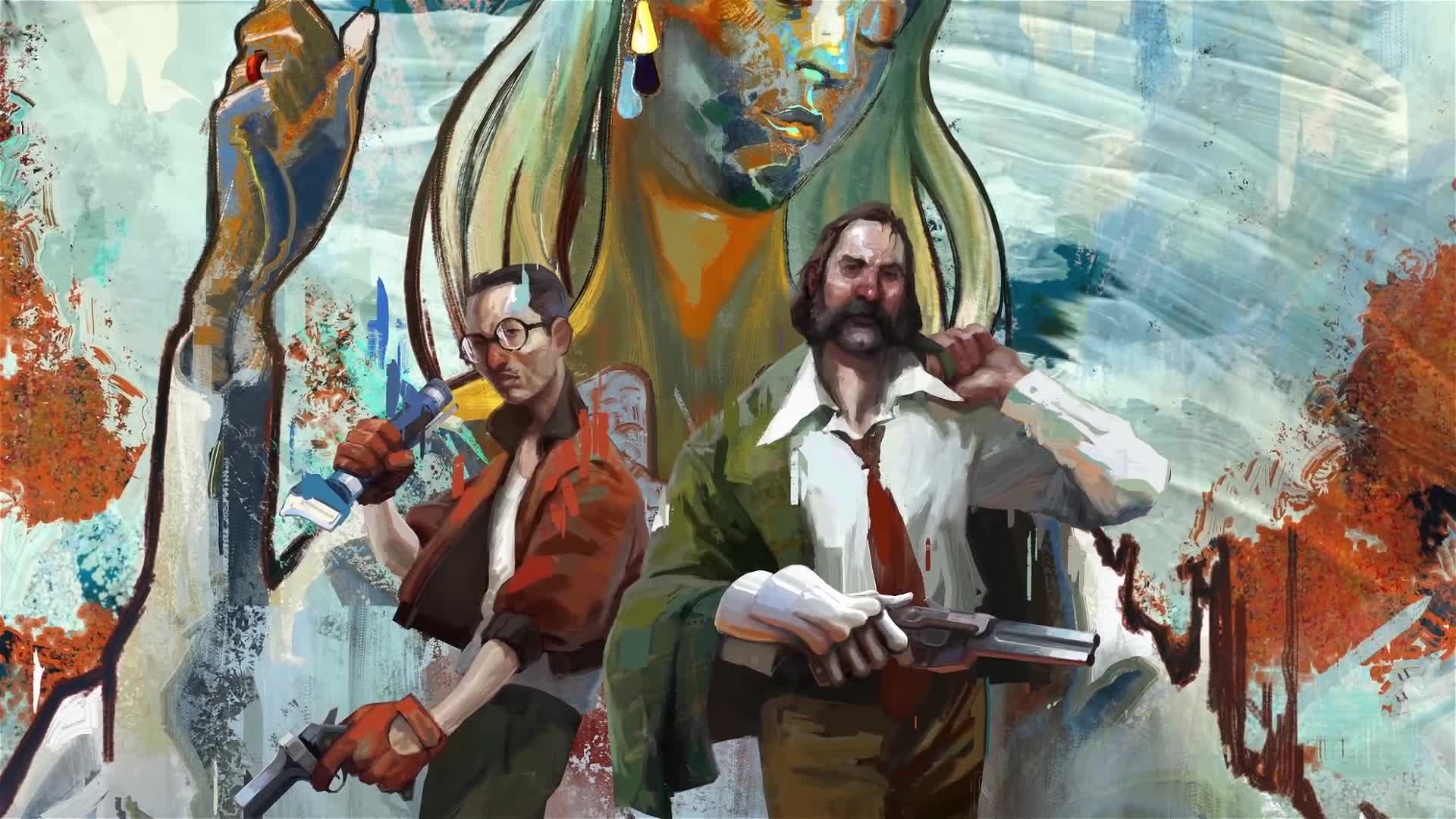
6. Disco Elysium
This game blew the doors off what an RPG could be. No combat, just pure, unadulterated thought, dialogue, and detective work. It's a testament to bold, singular vision, proving that games can be profound literary experiences without relying on genre tropes. Disco Elysium is a beacon, showing that artistic integrity and deep philosophical themes still have a place, even if the mainstream industry rarely funds them.
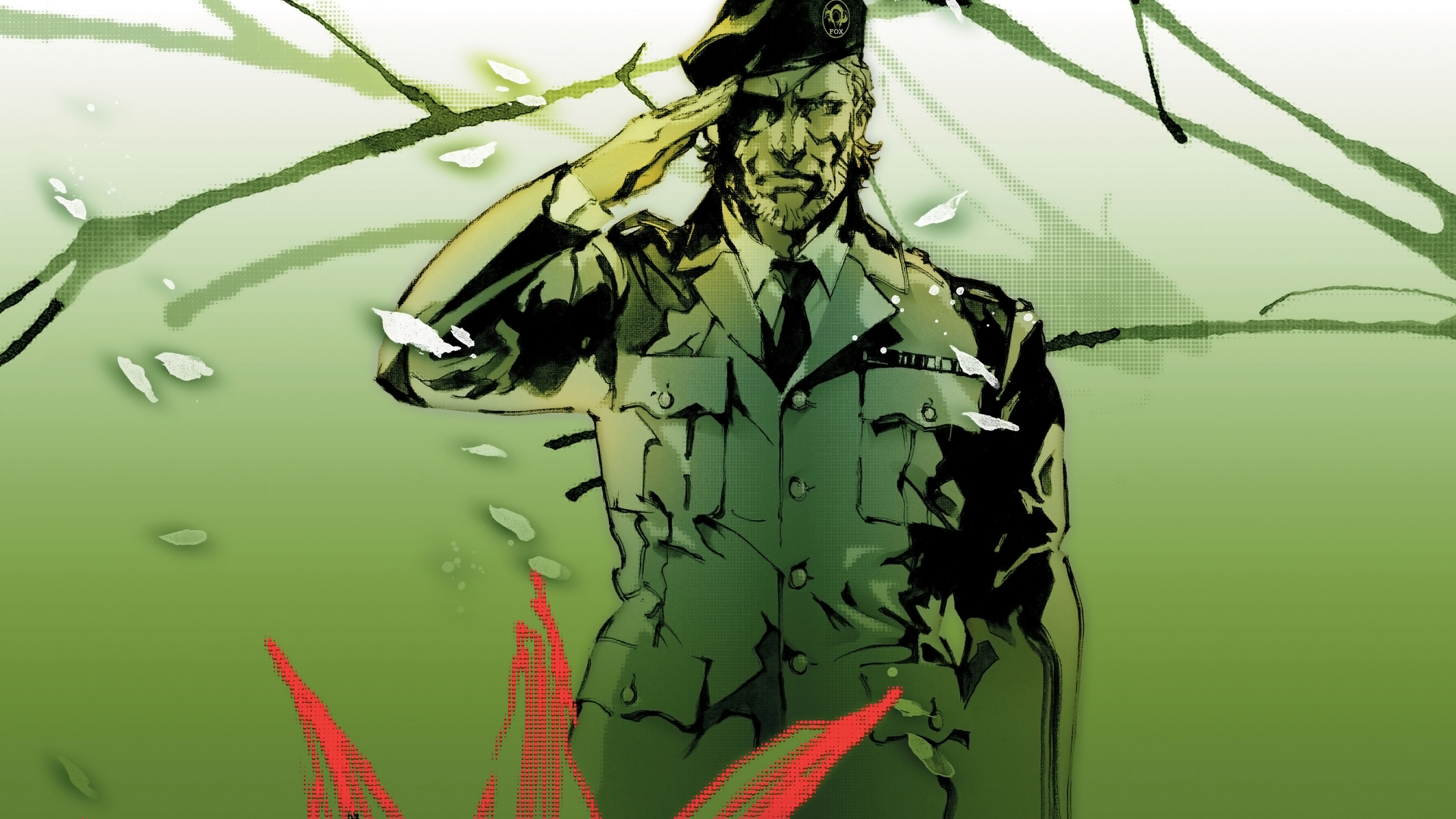
7. Metal Gear Solid 3: Snake Eater
Kojima's masterpiece on the PS2 pushed stealth, narrative, and boss design to absurd, brilliant heights. It was a complete, self-contained experience, loaded with innovative mechanics and a story that was both poignant and utterly bonkers. This was peak single-player ambition, before franchises became IP factories, reminding us that sometimes, a tightly-controlled, singular vision is far more impactful than any open-world map.