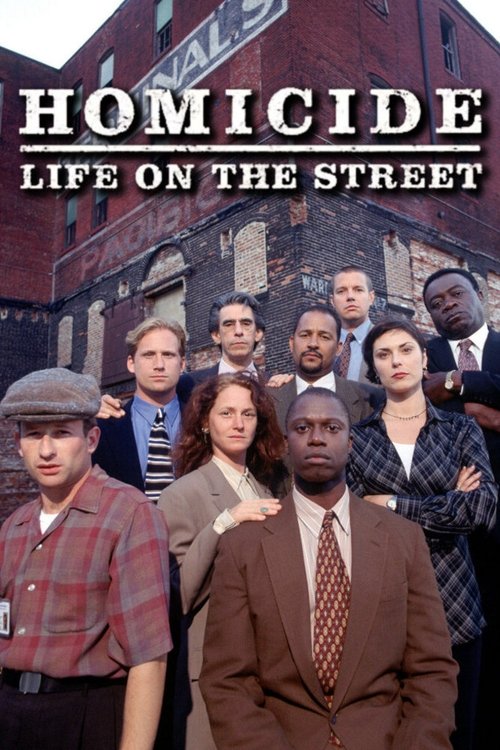
1. Homicide: Life on the Street
This was network television trying to be HBO before HBO was *HBO*. Barry Levinson brought a cinematic, almost documentary grit to the police procedural, ditching tidy resolutions for character-driven messiness. Its ensemble cast felt real, grappling with the relentless grind and emotional toll of the job. It was smart, serialized, and visually distinctive, pushing the boundaries of what a network drama could achieve.
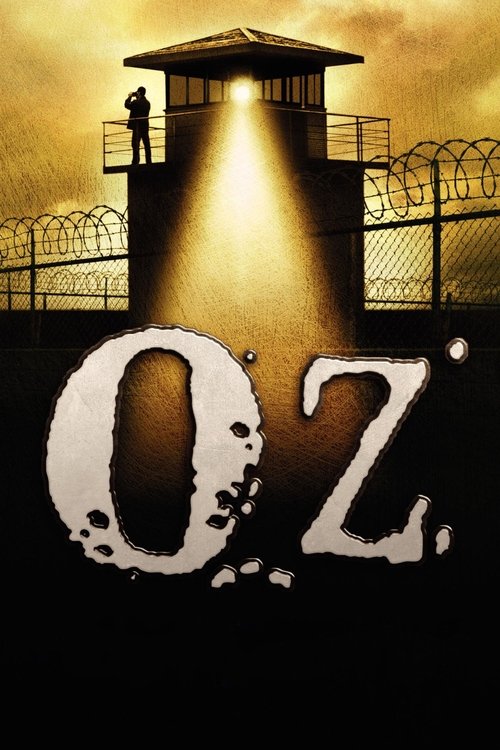
2. Oz
Before *The Sopranos*, HBO threw down the gauntlet with *Oz*. This wasn't just a prison drama; it was a brutal, uncompromising exploration of humanity's darkest corners, serialized long before that was the norm. It had an enormous ensemble, forcing viewers to confront morally ambiguous characters and unflinching violence, proving cable could go places network TV wouldn't dare. A true game-changer for prestige TV.
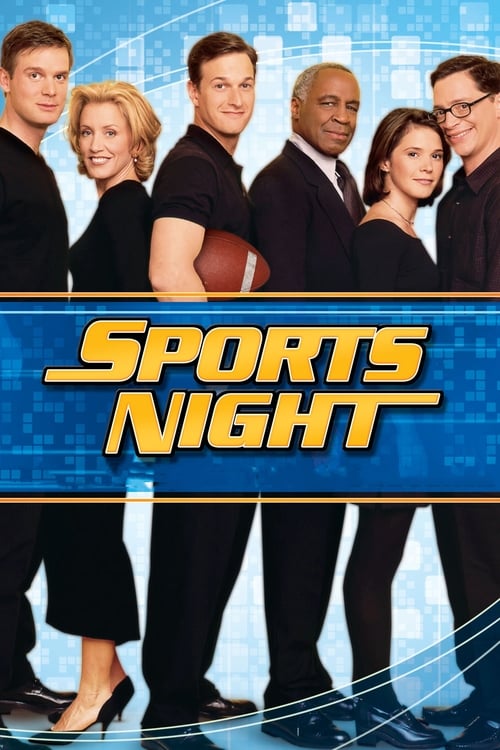
3. Sports Night
Aaron Sorkin’s first TV series was a verbal ballet, showcasing his signature rapid-fire dialogue. It blurred lines between comedy and drama in a workplace setting, using a single-camera, non-laugh-track approach that felt fresh and cinematic for a network show. While not a full mockumentary, its naturalistic style and ensemble dynamics laid groundwork for how smart, character-driven comedies would evolve, anticipating later trends.
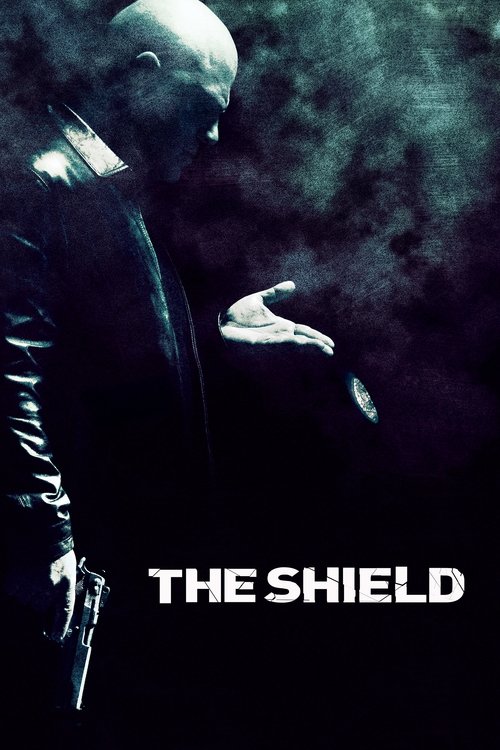
4. The Shield
FX announced its arrival as a serious contender with *The Shield*. Vic Mackey was the anti-hero before anti-heroes were a trope, leading a corrupt but effective strike team in a serialized narrative that constantly challenged viewers' sympathies. It was gritty, morally complex, and pushed the envelope for what a basic cable drama could do, setting a new standard for intense, character-driven crime stories.
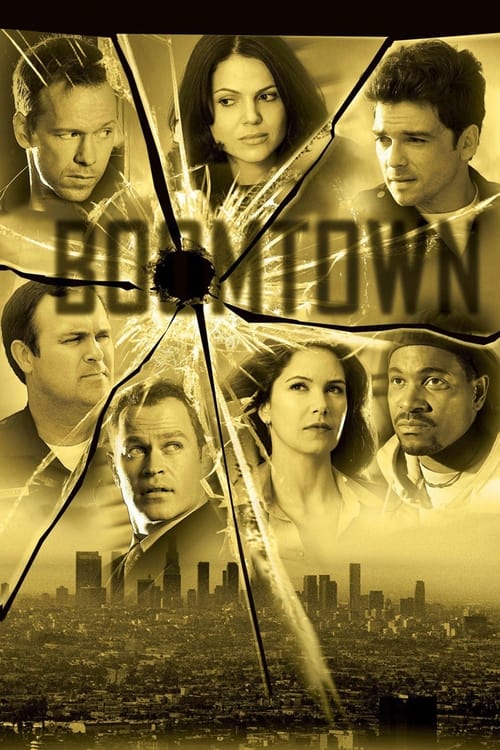
5. Boomtown
This show was pure ambition, a true experiment in narrative structure. Each episode tackled a single crime from multiple perspectives – cops, criminals, victims – piecing together the truth like a cinematic puzzle. It demanded viewer engagement, embracing a non-linear, serialized approach that felt incredibly fresh. It was perhaps too clever for its time, but its innovative storytelling left a lasting impression.
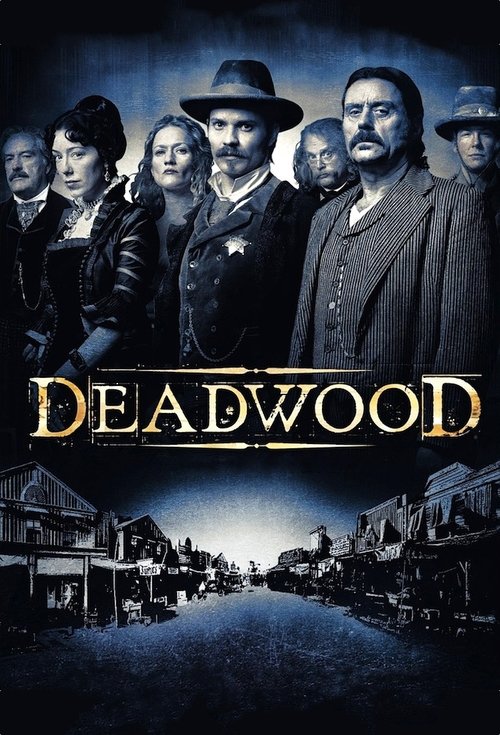
6. Deadwood
HBO hit gold again with *Deadwood*, a Western like no other. David Milch's lyrical, profanity-laden dialogue created a unique, immersive world. It was a dense, serialized character study, exploring the birth of civilization through a sprawling ensemble of morally complicated figures. Cinematographically stunning and brutally authentic, it proved that historical drama could be utterly contemporary in its themes and execution.
7. Profit
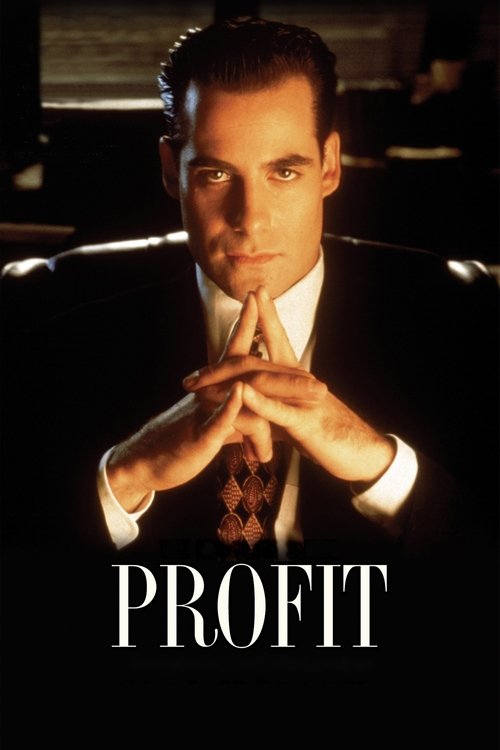
Way ahead of its time, *Profit* was a deliciously dark corporate satire featuring an anti-hero who made Tony Soprano look cuddly. Jim Profit was a ruthless, manipulative sociopath climbing the corporate ladder, breaking the fourth wall to confide his schemes. Fox aired it, then buried it, likely because its cynical, serialized take on unchecked ambition was just too much for mid-90s network sensibilities.
8. The Kids in the Hall
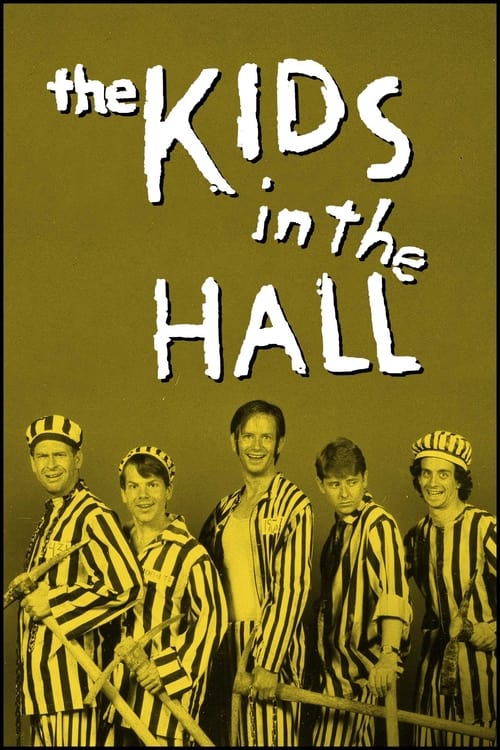
This Canadian sketch comedy troupe brought a refreshing, often surreal absurdity to TV. They blended sharp social commentary with bizarre characters and gender-bending performances, creating a unique comedic voice. It wasn't your typical sitcom or variety show; it was pure, unadulterated creative expression that built a cult following, proving there was an audience for truly alternative humor.
9. Party Down
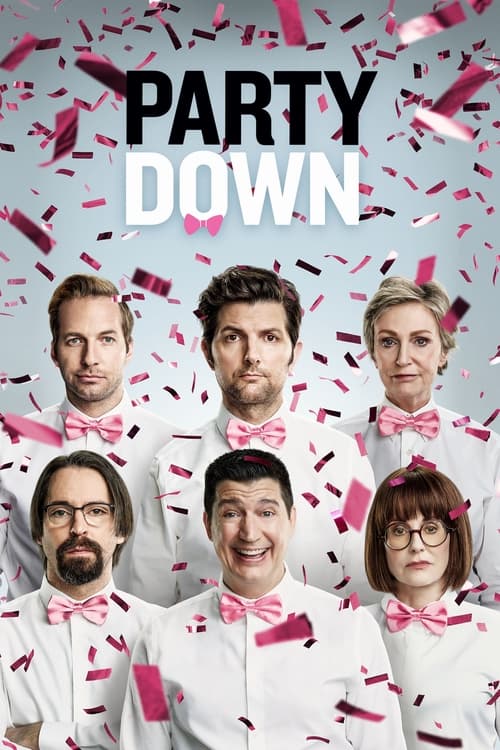
This ensemble comedy about caterers in LA was a masterclass in cringe humor and quiet desperation. Its mockumentary style gave it a raw, intimate feel, while serialized character arcs added depth to the comedic mishaps. It was a slow burn, gaining cult status later, a perfect example of a show that thrived in the nascent on-demand era, where its subtle brilliance could be discovered at leisure.