

1. Possession
Andrzej Żuławski's film is a raw, visceral exploration of a disintegrating marriage, set against the backdrop of Cold War Berlin. Isabelle Adjani delivers an electrifying performance that transcends mere acting, delving into a realm of primal scream and psychological horror. It's an unrelenting, almost physically exhausting cinematic experience, defying easy categorization and leaving an indelible, disturbing mark on the viewer. A true cult classic for those brave enough to confront its intensity.
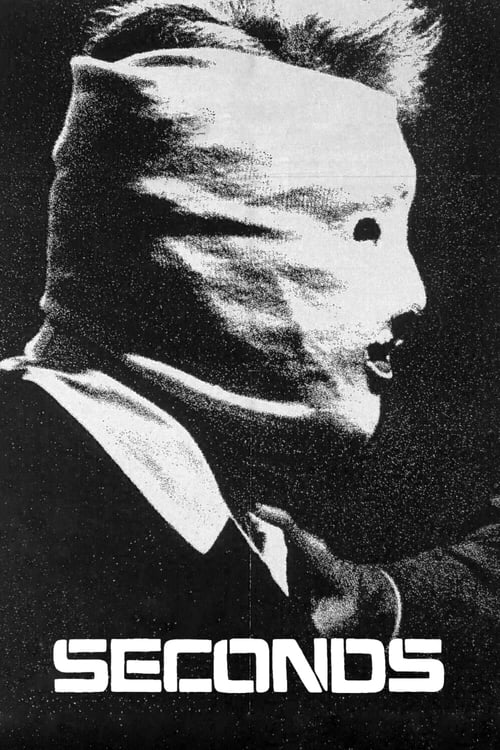
2. Seconds
John Frankenheimer’s chilling science fiction thriller posits a terrifying scenario of identity recreation for the disillusioned elite. Rock Hudson, in a career-defining turn, sheds his matinee idol persona to portray a man desperately seeking a new life, only to find himself trapped in a gilded cage. It's a haunting meditation on consumerism, alienation, and the ultimate futility of escaping one's true self, rendered with stark, disorienting cinematography.
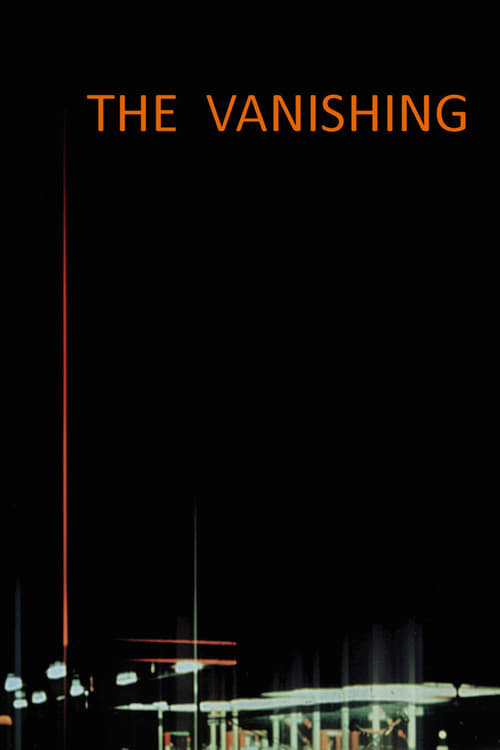
3. The Vanishing
George Sluizer's original Dutch-French thriller is a masterclass in psychological suspense, meticulously building dread not through gore, but through the chilling obsession of a man searching for his disappeared girlfriend. Its power lies in the unsettling banality of evil and the protagonist's descent into a labyrinth of unanswered questions, culminating in one of cinema's most profoundly disturbing and unforgettable endings. Avoid the American remake; this is the definitive version.
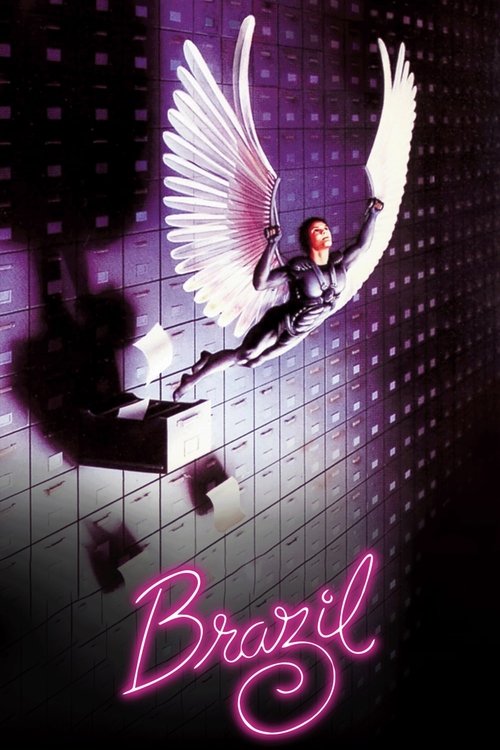
4. Brazil
Terry Gilliam’s dystopian masterpiece is a darkly comedic, visually exuberant nightmare of bureaucratic absurdity and totalitarian control. It envisions a future where technology promises efficiency but delivers chaos, where dreams are the only escape. Jonathan Pryce navigates this labyrinthine world, a reluctant hero battling a system that stifles individuality. Its blend of satire, fantasy, and melancholic romance makes it a singularly imaginative and enduring work of art.
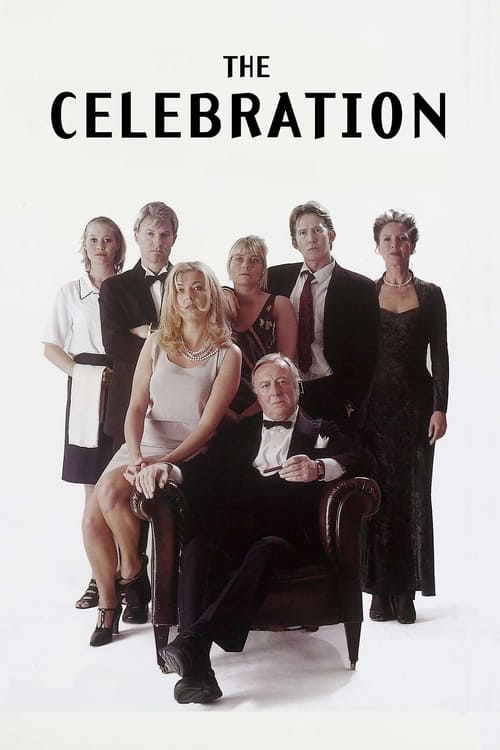
5. The Celebration
Dogme 95's electrifying debut, Thomas Vinterberg's *Festen*, strips cinema bare to expose raw human drama. Shot on consumer camcorders, without artificial lighting or external props, it plunges into a family reunion where dark secrets violently erupt. The aesthetic choices amplify the discomfort and claustrophobia, creating an unflinching, emotionally devastating portrait of abuse and reckoning. It's a visceral, unsettling experience that defined a cinematic movement.
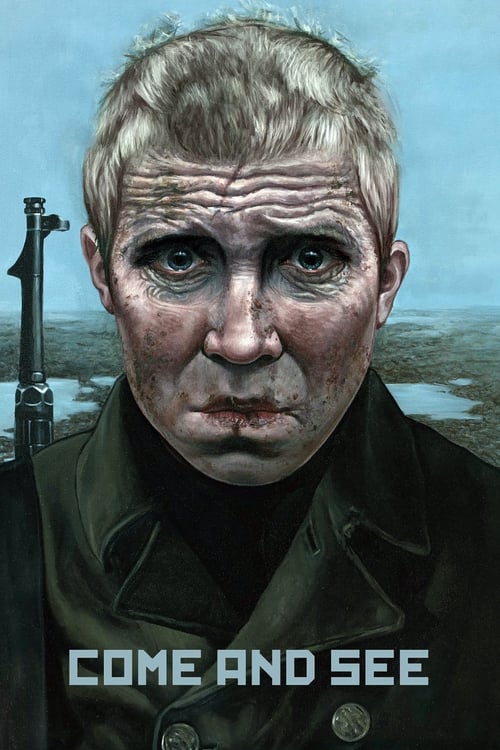
6. Come and See
Elem Klimov’s *Come and See* is not merely a war film; it is a harrowing, hallucinatory journey into the psychological trauma of the Eastern Front, seen through the eyes of a young boy. Its unflinching depiction of atrocities, combined with surreal, dreamlike sequences, creates an experience that is both profoundly disturbing and vital. It’s a film that demands to be witnessed, a testament to the unbearable cost of conflict.
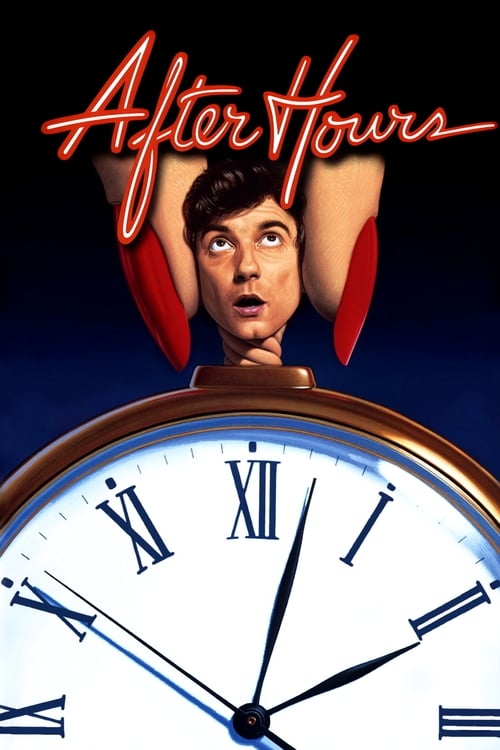
7. After Hours
Martin Scorsese, stepping away from gangster epics, delivers an exhilaratingly paranoid urban nightmare. Paul Hackett's odyssey through a surreal, increasingly hostile SoHo night perfectly captures the anxieties of modern city life and the absurdity of social interactions gone awry. It's a black comedy of errors, escalating from mild annoyance to existential terror, showcasing Scorsese's versatility and his mastery of building relentless, claustrophobic tension.
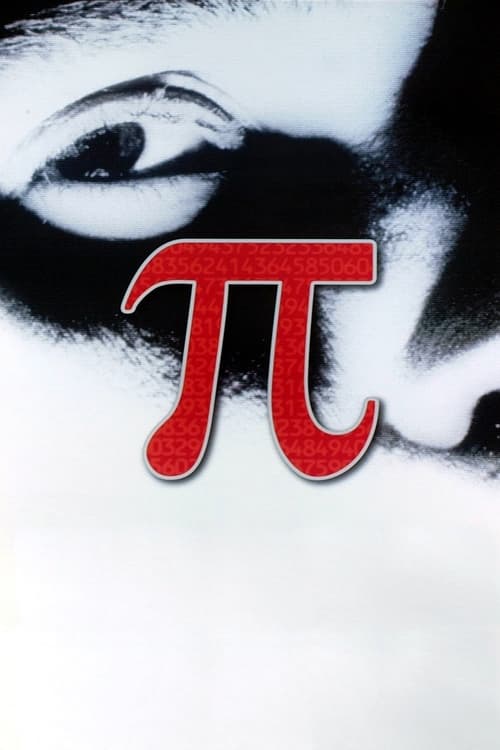
8. Pi
Darren Aronofsky's debut feature is a stark, black-and-white descent into mathematical obsession and paranoia. Max Cohen, a brilliant but tormented mathematician, seeks a universal number that unlocks the patterns of existence, attracting dangerous cults and corporations. Its kinetic editing, claustrophobic atmosphere, and industrial score create a relentless, mind-bending experience that blurs the line between genius and madness. A visceral journey into the chaotic beauty of numbers.
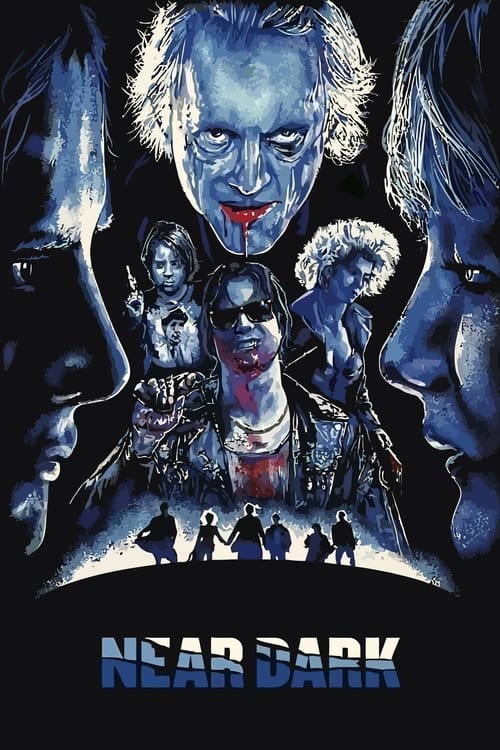
9. Near Dark
Kathryn Bigelow's neo-Western vampire film redefines the genre, stripping away gothic romance for gritty realism and an outlaw sensibility. A young man falls for a mysterious woman, joining her nomadic, bloodthirsty family of vampires. It’s a violent, atmospheric road movie, more akin to a crime thriller than traditional horror, propelled by Bigelow’s signature kinetic direction and a haunting Tangerine Dream score. A truly unique and influential vision.
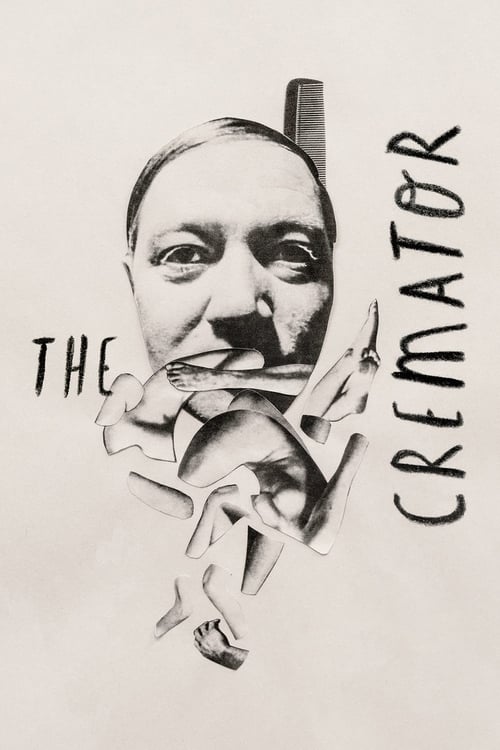
10. The Cremator
Juraj Herz's dark, surreal Czechoslovak New Wave masterpiece is a chilling portrait of a crematorium manager's descent into madness and complicity with fascism. Karel Kopfrkingl, obsessed with death and purification, transforms from an eccentric individual into a monstrous agent of evil. Its grotesque humor, expressionistic visuals, and unsettling narrative create a uniquely disturbing allegory of totalitarianism's insidious creep. A truly unforgettable, macabre experience.
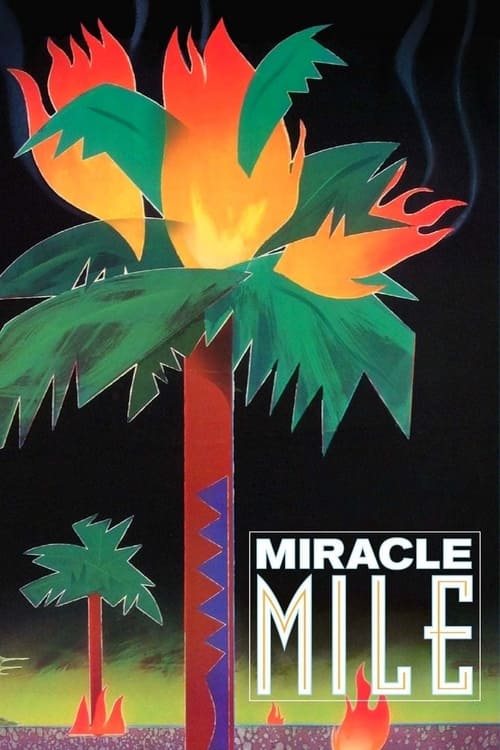
11. Miracle Mile
Steve De Jarnatt's cult apocalyptic thriller unfolds in real-time, as a young man accidentally overhears a phone call confirming an imminent nuclear attack. The film masterfully ratchets up tension and panic, transforming a romantic encounter into a desperate race against oblivion across a rapidly unraveling Los Angeles. It's a relentless, claustrophobic, and surprisingly poignant exploration of human nature under extreme duress.

12. Tetsuo: The Iron Man
Shinya Tsukamoto's avant-garde cyberpunk body horror is an explosive, industrial nightmare. A man transforms into a grotesque metallic creature after a bizarre encounter, in a fever dream of stop-motion, rapid cuts, and raw, visceral energy. It’s a relentless assault on the senses, a primal scream against urban alienation and technological fetishism, forging a singular, unforgettable vision that defies conventional storytelling.