


1. Chameleon
Herbie Hancock's "Chameleon" remains a masterclass in organic groove architecture. The way the bassline, synthesized on an ARP Odyssey, locks with the drums is pure rhythmic alchemy, a testament to pre-MIDI synergy. The Clavinet's percussive attack, drenched in wah, slices through the mix, creating a sonic landscape both intricate and effortlessly funky. This wasn't programming; it was musicianship, pushing electronic instruments into uncharted, soulful territories. It’s a blueprint for jazz-fusion's expansive potential, a live, breathing machine.
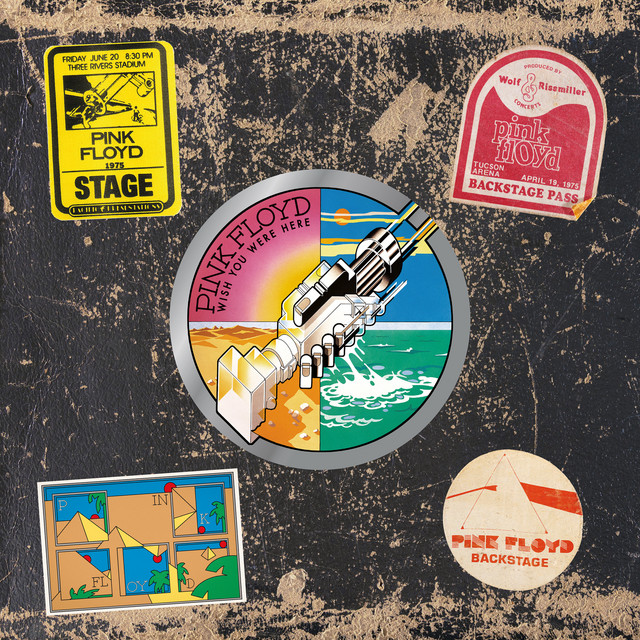
2. Shine On You Crazy Diamond (Pts. 1-9, New Stereo Mix)
This epic is an auditory monument, a testament to the grandiosity achievable in a pre-digital studio. The expansive soundscapes, meticulously crafted through layers of guitar atmospherics, EMS VCS 3 synthesizers, and Gilmour's mournful bends, are simply unparalleled. The 'new stereo mix' might tweak the imaging, but the fundamental architecture of melancholic beauty, the slow, deliberate build, speaks to a craft where every sonic element was physically placed and sculpted on tape. It's truly psychedelic art-rock at its most profound.
3. Billie Jean (Hoodtrap)
While the moniker 'Hoodtrap' is utterly foreign to a critical framework rooted in true sonic innovation, Michael Jackson's original 'Billie Jean' stands as a masterclass in early '80s groove. That iconic drum machine pattern, a LinnDrum, fused with Louis Johnson's bassline, established a new rhythmic paradigm. Quincy Jones' production, all analog warmth and carefully placed elements, demonstrated how sparse arrangements could generate immense tension and dancefloor magnetism. This was pop sculpted with surgical precision, a pre-digital triumph.

4. Love Will Tear Us Apart
Joy Division's 'Love Will Tear Us Apart' distills post-punk despair into a stark, yet compelling sonic landscape. The track's stark drum machine beat, a simple but effective foundational element, underscores the melancholic bassline and the almost brittle guitar chime. Martin Hannett’s production, favoring space and atmosphere over density, allowed the raw emotional core to resonate. This wasn't about studio wizardry; it was about capturing a mood, a chilling coldwave aesthetic crafted with minimal, yet perfectly chosen, pre-digital tools.

5. Trans-Europe Express (2009 Remaster)
Kraftwerk’s 'Trans-Europe Express,' even in a later remaster, reveals its visionary brilliance. This was rhythmic precision long before digital sequencers dominated. The repetitive, almost hypnotic synth motifs, crafted with custom-built electronics and analog sequencers, laid foundational blueprints for techno and electro. Its stark, minimalist approach to melodic content, prioritizing rhythm and texture, demonstrated that machines could evoke profound, futuristic narratives. It’s an unassailable piece of pre-digital electronic architecture, a true sonic journey.

6. 300: Rise of an Empire (Original Motion Picture Soundtrack)
This entry seems entirely out of place within any serious discussion of pre-digital sonic architecture. A film score from a time far beyond the golden age of analog synthesis and tape manipulation holds no relevance to the foundational innovations we are dissecting. My critical lens, firmly fixed on the era where raw electronic textures and organic studio craft defined the cutting edge, simply cannot engage with such an anachronistic inclusion. It lacks the very essence of the era we celebrate.
7. Once In A Lifetime
Talking Heads’ 'Once In A Lifetime' is a masterclass in controlled chaos, a polyrhythmic marvel constructed with surgical precision. The interlocking bass and guitar patterns, underpinned by a relentlessly funky drum track, create a groove that is both angular and irresistible. Brian Eno's production, a testament to analog studio manipulation, highlights every individual rhythmic component, allowing the track to breathe and expand. It showcases how art-rock could embrace funk’s kinetic energy while maintaining intellectual rigor, all pre-digital.

8. Rapper's Delight
'Rapper's Delight' stands as an undeniable cultural landmark, signaling the arrival of a wholly new rhythmic and vocal paradigm. Its foundation, a live band expertly interpolating Chic's 'Good Times,' demonstrates the pre-digital era's ingenious methods of appropriation and innovation. The lyrical flow, while perhaps not as complex as later forms, was revolutionary, laying the groundwork for an entire genre. This was raw, unadulterated street poetry over a meticulously crafted, analog-recorded groove, a truly seismic shift in sonic expression.
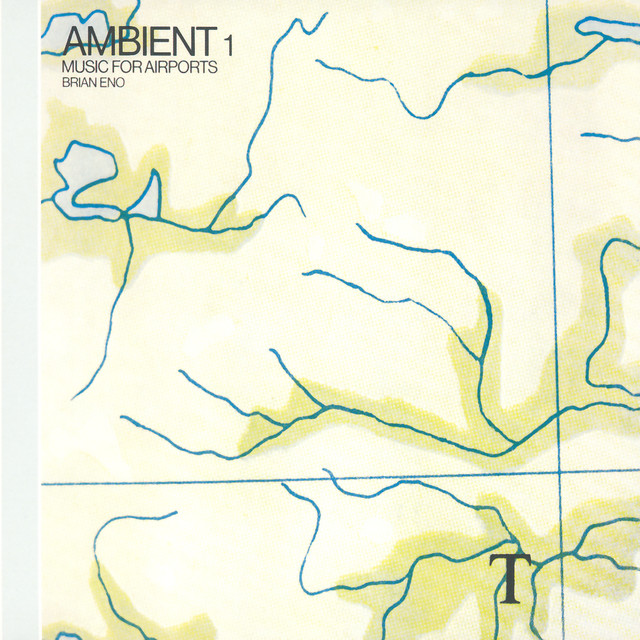
9. Ambient 1: Music For Airports (Remastered 2004)
Brian Eno’s 'Ambient 1: Music For Airports,' even in a later remaster, remains a seminal work, defining an entire genre through its subtle, almost imperceptible shifts. Composed using tape loops and minimalist instrumentation, it created environments rather than conventional songs. The focus was on texture and space, a conscious departure from aggressive sonic structures. This wasn't about digital processing; it was about carefully arranged analog sounds designed to enhance, not demand, attention, a truly groundbreaking pre-digital sonic philosophy.