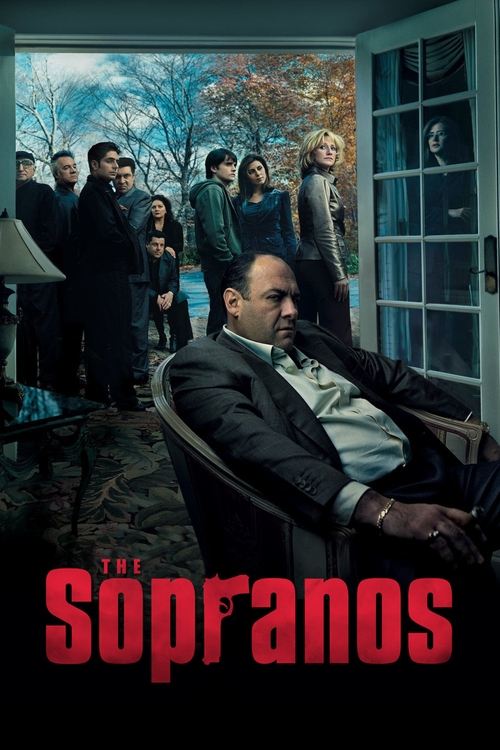
1. The Sopranos
Before Tony Soprano, TV just didn't do this. You had a mob boss, but he was also a suburban dad dealing with therapy, panic attacks, and ducks. It was a serialized character study wrapped in a crime saga, blurring lines between good and bad. HBO showed everyone that television could be art, with complex anti-heroes and long-form storytelling that demanded your attention, not just an hour of your time each week. It was a game-changer.
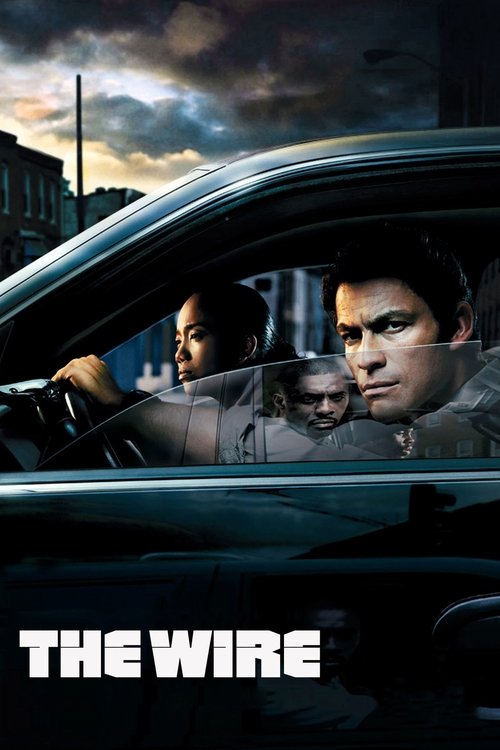
2. The Wire
Forget cops and robbers; this was about systems. Baltimore became a character itself, with every season peeling back layers of institutions – the drug trade, the docks, city hall, schools, the press. David Simon crafted a novel for television, demanding patience but rewarding it with unparalleled depth and an ensemble cast that felt genuinely lived-in. It wasn't just a crime drama; it was a societal critique, sharp and unflinching.
3. Six Feet Under
Death was the opening act of every episode, yet the show was truly about life, family, and grief. HBO took another huge swing, giving us the Fishers, a family of undertakers navigating their messy lives. It was intimate, dark, funny, and deeply human, exploring relationships and existential questions with a fearlessness network TV wouldn't touch. The final montage? Still legendary, proving TV could deliver profound emotional payoffs.
4. The West Wing
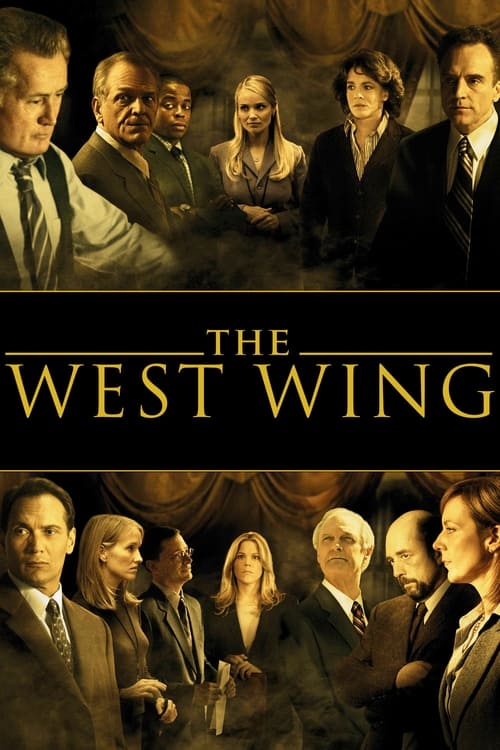
Aaron Sorkin's rapid-fire dialogue and those iconic "walk and talk" scenes practically invented a new rhythm for network drama. It made politics feel aspirational, almost cool, showing a White House populated by brilliant, flawed idealists. This show proved you could be smart, optimistic, and still deliver compelling, serialized storytelling week after week, even if the real world outside the screen was getting messier.
5. Lost
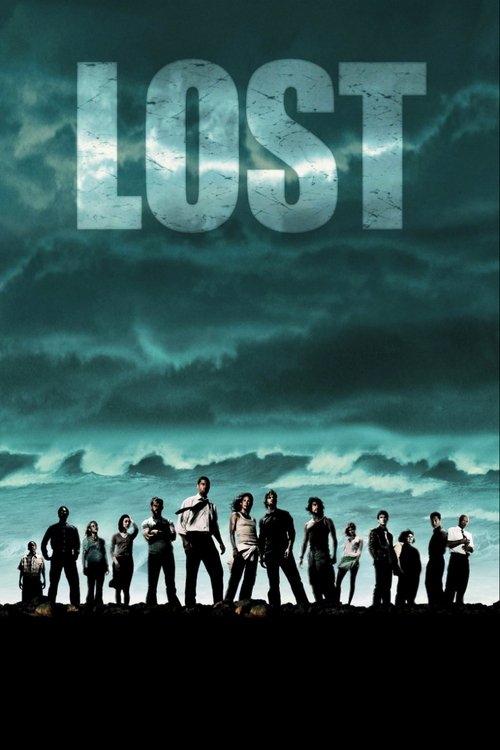
This show was appointment viewing, sparking water cooler debates about smoke monsters and polar bears before "binge-watching" was even a term. It perfected the serialized mystery box, blending character flashbacks with a high-stakes survival narrative. You had to tune in, or you'd be totally out of the loop. It wasn't always perfect, but its ambition and cinematic scope pushed the boundaries of what TV could be.
6. Battlestar Galactica
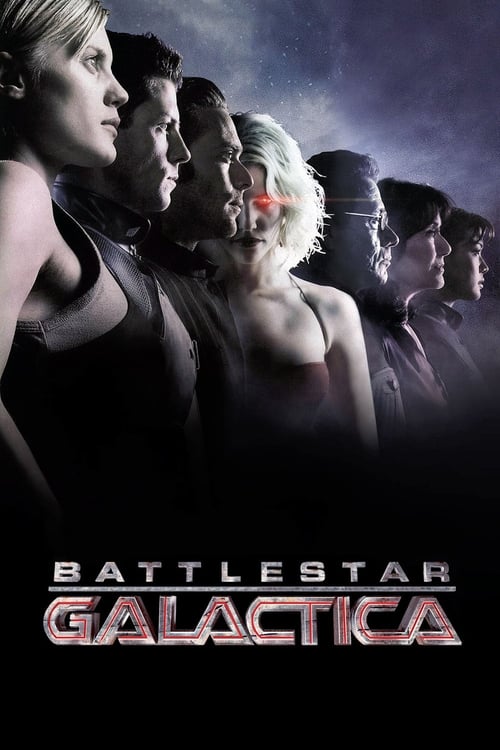
Don't let the "sci-fi" label fool you; this reboot was gritty, dark, and deeply relevant. It tackled war, religion, politics, and humanity's survival with unflinching realism, far beyond spaceships and lasers. The serialized narrative and morally complex characters made it required viewing, proving that genre television could be just as profound and character-driven as any prestige drama. So say we all.
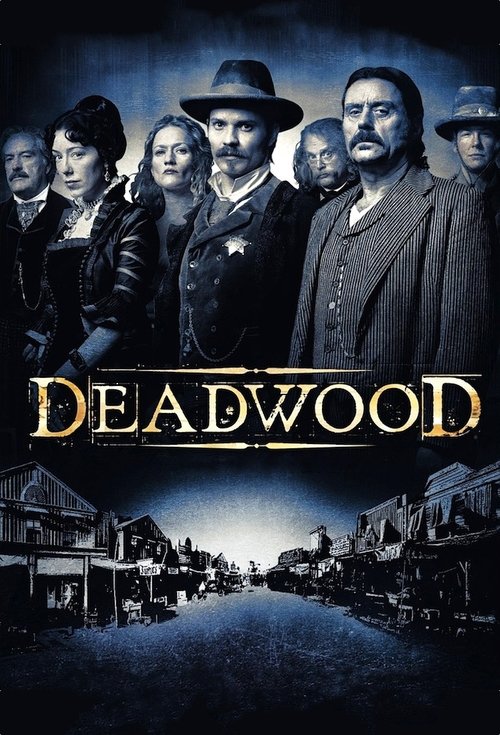
7. Deadwood
HBO went all-in on this one, creating a foul-mouthed, brutal, yet poetic vision of the American West. The dialogue, a Shakespearean mash-up of profanity and philosophy, was unlike anything before or since. It was a character study of a nascent town, where law and order were still up for grabs, and every interaction felt charged. A truly unique piece of historical fiction that felt incredibly modern.
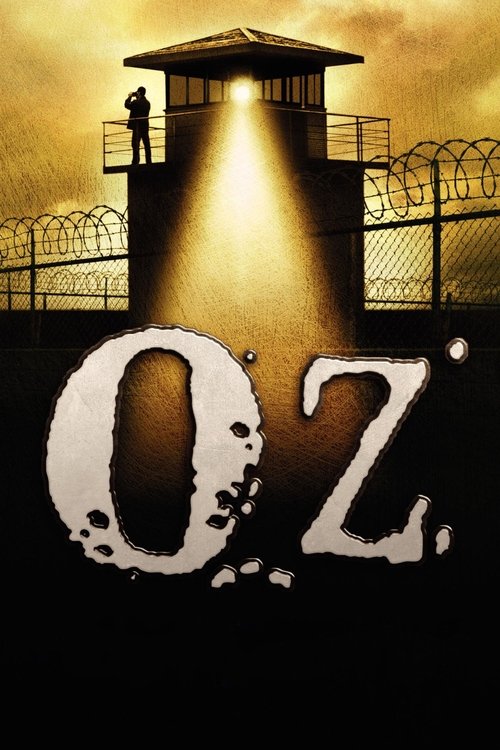
8. Oz
Before HBO was *HBO*, there was *Oz*. It was raw, brutal, and unapologetically dark, throwing viewers into the controlled chaos of Emerald City, an experimental prison unit. This show didn't pull punches, exploring power dynamics, race, and survival with a visceral intensity that was shocking for its time. It proved cable could take risks network TV wouldn't dare, paving the way for everything that followed.
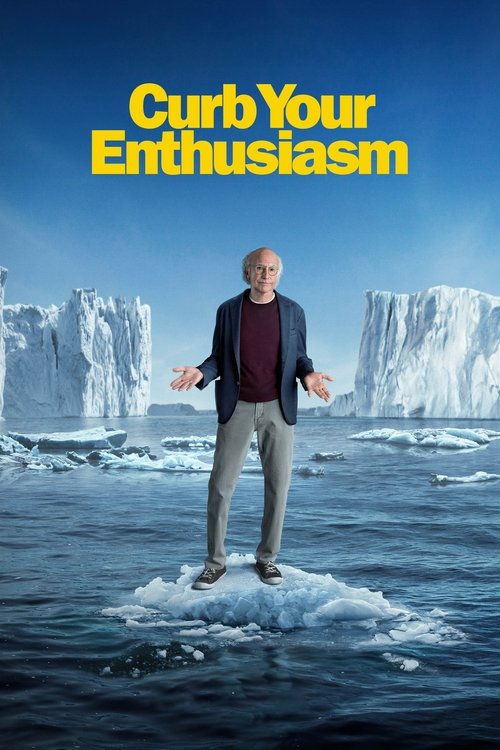
9. Curb Your Enthusiasm
Larry David basically perfected the art of cringe comedy and the "observational inconvenience." Starting as a one-off special, its semi-improvised style and petty social faux pas became a template for a new kind of uncomfortable humor. It felt like watching a documentary of a rich guy constantly screwing up, a precursor to the casual, on-demand comedic style that would later dominate. Pretty, pretty, pretty good.
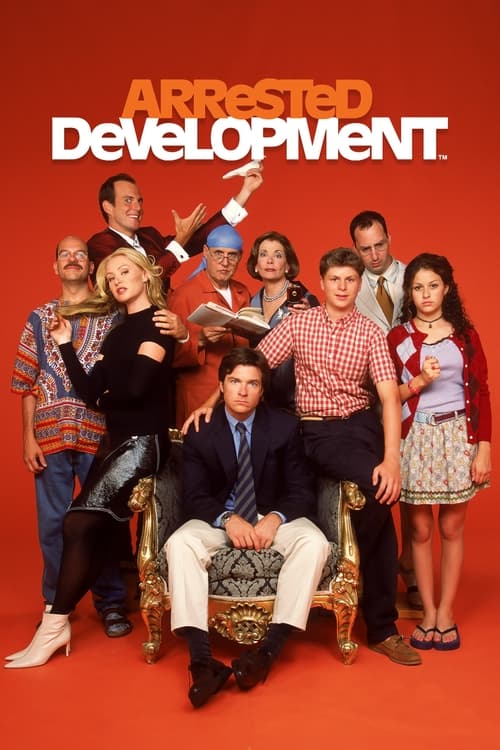
10. Arrested Development
This was a sitcom that thought it was a dense, serialized novel. Its rapid-fire gags, running jokes, and mockumentary style demanded repeat viewings long before streaming made that easy. The Bluth family's dysfunction was brilliant, layered with subtle callbacks and visual gags that rewarded attentive audiences. It didn't get huge ratings, but it established a template for smart, referential comedy.
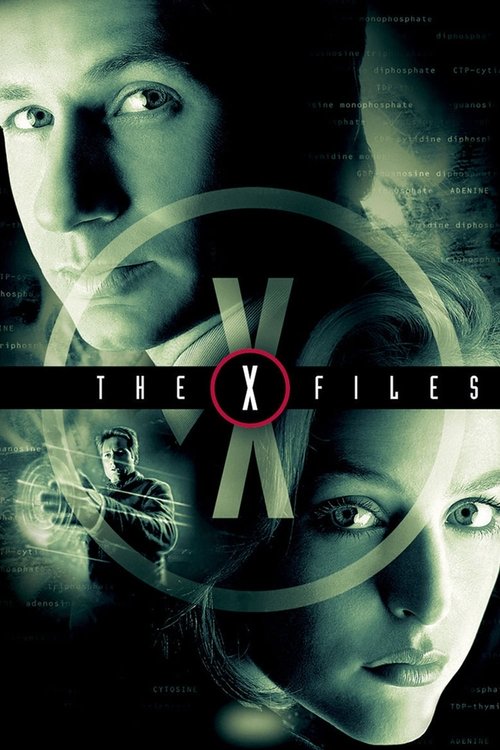
11. The X-Files
Mulder and Scully weren't just chasing aliens; they were chasing a serialized mythology that kept us guessing for years. Blending monster-of-the-week procedural with an overarching conspiracy, it showed how genre TV could be smart, atmospheric, and deeply compelling. It built a loyal fanbase who debated every clue, proving serialized storytelling could thrive on network television and push boundaries. The truth was out there.
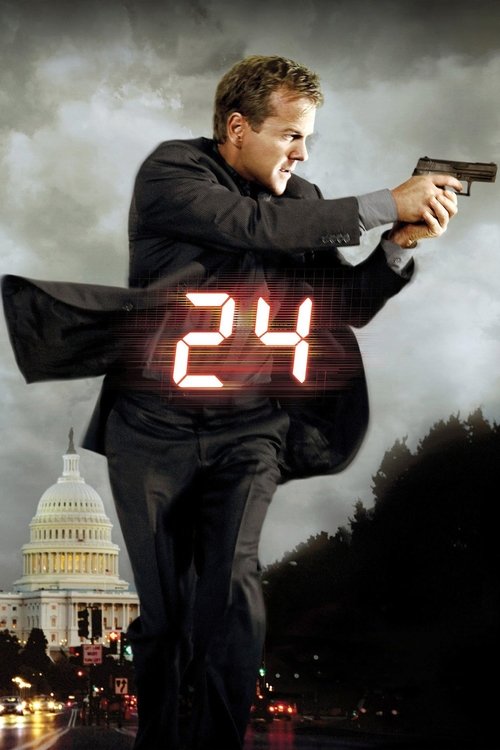
12. 24
This show reinvented the procedural by making it real-time. Every season was a single, intense day, ratcheting up the tension with split screens and ticking clocks. Jack Bauer's desperate heroics and the serialized, high-stakes plots made it addictive viewing, blurring the lines between action movie and television drama. It proved that TV could deliver feature-film level thrills, week after week, without letting up.