

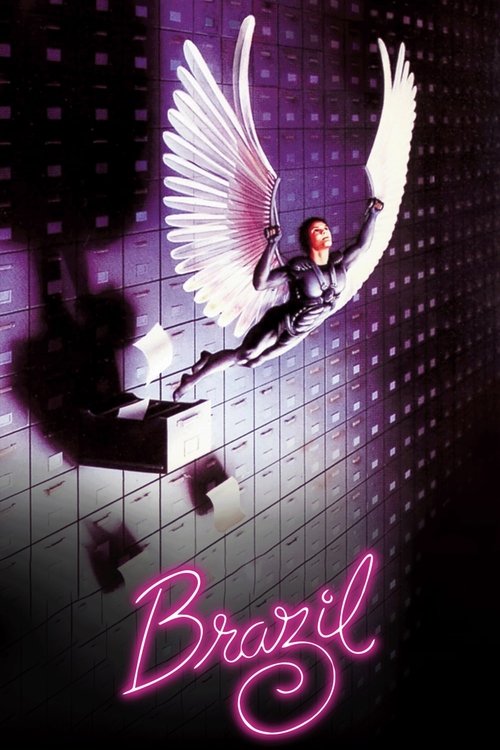
1. Brazil
Coppola's 1974 thriller is a masterclass in paranoia, with Gene Hackman's surveillance expert, Harry Caul, slowly unraveling. That creeping dread about being watched, the ethics of privacy, and the devastating consequences of information mishandling, it all resonates profoundly with our current digital age. Before data breaches and smart-home eavesdropping were everyday terms, this film perfectly captured the chilling implications of technology on individual liberty.
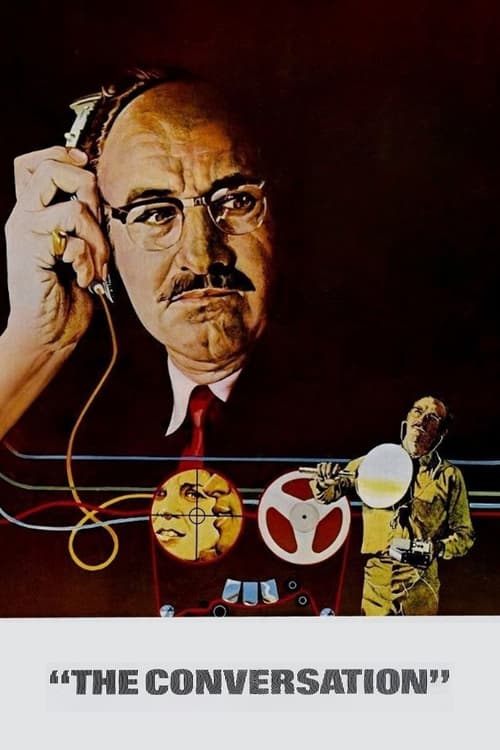
2. The Conversation
Andy Griffith's Lonesome Rhodes in the 1957 original is a chilling precursor to today's influencer culture and populist demagogues. This drifter turned media sensation manipulates the masses with folksy charm, revealing how easily public opinion can be swayed by a charismatic, yet ultimately corrupt, figure. It’s a stark, timeless warning about the power of media and the vulnerability of a society hungry for easy answers.

3. A Face in the Crowd
Robert Downey Sr.'s 1969 cult classic is a chaotic, unapologetic slap in the face to corporate America and racial politics. When the only Black man on a Madison Avenue ad agency board is accidentally made chairman, he transforms it into a revolutionary, anti-establishment force. Its sheer absurdity and radical honesty about power structures and systemic racism feel incredibly fresh and relevant, even as streaming platforms struggle with similar themes.
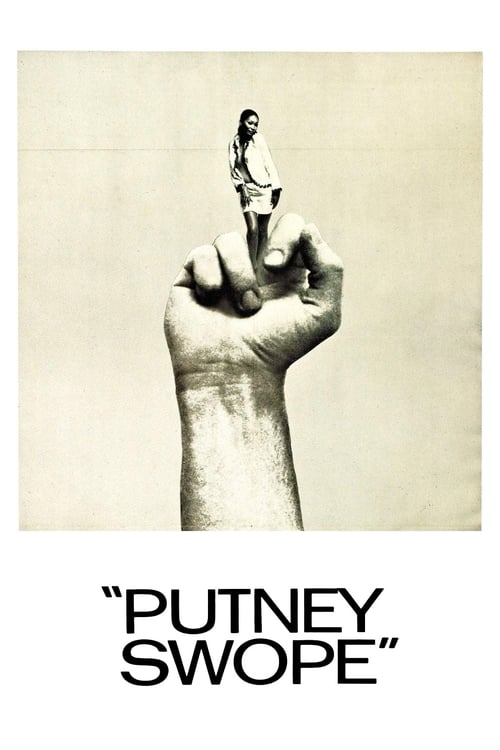
4. Putney Swope
Luis Buñuel's 1972 surrealist gem perfectly skewers the empty rituals and hypocrisies of the upper class. A group of friends repeatedly tries to have dinner, only to be interrupted by increasingly bizarre and dreamlike events. It’s a profound commentary on the performative nature of society, where basic human interactions are constantly thwarted by societal expectations and internal anxieties. Today's polite fictions feel equally fragile.

5. The Discreet Charm of the Bourgeoisie
Elem Klimov's 1985 Soviet film is an unflinching, visceral descent into the horrors of WWII through the eyes of a Belarusian boy. Its brutal realism and psychological impact are unparalleled, showcasing the dehumanizing effects of war in a way that modern combat reportage rarely dares. This isn't just a war film; it's an experience that permanently alters your perception of human cruelty, making any historical revisionism seem utterly pathetic.
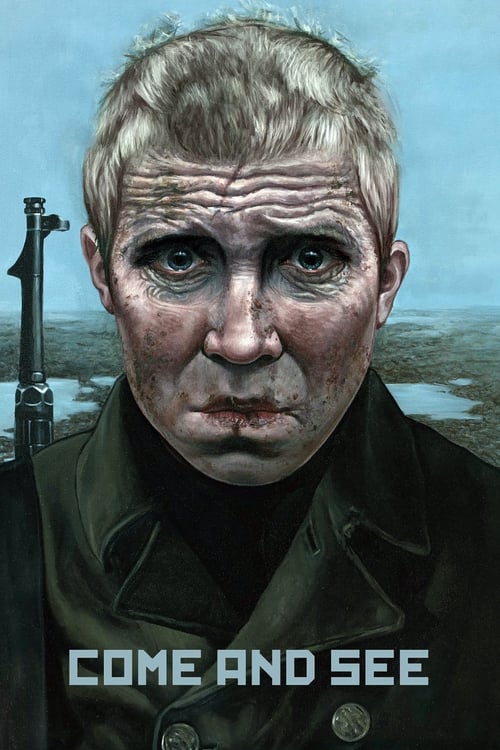
6. Come and See
Alex Cox's 1984 punk rock sci-fi comedy is a gloriously weird trip through Reagan-era L.A. It’s a cynical, hilarious take on alienation, consumerism, and government conspiracies, all wrapped up in a story about repossessing cars. The film's absurdist humor and DIY aesthetic captured a particular counter-cultural zeitgeist, and its themes of societal distrust and the search for meaning in a meaningless world still resonate with surprising clarity.
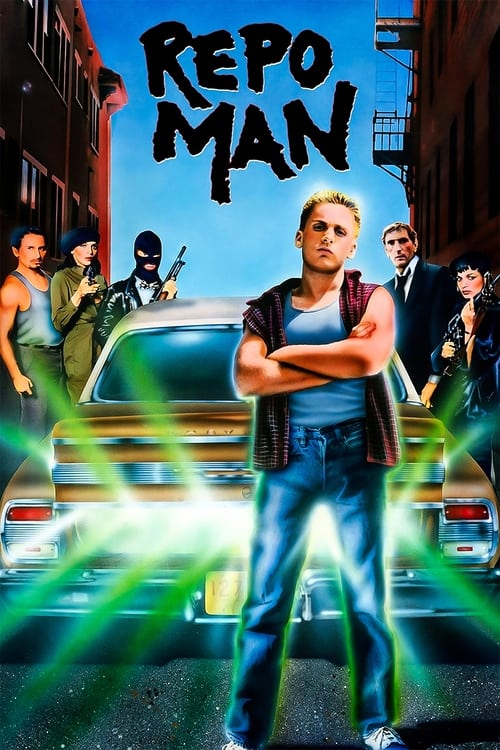
7. Repo Man
George Sluizer's original 1988 Dutch-French thriller is a masterclass in psychological dread. It follows a man's obsessive search for his girlfriend after she mysteriously disappears, leading him down a terrifying path to understand her fate. The film’s slow-burn tension and profoundly disturbing resolution explore the darkest corners of human obsession and existential horror, proving that some mysteries are better left unsolved. It's chillingly effective.
8. The Vanishing
Nicolas Roeg's 1976 enigmatic sci-fi film stars David Bowie as an alien who comes to Earth seeking water for his dying planet. It's a beautiful, melancholic exploration of alienation, consumerism, and the corrupting nature of power, as Bowie’s character slowly succumbs to human vices. The film’s striking visuals and thematic depth offer a timeless reflection on otherness and the fragility of innocence in an indifferent world.