


1. Vagrant Story (2000)
Square's PlayStation magnum opus from 2000 stands as an outlier, even within their own storied history. It wasn't an RPG in the traditional sense; instead, it offered intricate, real-time combat where weapon type, affinity, and body part targeting dictated strategy. Its labyrinthine narrative, mature themes, and striking art direction, rendered in polygonal glory, created a dense, almost oppressive atmosphere. This game demanded player investment, rewarding those who delved into its complex mechanics and dark, political tale. A true testament to late-era PS1 ambition.

2. Jet Set Radio Future
Released for the Xbox in 2002, "Jet Set Radio Future" refined its predecessor's formula, cementing its status as a stylistic tour de force. The cel-shaded visuals were a vibrant, eye-catching spectacle, perfectly complementing the infectious, genre-bending soundtrack that became a hallmark. Players navigated a futuristic Tokyo, grinding rails and tagging walls, all while outrunning the authorities. It was less about precision platforming and more about flow and expression, an undeniable burst of rebellious energy that defined a generation of console aesthetics.
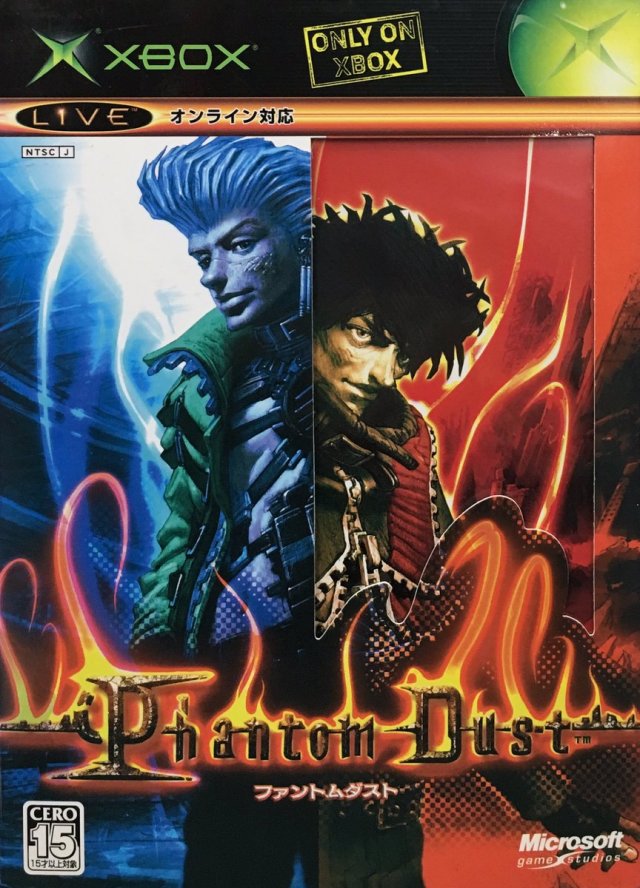
3. Phantom Dust
"Phantom Dust," a 2004 Xbox exclusive, was a curious hybrid, blending action, strategy, and collectible card game mechanics into something truly unique. Players built decks of "powers" to use in real-time arena combat, managing cooldowns and environmental hazards. Its post-apocalyptic narrative was surprisingly deep, delivered through fragmented memories. While it found a dedicated cult following, its unconventional design meant it never quite broke into the mainstream. Still, its bold experimentation deserved more widespread recognition.

4. killer7
Suda51's 2005 GameCube and PlayStation 2 title, "killer7," remains a divisive, yet undeniably impactful, experience. Its on-rails movement, coupled with first-person shooting, was merely a vehicle for its true essence: a hyper-stylized, cel-shaded nightmare of political intrigue, philosophical musings, and gratuitous violence. The narrative, a sprawling, non-linear tale of assassins and global conspiracies, was intentionally obtuse, challenging players to piece together its fragmented reality. It was a game that actively defied convention, leaving a lasting, unsettling impression.

5. Dark Messiah of Might and Magic
Released in 2006 for PC, "Dark Messiah" (later on Xbox 360 as "Elements") pushed the boundaries of first-person combat. Developed by Arkane Studios, it championed environmental interaction and brutal, physics-driven melee. Kicking enemies into spikes, pushing them off ledges, or manipulating fire and ice with magic felt visceral and empowering. The emphasis was less on traditional RPG progression and more on tactical, fluid engagements. It offered a level of player agency in combat that was revolutionary for its time, still influencing games today.

6. Enslaved: Odyssey to the West
Ninja Theory's 2010 adventure, "Enslaved," on PlayStation 3 and Xbox 360, reimagined the classic Chinese novel "Journey to the West" in a vibrant, post-apocalyptic America. While its platforming and combat were solid, the game's enduring strength lay in the dynamic, evolving relationship between its two protagonists, Monkey and Trip. Their banter and reliance on each other anchored a compelling narrative, supported by stunning art direction that painted a beautiful, overgrown world. It's a character-driven gem that often gets overlooked.
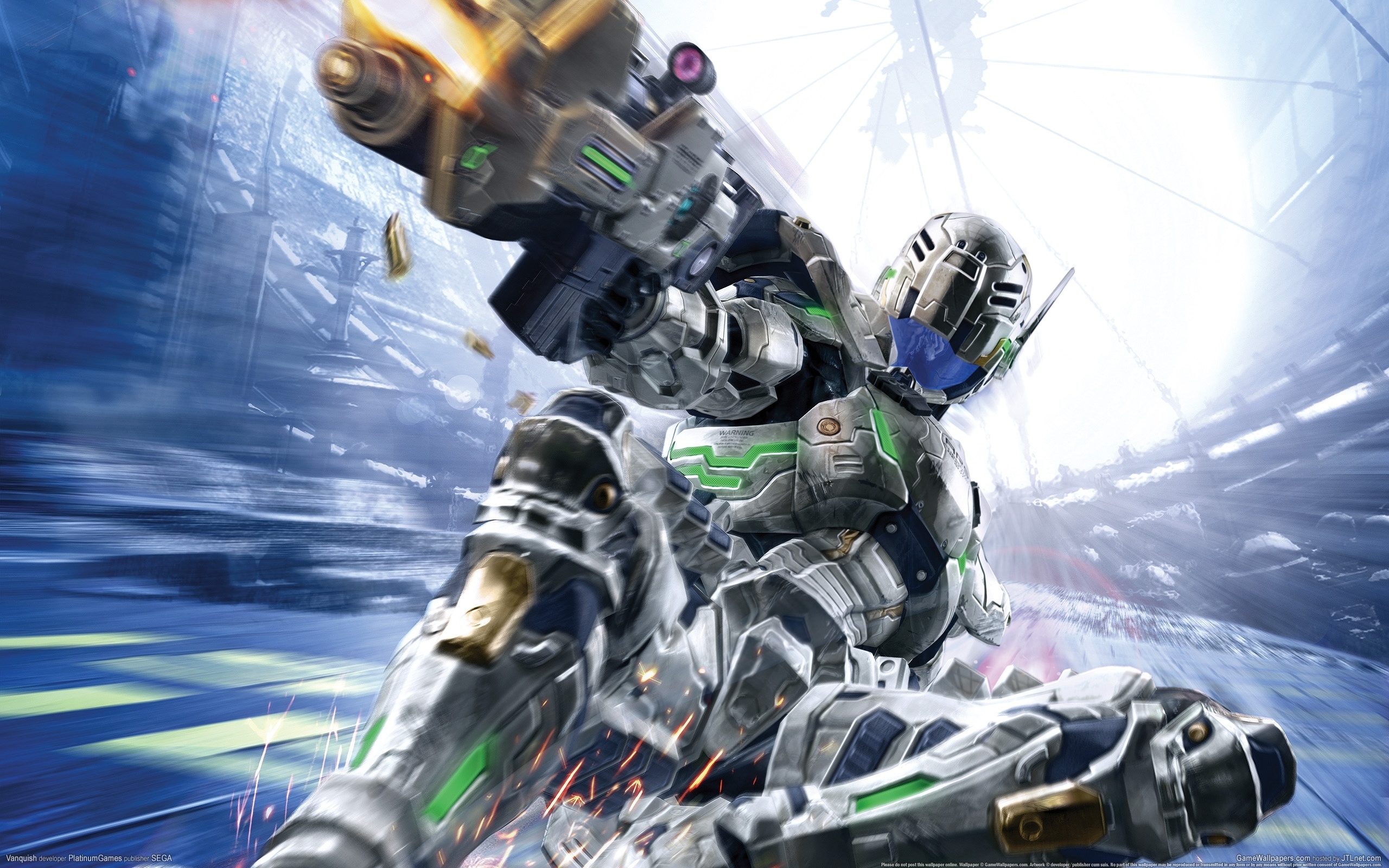
7. Vanquish
PlatinumGames' 2010 third-person shooter, "Vanquish," for PlayStation 3 and Xbox 360, was pure, unadulterated speed. Its defining mechanic, the "AR Suit's" rocket-powered slide-boost, allowed players to zip across battlefields, engage in bullet-time, and unleash devastating attacks. It was a masterclass in aggressive, momentum-based combat, rewarding quick reflexes and stylish play. The game's relentless pace and intricate level design made every encounter a thrilling, balletic dance of destruction. A high-octane spectacle that still feels fresh.
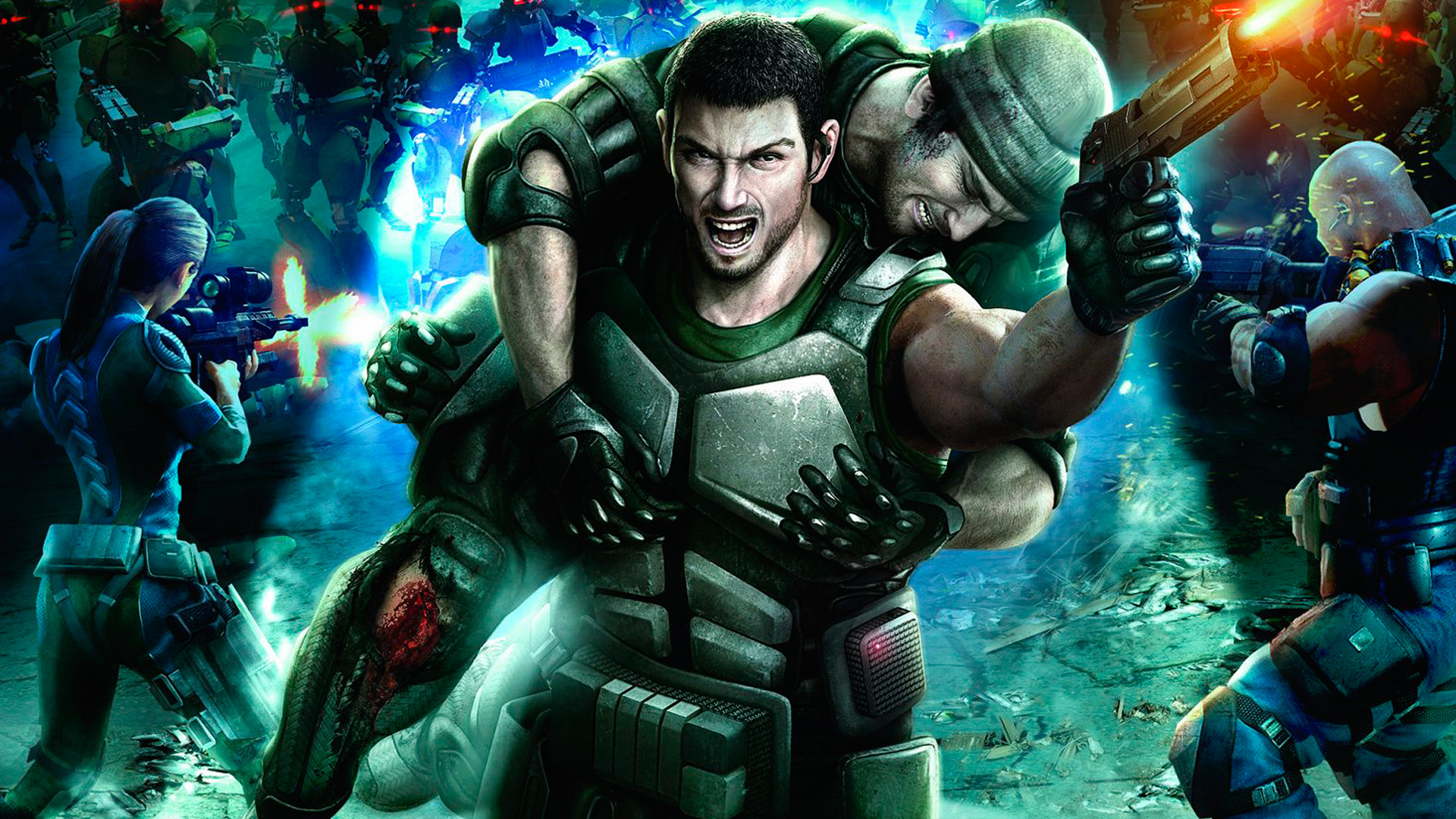
8. Binary Domain
Released in 2012 for PlayStation 3 and Xbox 360, "Binary Domain" was Sega's surprisingly thoughtful take on the cover-based shooter genre. Set in a dystopian Tokyo, its distinguishing feature was the "Consequence System," where player choices and voice commands affected squad loyalty. Beyond the unique mechanics, it delivered a surprisingly robust narrative exploring themes of humanity and AI, backed by satisfying, destructible robot combat. It was an ambitious, flawed, but ultimately memorable experience that deserved more attention.