

1. The Cremator
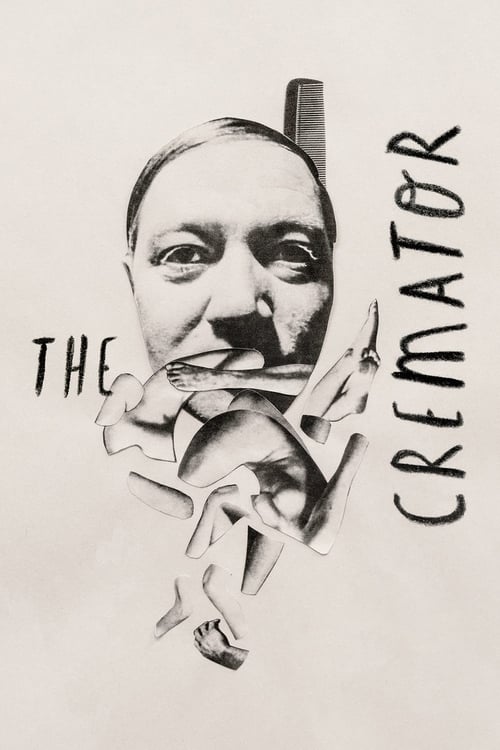
Karel Kachyňa's *The Cremator* (1969) is a chilling descent into the banality of evil, wrapped in the macabre aesthetics of the Czech New Wave. Rudolf Hrušínský’s portrayal of Kopfrkingl, a meticulous cremator whose philosophical musings on death slowly morph into a terrifying embrace of fascism, is profoundly unsettling. Its darkly comedic tone juxtaposed with the looming horror of historical atrocities makes it a unique and disturbing character study, a stark reflection on how seemingly ordinary men become instruments of atrocity.

2. Possession
Andrzej Żuławski’s *Possession* (1981) is a visceral, operatic exploration of marital dissolution and Cold War paranoia, delivered with an almost unbearable intensity. Isabelle Adjani's performance is legendary, a raw nerve of despair and psychosis that transcends conventional acting. This film operates on a dream logic, a feverish nightmare where personal trauma manifests in grotesque, unfathomable ways. It is less a narrative and more an experience, a deeply unsettling dive into the destructive forces unleashed when a relationship explodes.
3. Threads
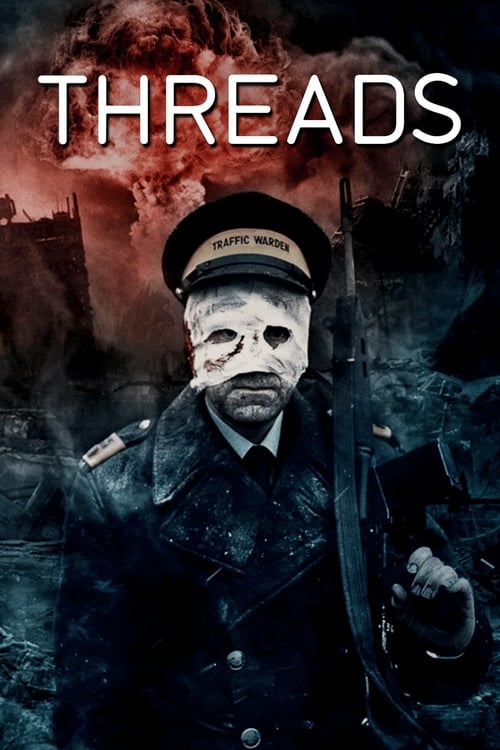
Mick Jackson's BBC docudrama *Threads* (1985) remains an unflinching, brutally realistic portrayal of nuclear war and its devastating aftermath. Eschewing sensationalism for stark, almost clinical detail, it chronicles the collapse of society in Sheffield, England, with horrifying verisimilitude. The film is less entertainment and more a public service announcement, a stark, sobering warning that left an indelible mark on a generation. Its impact is derived from its relentless commitment to showing the unvarnished truth of a post-apocalyptic world.
4. Symbiopsychotaxiplasm: Take One
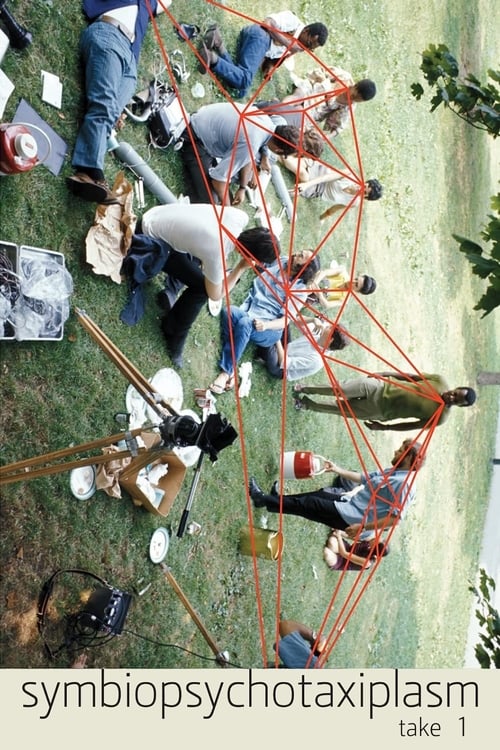
William Greaves’ *Symbiopsychotaxiplasm: Take One* (1968) is a singular, avant-garde exercise in meta-filmmaking. It documents the making of a film in Central Park, but then expands to include footage of the crew discussing the director, the director reflecting on the crew, and even passersby offering commentary. This layered, self-reflexive approach deconstructs the very act of cinematic creation, challenging notions of reality, performance, and authorship. It's a fascinating, bewildering puzzle box that remains profoundly influential in experimental cinema.

5. Wake in Fright
Ted Kotcheff’s *Wake in Fright* (1971) is a searing, sun-drenched nightmare that plunges an English schoolteacher into the heart of Australia’s desolate outback and the toxic masculinity that festers there. John Grant's descent into a primal, beer-soaked hell is a brutal unraveling, a confrontation with a raw, untamed landscape and the darker aspects of the human psyche. The film is a disquieting portrait of cultural alienation and the destructive power of unchecked machismo, an unsettling classic of Australian cinema.
6. Raven's End
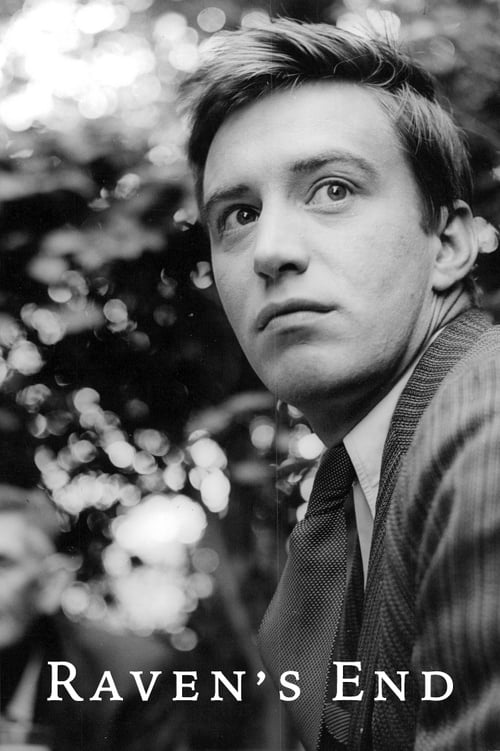
Bo Widerberg's *Raven's End* (1963) is a poignant, understated gem of Swedish social realism, offering a tender yet stark portrait of working-class life in 1930s Malmö. The film centers on Anders, an aspiring writer trapped by circumstance, dreaming of escape from his impoverished existence. Widerberg captures the nuances of familial bonds and the quiet desperation of unfulfilled potential with remarkable authenticity. It's a melancholic, deeply human story, reflecting the struggles of a generation on the cusp of societal change.

7. Woman in the Dunes
Hiroshi Teshigahara’s *Woman in the Dunes* (1964) is an exquisitely crafted, existential parable that traps a man with a mysterious woman in a constantly shifting sand pit. Based on Kōbō Abe’s novel, the film is a masterclass in atmospheric tension and surreal symbolism, exploring themes of freedom, entrapment, and the absurdity of human existence. Its stark, beautiful cinematography and hypnotic rhythm create a profound, almost hypnotic meditation on adaptation and resignation, a truly unique cinematic experience.
8. The Vanishing
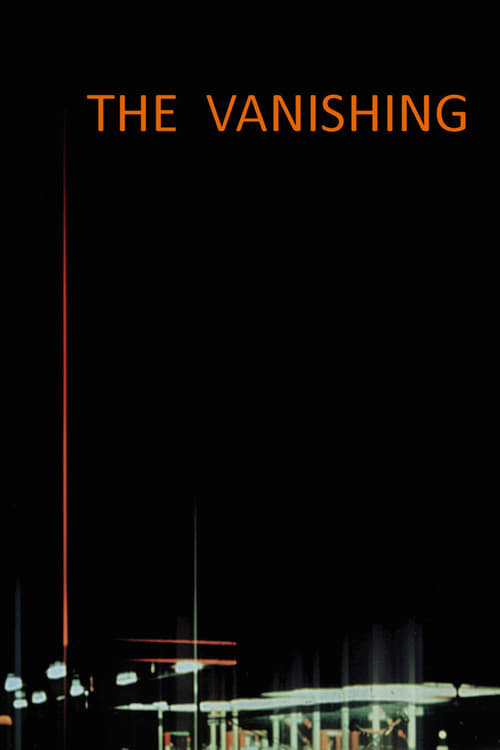
George Sluizer’s original Dutch-French thriller *The Vanishing* (1988) is a masterclass in psychological dread, a chilling exploration of obsession and the banality of evil. When Rex's girlfriend disappears without a trace, his relentless search leads him down a dark path, culminating in one of cinema’s most disturbing and unforgettable endings. The film’s power lies in its quiet, methodical build-up, eschewing jump scares for a slow, agonizing revelation of human depravity. It's a truly haunting piece of European cinema.
9. Seconds
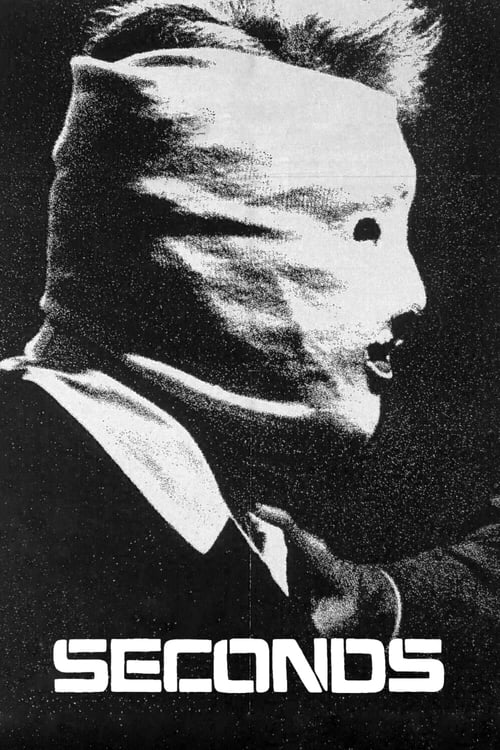
John Frankenheimer’s *Seconds* (1966) is a chilling, paranoid sci-fi thriller that explores themes of identity, dissatisfaction, and the American Dream's darker side. A disillusioned banker undergoes a radical surgical procedure to assume a new life and identity, only to find himself trapped in a new kind of existential nightmare. James Wong Howe's stark, distorted cinematography amplifies the sense of unease and alienation, making it a powerful, unsettling commentary on conformity and the desperate search for reinvention.