

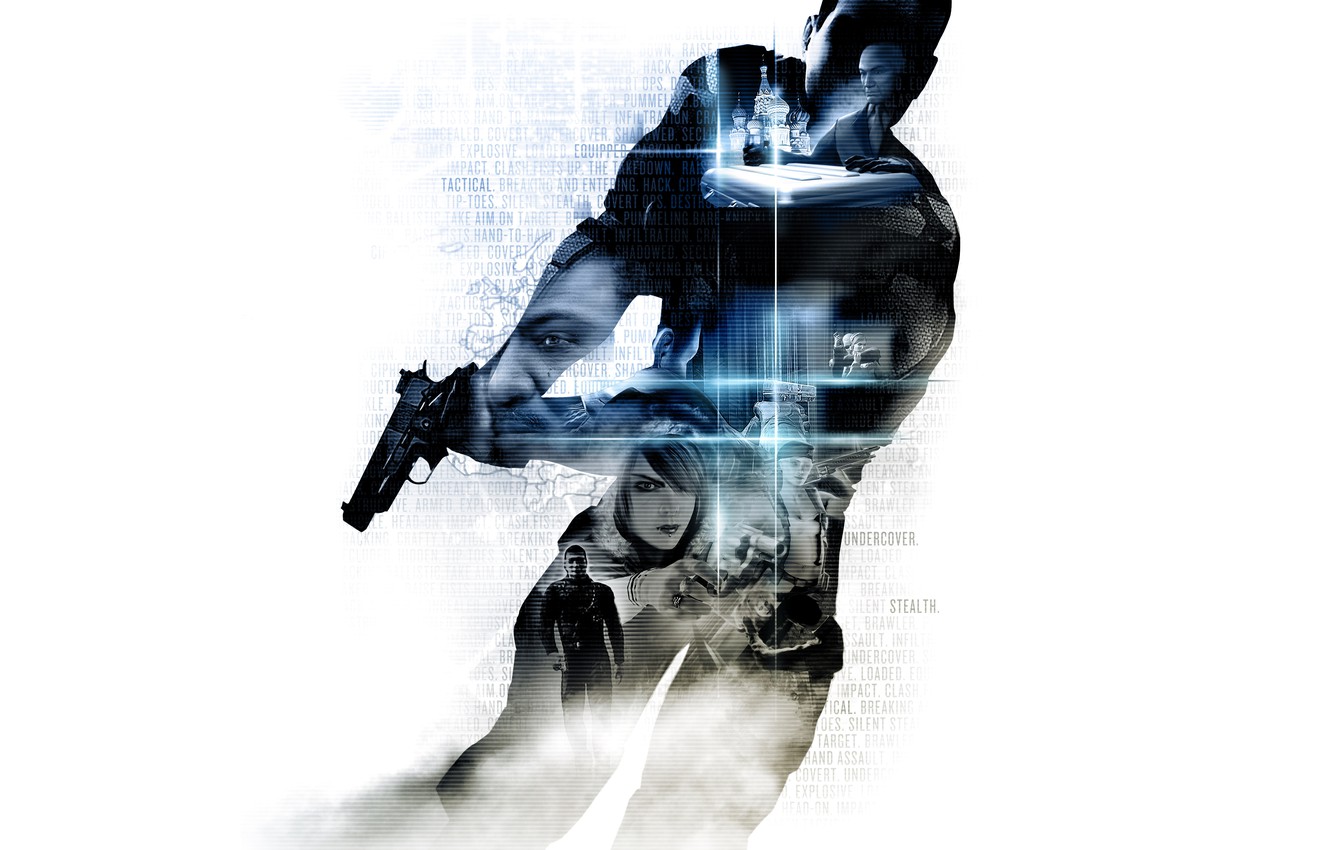
1. Alpha Protocol
Alpha Protocol was savaged at launch for its jank and rough edges, yet its ambitious, genuinely branching narrative and reactive world were years ahead of its time. Critics often overlook groundbreaking design for polish, praising less adventurous titles with shinier coats of paint. This game offered player choice that actually mattered, unlike many modern RPGs lauded for "impactful" decisions that just funnel you down the same path. A true shame it never got the recognition, or sequel, it deserved.
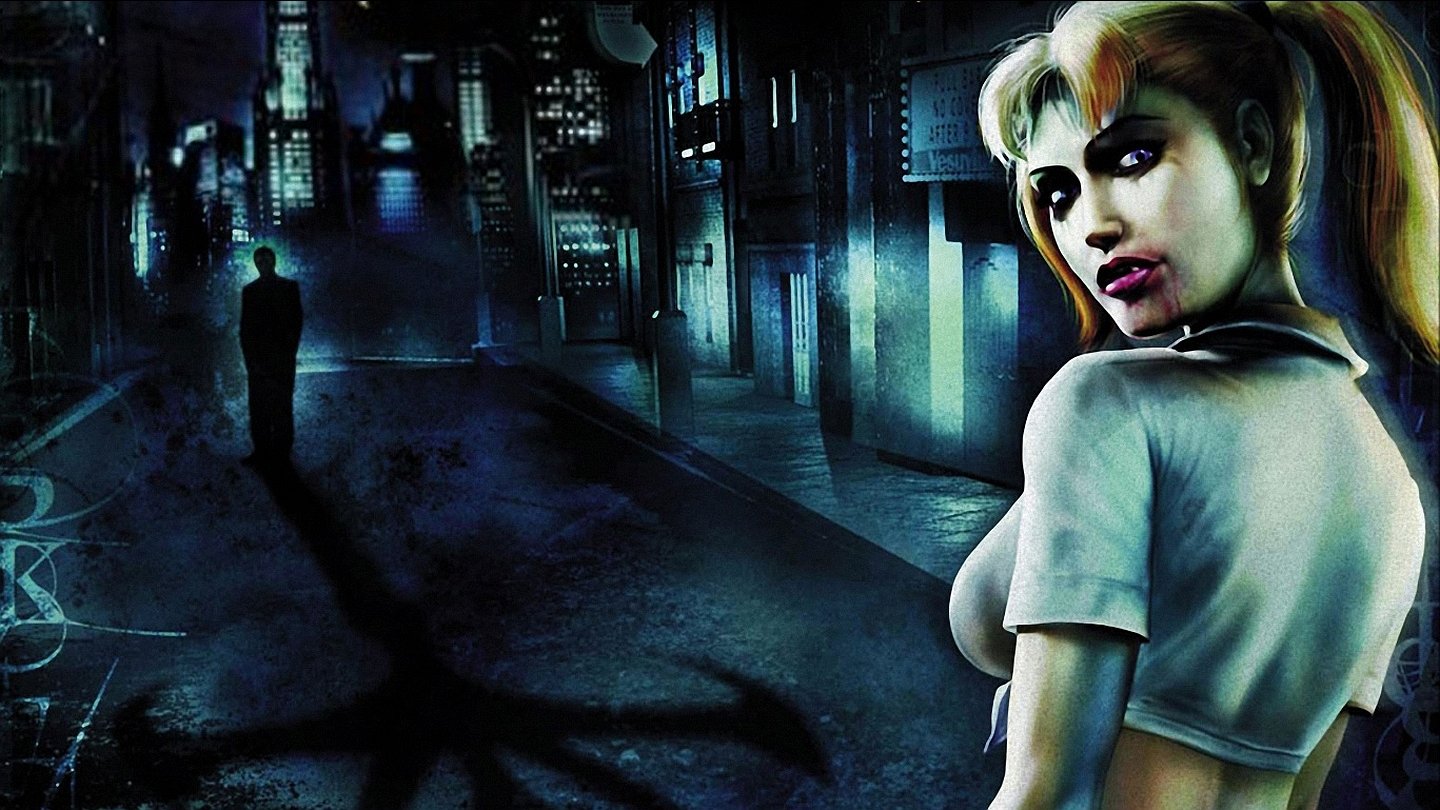
2. Vampire: The Masquerade - Bloodlines
Vampire: The Masquerade - Bloodlines shipped in a notoriously busted state, relying on dedicated fans to make it truly playable. Still, its peerless writing, atmosphere, and sheer player choice are rightfully legendary. Imagine an indie game launching *that* broken today; it would be utterly crucified. Yet, when a modern AAA title drops with game-breaking bugs, we’re told to just wait for the patches or accept it as "part of the process." It really highlights how some games get a pass, while others don't.
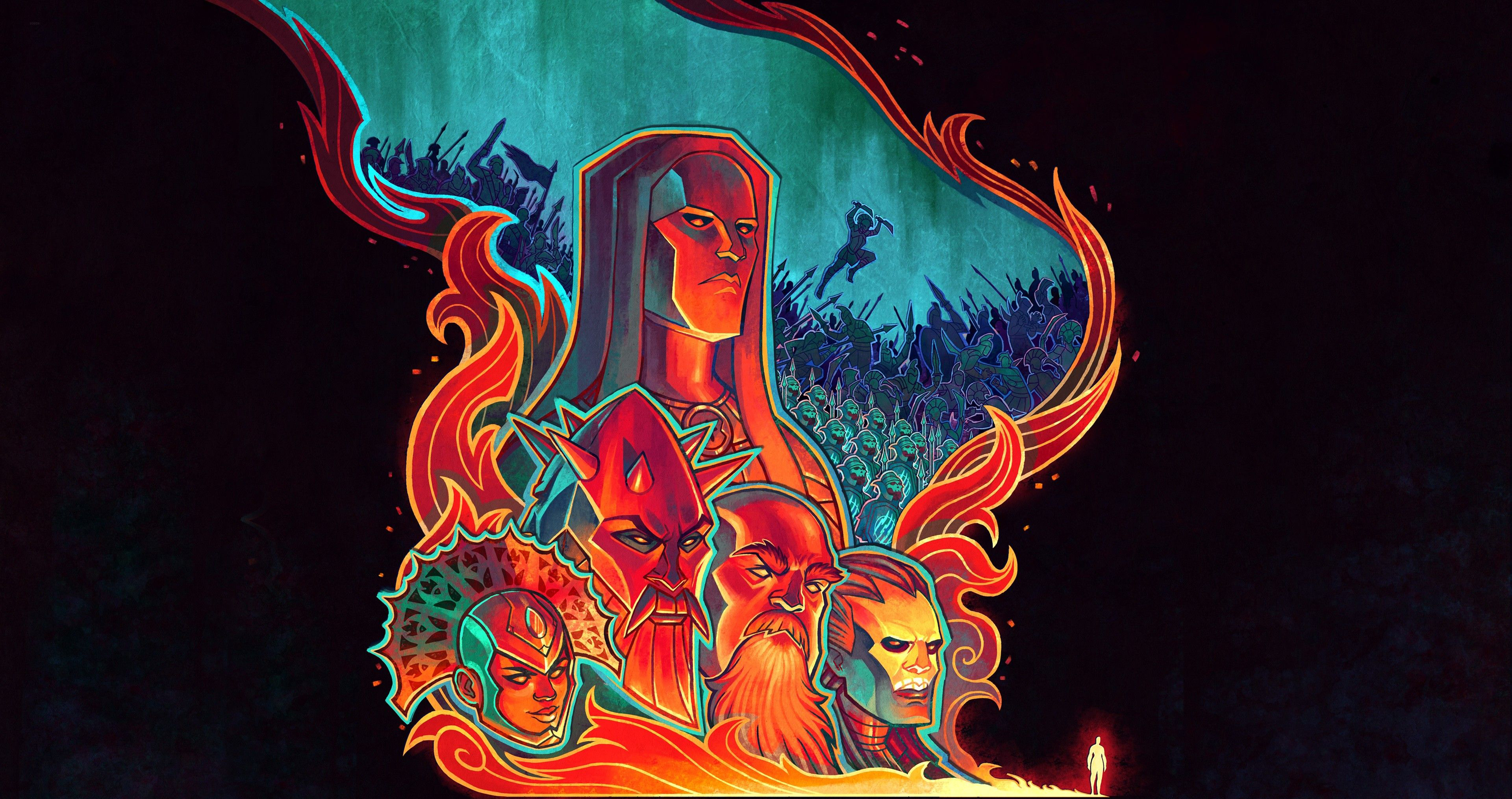
3. Tyranny
Tyranny flipped the traditional RPG script, casting you as an enforcer for an evil overlord, forcing genuinely uncomfortable moral choices and systemic consequences. It offered unparalleled narrative freedom, letting you truly shape a conquered world. But it never reached the mainstream acclaim of more conventional "hero's journey" RPGs. We claim to crave innovative storytelling and player agency, yet often gravitate towards familiar power fantasies wrapped in cinematic gloss. It’s almost like true roleplaying can be *too* challenging for some.
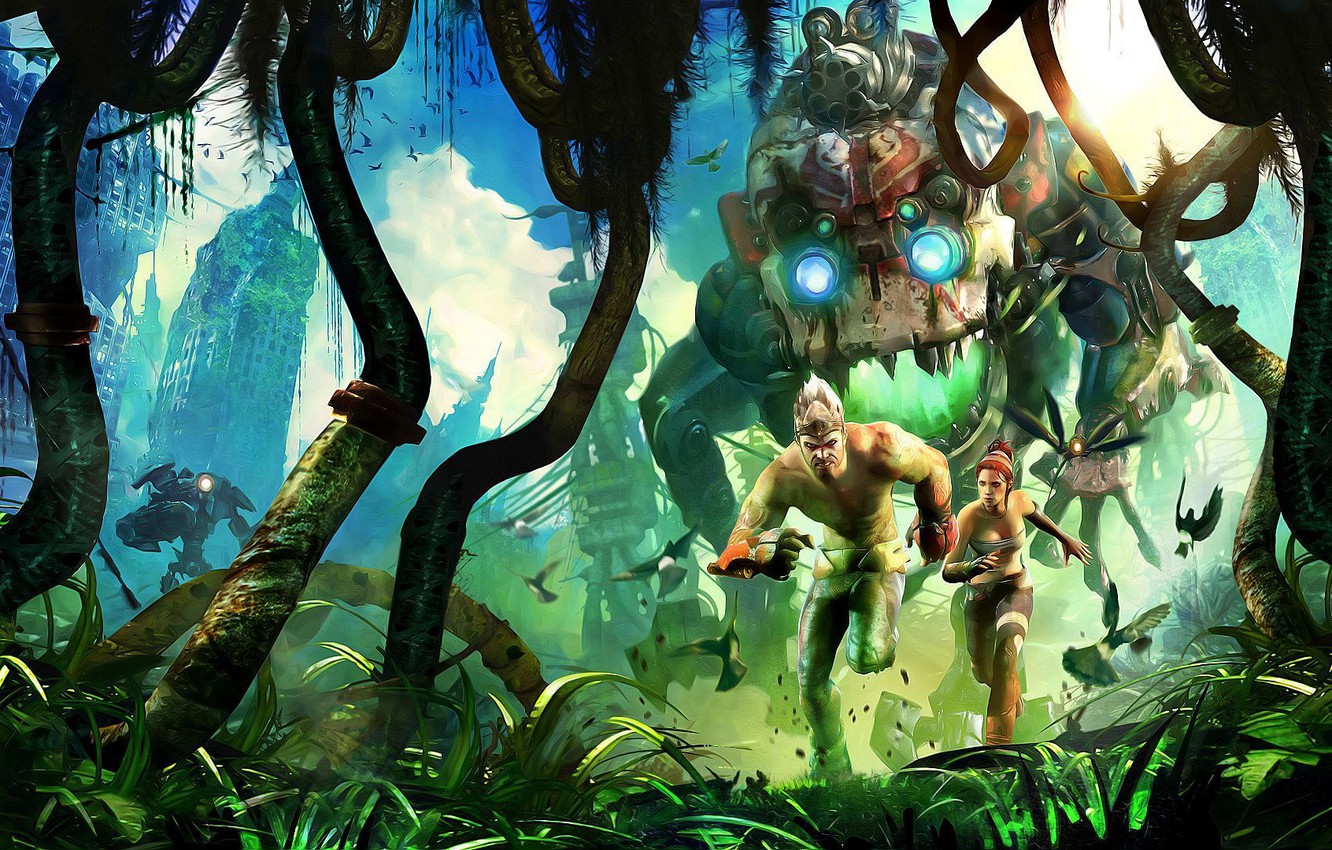
4. Enslaved: Odyssey to the West
Enslaved: Odyssey to the West was a vibrant, character-driven action-adventure with stunning art direction and a surprisingly poignant narrative. It delivered a unique take on companionship and exploration. Despite critical praise, it flopped commercially. This game asked players to actually *care* about its characters and world, rather than just hack-and-slash their way through. It's a prime example of how the industry often praises innovation but rewards familiarity, leaving truly fresh, artistic visions to languish because they don't adhere to market-tested formulas.
5. Binary Domain
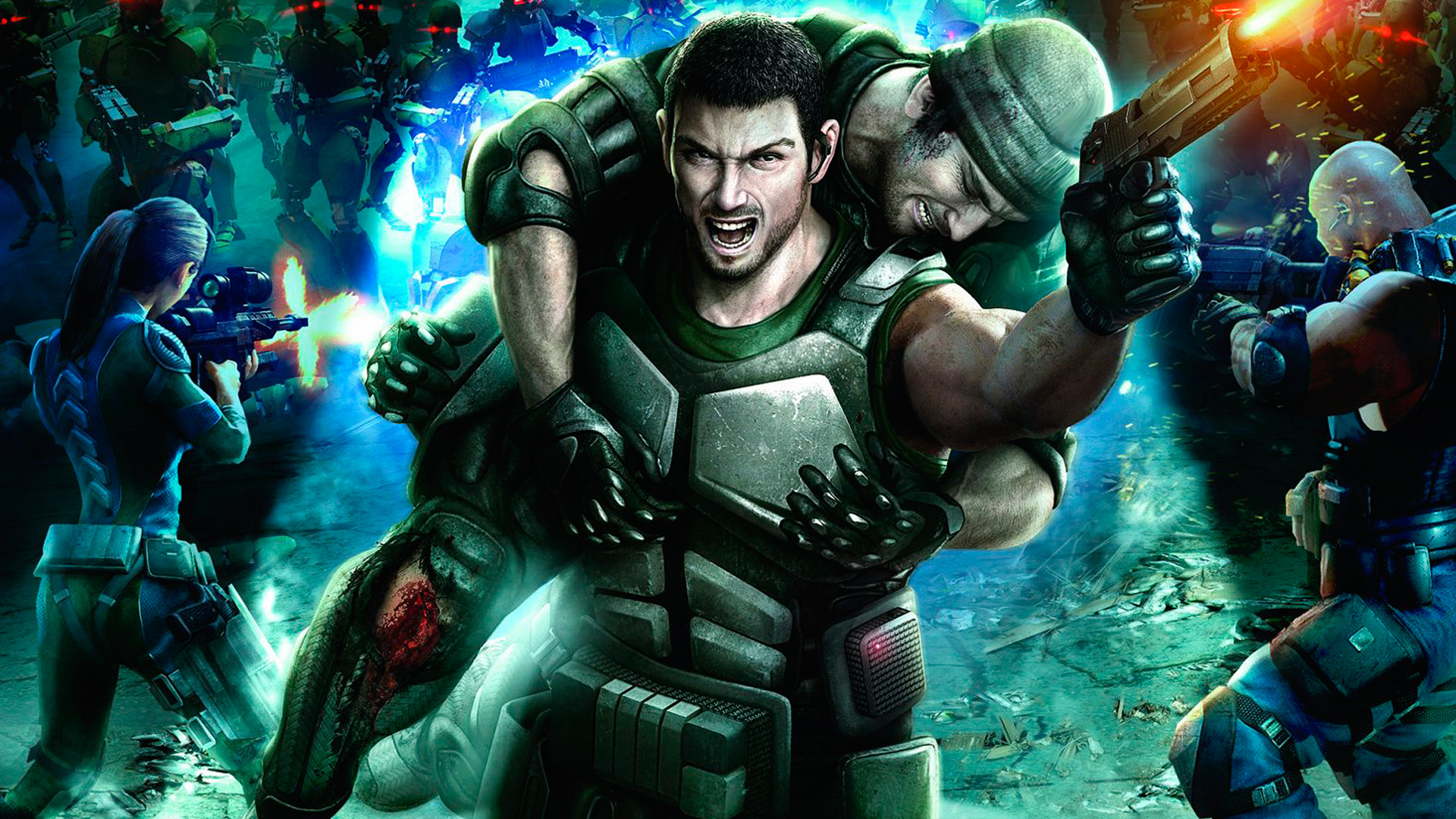
Binary Domain was a third-person shooter from the Yakuza team that delivered far more than expected: a surprisingly poignant, philosophical narrative about AI and what it means to be human. It even had an ambitious, if clunky, voice command system influencing squad loyalty. Yet, it was largely dismissed as "just another shooter." We often laud games for *attempting* narrative depth while ignoring titles like this that actually deliver it, preferring genre comfort food over something genuinely thought-provoking wrapped in an action package.
6. This War of Mine
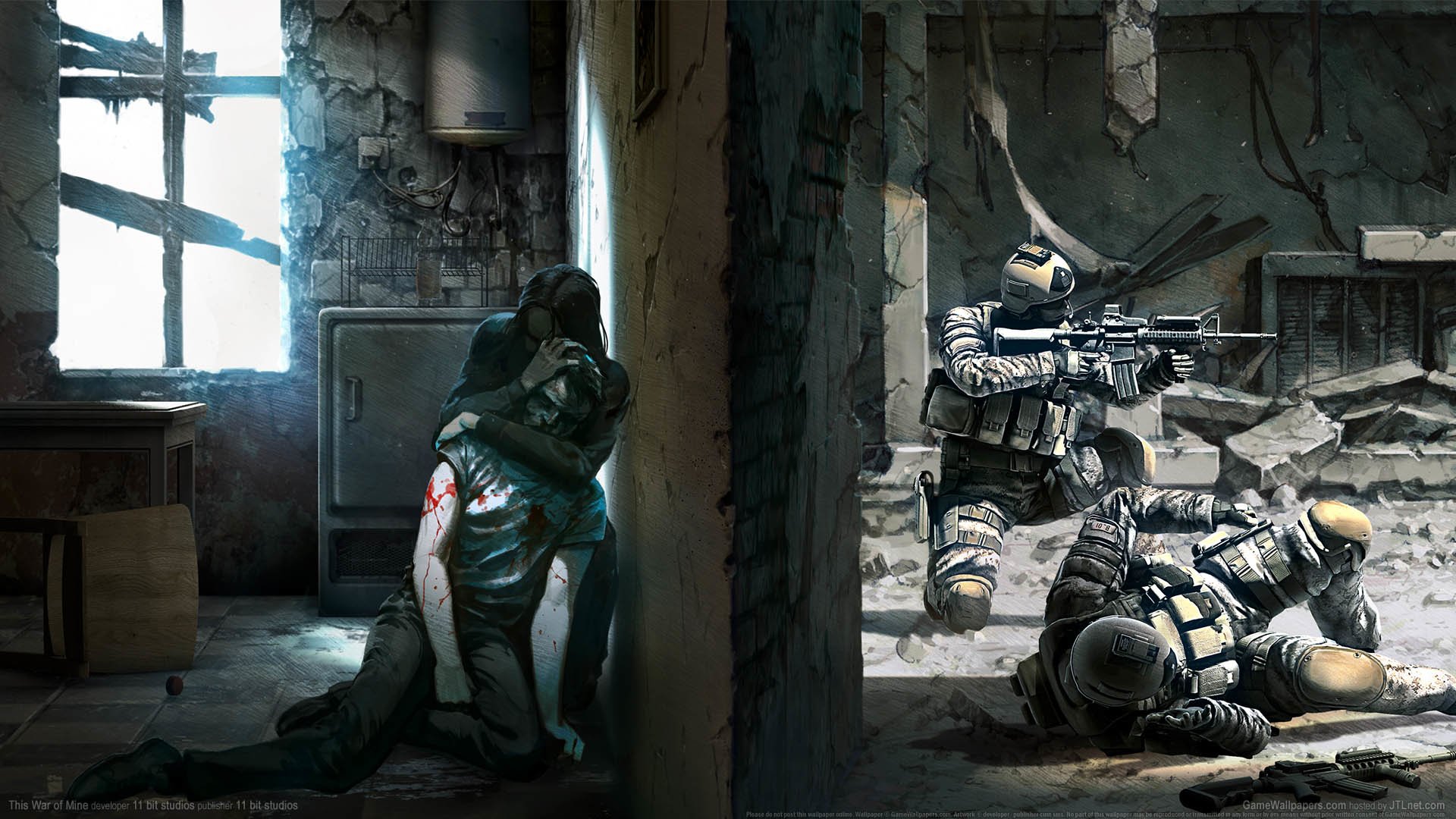
This War of Mine bravely explored the harrowing reality of civilian survival during wartime, forcing players to make impossible moral choices in a relentlessly bleak setting. It garnered widespread acclaim for its powerful message and unflinching honesty. Yet, some corners of the gaming sphere still argue that games *must* always be "fun" or pure escapism, dismissing anything challenging or emotionally taxing. This game proved that interactive media can be profound art, pushing boundaries that many are still uncomfortable acknowledging or embracing.

7. Darkwood
Darkwood is a masterclass in top-down survival horror, weaving an oppressive, genuinely terrifying atmosphere through sound design and psychological dread, sans cheap jump-scares. It’s an indie gem that proves horror doesn't need cutting-edge graphics or a first-person perspective to petrify you. Yet, many still overlook it, chasing the next big AAA horror title that often relies on predictable tropes. We claim to crave innovation in horror, but often our wallets and attention spans are drawn to the familiar, even if it’s less effective.
8. Harvester
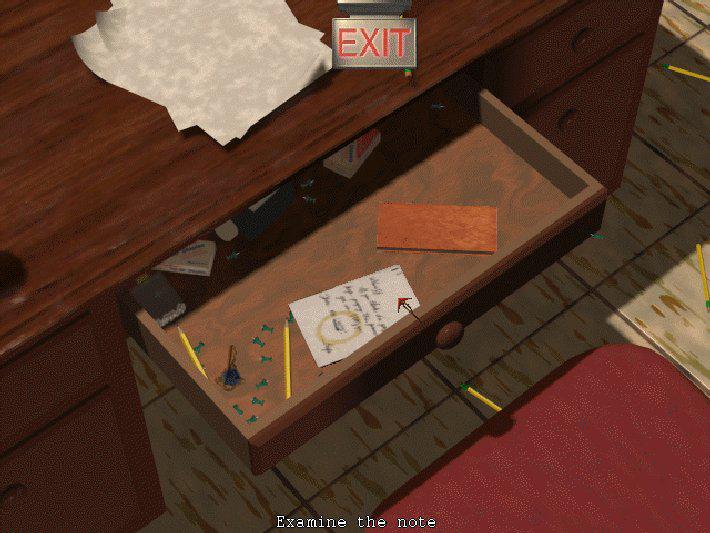
Harvester, a 1996 point-and-click adventure, was a truly bizarre, deeply disturbing, and savagely satirical critique of American suburbia and violence. It was largely panned, deemed too offensive and obtuse. Today, we see games praised for being "edgy" that barely scratch the surface of provocation. Harvester was genuinely unsettling and pushed boundaries in ways modern titles rarely dare. It starkly reveals how industry acceptance of "mature" content has shifted, often sanitizing true subversion for palatable controversy, making its original reception a stark double standard.