
1 / 9
1. Max Headroom
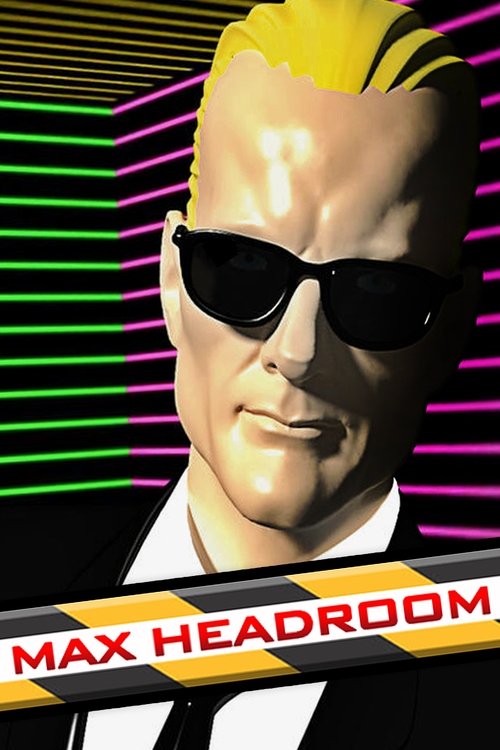
That stuttering, digital talking head was pure nightmare fuel and also pure genius. Max Headroom wasn't just some tech anomaly; it was a mirror reflecting the coming digital chaos, wrapped in a shiny, low-res package. The practical effects making him look so uncanny, the relentless corporate critique, the neon-drenched dystopia of Network 23 – it hit different. It felt like broadcast TV trying to eat itself, spitting out something totally new and wired. Still gives me the glitches.
2 / 9

2. V
Before all the fancy CGI, *V* gave us reptilian aliens wearing human skin, and man, was it chilling. This wasn't just some alien invasion; it was a full-blown allegorical drama about fascism, resistance, and collaboration, playing out like a soap opera with ray guns. Those moments of them peeling back their faces, revealing the true Visitors, were prime practical effects horror. Maximum tension, maximum paranoia, maximum 80s broadcast audacity.
3 / 9
3. The Hitchhiker
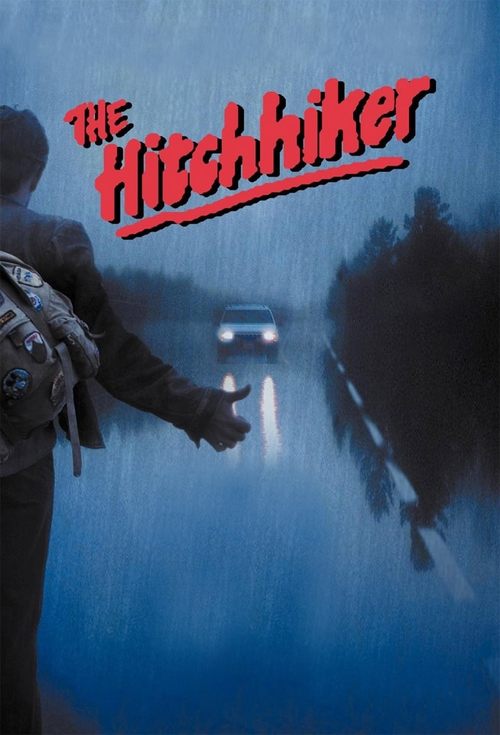
*The Hitchhiker* on HBO was a whole different beast. This was late-night cable pushing boundaries, serving up dark, atmospheric tales with a side of ambiguous dread. Every episode, this mysterious drifter would introduce some twisty, often sexually charged, morality play. It felt dangerous, like something you weren't supposed to watch but couldn't turn away from. Low budget, high concept, and deeply unsettling, it defined early premium cable weirdness.
4 / 9
4. Automan
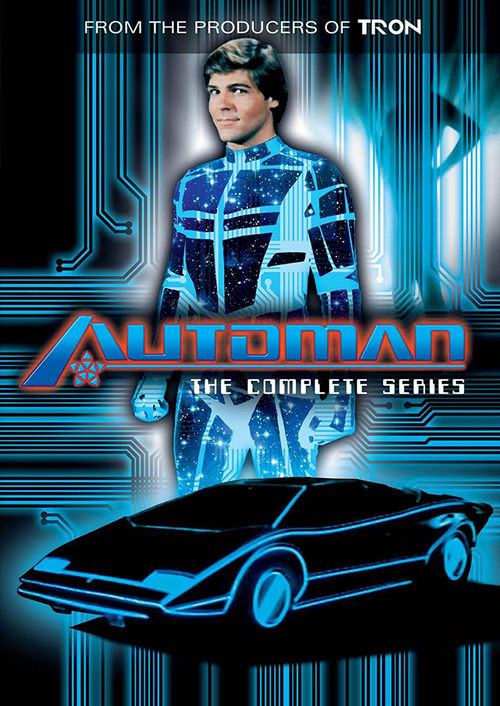
*Automan* was like if *Tron* crashed into an 80s cop show, and frankly, it was glorious. That glowing, wireframe hero, materialized from a computer, driving a car that could turn 90 degrees instantly – it was peak early computer graphics ambition. The light trails, the digital sidekick Cursor, the whole neon aesthetic, it was visually wild for its time. Total wish fulfillment for any kid obsessed with arcade games and digital futures.
5 / 9
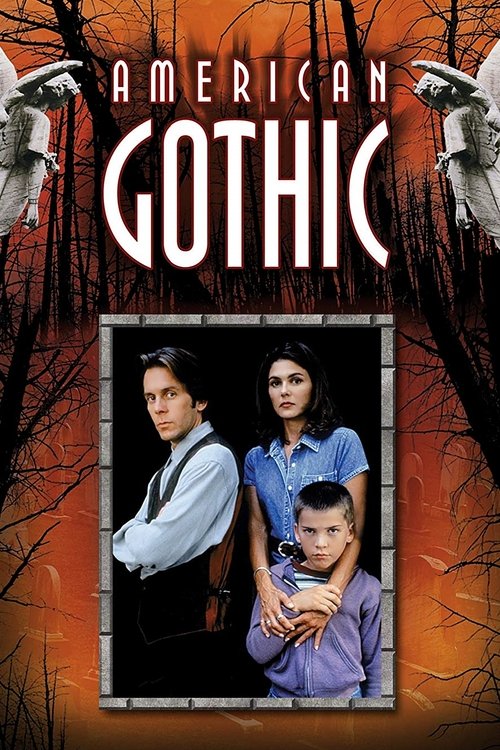
5. American Gothic
*American Gothic* was just plain *evil*. Gary Cole as Sheriff Lucas Buck, the literal devil in a small Southern town, was magnetic and terrifying. This show wasn't subtle; it dove headfirst into supernatural horror, moral corruption, and pure creepiness. Every episode felt like a dark fable, dripping with atmosphere and dread. It was too twisted for network TV, a true cult gem that pushed boundaries and left you properly disturbed.
6 / 9
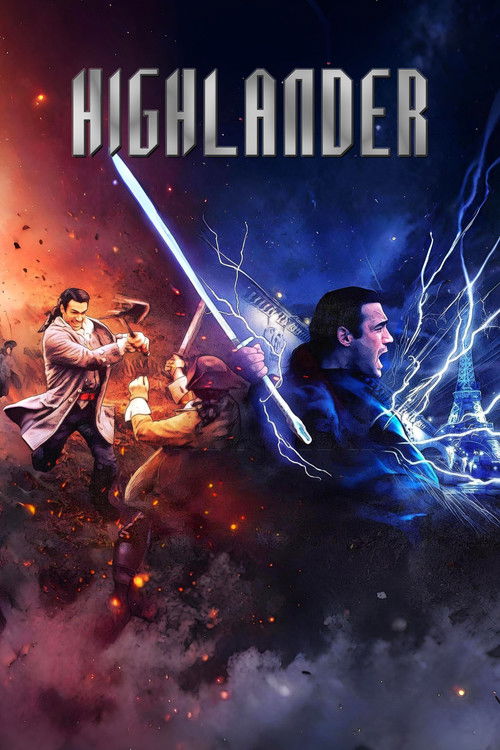
6. Highlander: The Series
*Highlander: The Series* proved that some concepts just work better on the small screen, with more time to flesh out centuries of backstory. Duncan MacLeod, an immortal warrior, battling other immortals through time – it was pure, serialized action-drama. The sword fights, the quickenings, the sheer commitment to its fantastical premise. It became a syndicated staple, building a massive cult following by delivering consistent, myth-laden adventure week after week.
7 / 9

7. VR.5
*VR.5* was a trip, man. This show tried to tell stories inside virtual reality before most people even knew what VR was. It was visually experimental, using early digital effects to create these bizarre, dreamlike worlds. The plots were often convoluted, a messy but ambitious blend of cyberpunk, mystery, and psychological drama. It was ahead of its time, a fascinating, frustrating glimpse into a future that hadn't quite arrived, broadcast on network TV.
8 / 9
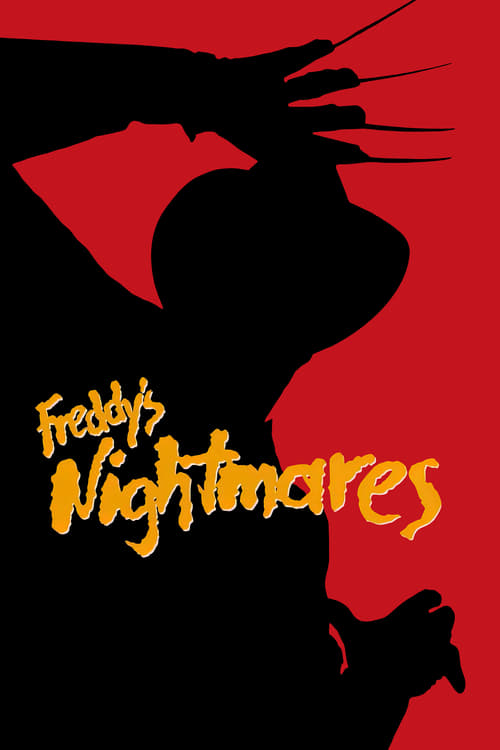
8. Freddy's Nightmares
*Freddy's Nightmares* brought Springwood's favorite child murderer right into your living room, usually late at night. Each episode was an anthology horror story, often with Freddy himself lurking in the shadows or delivering a one-liner. It wasn't always top-tier horror, but it was syndicated, accessible, and often surprisingly dark for TV. The practical effects for Freddy's appearances were always a highlight, cementing him as a broadcast terror icon.
9 / 9
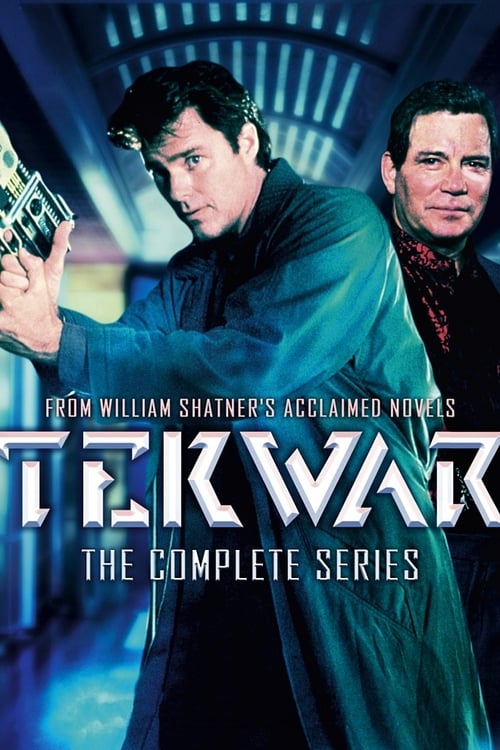
9. TekWar
*TekWar* was William Shatner's cyberpunk brainchild, and it was glorious low-budget syndicated sci-fi maximalism. Set in a future where "tek" drugs could hijack your mind, it had all the neon lights, questionable fashion, and clunky future tech you could ask for. It felt like a comic book brought to life on a shoestring budget, leaning heavily on its pulpy premise and Shatner's unique vision. A proto-cyberpunk gem that just went for it.