
1 / 8
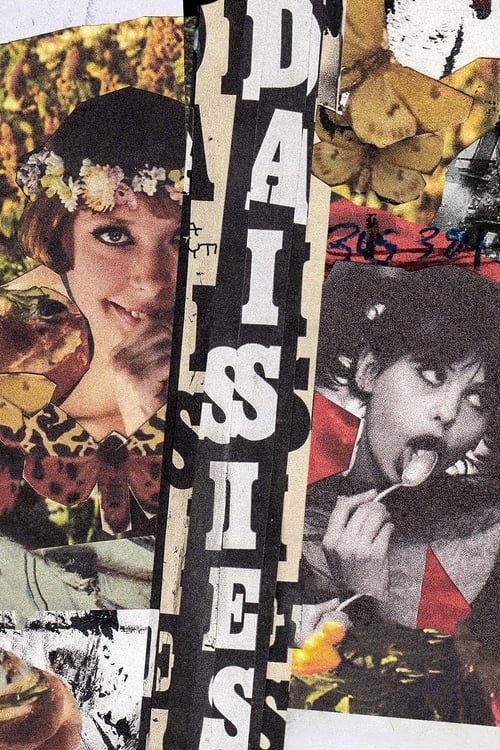
1. Daisies
Okay, so *Daisies* from '66? Absolute chaos, but make it fashion and a scathing critique of consumerism. These two girls just wreck everything, literally and metaphorically, with zero f*cks given. It’s pure, unadulterated anti-establishment energy, wrapped in a pop-art aesthetic that still slaps. Seriously, watching it feels like a fever dream that makes you question all societal expectations. A true masterclass in cinematic anarchy.
2 / 8
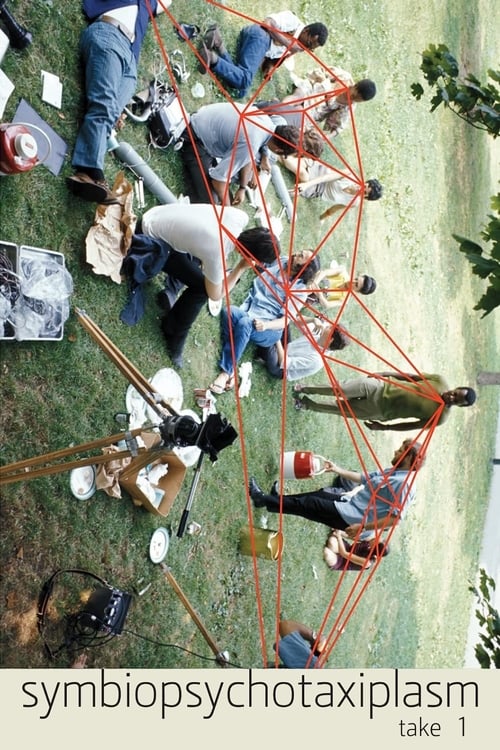
2. Symbiopsychotaxiplasm: Take One
William Greaves' *Symbiopsychotaxiplasm: Take One* from '68? Bruh, this isn't just a movie, it's a whole meta-experience. It's about making a movie, about people making a movie, about filming people watching a movie being made. It breaks down the fourth wall so hard it creates a new dimension. It’s a dizzying, genius look at performance, reality, and what it even means to capture something on film. My brain still buffers trying to process it all.
3 / 8

3. Sweet Sweetback's Baadasssss Song
Melvin Van Peebles’ *Sweet Sweetback's Baadasssss Song* from '71 is not just a film; it's a whole cultural moment. This was independent, Black-created cinema before it was cool, funded by Van Peebles himself. It’s gritty, raw, and unapologetically pro-Black liberation, kicking down doors and flipping tables. It basically invented a genre and told Hollywood exactly where to go. A true game-changer that still resonates.
4 / 8
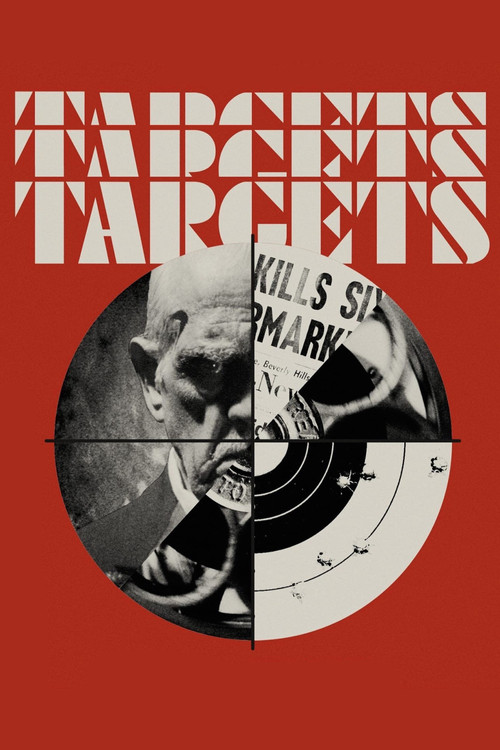
4. Targets
Peter Bogdanovich's *Targets* from '68 is low-key terrifying because it feels so real, even decades later. It’s this chilling dual narrative: an aging horror star facing his obsolescence, and a clean-cut young man becoming a random mass shooter. It felt like a prophecy back then, and it's even more potent now. The film basically said, "The monsters aren't on screen anymore, they're among us." Heavy stuff.
5 / 8
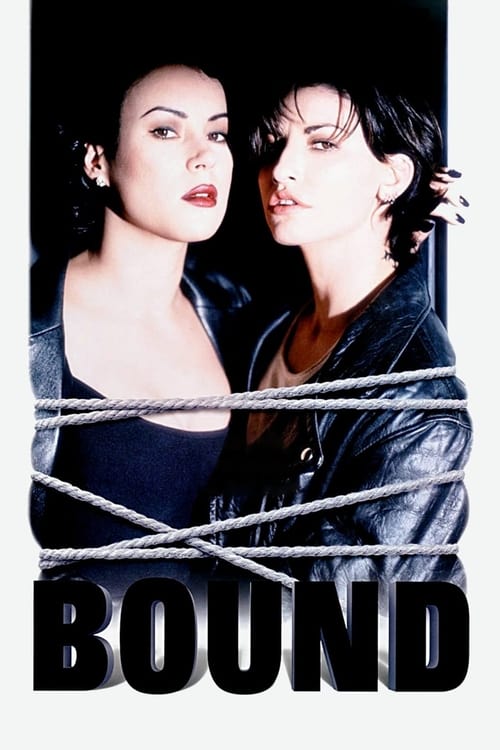
5. Bound
The Wachowskis' *Bound* from '96? Iconic. Before *The Matrix*, they gave us this super slick, queer neo-noir thriller that just oozes style and tension. Jennifer Tilly and Gina Gershon's chemistry is off the charts, and they run circles around every man in the film. It's a masterclass in suspense, representation, and just straight-up cool. This movie taught me what a true power couple looks like. And those fit pics? Chef's kiss.
6 / 8

6. Possession
Andrzej Żuławski's *Possession* from '81? Oh my god. This isn't just a divorce drama; it's a full-on, screaming, body-horror, psychological breakdown of a film. Isabelle Adjani's performance is legendary – unhinged, visceral, unforgettable. It's a metaphor for marital collapse taken to its most extreme, grotesque, and surreal conclusion. You don't just watch *Possession*, you survive it. Prepare for existential dread and a serious case of the "WTF"s.
7 / 8
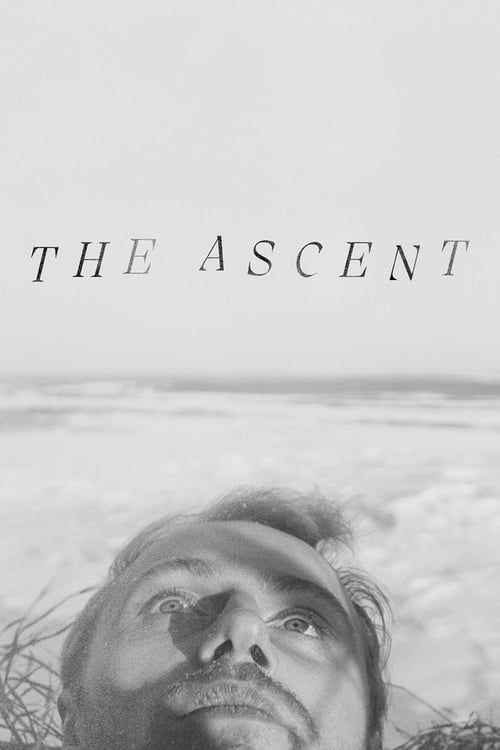
7. The Ascent
Larisa Shepitko's *The Ascent* from '77 is a brutal, beautiful masterpiece. Set during WWII, it's about two Soviet partisans in Belarus, facing impossible choices and profound moral dilemmas. It’s not just a war film; it’s a deep, philosophical dive into faith, betrayal, and the cost of humanity under extreme duress. The black and white cinematography is stunning, highlighting the stark reality. This film will stay with you, trust.
8 / 8

8. Computer Chess
Andrew Bujalski's *Computer Chess* from 2013 is such a weird, wonderful gem. Filmed in black and white, it captures this bygone era of early computer programming competitions in the 80s. It’s quirky, awkward, and surprisingly profound as it explores human-computer interaction and the dawn of AI. It’s a cringe comedy, a mockumentary, and a surprisingly melancholic look at intelligent minds trying to connect in an analog world.