

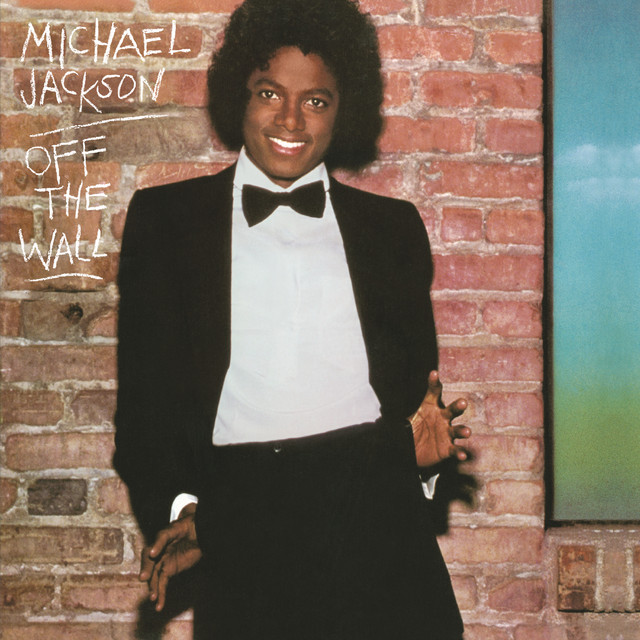
1. Off the Wall
This 1979 masterpiece redefined post-disco, cementing Michael Jackson’s solo trajectory with a meticulous Quincy Jones production. Its intricate funk grooves, courtesy of session titans like Louis Johnson, laid a pristine foundation for Jackson's vocal acrobatics. Every track shimmers with an analogue warmth, a testament to the pre-digital studio’s capacity for sonic perfection. The horns, the strings, the immaculate rhythm section – it’s a masterclass in sophisticated R&B, pushing the boundaries of pop sensibility without sacrificing its profound musicality.
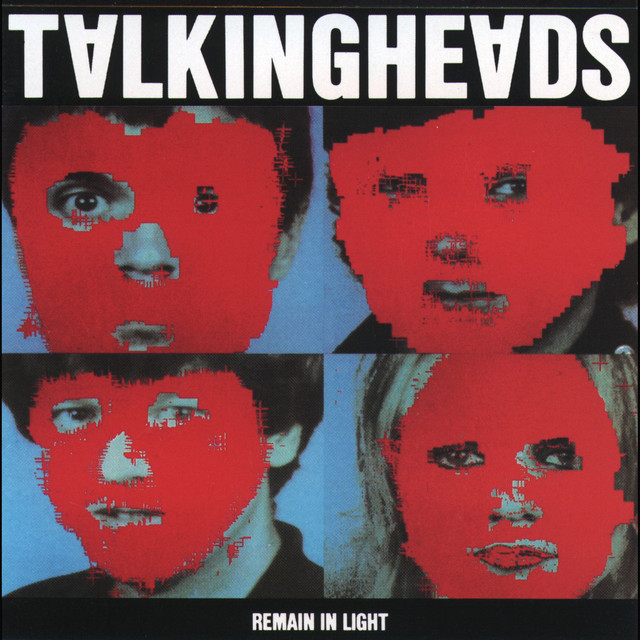
2. Remain in Light
Talking Heads, with Brian Eno at the helm, conjured a truly revolutionary sound here. Its polyrhythmic architecture, indebted to Fela Kuti and African funk, was meticulously constructed in the studio, each layer of guitar, bass, and percussion interlocking to form a hypnotic, almost ritualistic groove. This is art-rock as a sprawling, psychedelic experiment, pushing the limits of what a rock band could achieve with analogue tape and innovative recording techniques. It profoundly influenced nascent hip-hop and electronic music, demonstrating the power of rhythmic abstraction.
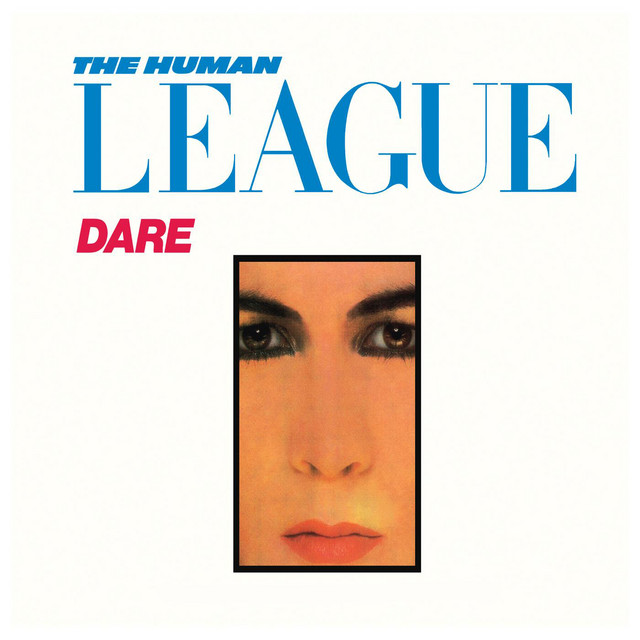
3. Dare!
"Dare!" stands as a monumental pillar of synth-pop, meticulously crafted with early analogue synthesizers and the revolutionary LinnDrum machine. This album wasn't just catchy; it established a sonic template for the decade, proving electronic instruments could convey genuine emotion and narrative. The cold, precise programming, often contrasted with warm vocal harmonies, created a distinctive, almost cinematic atmosphere. It's a testament to the era when synthesizers transcended novelty, becoming the primary expressive tool in crafting perfectly executed, commercially viable electronic music.
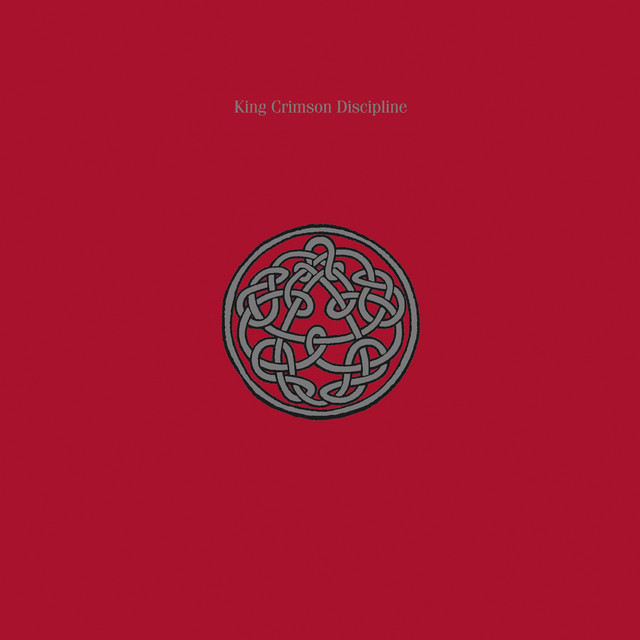
4. Discipline
King Crimson’s "Discipline" marked an astounding reinvention, shedding their progressive rock past for a complex, interlocking new wave sound. Robert Fripp's "Frippertronics" guitar work, Adrian Belew’s angular riffs, and the polyrhythmic drumming created a dense, almost mathematical precision. This wasn't merely technicality; it was a carefully constructed sonic landscape, rich with gamelan-esque textures and avant-garde sensibilities. It showed how sophisticated musicianship could intersect with the burgeoning post-punk ethos, offering a challenging yet ultimately rewarding auditory experience.

5. From the Land of Rape and Honey (The Suppressed Tapes)
This is Ministry at their most primal and uncompromising, a visceral descent into the nascent industrial sound. The album’s raw, machine-driven aggression, built from sampled loops, distorted guitars, and programmed drums, was a direct assault on conventional rock structures. Its oppressive atmosphere, filled with metallic clangor and guttural vocals, defined a new, darker strain of music. The "suppressed tapes" moniker perfectly encapsulates the raw, unpolished energy of a pre-digital recording process pushing against its own limits, forging a brutal sonic landscape.
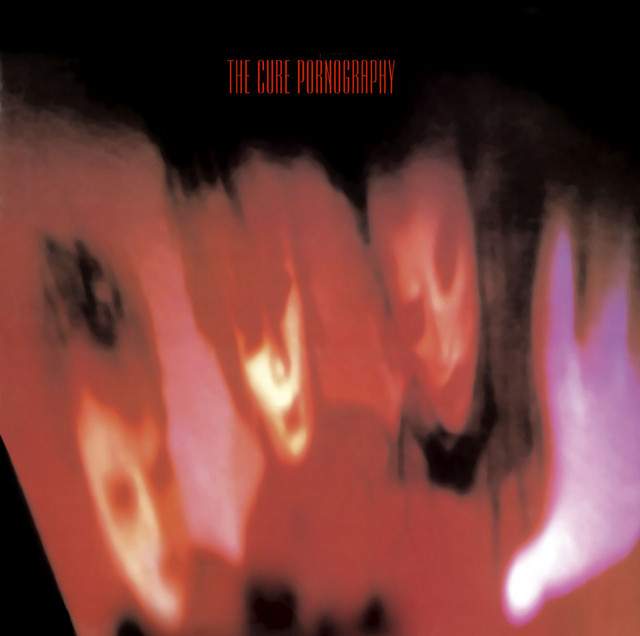
6. Pornography
The Cure’s "Pornography" is an unflinching plunge into existential dread, a landmark of darkwave and gothic rock. Its suffocating atmosphere, conjured by heavily phased guitars, primitive analogue synthesizers, and Robert Smith's tormented vocals, creates a truly unsettling experience. The production, deliberately murky and claustrophobic, amplifies the album's bleak themes. It’s a sonic document of desperation, pushing the boundaries of emotional intensity within a rock framework, proving that studio limitations could be expertly manipulated to enhance raw, unvarnished expression.
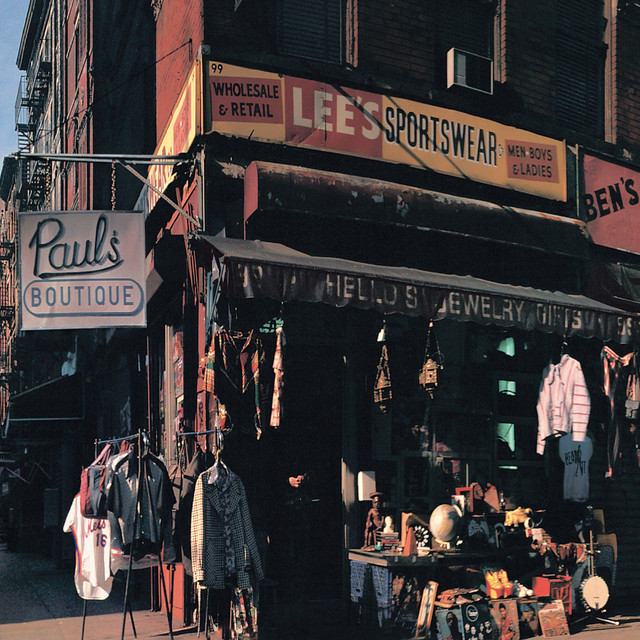
7. Paul's Boutique (20th Anniversary Edition / Remastered)
"Paul's Boutique" remains a kaleidoscopic marvel of early hip-hop, a dense tapestry woven from hundreds of samples. The Dust Brothers' production, a masterclass in analogue collage, transformed mundane audio fragments into an intricate, humorous, and deeply funky soundscape. This wasn't just a collection of beats; it was an audacious, playful, and technically brilliant expansion of what rap music could be. It showcased the pre-digital studio as an instrument itself, demonstrating unparalleled creativity in layering sounds, cementing its place as a true auditory adventure.
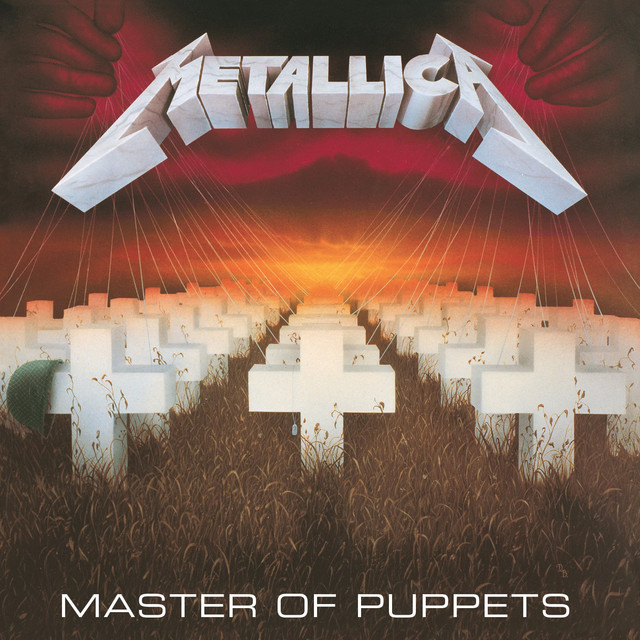
8. Master of Puppets (Remastered)
"Master of Puppets" is an undisputed titan of thrash metal, showcasing Metallica’s unparalleled musicianship and compositional ambition. Its intricate arrangements, relentless tempos, and technically demanding riffs were captured with a powerful, albeit dry, pre-digital production that emphasized clarity and aggression. The album’s layered guitar harmonies and dynamic shifts pushed metal beyond its nascent forms, establishing a blueprint for progressive heaviness. It's a sonic monument to precision and power, meticulously crafted before digital tools became ubiquitous, defining a generation's understanding of extreme music.
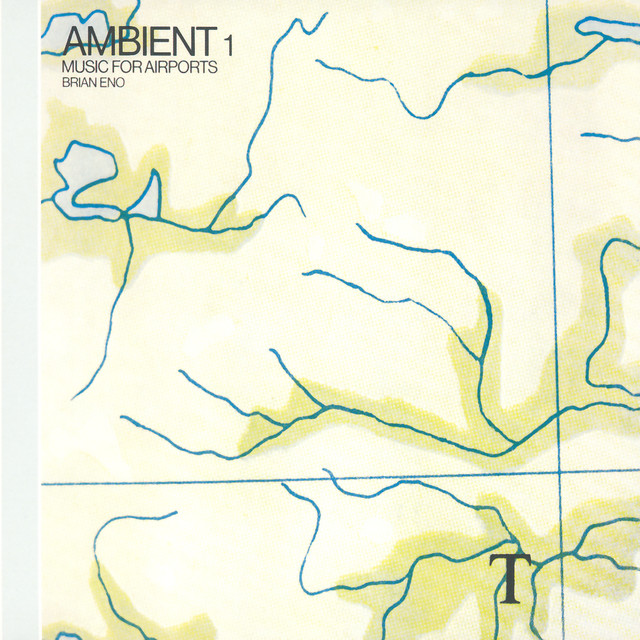
9. Ambient 1: Music For Airports (Remastered 2004)
Brian Eno’s "Ambient 1: Music For Airports" didn't just define ambient music; it sculpted an entire sonic philosophy. Composed using layered tape loops and carefully chosen acoustic instruments, its minimalist textures were designed to be "as ignorable as they are interesting." This album demonstrated the profound emotional impact of carefully crafted space and tone. It's a testament to the pre-digital era's capacity for creating expansive, contemplative soundscapes with deceptively simple means, proving that less, when executed with Eno's genius, could be infinitely more.