
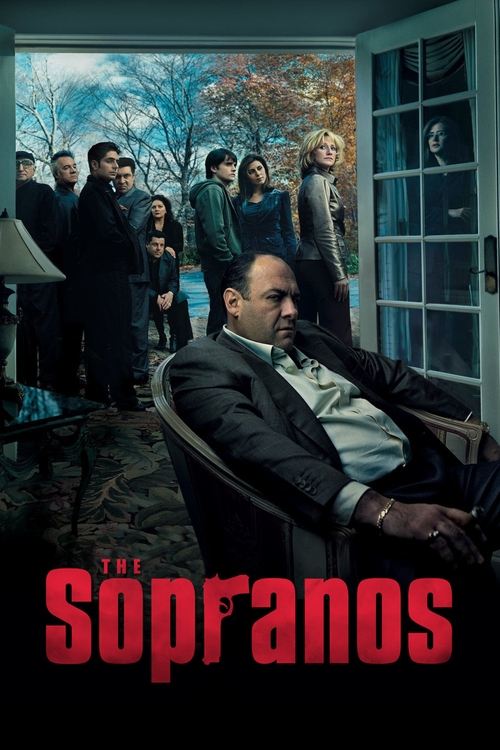
1. The Sopranos
Before Tony Soprano, TV anti-heroes were an anomaly. This show didn't just tell a story; it built a world around a mob boss in therapy, pushing boundaries on what a protagonist could be. It cemented HBO's reputation for risk-taking, proving that serialized drama could be as cinematic and psychologically deep as anything on the big screen. It was appointment viewing, demanding attention, not just a casual glance.
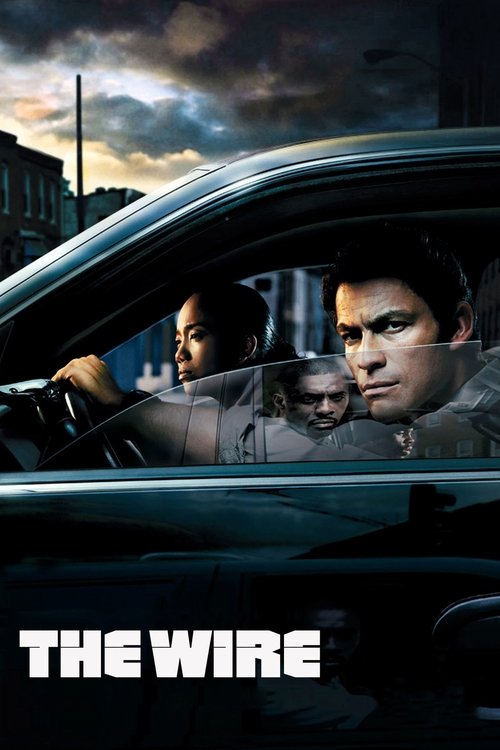
2. The Wire
Forget procedural heroics; *The Wire* was a novel on screen. It pulled back the curtain on institutions – police, drug trade, politics, schools – showing systemic failures through an ensemble cast. Each season felt like a new chapter, a deep dive into how power and survival played out in Baltimore. It asked viewers to work, to pay attention to details, and it rewarded that effort with a profound, unflinching look at urban life.

3. Six Feet Under
Tackling mortality with dark humor and raw emotion, *Six Feet Under* was a masterclass in character study. The Fisher family, living above a funeral home, forced viewers to confront life, loss, and the messy business of being human. Every episode started with a death, but it was the lives unfolding within that framework that truly resonated. It was weird, beautiful, and deeply personal, proving TV could be truly existential.
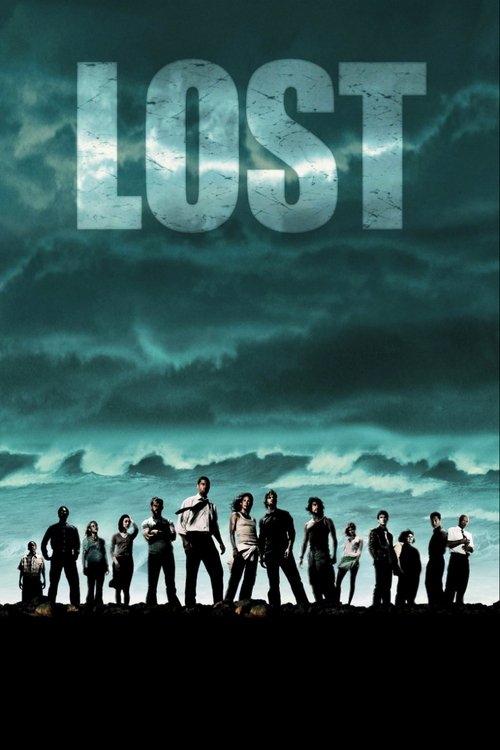
4. Lost
*Lost* grabbed hold and didn't let go. After a plane crash, survivors on a mysterious island kicked off a serialized phenomenon. Its blend of sci-fi, drama, and character-driven mystery, with those iconic flashbacks, made it a weekly event. You watched, you theorized, you debated. It wasn't just a show; it was a conversation, proving that TV could build intricate mythologies that captivated millions.
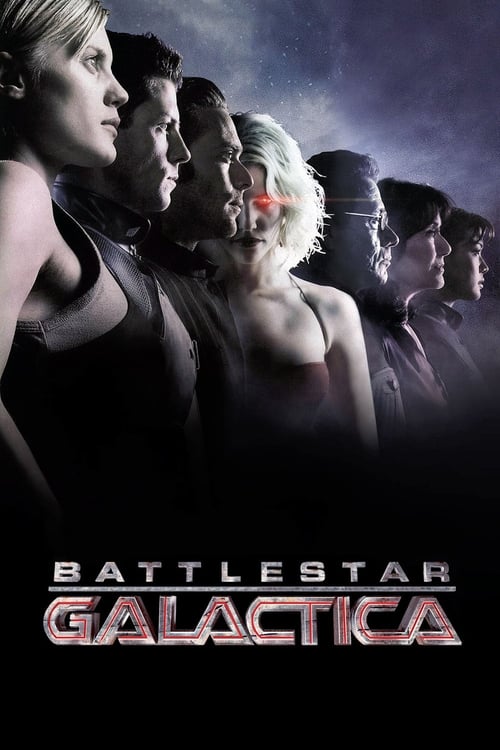
5. Battlestar Galactica
Don't let the "sci-fi" label fool you; *Battlestar Galactica* was pure, gritty drama. It reimagined a classic, delivering a post-apocalyptic saga of survival, faith, and war against AI. Its characters were flawed, its politics complex, and its themes deeply relevant. It was serious, adult storytelling in space, showing that genre television could tackle profound questions with gravitas and unflinching realism. So say we all.
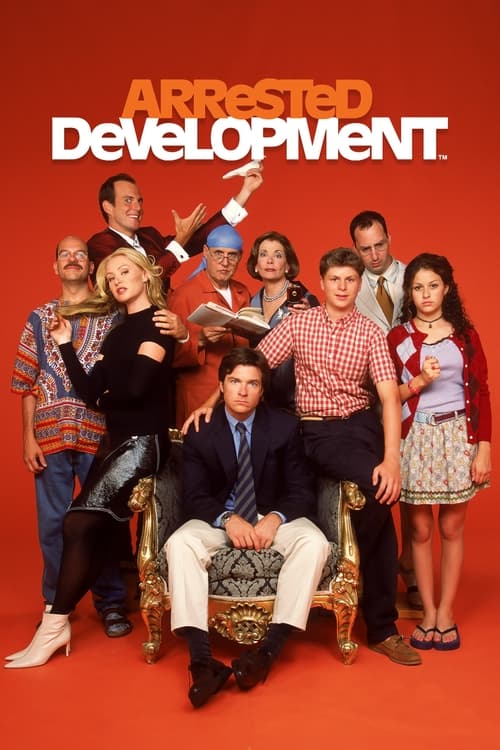
6. Arrested Development
This show was a comedic marvel, a rapid-fire joke machine that rewarded repeat viewings. Its mockumentary style and intricate, layered callbacks meant you couldn't just half-watch it; you had to pay attention. The Bluth family's endless dysfunction was hilarious, smart, and utterly unique. It proved that network comedy could be aggressively clever and still find its audience, even if it took a while.
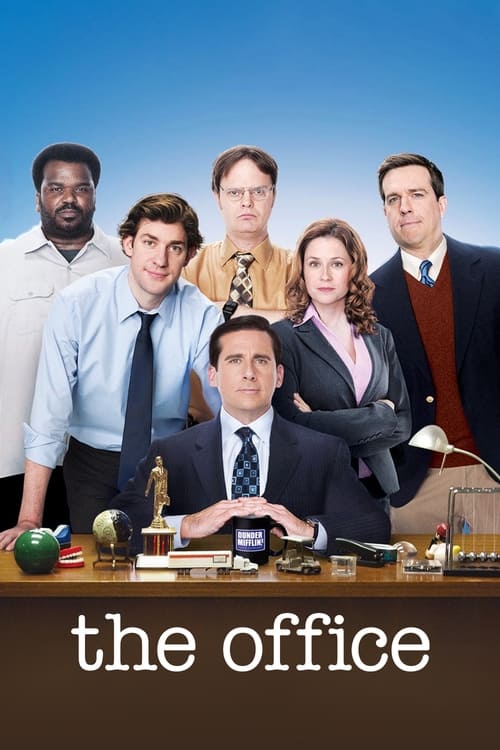
7. The Office
The American *Office* took the cringe-comedy mockumentary format and made it its own. It started as a sharp, awkward look at mundane office life, then blossomed into a character-driven saga. The humor came from recognition, from the small, painful moments of human interaction. It showed that a simple premise, executed with brilliant writing and a stellar ensemble, could capture hearts and define a decade of comedy.
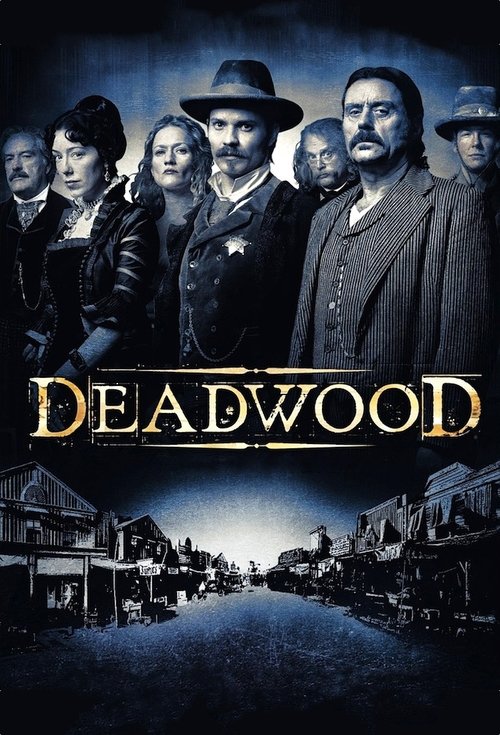
8. Deadwood
HBO's *Deadwood* was a rough, poetic, and utterly engrossing take on the American West. Its language was Shakespearean in its profanity and depth, sketching out a vibrant, violent, and deeply human frontier town. It wasn't a clean, heroic Western; it was dirty, morally ambiguous, and historically rich. It demanded attention for its intricate dialogue and unflinching look at civilization's messy birth.
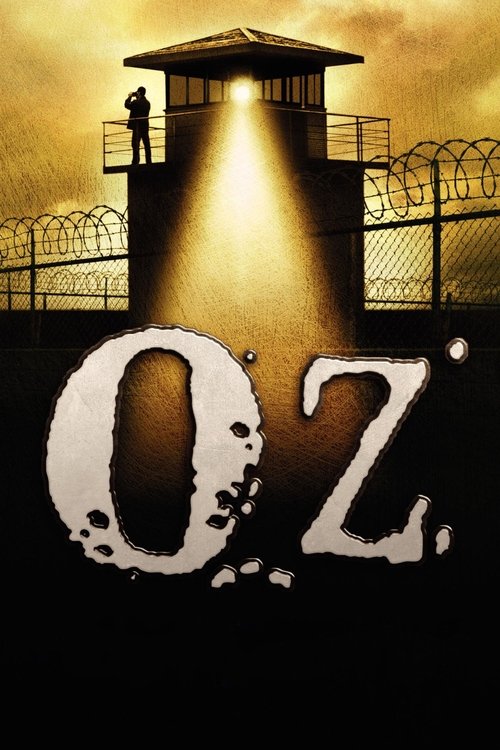
9. Oz
Before *The Sopranos*, there was *Oz*. HBO's first hour-long drama threw viewers into the brutal, chaotic world of Emerald City prison. It was uncompromising, violent, and often shocking, exploring power dynamics, morality, and survival in a confined, hyper-masculine environment. It established HBO's willingness to go dark, to take risks, and to push the envelope of what TV could depict.

10. ER
*ER* redefined the medical drama. Its breakneck pace, fluid camerawork, and ensemble cast made the emergency room feel alive, urgent, and constantly on the brink. It blended high-stakes medical cases with deep character development, proving network TV could deliver cinematic quality and serialized storytelling. It was thrilling, emotional, and set a new standard for prime-time network television.
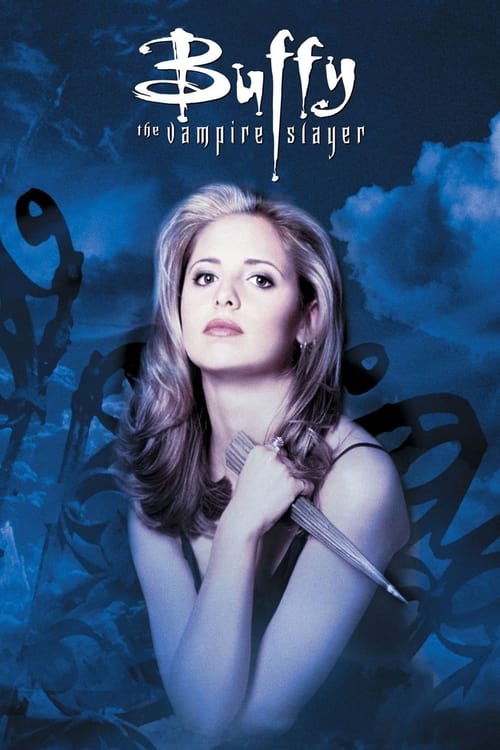
11. Buffy the Vampire Slayer
Don't let the title fool you; *Buffy* was so much more than a teen show about vampires. It used supernatural metaphors to explore real-world issues of adolescence, power, and identity. Its witty dialogue, strong female protagonist, and unexpected emotional depth proved that genre television could be smart, funny, and heartbreakingly resonant. It earned its cult status and influenced countless shows that followed.